Published: 11 March 2026 The English Chronicle Desk The English Chronicle Online – UK News
Prime Minister Keir Starmer has cautioned his cabinet against adopting an “overly deferential” approach to devolved administrations in Wales, Scotland and Northern Ireland, according to a leaked memo that has reignited tensions over the future of devolution.

The document, dated December and published this week by Plaid Cymru, urged ministers to be prepared to make spending decisions “even when devolved governments may oppose this.” Starmer warned that a laissez‑faire attitude toward the Celtic administrations would “almost inevitably create political challenges or missed positive opportunities.”
The leak comes amid growing unease within Labour ranks about the party’s handling of devolution. In December, a third of Welsh Labour Senedd members wrote to Downing Street accusing the government of rolling back devolved powers. They described a funding row as “at best deeply insensitive, at worst a constitutional outrage,” and expressed concern about Westminster’s reluctance to devolve further functions to Wales, including justice, policing and the crown estate—policies that are part of Labour’s own platform.
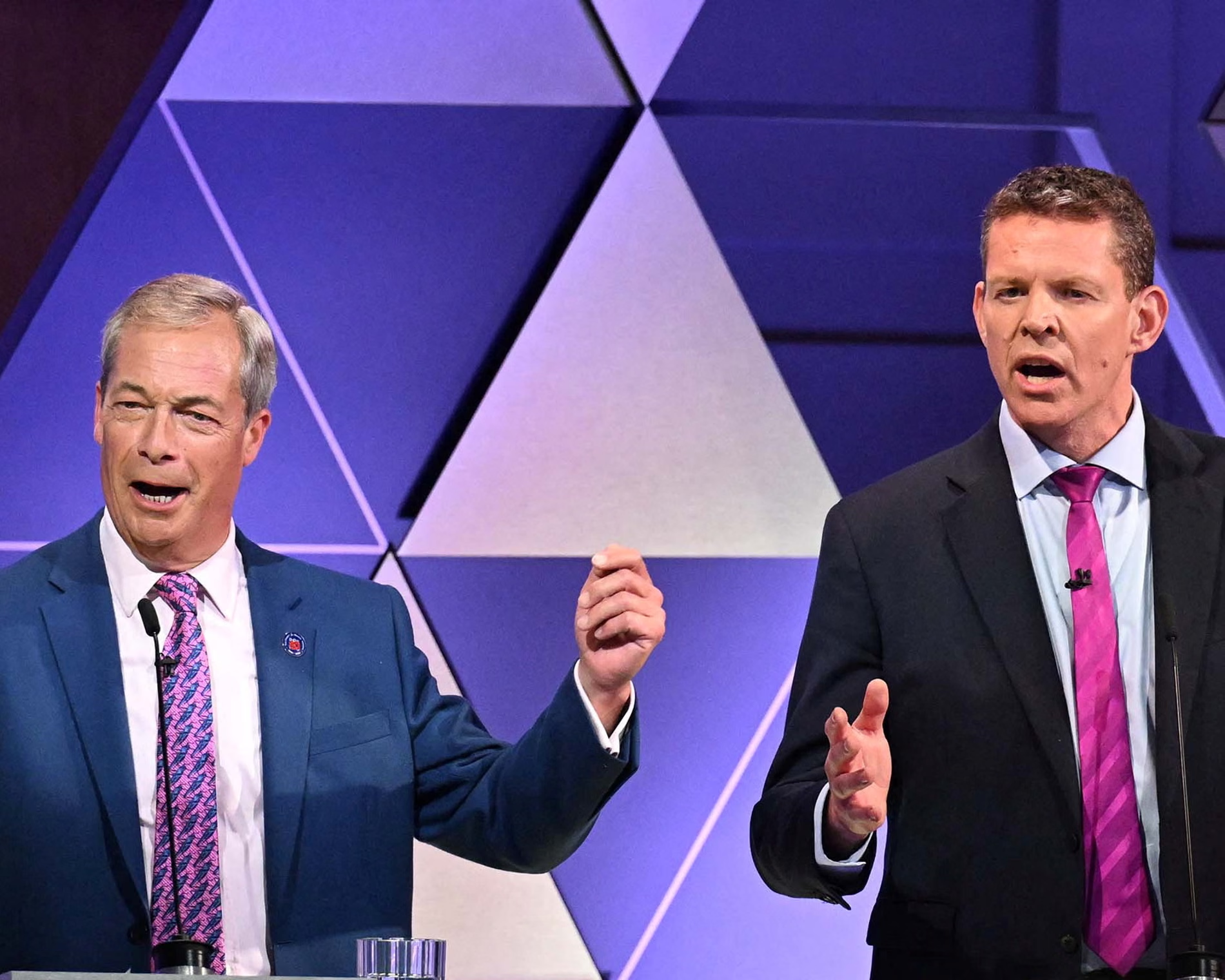
Plaid Cymru leader Rhun ap Iorwerth seized on the memo during First Minister’s Questions in Cardiff, accusing Labour’s Welsh first minister, Eluned Morgan, of undermining her own administration by aligning too closely with Starmer. He described the document as Starmer’s “own version of Boris Johnson’s muscular unionism.”
Morgan defended her position, insisting: “Devolution must be respected, and I’ve always been very clear with the prime minister on that issue. It is a respectful relationship.”
Downing Street responded by saying: “We make no apologies for being determined to deliver for people across all four nations of the UK. In Wales, Scotland and Northern Ireland, there are clearly reserved areas of governmental responsibilities and this government is committed to upholding this devolution settlement with mutual respect and partnership.”
The leak is being interpreted as evidence of internal conflict within Welsh Labour ahead of May’s Senedd elections. After 26 years in power, Labour faces mounting challenges, with polls suggesting it could slip to third or even fourth place. Coalition negotiations are expected to be complex, with Plaid Cymru tipped to form the next Welsh government and Reform UK projected to become the largest opposition party.
Starmer’s memo acknowledged the importance of the Welsh and Scottish elections, warning they would have a “significant impact on how we govern at UK level in the second half of parliament.”
The controversy highlights the delicate balance between Westminster authority and devolved autonomy. Since the creation of devolved legislatures in the late 1990s, successive governments have wrestled with how to manage relations across the UK. While Labour has historically championed devolution, critics argue the party has become increasingly centralising under Starmer.
The memo’s language—urging ministers not to be “overly deferential”—has been interpreted by opponents as evidence of a tougher stance toward devolved governments. Supporters, however, argue that Westminster must retain the ability to act decisively in reserved areas, particularly on spending and economic policy.
The leak has sparked debate across the political spectrum. Devolution advocates warn that any perception of Westminster undermining devolved powers could fuel nationalist sentiment in Wales and Scotland. Plaid Cymru and the Scottish National Party have already used the memo to argue that Labour cannot be trusted to respect devolved institutions.
Within Labour, the issue has exposed divisions between MPs and Senedd members who favour stronger devolution and those who support a more centralised approach.

Starmer’s leaked memo underscores the challenges of governing a multi‑nation UK at a time of political volatility. With elections looming in Wales and Scotland, the balance between respect for devolved powers and Westminster authority is once again under scrutiny.
For Labour, the stakes are high: missteps could weaken its position in devolved legislatures and embolden nationalist parties. For Starmer, the message is clear—his government must deliver across all four nations, but without appearing to erode the very devolution settlement Labour helped create.
Related News:
 Assisted Dying on Welsh NHS a Step Closer as Senedd Votes in Favour
 Next Welsh Election a Choice Between Us and Reform, Plaid Leader to Say
 Sir John Curtice: Which Issues Will Decide the Elections
 UK Must Act with Courage and Clarity on Israel-Palestine Conflict, Says Foreign Affairs Committee Report
 Chancellor Faces Mounting Pressure Amid “Impossible Trilemma” Over Tax Rises
 Radioactive Leak at UK’s Nuclear Warhead Base Sparks Outcry Over Safety and Secrecy
 Mass Arrests in London as Protest Defies Ban on Palestine Action
 Mutual Inconvenience: Why Alaska Was Chosen for the Trump-Putin Summit on Ukraine
 UK Government Expands ‘Deport Now, Appeal Later’ Policy to 23 Countries
 Chancellor Rachel Reeves Pushes for Sweeping Changes to Environmental Protections to Accelerate Development
 Larger Families Could Gain Thousands if Labour Ends Two-Child Benefit Cap
 Is the UK Ready to Put Boots on the Ground in Ukraine? Assessing Military Capacity and Challenges
 Palestine Action Ban Protesters Plan Tactic to Overwhelm Police at Next London Demonstration
 Police Scotland Spends £500,000 Compensating Officers Over Trump Visit
 Britain’s Migration Challenge: Rising Asylum Numbers and Hotel Pressures
 Elon Musk Sparks New Controversy by Backing Tommy Robinson Amid Farage Feud
 Urgent Action Needed on Windrush Compensation as Survivors Speak of “Waiting to Die”
 Tanni Grey-Thompson Faces Abuse Over Opposition to Assisted Dying Bill
 TfL Invites RMT to Resume Talks as London Tube Strikes End
 Zarah Sultana Seeks Legal Action After Bitter Clash with Jeremy Corbyn Over Party Membership Funds
 Nigel Farage Unveils Controversial Immigration and Welfare Plans at Reform UK Press Conference
 Mahmood Pledges Reform of Modern Slavery Laws After Court Blocks Deportation Appeal
 Ed Miliband Warns UK Government on X, Citing Elon Musk as a “Dangerous Influence”
 Ed Miliband Urges Labour to Confront Billionaire-Backed Opposition to Net Zero Goals
 Digital ID Plans Ignite Debate Over £600m Treasury Tax Boost and Privacy Concerns
 Kemi Badenoch Unveils ‘Golden Rule’ to Halve Spending Cuts for Deficit Reduction at Tory Conference
 Public Trust in SNP Hits Historic Low Amid NHS Concerns
 Johnson Suggests Mandelson Linked to China Spy Controversy
 UK border officers deployed to Balkans to tackle migrant smuggling
 Ministry of Justice fails to file £11bn in spending receipts
 UK MPs warn of repeat riots over online misinformation
 Rachel Reeves signals welfare reform ahead of key budget
 Reform UK candidate fined £19,000 after using AI-generated cases to challenge election
 William Steps Up Over Prince Andrew Palace Response
 Army Barracks to House Migrants as Hotels Phase Out
 Green Party Surges Past Labour in Latest UK Poll
 Trump’s UK Ambassador Urges North Sea Drilling to Strengthen US Ties
 French Taxi Driver Cleared in David Lammy Theft Case After Fare Dispute
 Millionaires group urge Reeves to introduce wealth tax to ‘lift kids out of poverty’
 Starmer Faces Growing Dissent as Labour MPs Weigh Leadership Challenge
 Reeves rejects £1bn plea for NHS redundancy payouts
 PM Condemns Leaks, Vows Loyalty to Ministers and Stability
 Major Rent Reform Ends No-Fault Evictions in England
 Most Tories Expect to Support a Farage-Led Government
 Starmer Says Labour’s Economic Plan Needs Years to Deliver
 England delays four mayoral elections amid criticism
 Culture secretary to review Telegraph takeover by Daily Mail owner
 Reform Candidate Sparks Fury Over Loyalty Comments
 Right Must Unite After Jenrick Defection, Urges Rees-Mogg
 UK Ministers Drop Foreign Student Targets for Global Education Push
 MPs warn AI financial risks threaten UK stability
 No Gas Boiler Ban as UK Warm Homes Plan Backs Heat Pumps
 Shinzo Abe’s killer receives life sentence in Japan
 Police response times face strict new national limits
 Labour policing overhaul sparks fears over growing central control
 Starmer warns of toxic division politics in Reform challenge
 Palantir contracts face UK halt calls over transparency
 Diane Abbott Slams Applause for Keir Starmer as PM Vows to Stay On After Mandelson-Epstein Row
 Cabinet Secretary Shake-Up Triggers Due Diligence Warning
 Could Manchester Lead the UK’s Economic Revival?
 Starmer Weighs Fast-Tracking Defence Boost
 Farage to Name Jenrick as Reform Chancellor Pick
 Civil Service Pay: Union Urges Ministers to End ‘Barking Mad’ Limits
 Antonia Romeo appointment sparks criticism
 Trump and Chagos Deal Rift Over Iran Strikes
 Australian PM Says Former Prince Andrew Has Suffered ‘Extraordinary Fall’ but That Won’t Prompt Republic Referendum
 Farage Chagos Islands Row Sparks Fury
 Lord Mandelson Released on Bail After Arrest on Suspicion of Misconduct in Public Office
 Reform UK targets workers’ rights repeal
 Russian Trade Routed Through British Islands Exposed
 Mandelson Arrest: Met Apologises to Hoyle
No 10 Will Have No Say on Which Mandelson Papers Are Released
Mandelson Arrest: Met Apologises to Hoyle
No 10 Will Have No Say on Which Mandelson Papers Are Released
 BBC Charter Reform Sparks Independence Battle
 Labour MP’s Partner Arrested on Suspicion of Spying for China
 Police Scotland Pays £8m Compensation to Staff
 Minister Meets Crews Who Will ‘Take Out’ Iranian Drones
 Thousands Protest Iran Strikes Outside US Embassy London
 US Bombers Arrive at RAF Base Amid Rising Iran Tensions
 UK Oil and Gas Supplies Reassured Amid Middle East Concerns
 UK–US Tensions Ease as Starmer and Trump Hold First Call Since Iran Row