Published: 12 March 2026. The English Chronicle Desk. The English Chronicle Online.
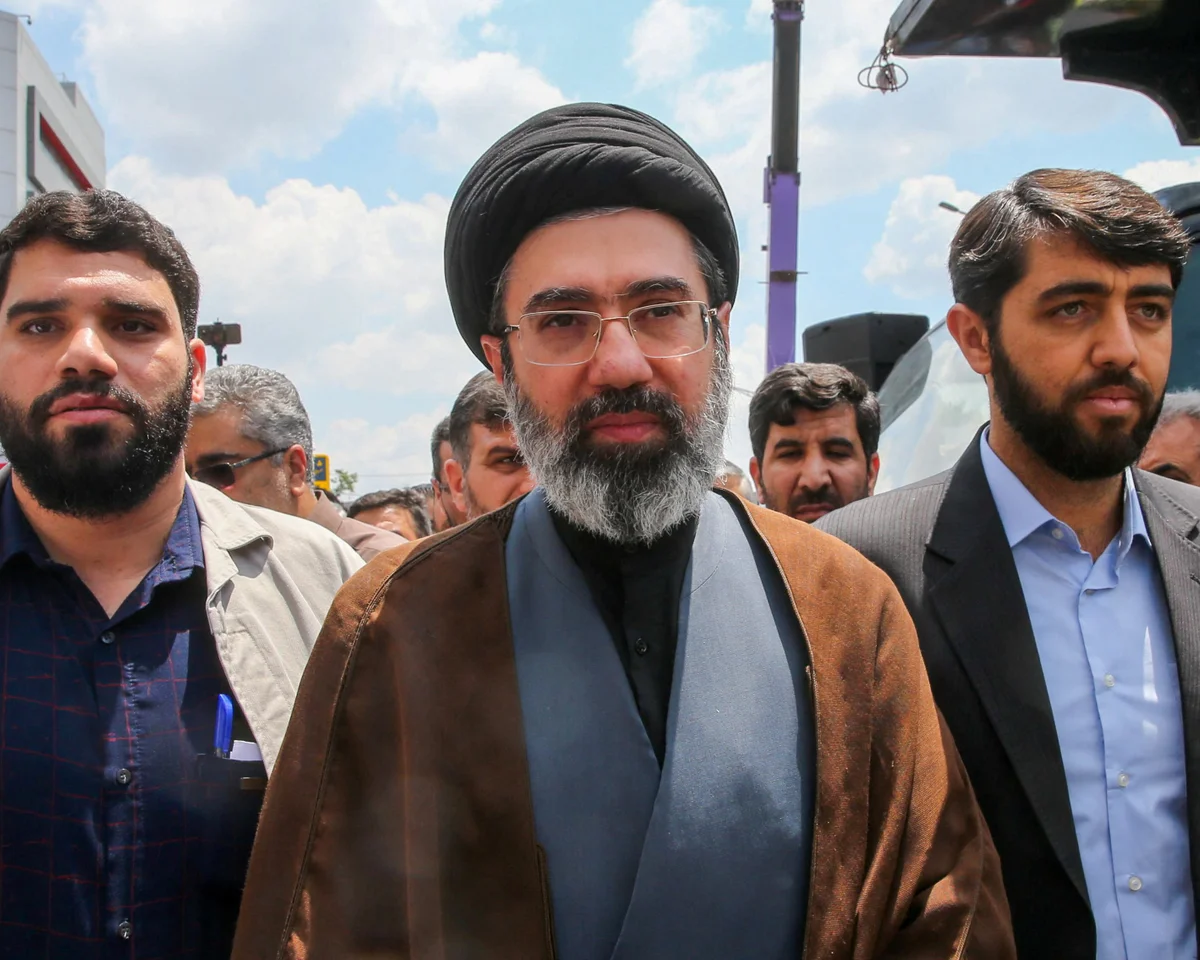
The elevation of Mojtaba Khamenei to Iran’s highest political and religious office has sparked intense global debate. Reports that the new leader suffered injuries during the first wave of Israeli attacks have only deepened the controversy surrounding his sudden rise. Despite these circumstances, Iran’s political establishment moved swiftly to confirm his position as supreme leader. Observers now question whether the state’s powerful institutions can operate effectively while their newly appointed figurehead remains unseen.
The confirmation that Mojtaba Khamenei was injured came quietly through official remarks and indirect statements. Iranian authorities have not released detailed medical information about his condition. Early indications suggest he suffered a broken leg and facial injuries during the strike that targeted the supreme leader’s compound. The attack reportedly killed several members of his family and devastated the complex itself.
Among those killed was his father, Ali Khamenei, whose death created an immediate leadership vacuum. The loss of the long-serving cleric shocked the political establishment and forced urgent discussions about succession. The speed with which Mojtaba Khamenei was elevated reflects the pressure facing Iran’s ruling institutions during wartime.
Iran’s leadership has attempted to present a calm and orderly transition. Ali Larijani, secretary of the Supreme National Security Council, addressed concerns about the new leader’s health. He said Mojtaba’s condition had not been reported as critical, though he avoided offering further details. His carefully chosen words suggested that officials were reluctant to reveal the full extent of the injuries.
Larijani insisted that government operations continued without interruption following the attack. According to him, Mojtaba Khamenei continues providing authoritative guidance and oversight despite the incident. Officials also claim that military decisions and retaliatory actions occur only with his approval. These statements aim to reassure the public that Iran’s command structure remains intact.

However, doubts about Mojtaba Khamenei’s capacity quickly emerged after his appointment. The constitutional process required the approval of the Assembly of Experts, an eighty-eight member clerical council. Convening this body during wartime presented logistical challenges and may have contributed to delays in announcing the decision.
Yet observers believe the hesitation reflected deeper concerns among senior clerics. Questions reportedly arose about whether Mojtaba Khamenei was physically able to accept the role after surviving the devastating strike. Others wondered whether he possessed the political authority necessary to unite Iran’s powerful factions.
The attack on the leadership compound caused extensive casualties within the Khamenei family. Alongside the former supreme leader, Mojtaba reportedly lost several close relatives during the assault. His mother and wife were among those severely injured, while other family members died instantly. The destruction of the complex left little doubt about the scale of the tragedy.
Such losses inevitably raise questions about the emotional impact on Iran’s new leader. Even without serious physical injuries, surviving such devastation would leave a profound psychological mark. For many observers, the episode illustrates the extraordinary circumstances surrounding Mojtaba Khamenei’s elevation.
Outside Iran, speculation about his condition has grown rapidly. Opposition groups in exile claim that Mojtaba Khamenei remains hospitalised in secrecy and possibly unconscious. Some activists allege he may not even be aware of his appointment as supreme leader. These claims remain unverified but have circulated widely across social media platforms.
Fueling the rumours is the government’s unusual silence. Three days after his appointment, no confirmed photograph or video of Mojtaba Khamenei appeared publicly. The absence of even a recorded message surprised many analysts familiar with Iran’s carefully managed political symbolism.
This silence prompted critics to suggest the Assembly of Experts may have elevated a leader unable to appear publicly. Some commentators even joked that Iran might be governed by a cardboard cut-out. Although exaggerated, such remarks reveal the extent of public uncertainty surrounding the transition.
The Israeli government also joined the debate through a pointed message. The foreign ministry circulated an image portraying Mojtaba Khamenei as a cardboard figure. The accompanying caption mocked the durability of regimes that depend heavily on secrecy.
Within Iran, officials attempted to dismiss the controversy. One journalist argued that a supreme leader does not need frequent public appearances. According to him, effective governance depends on management rather than visible presence. Loyalists also circulated a photograph claiming Mojtaba Khamenei had chaired a meeting with senior military commanders.
Sceptics quickly questioned the authenticity of that image. Some observers suggested it could have been generated or altered digitally. In an era of advanced artificial intelligence tools, such doubts are increasingly common. Iranian authorities have not clarified the origin of the photograph.
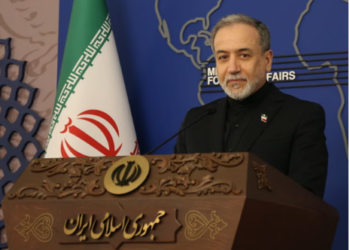
The government’s cautious messaging extended to diplomatic briefings. During a press conference, foreign ministry spokesman Esmail Baghaei was asked directly about Mojtaba Khamenei’s leadership. Instead of confirming details, he replied that those who needed to receive the message had already received it. The cryptic response did little to reduce speculation.
Further confirmation of Mojtaba Khamenei’s injuries emerged indirectly through a personal message. Yousef Pezeshkian mentioned hearing that Mojtaba had been hurt but remained healthy. The remark appeared in a casual online post discussing weather in Tehran. Despite its informal tone, the statement became the first acknowledgement of the injuries.
For critics of the regime, the episode highlights the influence of the Islamic Revolutionary Guard Corps. Many opposition figures believe the powerful force orchestrated Mojtaba Khamenei’s rise. They argue the organisation prioritised loyalty and continuity over transparency or public confidence.
The Revolutionary Guard is more than a military institution. Over decades it has developed a vast network of economic holdings and political allies. Its influence extends across infrastructure, energy, finance, and national security sectors. Analysts widely consider it one of the most powerful entities in Iran.
Scholars studying Iran argue that the country’s political system was deliberately designed for resilience. Maryam Alemzadeh explains that leadership changes rarely disrupt the broader network of institutions. According to her analysis, semi-formal organisations linked to the Revolutionary Guard provide stability even during crises.
These networks include paramilitary groups such as the Basij, which operate throughout the country. They perform roles ranging from social services to surveillance and security. Their presence ensures that power structures remain operational regardless of individual leadership changes.
Alemzadeh believes the removal of senior figures rarely weakens this system. Instead, the network tends to close ranks during moments of external threat. This dynamic may explain the swift confirmation of Mojtaba Khamenei as supreme leader.
Other analysts emphasise the importance of personal authority within Iran’s leadership. Alex Vatanka notes that occupying the office alone does not guarantee influence. He argues that genuine power develops gradually as a leader establishes credibility among competing factions.

Vatanka points out that even Ali Khamenei struggled initially after assuming the role decades earlier. Building alliances and commanding respect within Iran’s complex political environment takes time. Mojtaba Khamenei may face a similar process over the coming years.
Meanwhile, Iran’s wartime strategy appears to continue unchanged. Military planners have already established operational frameworks guiding the conflict. These strategies emphasise asymmetric tactics designed to increase economic and political costs for adversaries.
Because these plans were developed long before the recent attacks, they require little direct involvement from the supreme leader. Military commanders and political institutions already understand their roles. In that sense, Iran’s war machinery can operate almost automatically.
This reality may explain the confidence displayed by senior officials. Even if Mojtaba Khamenei remains temporarily absent from public life, the state’s apparatus continues functioning. The leadership transition therefore carries symbolic importance but limited immediate operational impact.
Ultimately, the significance of Mojtaba Khamenei’s elevation may emerge later. If the conflict deepens or negotiations eventually begin, his decisions could shape the outcome. Until that moment arrives, Iran’s institutions appear determined to maintain continuity despite extraordinary circumstances.
For now, the world watches carefully as Iran navigates leadership change amid escalating regional tensions. The injured Mojtaba Khamenei stands at the centre of this unfolding story. Whether he becomes a powerful figure or merely a symbolic presence will define the next chapter of Iran’s political history.
Related News:
 Middle East Flights Halted After Iran Strikes
 UK Prepares Aircraft Carrier for Middle East Crisis
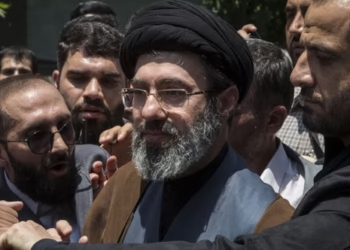 Mojtaba Khamenei Chosen as Iran’s New Supreme Leader
 Tehran Oil Depot Strikes Darken City With Toxic Smoke
 Mojtaba Khamenei Supporters Rally as Iranians Fear Repression
 Iran Defiance Grows Amid US-Israel War Pressure
 Hormuz Crisis Sparks Global Oil Market Fears
 Iranian Exile Factions Seek US Backing for Iran’s Future
 Trump Iran War Stance Hardens as Conflict Widens
 Ghalibaf Iran: Survivor Emerges in Shifting Power Game
 Iran Crisis Tests Trump’s Global Leadership
 Trump likens US Navy actions to ‘pirates’
 Global order shifts amid Trump-era turmoil
 Middle East Crisis Escalates as Oil Routes Shake Markets
 Tensions Emerge in Netanyahu-Trump Alliance
 Former ICC prosecutor condemns US sanctions
 Trump Claims Iran Peace Deal Near Completion
 Houthis Strike Saudi Arabia as Middle East Tensions Rise
 BBC to Apologise Over Edited Trump Speech Amid Backlash
 Britain deploys RAF specialists to assist Belgium with drone threats
 US Justice Department Files Lawsuit Against California Over Partisan Voting Maps
 Greene Pushes Epstein Files Amid Trump Fallout
 Trump Deploys DHS to Charlotte in Major Arrest Operation
 December Run-Off in Chile as Election Produces No Winner
 Canada Passes Carney’s First Budget in Tight Parliamentary Vote
 Shadow Fleet at Sea: Europe’s Battle Against Illicit Oil Shipping
 Pentagon Officials in Ukraine to Discuss War End
 Venezuela Threatens Nobel Winner Machado with Fugitive Status
 Georgians Defy Government Crackdown After Year of Protests
 EU plans $105bn Ukraine aid using frozen Russian assets
 Trump Policies Boost China’s Global Rise, Survey Finds
 Iran unrest slows under brutal crackdown and global tensions
 Pentagon Signals Reduced Role in Deterring North Korea
 Thousands Protest ICE Operations in Nationwide US Day of Action
 Starmer Condemns ‘Depraved’ Russian Strikes on Ukraine
 Herzog visit sparks protests across Australian cities
 UK and US Drop in Global Corruption Index Rankings
 Canberra Poster Seizure Sparks Free Speech Row
 Evo Morales Returns After Mysterious Absence
 AFP Reviews Pauline Hanson Comments
 Trump Tariffs Threat Spark UK and EU Alarm
 The Dangerous Rise of Remigration Across Modern Europe
 Jacinda Ardern Moves To Australia Following Her US Fellowships
 US to offer passport services in West Bank settlements
 Jacinda Ardern Move Sparks Kiwi Reflection
 Nick Greiner Warns Over Election Review Fallout
 Tehran Strikes Mark War’s Most Devastating Night
 US Missile Strike on Iran School Sparks Global Shock
 Iran Gulf attacks escalate as ships and airports targeted
 Gulf Tensions Rise as Iran Alleges Covert Support
 Danish Election Deadlock Shakes Frederiksen’s Grip
 Trump to Visit China in May After Iran War Delay
 Iranian President’s Son Shares Wartime Hopes and Fears
 Pope Rebukes Leaders for War as Middle East Tensions Rise
 Trump to Deploy “God Squad” Over Gulf Wildlife Protections
 Army Probes Apache Flyover at Kid Rock’s Nashville Estate
 Iran Drone Strike Hits Kuwaiti Oil Tanker in Dubai Port
 Italian Town Buys Mussolini Villa to Keep Away Fascist Fans
 Report Says Pezzullo Acted ‘Recklessly’ in Dealings
 Trump Employs Nixon’s Madman Theory Amid Iran Crisis
 Hungary election: Orbán faces biggest test amid scandal
 Suspected Plot Targets Pipeline Before Hungary Vote
 Capitalism ‘Suicidal’, Warns Petro at Climate Summit
 Judge halts deportation of Yemeni refugees in US
 Trump approval plunges amid Iran war fears
 Ohio’s Battle for Trust: Democrats Vying to Flip the Buckeye State
 US ‘Narco Boat’ Strikes Draw Global Outcry
 Afghan Families Left in Limbo Face Risk of Deportation
 US Awaits Iran Reply on New Ceasefire Proposal
 Tensions Flare as Israeli Nationalists March in Jerusalem
 Discontent grows around Putin amid war strain
 US Strikes Iranian Sites Amid Shaky Ceasefire Talks
 Israel Intensifies Lebanon Strikes to Crush Hezbollah
 Starmer Leadership Under Pressure After Setbacks
 US and Iran Trade Fresh Strikes, Threatening Ceasefire
 House Curbs Trump’s War Powers in Rare Rebellion
 New South Wales Premier Chris Minns Signals Tough Road Ahead for Labor
 Le Pen to Run for President Despite Embezzlement Conviction
 Ukraine Creates Long-Range Strike Command
 Le Pen’s Popularity Holds Despite Conviction