Published: March 13, 2026
The English Chronicle Desk. The English Chronicle Online
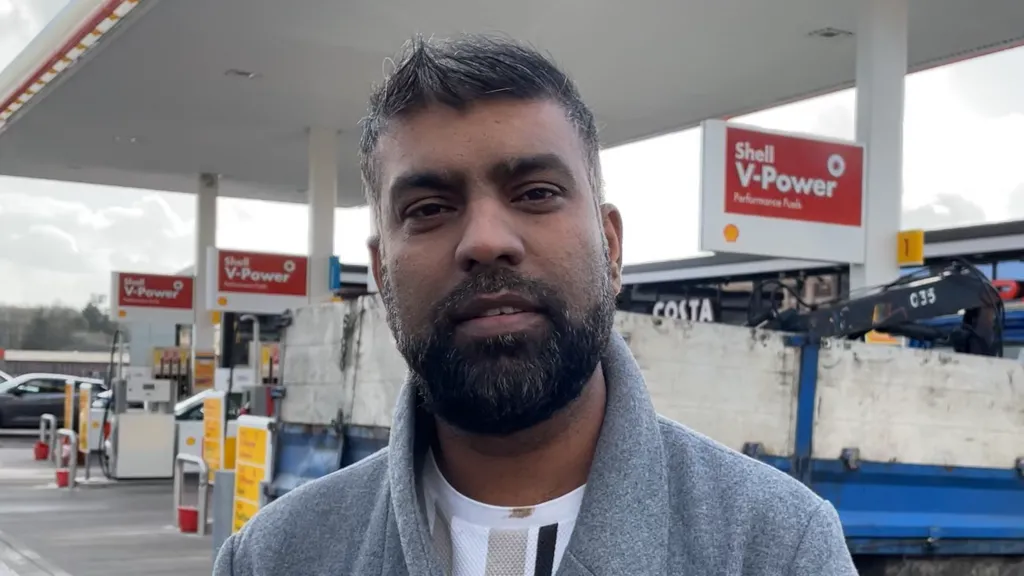
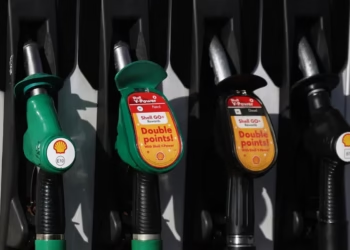
Rising fuel prices are hitting motorists across the UK, with drivers describing the impact of surging pump costs on household budgets, commuting choices and everyday travel decisions. The increase in retail petrol and diesel prices has been driven by global oil market volatility, partly linked to international conflict and supply pressures that have tightened margins for suppliers and consumers alike.

At service stations from Edinburgh to Plymouth, motorists voiced frustration over fuel prices climbing to levels not seen in recent years. For many drivers, the cost of filling a weekly petrol tank has risen sharply compared with last year, squeezing household budgets already contending with other everyday expenses. Some described having to cut back on non‑essential journeys and reconsider longer commutes in response to higher fuel bills.
“I used to do a lot of weekend trips to see family, but now I think twice before getting in the car,” said one commuter in the north of England. “It’s becoming expensive just to get to work, let alone plan any leisure travel.” Other drivers echoed similar sentiments, saying the rising cost of petrol had prompted them to look at alternative transport options, including public transport, car‑sharing and cycling where possible.
Industry analysts point to global market factors as key contributors to the situation, including supply constraints tied to geopolitical events and fluctuations in crude oil prices. Uncertainty in global energy markets has fed through to wholesale fuel costs, with forecourt prices reacting accordingly.
Transport groups have noted that communities in rural areas, where car travel is often essential, are particularly affected. With fewer public transport options available, residents in these regions say they feel the pinch most acutely and have little choice but to absorb the extra cost.
Some drivers have also criticised the timing of planned changes to fuel duty policy, arguing that any potential increases in tax on petrol and diesel should be reconsidered given the current climate of higher global energy costs. Others have welcomed government assurances that fuel duty decisions are being kept under review, with officials saying they are monitoring global conditions before implementing increases.
For haulage and delivery drivers, the price surge has implications beyond individual budgets. Higher fuel costs feed directly into operational expenses, which can translate into increased prices for goods and services — a knock‑on effect felt by consumers at the checkout as well as the petrol pump.
Economists say that while fuel price fluctuations are common, sustained high costs can influence economic behaviour, from reduced discretionary travel to increased interest in electric vehicles and other fuel‑efficient alternatives. Sales of hybrid and battery‑electric cars have shown signs of growth as some drivers seek longer‑term solutions to rising petrol and diesel prices.
Petrol stations themselves are seeing mixed effects. While higher prices increase revenue per litre sold, motorists purchasing less fuel and seeking out discount forecourts reflect changing consumer behaviour. Some drivers are using apps to compare prices across nearby stations in hopes of finding the cheapest available fuel.

Public opinion surveys indicate that fuel costs remain a top concern for drivers, with many highlighting affordability as a key issue. Campaign groups have called on policymakers to consider targeted support for those most affected, particularly lower‑income commuters and rural residents.
In the short term, drivers say adapting travel habits — from consolidating trips to using more fuel‑efficient vehicles — is likely to remain a priority. But without relief at the pump or broader shifts in global energy markets, high fuel costs are expected to continue shaping daily life for motorists across the UK.
Related News:
 Royal Mail Blames Poor Weather and Sickness for Delayed Deliveries
 Courier Firm Bust After 14 Years as Evri Deliveries Face ‘Temporary Disruption’
 Gender Pay Gap Won’t Close for Another 30 Years, Warns Union
 Popular UK Service Station Announces Closures Amid Another’s Liquidation
 Store at Famous Shopping Village to Close After 18 Years Due to Rising Costs
 Tesco Announces New Rule for Customer Parking Spaces – ‘We Need These Everywhere!’
 Fury as Jobless-Migrant Households Receive Benefits Worth £10bn – ‘We Need to End This’
 Why There’s No Quick Fix in Sight for the Problem of Dazzling Headlights
 Closing Factory Workers Paid to Help at Food Bank
 South East Water Faces £22m Fine for Supply Failures Affecting Hundreds of Thousands
 Residents Say Hostility and Car Damage Now Routine Amid Birmingham’s Parking Chaos
 Drivers Warned to Cut Journeys as Fuel Prices Surge
 Sarah Ferguson Loses Another £1.5m Amid Financial Struggles
 Travel Chaos on M8 and M74 Amid 70 mph Gales as Trains Also Cancelled
 How to Exit Your Broadband Contract Without Paying Exit Fees
 Chancellor Rachel Reeves Pushes for Sweeping Changes to Environmental Protections to Accelerate Development
 Inflation Latest: Cost of Living Expected to Rise Again in Key Figures Released Today
 Retail Sales See Uptick Amid Errors and Delays as ONS Faces Scrutiny
Shein UK Faces Allegations of Shifting Majority of Profits to Singapore to Reduce UK Tax
Retail Sales See Uptick Amid Errors and Delays as ONS Faces Scrutiny
Shein UK Faces Allegations of Shifting Majority of Profits to Singapore to Reduce UK Tax
 UK Retail Sales Rise in August, but Tax Concerns Loom Over Festive Period
 Jaguar Land Rover Extends Production Halt Following Cyber-Attack
 UK Labour Market Shows Signs of Cooling as Wage Growth Slows and Redundancies Rise
 British AI Startup Outshines Human Forecasters in Global Prediction Contest
 Great Britain’s Energy Operator Commits to Strengthening Grid to Prevent Blackouts
 UK Government Backs Return of International Rail Travel to Kent Stations
 Senior Tories Condemn Badenoch’s Vow to Repeal Climate Change Act as Catastrophic
 Wetherspoon vows to keep prices low amid soaring energy and tax costs
 UK House Price Growth Slows as Buyers Exercise Caution Ahead of Autumn Budget
 Kemi Badenoch Unveils ‘Golden Rule’ to Halve Spending Cuts for Deficit Reduction at Tory Conference
 New V-Level qualification to transform post-16 education
 Pizza Hut to shut 68 sites after collapsing into administration
 Real living wage set to rise nearly 7% for UK workers in 2026
 Reeves Faces Setback as Labour May Miss Homes Target
 Trump’s UK Ambassador Urges North Sea Drilling to Strengthen US Ties
M&S Profits More Than Halve After Cyber-Attack
Trump’s UK Ambassador Urges North Sea Drilling to Strengthen US Ties
M&S Profits More Than Halve After Cyber-Attack
 Tony Blair think tank warns Rachel Reeves must cut taxes if manifesto broken
 Millionaires group urge Reeves to introduce wealth tax to ‘lift kids out of poverty’
 Global markets drop amid tech sell-off and China slowdown
 Starmer Says Labour’s Economic Plan Needs Years to Deliver
 Virgin Media Fined £23.8m Over Telecare Safety Failures
 Rising Water Bills Lift Troubled Thames Back to Profit
 Historic £100-Weekly Pension Boost Brings Relief for UK Mineworkers
MPs warn AI financial risks threaten UK stability
Historic £100-Weekly Pension Boost Brings Relief for UK Mineworkers
MPs warn AI financial risks threaten UK stability
 Households in England Face Rising Water Bills in April
 UK New Car Discounts Near £6,000 as Prices Are Slashed
 Labour Utterly Humiliated by Straight-Talking Mum Who Cut Through Keir Starmer’s Insanity
 Pound Sinks and Borrowing Costs Rise as Starmer Fights for Job
 London Loses Its Grip on Ambitious Young Workers
 Major UK Clothing Firm Collapses into Administration — 109 Jobs at Risk
 Renters Furious as Decent Homes Standard Delayed Until 2035
 Could Manchester Lead the UK’s Economic Revival?
 The Victorian aristocrat who became Britain’s first Muslim lord
 Motorists Could Face ‘Mandatory’ Driving Ban for Road Offences Under Tougher Laws
 Disability and LGBT Hate Crimes Set to Become Aggravated Offences
 Snow and Rain Warnings as Cold Snap Continues in the UK
 Flooding May Worsen Before It Improves as More Rain Forecast for the UK
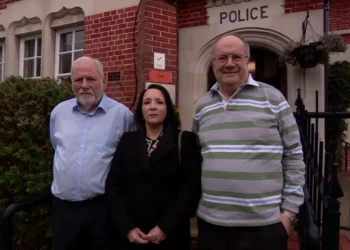 Last‑ditch Call to Save Police Front Counters in London
 Lloyds Boss Accepts Concern Over Use of Staff Data in Pay Talks
 Dad Found in Bed with Daughter 16 Years After Abandoning Her as a Child
 ‘Don’t Make Us Security Guards,’ Says Teacher Stabbed by Pupil
 UK Job Vacancies Hit Five-Year Pandemic Low
 US Will Not Back Out of Tariff Deals with UK and Others, Says Trump Trade Representative
Storm Hernando: Edinburgh Airport Flights Cancelled in US Travel Chaos
US Will Not Back Out of Tariff Deals with UK and Others, Says Trump Trade Representative
Storm Hernando: Edinburgh Airport Flights Cancelled in US Travel Chaos
 Luxury Airbnb Cabins With Hot Tubs Must Be Demolished After Planning Ruling
 UK Youth Unemployment Surges Amid Tax Changes
 Will the New SEND Reforms in England Work? You Have Your Say
 Strong Rebound for UK Housing Market Sees 6% More Homes
 BBC Edited a Second Racial Slur Out of BAFTA Ceremony
 Switching Energy Deal Can Save £200 as Price Cap Falls
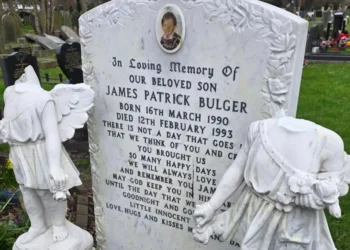 Grave of Murdered Toddler James Bulger Vandalised
 ‘I Almost Died After a Touch‑and‑Go C‑Section’
 Mayor Spends £20m to Encourage More Bus Trips
 Labour’s Employment Shake‑Up ‘Makes Britain Worse Than France’
 Calls Grow to Remove Billboard Following Lyra McKee Graffiti
 Woman, 29, ‘Chucked’ Into Care Home 100 Miles Away
 Labour Faces Backlash Over Conscription Warning
 Father Dies by Suicide Weeks After Wedding in Clitheroe
 Teen Wins Payout After TRNSMT Crush Horror
 Biker Suffers Fractured Spine After Hitting Pothole in Edinburgh
 UK Fuel Tax Hike Plan to Be Kept Under Review Over Iran Conflict