Published: 13 March 2026. The English Chronicle Desk. The English Chronicle Online.
The Tehran diary begins before dawn, when silence feels heavier than the distant sound of warplanes. It is five o’clock in the morning on Thursday, and exhaustion finally begins closing tired eyes. The previous day had been filled with anxiety, sirens, and the quiet dread spreading across Tehran. Just as sleep begins to arrive, a sudden phone call breaks the fragile moment of peace. The ringing feels wrong at that hour, sending a wave of fear through a restless mind.
In a city shaken by bombardment, calls at dawn rarely bring ordinary news anymore. They bring warnings, cries for help, or voices trembling with grief and loneliness. The phone is answered slowly, with fatigue and unease still hanging in the air. On the other end is a younger sister, sobbing so hard she struggles to speak. Her voice cracks through the line, and panic spreads instantly through the listener’s heart.
The sisters have not seen each other for many days during this terrifying period in Tehran. After a prison release weeks earlier, the younger sister travelled away to care for their mother. She returned briefly on her birthday, hoping to spend a quiet evening with family. But war arrived suddenly, leaving them separated again inside the same troubled capital. The Tehran diary captures this painful distance, felt across neighbourhoods shadowed by explosions and smoke.
Although younger, the sister accepted the heavy responsibility of protecting her nephew during dangerous days. She wanted her older sibling to remain somewhere hidden, avoiding another possible arrest during turmoil. Gratitude fills the heart when remembering her courage and sacrifice during uncertain weeks of violence. Yet the sobbing voice on the phone suggests something far worse has happened overnight.
For several seconds, words refuse to come, and fear grows heavier inside the quiet room. The caller finally manages to whisper the terrible news through broken breaths. Their neighbour had been caught in the blast wave from an explosion nearby. He died instantly, leaving behind a grieving family and two young children. The words echo painfully, leaving silence hanging heavily between the two sisters.
A thousand thoughts race through the mind while imagining the neighbour’s final moments. Perhaps he stood on his balcony smoking a cigarette during the early morning darkness. Maybe he stepped outside to watch drones crossing the sky above sleeping neighbourhoods. Many people have done the same recently, trying to understand where danger is moving next.
Some go outside simply to stare upward, searching for signs of hope in a restless sky. Others look upward because despair leaves little else to do during long nights of fear. The neighbour might have been thinking about finding petrol to escape the city with his children. Like countless families, he may have been searching for safety somewhere far from bombed streets.
The urge to scream grows suddenly stronger, though there is nowhere safe to release grief. A desert would offer space to shout and cry without frightening neighbours or relatives. Yet in Tehran today, tears often remain hidden, swallowed by exhaustion and constant survival worries. The Tehran diary reveals how suffering can become so familiar that even new tragedy struggles to shake the heart.
Sleep becomes impossible after hearing the devastating news during that silent early morning hour. Instead, the writer moves slowly toward a corner where a small gas burner waits. This improvised space has become a temporary kitchen during weeks of shortages and disruption. Coffee once brought comfort during difficult mornings, but now it has become painfully expensive.
Each cup must be carefully considered when money disappears as quickly as fuel and electricity. Cigarettes are equally expensive, yet they remain a stubborn companion through long anxious nights. One cigarette becomes two, then several more, each one filling the quiet room with bitter smoke.
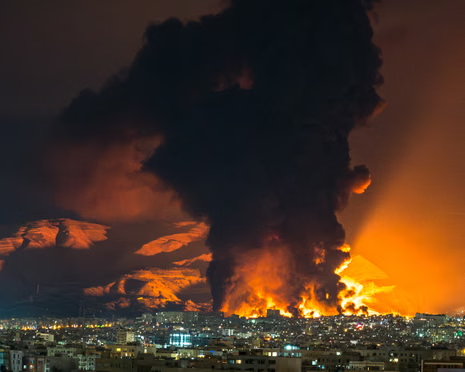
Ever since fuel depots were bombed days earlier, breathing has grown noticeably harder inside Tehran. The smoke drifting across districts leaves many residents coughing and struggling through burning lungs. An inhaler now hangs around the neck like a small lifeline against suffocating air. Each breath reminds residents how fragile daily life has become during relentless bombardment.
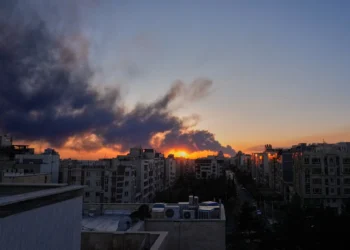
At half past six, another explosion tears across the morning sky with brutal force. Windows tremble slightly, and the ground vibrates beneath tired feet inside the apartment. People rush toward balconies and windows despite knowing the danger such curiosity brings. Smoke rises somewhere beyond the buildings, darkening the pale horizon over Tehran.
Soon after the blast, a strange sound begins echoing through nearby streets. Cars drive slowly past, carrying loudspeakers playing mourning songs and patriotic messages. Some drivers shout slogans calling citizens to stand united against foreign attacks. The voices repeat the same phrase again and again through crackling megaphones.
“People, we are all together, compatriots,” they shout while driving through dusty morning streets. Yet the words feel hollow to many who remember years of political tension and suffering. Some residents believe misguided decisions helped lead the country toward this devastating conflict. The Tehran diary reflects this frustration, whispered quietly behind closed doors across the capital.
For years, activists and ordinary citizens tried to prevent the country reaching such painful days. Many protested peacefully, demanding reform and accountability during difficult political periods. Some were imprisoned, tortured, or executed during those struggles for change and freedom. Those memories now mingle painfully with the present reality of airstrikes and destruction.
Thoughts drift briefly toward international leaders whose decisions shaped the escalating crisis. Among them is Donald Trump, whose policies and timing remain fiercely debated across the region. Some believe earlier diplomatic intervention might have prevented thousands of lives being lost. Others argue the conflict had already grown too complex for easy solutions.
Regardless of those arguments, the destruction unfolding today feels heartbreakingly real and immediate. Entire neighbourhoods now live with uncertainty about whether their homes will survive tomorrow morning. Families wonder daily whether they should remain or attempt dangerous journeys toward safer regions.
Amid these fears, small acts of compassion still quietly continue throughout Tehran’s wounded communities. The writer prepares a few packets of lentils to send to a struggling woman nearby. Her husband remains in prison, leaving her alone to care for a small child. Food has become precious in recent weeks as supply routes face constant disruption.
Alongside the lentils, a single banknote is placed carefully inside a worn envelope. It represents the final cash remaining inside the apartment after days of shortages. Banks have limited withdrawals, and cash machines often stand empty across the city. Nobody knows when normal financial life might return after the conflict ends.
Still, people continue helping neighbours whenever possible, even during severe hardship. These quiet gestures offer small reminders that humanity survives despite the violence surrounding them. The Tehran diary captures such fragile hope amid destruction, showing resilience still flickering within exhausted hearts.
By eight o’clock, morning traffic slowly returns to familiar streets across the capital. Shops open cautiously, and pedestrians move carefully past damaged buildings and shattered glass. Life resumes because survival demands routine even when fear remains close.
Among the crowds stand day labourers who gather every morning hoping someone might offer work. Many wait silently for hours despite knowing opportunities have nearly vanished during wartime uncertainty. Their tired faces reveal deep worry about feeding families during the difficult weeks ahead.
Yet they return every morning because hope, however fragile, remains part of human nature. Even in cities shaken by bombs, people search stubbornly for ways to continue living. Parents buy bread, children walk carefully to school, and shopkeepers unlock doors once again.
The streets of Tehran therefore carry two realities at once during these troubling days. One reality holds grief, smoke, and anxiety spreading through neighbourhoods after each explosion. The other holds resilience, community kindness, and determination quietly resisting despair.
As the sun rises fully above the city skyline, the capital seems strangely ordinary again. Cars honk impatiently, shop shutters rattle upward, and conversations return to street corners. Yet beneath that familiar rhythm lies a darker feeling shaping every decision and movement.
For the writer observing these scenes, life continues but feels unmistakably darker and more bitter. Every sound in the sky brings tension, and every phone call raises sudden alarm. Still, another page of this Tehran diary closes with the same quiet truth.
Life in Tehran continues, even while the shadow of war lingers above every street.
Related News:
 The diet that can significantly ease symptoms of IBS
 Europe, North America face early wave of bird flu
 Tick Bite Tragedy Claims Teen in Meat Allergy Case
 Hospital Fungal Outbreak Sparks Major Cover-Up Claims
 Middle East Flights Halted After Iran Strikes
 US Iran Operation: Sixth Service Member Killed
 Hezbollah Anger Erupts as War Returns to Beirut
 Riyadh Drone Attack Escalates Regional War
 Middle East attacks intensify as Trump rejects Iran talks
 Iran-Iraq border airstrikes spark new tensions
 Iran-Iraq Border Strikes Spark New Front Fears
 Iran-Backed Militias Escalate Attacks Across Middle East
 UK Prepares Aircraft Carrier for Middle East Crisis
 Mojtaba Khamenei Chosen as Iran’s New Supreme Leader
 Tehran Oil Depot Strikes Darken City With Toxic Smoke
 Seventh US Service Member Killed in Iran Conflict Identified
 Mojtaba Khamenei Supporters Rally as Iranians Fear Repression
 Tehran Strikes Mark War’s Most Devastating Night
 Iran Defiance Grows Amid US-Israel War Pressure
 Hormuz Crisis Sparks Global Oil Market Fears
 Iranian Exile Factions Seek US Backing for Iran’s Future
 Injured Mojtaba Khamenei Elevated as Iran Leader
 US Missile Strike on Iran School Sparks Global Shock
 Iran Gulf attacks escalate as ships and airports targeted
 Ancient Heritage Sites Damaged in Recent Airstrikes
 British Tourist Charged Over Dubai Missile Strike Video
 Canada Plasma Deaths Raise Safety Concerns After Two Donors Die
 Trump Iran War Stance Hardens as Conflict Widens
 Gulf Tensions Rise as Iran Alleges Covert Support
 Kabul hospital strike sparks deadly blame row
 Iran Threatens Total Destruction of Mideast Energy Grid
 Ghalibaf Iran: Survivor Emerges in Shifting Power Game
 Gulf Distrust Grows Over Rumoured US-Iran Peace Talks
 WHO Warns of Health Crisis Unfolding in Middle East
 Saudi Arabia Urging US to Keep Up Iran Attacks
 Iranian President’s Son Shares Wartime Hopes and Fears
 Iran Warns of US Ground Assault Amid Rising War Tension
 MAGA Anxiety and the Iran War: A Movement Divided at CPAC
 Trump Threatens Iran With Total Infrastructure Destruction
 Iran Drone Strike Hits Kuwaiti Oil Tanker in Dubai Port
 Albanese to Address Nation as War Sparks Economic Crisis
 Death, displacement and military duties: children plunged into crisis
 Middle East Analysis: The Cost of a Fragile Peace
 Lebanon Must Join Ceasefire to Prevent Escalation, Says Cooper
 Israel Launches Massive Airstrikes Across Lebanon
 Netanyahu Vows Continued Lebanon Strikes Amid Peace Talks
 Iran Crisis Tests Trump’s Global Leadership
 US and Iran Pursue Extension of Ceasefire via Pakistan
 Uncertain Peace: Tehran Residents Face a Ruined Capital
 “I was fighting two wars”: Ukraine soldiers’ addiction crisis
 Aid Crisis Grows as Hormuz War Disrupts Supply
 Trump likens US Navy actions to ‘pirates’
 Global order shifts amid Trump-era turmoil
 Giuliani hospitalised in critical condition
 Middle East Crisis Escalates as Oil Routes Shake Markets
 Hantavirus Cruise: Britons Face 45-Day Isolation Order
 Tensions Emerge in Netanyahu-Trump Alliance
 Bad Weather Threatens Hantavirus Cruise Ship Evacuation
 Crisis in the Canary Islands as Cruise Ship Evacuated
 Netanyahu Calls Early Election Amid Coalition Turmoil
 Tensions Flare as Israeli Nationalists March in Jerusalem
 Gulf Crisis Deepens After Drone Attack Near Nuclear Facility
 WHO Declares Ebola Outbreak a Global Emergency
 Deadly Ebola Outbreak Surges as Western Aid Vanishes
 Israeli Strikes in Lebanon Kill 10 Amid Ceasefire Strain
 Ebola outbreak in DRC overwhelms health system as cases surge
 Pope Meets Families in Italy Toxic Waste Zone
 Hunger increasingly weaponised in global conflicts
 Former ICC prosecutor condemns US sanctions
 Trump Claims Iran Peace Deal Near Completion
 US Strikes Iranian Sites Amid Shaky Ceasefire Talks
 Israel Intensifies Lebanon Strikes to Crush Hezbollah
 Trump’s Iran Deal Plan Sparks Intense Alarm Across Israel
 US and Iran Trade Fresh Strikes, Threatening Ceasefire
 Trump Confronts Netanyahu in Explosive Beirut Phone Call
 Iran To Propose New Shipping Fees In Strait Of Hormuz
 High Drama in Tehran Over Secret Nuclear Letters
 Unflinching Witness: Doctors Document Gaza’s Medical Crisis
 Mystery Grows Over Mitch McConnell’s Health
 Houthis Strike Saudi Arabia as Middle East Tensions Rise