Published: 13 March 2026. The English Chronicle Desk. The English Chronicle Online.
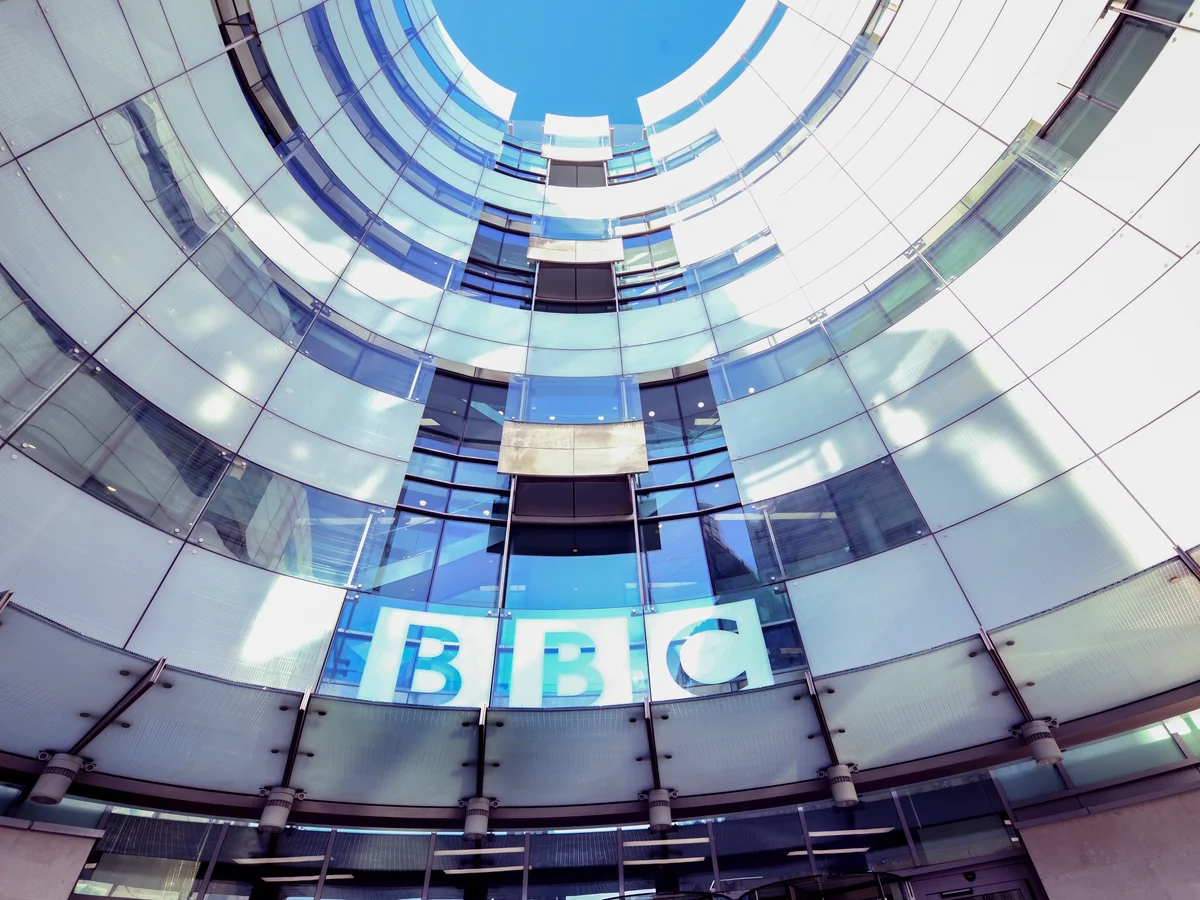
The British government faces urgent warnings regarding the future of the BBC World Service today. Members of Parliament expressed deep concern over the impact of a stagnant funding settlement. The cross-party Public Accounts Committee recently released a report detailing the potential for international instability. They argue that a funding freeze effectively opens the door to propaganda from hostile nations. This warning comes at a critical time for the United Kingdom’s global soft power influence. National security experts suggest that a weakened media presence invites misinformation from foreign state actors.
The BBC World Service remains a primary source of news for millions of people globally. Its reputation for accuracy and impartiality provides a significant advantage for British interests abroad. However, the committee notes that this reputation is currently under threat from financial constraints. The current funding deal is set to expire in just a few weeks from now. Ministers have not yet provided a clear roadmap for the long-term financial security of the service. This uncertainty creates a vacuum that other nations are very eager to fill immediately.
Recent data shows that Russian and Chinese state media are expanding their global reach significantly. These nations invest billions of pounds annually into their international broadcasting and digital platforms. Their spending dwarfs the current budget allocated to the British Broadcasting Corporation’s international arm. The committee highlighted that these hostile states are winning the battle for digital hearts and minds. Trust in Chinese state broadcasters has seen a notable increase over the last four years. Russian media outlets have also experienced a similar rise in their perceived international credibility.

In contrast, the BBC World Service has seen its budget fall in real terms recently. Rising inflation and a shrinking licence fee have eroded the corporation’s ability to compete globally. The committee found that the budget has decreased by twenty-one percent over four years. This financial retreat occurs while global competitors are aggressively ramping up their media production. MPs describe the service as a jewel in the crown of British soft power. They fear that shortsighted decisions will lead to a permanent decline in British influence.
The BBC World Service currently broadcasts in forty-three different languages to a massive global audience. It reaches over three hundred million people every week through radio and digital channels. Maintaining this reach requires consistent investment in technology and high-quality investigative journalism every year. The committee warned that the BBC cannot easily prove its current value for money. Poorly evidenced decisions have led to a lack of clarity regarding strategic goals and outcomes. This lack of transparency undermines the case for increased taxpayer support in the future.
Digital audiences for the service have also fallen by eleven percent in recent years. This decline is particularly worrying as more people consume news through mobile and social platforms. The shift toward digital media requires a flexible and well-funded approach to content creation. Without adequate resources, the BBC struggles to maintain its historical dominance in the news market. The Public Accounts Committee insists that the government must be clear-eyed about these harsh realities. They believe that a diminishing audience directly benefits those who wish to spread misinformation.
The BBC spokesperson welcomed the findings of the report and called for secure funding. They suggested that the government should take back full financial responsibility for the service. Currently, the funding is split between the licence fee and a Foreign Office grant. This hybrid model has become increasingly difficult to sustain as domestic licence fee revenue falls. The corporation is now calling for a more stable arrangement as part of its charter. They aim to strengthen governance and provide better documentation of their global impact.
Geoffrey Clifton-Brown, the chair of the committee, spoke passionately about the risks of withdrawal. He stated that the prominence of the service is being diminished by poor governance. He urged the government to think seriously about bolstering influence rather than cutting back. Allowing the reach of the service to wither by degrees is a strategic mistake. The void left by the BBC will inevitably be filled by state-backed propaganda. This shift could have long-term consequences for international diplomacy and global security.

The debate over the BBC World Service is not just about media and broadcasting. It is a fundamental question about the role of the United Kingdom on the stage. Soft power relies on the ability to project values and truth to a global audience. When a trusted voice is silenced, the truth often becomes much harder to find. The MPs believe that the government must act now to protect this vital national asset. Failure to do so would be a gift to those who oppose democratic values.
As the next funding agreement approaches, all eyes are on the Treasury and ministers. The decision made next week will determine the trajectory of British broadcasting for years. If the freeze remains, the BBC will have to make even more difficult cuts. These cuts could include closing language services or reducing original reporting in key regions. Such actions would further isolate the UK from important global conversations and emerging markets. The committee remains hopeful that the government will recognise the strategic value of the service.
The English Chronicle will continue to monitor the negotiations between the BBC and the government. Our reporters are dedicated to providing the latest updates on this developing national story. We understand the importance of a free and well-funded press in a modern world. The outcome of this funding battle will resonate far beyond the borders of London. It is a matter of national pride and international security for the British people. Stay tuned for further analysis and expert commentary on the future of global news.
Related News:
 British Woman in Iran ‘Losing Hope’ Amid Ongoing Detention
 BBC Journalist Held and Interrogated in Vietnam
 Green Party Surges Past Labour in Latest UK Poll
 Celebrities and Charities Demand UK Government Act on Child Poverty
 Trump’s UK Ambassador Urges North Sea Drilling to Strengthen US Ties
 FBI Director Kash Patel Defends Girlfriend Amid Government Jet Claims
 French Taxi Driver Cleared in David Lammy Theft Case After Fare Dispute
 ‘Reckless’ cuts to victims’ services will cost more than they save
 Millionaires group urge Reeves to introduce wealth tax to ‘lift kids out of poverty’
 Starmer Faces Growing Dissent as Labour MPs Weigh Leadership Challenge
 Reeves rejects £1bn plea for NHS redundancy payouts
 Politics latest: Starmer ‘will fight any leadership coup’ as Streeting denies attempt to oust Labour PM
 PM Condemns Leaks, Vows Loyalty to Ministers and Stability
 Major Rent Reform Ends No-Fault Evictions in England
 Peers Flood Assisted Dying Bill with 942 Amendments
 England’s Special Needs Support Faces Breaking Point
 MoD warned over Excel risks before Afghan data breach
 Labour Faces Historic Decline in Wales
 PM Highlights UK Business at G20 in South Africa
 Kate Forbes: Motherhood Harder Than Politics
 Most Tories Expect to Support a Farage-Led Government
 Labour MP claims devolution bill is ‘blatant discrimination’ against Cornwall
 Millions Face Higher Taxes Under Reeves New Budget
 Peers Get Extra Time to Debate Assisted Dying Bill
 Starmer Says Labour’s Economic Plan Needs Years to Deliver
 Culture secretary to review Telegraph takeover by Daily Mail owner
 Plans to Limit Jury Trials Face Retreat After Mounting Opposition
 Right Must Unite After Jenrick Defection, Urges Rees-Mogg
 UK Ministers Drop Foreign Student Targets for Global Education Push
 MPs warn AI financial risks threaten UK stability
 MPs warn AI financial risks threaten UK stability
 No Gas Boiler Ban as UK Warm Homes Plan Backs Heat Pumps
 Hugh Grant Joins Call for Under-16 Social Media Ban in UK
 Shinzo Abe’s killer receives life sentence in Japan
 Lords Vote Piles Pressure on Starmer Over Social Media Ban
 Reform UK Health Plan ‘Would Cost £1.7bn’, Streeting Says
 Police response times face strict new national limits
 Labour policing overhaul sparks fears over growing central control
 Tories criticised after Braverman defection sparks mental health row
 Burnham Westminster return hopes fade amid Labour rift
 Starmer warns of toxic division politics in Reform challenge
 Starmer China visit raises human rights pressure on Beijing
 Labour Must Revive High Streets to Avoid Election Collapse
 Calls Grow for King Charles to Apologise for Crown’s Role in Slavery
 Palantir contracts face UK halt calls over transparency
 Labour Thinktank Row Deepens Over Journalist Probe Claims
 Sarwar call shakes Labour as No 10 calms fears
 Labour Lord Doyle Apologises Over Paedophile Ties in Political Storm
 Cabinet Secretary Shake-Up Triggers Due Diligence Warning
 Starmer Faces Inquiry Calls Over Thinktank Probe
 Royal Mail Delivery Crisis Deepens Amid Weather Chaos
 Labour Together probe scandal sparks fresh Cabinet Office investigation
 Farage to Name Jenrick as Reform Chancellor Pick
 Farage Unveils Reform UK Frontbench Team
 NHS Negligence Ruling Raises Payout Costs
 Civil Service Pay: Union Urges Ministers to End ‘Barking Mad’ Limits
 Antonia Romeo appointment sparks criticism
 Trump and Chagos Deal Rift Over Iran Strikes
 Andrew Mountbatten-Windsor Arrest After FBI Radar
 Farage Chagos Islands Row Sparks Fury
 Trump Tariffs Threat Spark UK and EU Alarm
 Gasfield Deal Sparks Debate Over Fracking in Lincolnshire
 Reform UK targets workers’ rights repeal
 Mandelson Denounces Arrest Over ‘Baseless’ Fleeing Claims
 Russian Trade Routed Through British Islands Exposed
 Mandelson Arrest: Met Apologises to Hoyle
 Palestine Action ban appeal moves forward
 Reeves Must Back Defence Plan or Face Dismissal, Says Unite Chief
 NHS Maternity Units Cover Up Harmful Childbirth Errors
 Green Party Stuns Labour in Gorton and Denton Byelection
 Refugee Status Overhaul Sparks UK Debate
 Trump Rebukes Starmer Over Iran Strikes Row
 BBC Charter Reform Sparks Independence Battle
 Asylum Seekers to Work After Year-Long Wait
 Thousands Protest Iran Strikes Outside US Embassy London
 US Bombers Arrive at RAF Base Amid Rising Iran Tensions
 UK Prepares Aircraft Carrier for Middle East Crisis
 UK Oil and Gas Supplies Reassured Amid Middle East Concerns
 Proposed Law Leaves Gap for Children of Convicted Paedophiles
 Ministers Urged to Act Faster on Deepfakes Threat