Published: 13 March 2026. The English Chronicle Desk. The English Chronicle Online.
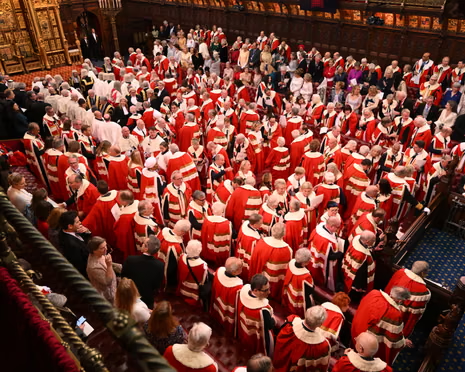
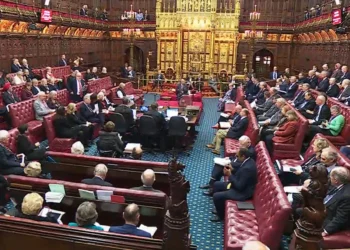
The British political landscape shifted significantly this week following a historic vote on Tuesday night. This momentous decision signals the beginning of the end for hereditary peers within the House of Lords. The journey to this point was marked by intense debate and fierce political opposition from many. Conservative figures fought with great determination to preserve a system that many now view as outdated. Labour advocates have highlighted the tactics used by opponents to maintain their traditional grip on power. The public has shown strong support for creating a more modern and democratically elected chamber. Recent surveys indicate that sixty-six percent of voters prefer a reformed and accountable second house.
The government faced significant hurdles while attempting to fulfill its clear and specific manifesto pledges. Conservative peers reportedly ignored established constitutional norms to protect their longstanding and privileged positions in Parliament. They effectively disregarded the Salisbury convention which usually ensures that manifesto promises pass without major delays. This convention typically requires the House of Lords to respect the will of the voting public. Instead of following this tradition some members chose to actively obstruct the progress of the bill. This behavior has raised serious questions about the future stability of our unwritten British constitution. Observers have noted that those meant to protect the system were the ones undermining it.

The final debates in the House of Lords were filled with moments of peak absurdity. Lord Hamilton spoke with surprising honesty about his own status as a typical political chancer. He suggested that removing hereditary members would leave the chamber filled with donors and bureaucrats. Lord Moore offered a unique perspective by claiming that a lack of legitimacy was beneficial. He argued that members behave better when they are uncertain about their right to be there. The Earl of Devon even raised concerns about potential discrimination under standard UK employment laws. He pointed out the lack of diversity among the peers who are currently facing removal. His comments regarding his crusader ancestry added a surreal layer to the recent parliamentary discussions.
The departure of these peers has been anything but graceful according to many political analysts. Lord True allegedly used aggressive tactics to threaten the progress of essential and vital government business. He warned that a purge of hereditaries would result in severe procedural delays for legislation. These threats included the use of wrecking amendments and the strategy known as parliamentary ping-pong. This involves bouncing bills back and forth to prevent them from becoming actual enforceable law. A compromise was eventually reached to allow fifteen hereditary peers to remain as life peers. This deal was made to ensure that other important legislative work could finally move forward.
The impact of these delays is visible in the struggle over the assisted dying bill. A small group of peers has successfully blocked this legislation despite significant public support. Three-quarters of the British public reportedly favor the passing of this specific and sensitive bill. However a handful of determined individuals are using filibustering techniques to prevent a final vote. They have introduced over one thousand identical amendments to slow down the entire democratic process. The House of Lords currently lacks the strict time limits that govern the House of Commons. This allows a minority to exert an influence that outweighs their actual democratic mandate.
The government also faced challenges regarding the implementation of new and improved employment rights. The Conservative-led upper house forced a watering down of these key pledges from the manifesto. Ministers warned that refusing to compromise would lead to a year of total parliamentary limbo. While the Parliament Act could be used it remains a drastic and very rare measure. Using such power sets a precedent that some fear could be abused by future governments. The current membership of the House of Lords stands at a staggering eight hundred members. Efforts to reduce this number include removing those who rarely attend any scheduled sessions.
There are also active discussions about introducing a mandatory retirement age of eighty for all. This proposal is controversial as it would remove some of the most experienced political voices. Figures like Alf Dubs and Michael Heseltine provide immense value despite their many years of service. A better solution might involve giving political parties a fair quota for their appointments. This would allow each party to select the individuals they deem most useful for debate. Even with fewer hereditary peers many believe the chamber remains full of strange historical relics. The presence of twenty-three bishops continues to be a point of contention for many.
Many citizens feel that these ancient traditions contribute to a growing mistrust of Westminster. The spectacle of the House of Lords is often seen as a barrier to change. Critics argue that the spirit of sovereignty tied to these traditions influenced the Brexit outcome. There is a sense that the foundations of the upper house are inherently flawed. Peerages are often linked to significant financial donations made to major UK political parties. Research by Transparency International suggests that millions of pounds have been used to buy access. This system creates a perception of corruption that is difficult for the public to ignore.
 Current legislation has been criticized for failing to cap these large and influential political donations. There are concerns about wealthy individuals using their vast resources to influence British domestic policy. Without reform the link between wealth and political power will likely continue to strengthen. Since 1911 various attempts to reform the second chamber have failed due to conflicting ideas. Some fear that a fully elected house would lead to constant deadlock like in America. However many European nations successfully operate with different types of elected second chambers today. The British people are capable of designing a senate that fits our unique needs.
The Electoral Reform Society has already proposed several viable alternatives for a new upper house. There is also strong public backing for the introduction of a proportional representation system. Such a change could help fix what many describe as a dangerously dysfunctional electoral setup. This government has a rare majority that could be used to leave a radical legacy. However rumors suggest that the leadership may be retreating from these ambitious reform plans. The exhausting effort required to remove hereditary peers seems to have dampened the initial enthusiasm. If reform stalls it will be a victory for those who believe in birthright.
The quest for Lords reform must continue if the UK wants a modern democracy. Maintaining a system based on patronage and inheritance is becoming increasingly difficult to justify today. The public expects a government that is accountable and truly representative of the whole nation. Removing the final vestiges of the hereditary system is only the first small step. A comprehensive review of how we make laws is necessary for long-term political health. Without further action the House of Lords will remain a symbol of the past. The time for meaningful and lasting constitutional change has surely arrived for the United Kingdom.
Related News:
 British Woman in Iran ‘Losing Hope’ Amid Ongoing Detention
 BBC Journalist Held and Interrogated in Vietnam
 Green Party Surges Past Labour in Latest UK Poll
 Celebrities and Charities Demand UK Government Act on Child Poverty
 Trump’s UK Ambassador Urges North Sea Drilling to Strengthen US Ties
 FBI Director Kash Patel Defends Girlfriend Amid Government Jet Claims
 French Taxi Driver Cleared in David Lammy Theft Case After Fare Dispute
 ‘Reckless’ cuts to victims’ services will cost more than they save
 Millionaires group urge Reeves to introduce wealth tax to ‘lift kids out of poverty’
 Starmer Faces Growing Dissent as Labour MPs Weigh Leadership Challenge
 Reeves rejects £1bn plea for NHS redundancy payouts
 Politics latest: Starmer ‘will fight any leadership coup’ as Streeting denies attempt to oust Labour PM
 PM Condemns Leaks, Vows Loyalty to Ministers and Stability
 Major Rent Reform Ends No-Fault Evictions in England
 Peers Flood Assisted Dying Bill with 942 Amendments
 England’s Special Needs Support Faces Breaking Point
 MoD warned over Excel risks before Afghan data breach
 Labour Faces Historic Decline in Wales
 PM Highlights UK Business at G20 in South Africa
 Kate Forbes: Motherhood Harder Than Politics
 Most Tories Expect to Support a Farage-Led Government
 Labour MP claims devolution bill is ‘blatant discrimination’ against Cornwall
 Millions Face Higher Taxes Under Reeves New Budget
 Peers Get Extra Time to Debate Assisted Dying Bill
 Starmer Says Labour’s Economic Plan Needs Years to Deliver
 Culture secretary to review Telegraph takeover by Daily Mail owner
 Plans to Limit Jury Trials Face Retreat After Mounting Opposition
 Right Must Unite After Jenrick Defection, Urges Rees-Mogg
 UK Ministers Drop Foreign Student Targets for Global Education Push
 MPs warn AI financial risks threaten UK stability
 MPs warn AI financial risks threaten UK stability
 No Gas Boiler Ban as UK Warm Homes Plan Backs Heat Pumps
 Hugh Grant Joins Call for Under-16 Social Media Ban in UK
 Shinzo Abe’s killer receives life sentence in Japan
 Lords Vote Piles Pressure on Starmer Over Social Media Ban
 Reform UK Health Plan ‘Would Cost £1.7bn’, Streeting Says
 Police response times face strict new national limits
 Labour policing overhaul sparks fears over growing central control
 Tories criticised after Braverman defection sparks mental health row
 Burnham Westminster return hopes fade amid Labour rift
 Starmer warns of toxic division politics in Reform challenge
 Starmer China visit raises human rights pressure on Beijing
 Labour Must Revive High Streets to Avoid Election Collapse
 Calls Grow for King Charles to Apologise for Crown’s Role in Slavery
 Palantir contracts face UK halt calls over transparency
 Labour Thinktank Row Deepens Over Journalist Probe Claims
 Sarwar call shakes Labour as No 10 calms fears
 Labour Lord Doyle Apologises Over Paedophile Ties in Political Storm
 Cabinet Secretary Shake-Up Triggers Due Diligence Warning
 Starmer Faces Inquiry Calls Over Thinktank Probe
 Royal Mail Delivery Crisis Deepens Amid Weather Chaos
 Labour Together probe scandal sparks fresh Cabinet Office investigation
 Farage to Name Jenrick as Reform Chancellor Pick
 Farage Unveils Reform UK Frontbench Team
 NHS Negligence Ruling Raises Payout Costs
 Civil Service Pay: Union Urges Ministers to End ‘Barking Mad’ Limits
 Antonia Romeo appointment sparks criticism
 Trump and Chagos Deal Rift Over Iran Strikes
 Andrew Mountbatten-Windsor Arrest After FBI Radar
 Farage Chagos Islands Row Sparks Fury
 Trump Tariffs Threat Spark UK and EU Alarm
 Gasfield Deal Sparks Debate Over Fracking in Lincolnshire
 Reform UK targets workers’ rights repeal
 Mandelson Denounces Arrest Over ‘Baseless’ Fleeing Claims
 Russian Trade Routed Through British Islands Exposed
 Mandelson Arrest: Met Apologises to Hoyle
 Palestine Action ban appeal moves forward
 Reeves Must Back Defence Plan or Face Dismissal, Says Unite Chief
 NHS Maternity Units Cover Up Harmful Childbirth Errors
 Green Party Stuns Labour in Gorton and Denton Byelection
 Refugee Status Overhaul Sparks UK Debate
 Trump Rebukes Starmer Over Iran Strikes Row
 BBC Charter Reform Sparks Independence Battle
 Asylum Seekers to Work After Year-Long Wait
 Thousands Protest Iran Strikes Outside US Embassy London
 US Bombers Arrive at RAF Base Amid Rising Iran Tensions
 UK Prepares Aircraft Carrier for Middle East Crisis
 UK Oil and Gas Supplies Reassured Amid Middle East Concerns
 Proposed Law Leaves Gap for Children of Convicted Paedophiles
 Ministers Urged to Act Faster on Deepfakes Threat