Published: 14 March 2026. The English Chronicle Desk. The English Chronicle Online
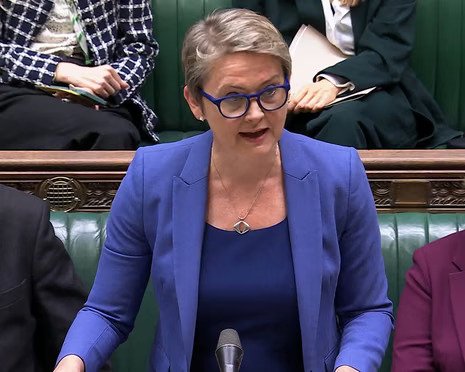
Foreign Secretary Yvette Cooper has emphasised that the United Kingdom’s foreign policy should be guided by its own principles and interests, not by what allies like the United States do or say. In an in-depth interview at the Foreign Office, Cooper reflected on her role during an especially turbulent period of international crises, including the ongoing Middle East conflict and heightened tensions with Iran.
The UK’s recent approach has been tested by the joint US-Israeli strikes on Iranian targets, which have sparked widespread regional instability. Cooper described efforts to engage with Gulf allies, coordinate the evacuation of British nationals, and navigate the delicate diplomatic landscape, while maintaining a focus on de-escalation. She stressed that while the UK monitors threats and stands ready to defend its interests, it will prioritise negotiation and the rules-based international order over immediate military engagement.

Cooper also spoke candidly about the challenges of balancing UK values with strategic alliances. She highlighted that Prime Minister Keir Starmer’s decision to refrain from allowing US forces to launch initial strikes from British bases was guided by legal principles and a commitment to international law, rather than acquiescence to American demands. “Our partnerships and alliances are important,” she said, “but also important is following the UK principles and interests.”
The foreign secretary reflected on the broader humanitarian crises shaping her priorities, from the civil war in Sudan to Russia’s ongoing conflict in Ukraine. She stressed the importance of accountability for war crimes and atrocities, underscoring that the UK supports evidence-gathering in both regions.
On the domestic front, Cooper addressed her previous tenure as home secretary and her controversial decision to proscribe Palestine Action, a group that disrupted arms industry operations in protest of the conflict in Gaza. She defended the decision as based on advice regarding public safety and security, acknowledging the complexity and difficulty of such judgments.
Cooper’s tenure has also involved managing personnel and political turbulence, including the firing of Peter Mandelson as UK ambassador to the US, which she described as a necessary action despite its high-profile fallout. She reflected on Westminster’s historic “boys’ club” culture and her ongoing efforts to advance women’s leadership and address violence against women and girls, both in domestic policy and through her international engagements.

Despite the pressures of office, Cooper revealed personal glimpses of her life, balancing her family with a demanding political career. She discussed the logistical challenges of travel, parenting, and maintaining a sense of normalcy amid global crises. Yet, she also displayed a commitment to duty, emphasizing that foreign policy decisions, particularly in matters of conflict and security, must align with UK law, values, and long-term interests rather than reacting purely to external pressures.
As the Middle East crisis evolves, Cooper reiterated the UK’s focus on diplomacy, de-escalation, and adherence to international law, while remaining prepared to defend British citizens and interests. Her interview underscored the delicate balance of principle, pragmatism, and personal conviction that defines the modern role of the UK foreign secretary.
Related News:
 Former Diplomats Urge UK and France to Act on Palestine
 British Woman in Iran ‘Losing Hope’ Amid Ongoing Detention
 BBC Journalist Held and Interrogated in Vietnam
 Zohran Mamdani becomes New York City’s first Muslim mayor
Zohran Mamdani names all-female transition team for NYC mayoralty
Zohran Mamdani becomes New York City’s first Muslim mayor
Zohran Mamdani names all-female transition team for NYC mayoralty
 Second world war veterans honoured as King leads Remembrance Sunday
 BBC director-general and news chief resign amid bias row
 Rama Rebukes Mahmood for Targeting Albanian Families
 Russian Vessel Used Lasers on RAF Pilots, UK Claims
 Ireland Boosts Ukraine Aid as Zelensky Visits Dublin
 Shock US Raid: Maduro Pleads Not Guilty in Manhattan Court
 Machado Trump medal gesture reshapes Venezuela power struggle
 Trump Receives Machado’s Nobel Medal in White House Meeting
 Iran unrest slows under brutal crackdown and global tensions
 US Considers Asylum for British Jews Amid Rising Antisemitism
 UK Presses On With Chagos Handover Despite Trump Criticism
 Shinzo Abe’s killer receives life sentence in Japan
 US Africa aid remarks spark anger after leaked State email
 Russia Strikes Kyiv and Kharkiv as Peace Talks Enter Day Two
 Starmer China visit raises human rights pressure on Beijing
 UK and EU Signal Fresh Push for Defence Cooperation Talks
 Emails Show Epstein Funded Mandelson’s Husband After Jail
 Thousands Protest ICE Operations in Nationwide US Day of Action
 Epstein Files Reveal Trump Officials’ Emails with Financier
 Thousands Protest ICE in New York Against Trump Deportation Campaign
 Cory Bernardi joins One Nation for SA election
 Starmer Condemns ‘Depraved’ Russian Strikes on Ukraine
 Sydney Protest Pepper Spray Clash During Herzog Visit
 Trump Warns Over Chagos Islands Deal
 Trump and Chagos Deal Rift Over Iran Strikes
 Andrew Mountbatten-Windsor Arrest After FBI Radar
 Farage Chagos Islands Row Sparks Fury
 Trump Tariffs Threat Spark UK and EU Alarm
 UK Allows US Base Use Amid Iran Tensions
 Trump Rebukes Starmer Over Iran Strikes Row
 UK Prepares Aircraft Carrier for Middle East Crisis
 HMS Dragon to Head to Cyprus Amid Rising Tensions
 Gordon Brown urges court for crimes against children
 Starmer Praised for Stance on Trump and Iran Conflict
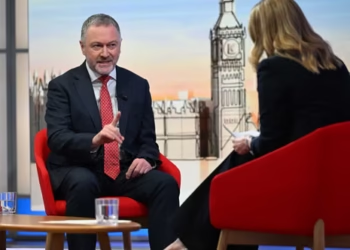 UK Minister Denies Iran Missile Threat to Britain
 Army Probes Apache Flyover at Kid Rock’s Nashville Estate
 Trump Mocks Starmer and UK Carriers in White House Speech
 Relationship with Trump may be beyond repair, Starmer warned
 Charles Faces Trump Test in High-Stakes US Visit
 Aukus Submarine Plan Faces Critical Failures
 US Calls Australia Media Law “Foreign Extortion”
 Oil Prices Surge Above $120 Amid Iran Blockade Fears
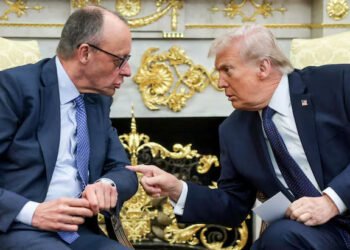 Trump orders US troop pullout from Germany
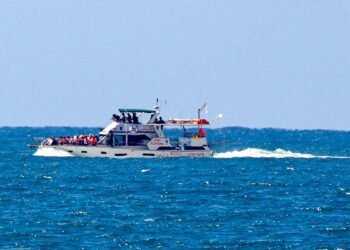 Activists allege abuse after Gaza flotilla seizure
 Global order shifts amid Trump-era turmoil
 Australia pushes Pacific security pact amid China tension
 Ceasefire Standoff Deepens in Ukraine War
 Indiana Republicans Defy Trump in Key Vote Test
 Koh-i-noor Diamond Row Reignites Colonial Debate
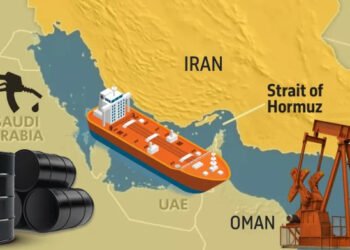 Middle East Crisis Escalates as Oil Routes Shake Markets
 Tensions Emerge in Netanyahu-Trump Alliance
 Starmer Faces Revolt After Crushing Election Losses
 Putin Declares Russia Victory at Scaled Victory Day Parade
 Fear and Betrayal: The Chilling Case of Kouri Richins
 Tragedy in the Maldives: Inside the Deep Sea Rescue
 US Ebola Case Sparks Urgent Global Screening Measures
 UK Pushes for New EU Goods Trade Deal
 Reeves Fights to Keep Treasury Role Amid Labour Turmoil
 UK Urged to Build EU Rejoin Consensus, Says Miliband
 Zelenskyy warns over Oreshnik threat as Kyiv hit
 Discontent grows around Putin amid war strain
 Former ICC prosecutor condemns US sanctions
 Farage and Reform UK Reshape British Politics
 Starmer Leadership Under Pressure After Setbacks
 Deadly Russian Air Raids Strike Across Ukraine
 Trump’s Iran Legacy Hangs on Tehran Deal
 UK Government Cancels Higher Education Programme for Women and Girls
 New South Wales Premier Chris Minns Signals Tough Road Ahead for Labor
 Labour MPs Urge Burnham to Revive UK Aid Target
 Houthis Strike Saudi Arabia as Middle East Tensions Rise
 Taliban global ties grow as rights fears mount
 Seoul proposes historic peace talks to replace Korean War armistice
 Russian Missiles Intensify Pressure on Kyiv
 Trump Calls Strait of Hormuz ‘American Territory’
 Trump Faces Iran War Crisis Before Midterm Vote