Published: 16 March 2026. The English Chronicle Desk. The English Chronicle Online.
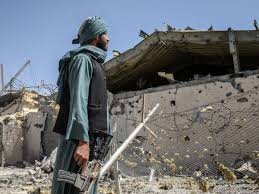
The geopolitical landscape of South Asia is currently facing a significant and dangerous transformation. Pakistan has targeted militant hideouts in Afghanistan during a series of intensive overnight military operations. These strikes focused primarily on the Kandahar province as the ongoing regional conflict reaches new heights. Military officials in Islamabad confirmed that the air operations aimed to neutralise specific technical support infrastructure. This recent escalation marks the deadliest period of confrontation between these two neighbouring nations in years. The Pakistani government has described the current state of affairs as an open war recently. Such strong language reflects the deep-seated tensions that have been simmering for several months now. International observers are watching these developments with increasing concern for broader regional stability at present.
The information minister for Pakistan provided specific details regarding the targets through social media channels. Attaullah Tarar stated that the military successfully struck several equipment storage facilities during the mission. He emphasized that these sites provided essential logistics to groups operating against Pakistani national security interests. These actions follow a pattern of retaliatory strikes that have plagued the border regions lately. The conflict has moved beyond minor skirmishes into a phase of sustained aerial bombardment today. Both nations are now grappling with the consequences of this rapidly deteriorating diplomatic relationship right now. The strikes in Kandahar are part of a wider strategy to secure the borders. Many analysts believe that this cycle of violence will be difficult to break easily.
In response to the strikes, the Afghan government spokesperson issued a very different account. Zabihullah Mujahid claimed that the Pakistani air force hit two relatively insignificant and civilian sites. One location was reportedly a site used by security guards only during the day. The other target mentioned by the spokesperson was a local drug rehabilitation centre nearby. He noted that the rehabilitation facility suffered slight structural damage during the overnight air raids. Mujahid confirmed that there were no casualties resulting from these specific attacks on Afghan soil. However, he accused Pakistan of continuing to invade and fuel the fire of war. This rhetoric suggests that the Taliban administration is unwilling to back down from the fight.
The Afghan defence ministry quickly announced its own retaliatory measures against the Pakistani military forces. They claimed to have carried out an attack on an army camp on Sunday. This operation took place in the South Waziristan area located within the borders of Pakistan. Afghan officials asserted that their strike destroyed the command centre and other military facilities there. They also claimed that the operation inflicted heavy casualties on the Pakistani military personnel stationed. Pakistan’s information ministry was very quick to reject these claims as mere propaganda efforts. They stated that only a small drone was intercepted and struck down by defences. No significant military installations or infrastructure were hit during that specific incident according to Islamabad.
The territorial disputes have extended into the Kunar and Nangarhar provinces along the shared border. Afghanistan claimed to have conducted successful operations inside Pakistani territory throughout the last weekend period. Their reports suggested the capture of a Pakistani military outpost and several soldier deaths. Pakistan rejected these claims entirely and maintained that their border defences remained fully intact. The heart of this conflict lies in accusations regarding the harbouring of militant groups. Islamabad accuses the Taliban rulers of providing a safe haven for the Pakistani Taliban group. This group is also known as the Tehreek-e-Taliban which stages attacks inside Pakistan. Afghanistan consistently denies these charges and insists it does not allow such activity there.
The latest round of intense fighting originally erupted in late February after earlier airstrikes occurred. Afghanistan launched a cross-border attack in retaliation for strikes that they claimed killed only civilians. These clashes effectively upended a ceasefire that had been previously brokered by Qatar last October. That fragile peace agreement had followed an earlier period of violence that killed dozens. The collapse of the ceasefire has led to a humanitarian crisis for those living nearby. Civilians on both sides of the border are now caught in the crossfire daily. The loss of life includes soldiers and suspected militants along with innocent local families. This regional conflict shows no immediate signs of abating as both sides remain firm.
Tragedy struck a home in the Bajaur district of northwestern Pakistan this past Sunday afternoon. A mortar fired from the Afghan side of the border destroyed a family residence. Local government official Adnan Khan confirmed that at least four family members were killed. Two other individuals were left with serious wounds following the sudden and violent mortar blast. This incident highlights the high cost that civilians are paying during this ongoing regional conflict. Both nations have frequently accused the other of deliberately targeting civilian areas and infrastructure. Dozens of people have lost their lives since the hostilities resumed in earnest recently. The psychological impact on border communities is becoming more profound with every passing week.
Pakistan’s president Asif Ali Zardari addressed the nation regarding the security situation this past Saturday. He stated that the Afghan government had crossed a red line with drone attacks. These drones had allegedly targeted civilian areas deep within the territory of Pakistan over days. Hours after his speech, Pakistan conducted strikes on what it called a drone storage facility. This back-and-forth cycle of violence is creating a very volatile environment in South Asia. The international community is urging both parties to return to the negotiating table immediately. However, the rhetoric coming from both Kabul and Islamabad remains exceptionally sharp and uncompromising. The potential for a full-scale war is a major concern for global leaders.
The timing of this escalation is particularly sensitive given the broader situation in the Middle East. The US-Israeli conflict with Iran is already consuming much of the world’s diplomatic energy today. Adding a major conflict between Pakistan and Afghanistan could destabilise the entire South Asian region. Energy markets and trade routes could face significant disruptions if the fighting continues to spread. Many experts believe that a third-party mediator is required to prevent further military escalation. Qatar has played this role before but the previous agreement failed to hold long. The mistrust between the two governments appears to be at an all-time high now. Finding common ground seems nearly impossible while the shells are still falling across borders.
Despite the heavy fighting, both nations continue to engage in a war of narratives online. Social media is filled with claims and counterclaims regarding military successes and civilian casualties. This information warfare makes it difficult for the public to discern the absolute truth. Verified news sources in the UK and internationally are working hard to provide clarity. They are monitoring the movement of troops and the frequency of aerial strikes closely. The humanitarian situation in the border regions is reportedly becoming quite dire for residents. Access to food, medicine, and safe shelter is increasingly limited for thousands of people. The world hopes for a peaceful resolution before the death toll rises further.
The future of the relationship between Islamabad and Kabul remains shrouded in deep uncertainty today. While military strikes continue, the diplomatic channels appear to be almost entirely closed for now. The regional conflict has fundamentally changed the way these two neighbours interact on the world stage. Each side believes they are acting in self-defence against an aggressive and hostile neighbour. This cycle of retribution is a hallmark of long-standing border disputes throughout global history. Without a renewed commitment to peace, the violence is likely to persist for months. The international community must stay engaged to prevent the situation from spiralling out of control. Only through dialogue can a lasting and meaningful peace finally be achieved for all.
Related News:
 British Woman in Iran ‘Losing Hope’ Amid Ongoing Detention
 BBC to Apologise Over Edited Trump Speech Amid Backlash
 Britain deploys RAF specialists to assist Belgium with drone threats
 US Justice Department Files Lawsuit Against California Over Partisan Voting Maps
 Greene Pushes Epstein Files Amid Trump Fallout
 Trump Deploys DHS to Charlotte in Major Arrest Operation
 December Run-Off in Chile as Election Produces No Winner
 Canada Passes Carney’s First Budget in Tight Parliamentary Vote
 Shadow Fleet at Sea: Europe’s Battle Against Illicit Oil Shipping
 Pentagon Officials in Ukraine to Discuss War End
 Venezuela Threatens Nobel Winner Machado with Fugitive Status
 Georgians Defy Government Crackdown After Year of Protests
 India’s Labour Law Overhaul Sparks Fierce Debate
 EU plans $105bn Ukraine aid using frozen Russian assets
 Global campaign launched to free Palestinian leader Barghouti
 Trump Policies Boost China’s Global Rise, Survey Finds
 Iran unrest slows under brutal crackdown and global tensions
 Pentagon Signals Reduced Role in Deterring North Korea
 Thousands Protest ICE Operations in Nationwide US Day of Action
 Epstein Files Reveal Trump Officials’ Emails with Financier
 Starmer Condemns ‘Depraved’ Russian Strikes on Ukraine
 Herzog visit sparks protests across Australian cities
 UK and US Drop in Global Corruption Index Rankings
 Sydney Protest Escalates and Elderly Woman Suffers Severe Injury
 Tarique Rahman’s Rise Toward Bangladesh’s Top Job
 Glass Cliff Debate After Ley’s Ouster
 Canberra Poster Seizure Sparks Free Speech Row
 Evo Morales Returns After Mysterious Absence
 AFP Reviews Pauline Hanson Comments
 Duterte ICC Hearing Begins Amid Defiance
 Trump Tariffs Threat Spark UK and EU Alarm
 The Dangerous Rise of Remigration Across Modern Europe
 Trump’s Marathon Speech Fails to Mask a Growing National Disconnect
 Jacinda Ardern Moves To Australia Following Her US Fellowships
 US to offer passport services in West Bank settlements
 Jacinda Ardern Move Sparks Kiwi Reflection
 Health Funding Row Rocks US‑Africa Relations
 Nick Greiner Warns Over Election Review Fallout
 New UK-EU Reset Faces Criticism from Parliament
 Cuba charges six exiles for terrorism after speedboat raid
 Iran Defiance Grows Amid US-Israel War Pressure
 US Strikes on Iran Set for Most Intense Day Yet
 Injured Mojtaba Khamenei Elevated as Iran Leader
 Gordon Brown urges court for crimes against children
 Moscow Internet Blackouts Raise Censorship Fears
 Oil Prices Jump After Trump Claims Iran Oil Hub Destroyed
 Republicans Rebuke FCC Threat Over Iran War Coverage
 Oil Prices Surge as IEA Weighs Emergency Release
 Trump Nato threats expose Iran strategy vacuum
 UK Minister Denies Iran Missile Threat to Britain
 Danish Election Deadlock Shakes Frederiksen’s Grip
 Trump to Visit China in May After Iran War Delay
 Pope Rebukes Leaders for War as Middle East Tensions Rise
 Trump to Deploy “God Squad” Over Gulf Wildlife Protections
 Army Probes Apache Flyover at Kid Rock’s Nashville Estate
 Italian Town Buys Mussolini Villa to Keep Away Fascist Fans
 Report Says Pezzullo Acted ‘Recklessly’ in Dealings
 Trump Employs Nixon’s Madman Theory Amid Iran Crisis
 Trump Voices Frustration Over Nato Role in Iran Conflict
 Hungary election: Orbán faces biggest test amid scandal
 Suspected Plot Targets Pipeline Before Hungary Vote
 Trump Slams UK Ties and Threatens To Rewrite Trade Deal
 Capitalism ‘Suicidal’, Warns Petro at Climate Summit
 Judge halts deportation of Yemeni refugees in US
 Trump approval plunges amid Iran war fears
 Ohio’s Battle for Trust: Democrats Vying to Flip the Buckeye State
 US ‘Narco Boat’ Strikes Draw Global Outcry
 Afghan Families Left in Limbo Face Risk of Deportation
 Tensions Emerge in Netanyahu-Trump Alliance
 US Awaits Iran Reply on New Ceasefire Proposal
 Hormuz Talks Near Critical Stage
 Discontent grows around Putin amid war strain
 Starmer Leadership Under Pressure After Setbacks
 House Curbs Trump’s War Powers in Rare Rebellion
 Germany Summons Chinese Envoy Over Russian Troop Training
 New South Wales Premier Chris Minns Signals Tough Road Ahead for Labor
 Le Pen to Run for President Despite Embezzlement Conviction
 Ukraine Creates Long-Range Strike Command
 Le Pen’s Popularity Holds Despite Conviction
 Houthis Strike Saudi Arabia as Middle East Tensions Rise