Published: 17 March 2026. The English Chronicle Desk. The English Chronicle Online.
A deepening crisis surrounding the Trump Cuba blackout has intensified global concern after dramatic remarks from Donald Trump suggested the United States could take control of the island. The statement came as Cuba faced a nationwide power outage that left millions without electricity and exposed the fragility of its energy system.
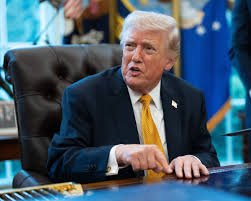
Speaking at the White House, Trump declared that he expected to have the “honour of taking Cuba,” a phrase that immediately drew international attention. He further suggested that the United States could act freely regarding Cuba’s future, adding that the country was currently weakened and vulnerable.
The Trump Cuba blackout crisis has unfolded against a backdrop of escalating geopolitical pressure. In recent months, Washington has intensified sanctions on Havana, including cutting off vital oil supplies that once flowed from Venezuela. These actions have significantly worsened Cuba’s already struggling electricity grid, which depends heavily on imported fuel.
The blackout itself has been described as one of the most severe in recent years. Officials confirmed that the entire national grid collapsed, leaving hospitals, businesses, and households in darkness. Authorities are now working to restore power gradually, but experts warn that the system remains dangerously unstable.
At the centre of the political storm is Cuban President Miguel Díaz-Canel, who has rejected any suggestion of foreign interference. He has insisted that any talks with Washington must respect Cuba’s sovereignty and political independence, a stance that has long defined the island’s diplomatic position.
Reports from international media indicate that US officials have privately pushed for Díaz-Canel’s removal as part of ongoing negotiations. While not officially confirmed, such demands would represent a major escalation and could derail any possibility of diplomatic compromise.
The Trump Cuba blackout crisis is also linked to broader regional developments. Earlier this year, the United States removed Venezuelan leader Nicolás Maduro from power, cutting off a crucial source of subsidised oil for Cuba. Without this supply, the island’s energy infrastructure has deteriorated rapidly.
The loss of Venezuelan support has exposed longstanding weaknesses within Cuba’s economy. For decades, the country relied on external allies to sustain its energy needs, while domestic infrastructure received limited investment. As a result, many power plants are outdated and prone to failure, making the current crisis particularly severe.
On the ground, the effects of the blackout have been immediate and widespread. Residents across the island have reported food shortages, disrupted healthcare services, and rising frustration over daily power cuts. In some areas, protests have erupted, reflecting growing public anger at both economic hardship and political stagnation.
These protests, although limited in scale, mark a significant moment in Cuba’s recent history. Public demonstrations have traditionally been rare due to strict government controls, but the current crisis appears to be testing those boundaries. Analysts suggest that prolonged blackouts could further weaken public confidence in the government.
Meanwhile, Washington’s stance has remained firm. US Secretary of State Marco Rubio, a long-time advocate for regime change in Cuba, has played a key role in shaping policy. His position reflects a broader shift towards more aggressive engagement in the region.
Trump himself has hinted that Cuba may be part of a wider strategic agenda. Following US involvement in conflicts elsewhere, he suggested that Cuba could be “next,” reinforcing concerns about potential military or political intervention.
Despite these developments, the legality and feasibility of any US takeover remain highly uncertain. International law places strict limits on interventions in sovereign states, and any attempt to impose political change could face significant opposition from global powers.
Within Cuba, the government has continued to emphasise dialogue over confrontation. Díaz-Canel has called for negotiations based on equality and mutual respect, rejecting any conditions that would undermine the country’s political system. This position reflects a broader effort to maintain stability while navigating an increasingly complex international environment.
The Trump Cuba blackout crisis also raises humanitarian concerns. Aid organisations warn that prolonged energy shortages could lead to a wider collapse of essential services, including healthcare and food distribution. Vulnerable populations are particularly at risk as shortages intensify.
At the same time, some voices within the Cuban diaspora have expressed support for stronger US action. They argue that external pressure could accelerate political reform and improve living conditions on the island. However, others caution that such measures may deepen suffering for ordinary citizens.

The international community has responded cautiously to the situation. European governments and regional organisations have urged restraint, emphasising the importance of diplomatic solutions. There is growing concern that further escalation could destabilise the Caribbean and create wider geopolitical tensions.
Experts also highlight the symbolic significance of Trump’s remarks. The idea of “taking Cuba” echoes historical tensions between the two countries, including the Cold War era and the legacy of the 1962 missile crisis. Such language is likely to resonate deeply both domestically and internationally.
For now, the immediate focus remains on restoring power and preventing further deterioration of Cuba’s infrastructure. Engineers are working around the clock to stabilise the grid, but the underlying issues of fuel shortages and ageing equipment remain unresolved.
As the Trump Cuba blackout crisis continues to unfold, the coming weeks will be critical. The outcome of ongoing negotiations between Washington and Havana could shape the future of the island and redefine relations between the two nations.
Ultimately, the situation reflects a complex intersection of politics, economics, and humanitarian challenges. While rhetoric from both sides has intensified, the path forward will depend on whether diplomacy can prevail over confrontation.
The world now watches closely as events develop, aware that the consequences could extend far beyond Cuba’s shores. Whether this crisis leads to meaningful change or deeper conflict remains an open and pressing question.
Related News:
 British Woman in Iran ‘Losing Hope’ Amid Ongoing Detention
 BBC to Apologise Over Edited Trump Speech Amid Backlash
 Britain deploys RAF specialists to assist Belgium with drone threats
 US Justice Department Files Lawsuit Against California Over Partisan Voting Maps
 Greene Pushes Epstein Files Amid Trump Fallout
 Trump Deploys DHS to Charlotte in Major Arrest Operation
 December Run-Off in Chile as Election Produces No Winner
 Canada Passes Carney’s First Budget in Tight Parliamentary Vote
 Shadow Fleet at Sea: Europe’s Battle Against Illicit Oil Shipping
 Pentagon Officials in Ukraine to Discuss War End
 Venezuela Threatens Nobel Winner Machado with Fugitive Status
 Georgians Defy Government Crackdown After Year of Protests
 India’s Labour Law Overhaul Sparks Fierce Debate
 EU plans $105bn Ukraine aid using frozen Russian assets
 Global campaign launched to free Palestinian leader Barghouti
 Trump Policies Boost China’s Global Rise, Survey Finds
 Iran unrest slows under brutal crackdown and global tensions
 Pentagon Signals Reduced Role in Deterring North Korea
 Thousands Protest ICE Operations in Nationwide US Day of Action
 Epstein Files Reveal Trump Officials’ Emails with Financier
 Starmer Condemns ‘Depraved’ Russian Strikes on Ukraine
 Herzog visit sparks protests across Australian cities
 UK and US Drop in Global Corruption Index Rankings
 Sydney Protest Escalates and Elderly Woman Suffers Severe Injury
 Tarique Rahman’s Rise Toward Bangladesh’s Top Job
 Glass Cliff Debate After Ley’s Ouster
 Canberra Poster Seizure Sparks Free Speech Row
 Evo Morales Returns After Mysterious Absence
 AFP Reviews Pauline Hanson Comments
 Duterte ICC Hearing Begins Amid Defiance
 Trump Tariffs Threat Spark UK and EU Alarm
 The Dangerous Rise of Remigration Across Modern Europe
 Trump’s Marathon Speech Fails to Mask a Growing National Disconnect
 Jacinda Ardern Moves To Australia Following Her US Fellowships
 US to offer passport services in West Bank settlements
 Jacinda Ardern Move Sparks Kiwi Reflection
 Health Funding Row Rocks US‑Africa Relations
 Nick Greiner Warns Over Election Review Fallout
 New UK-EU Reset Faces Criticism from Parliament
 Cuba charges six exiles for terrorism after speedboat raid
 Iran Defiance Grows Amid US-Israel War Pressure
 US Strikes on Iran Set for Most Intense Day Yet
 Injured Mojtaba Khamenei Elevated as Iran Leader
 Gordon Brown urges court for crimes against children
 Moscow Internet Blackouts Raise Censorship Fears
 Oil Prices Jump After Trump Claims Iran Oil Hub Destroyed
 Pakistan Targets Militant Hideouts in Afghanistan
 Danish Election Deadlock Shakes Frederiksen’s Grip
 Trump to Visit China in May After Iran War Delay
 Pope Rebukes Leaders for War as Middle East Tensions Rise
 Trump to Deploy “God Squad” Over Gulf Wildlife Protections
 Army Probes Apache Flyover at Kid Rock’s Nashville Estate
 Italian Town Buys Mussolini Villa to Keep Away Fascist Fans
 Report Says Pezzullo Acted ‘Recklessly’ in Dealings
 Trump Employs Nixon’s Madman Theory Amid Iran Crisis
 Trump Voices Frustration Over Nato Role in Iran Conflict
 Hungary election: Orbán faces biggest test amid scandal
 Suspected Plot Targets Pipeline Before Hungary Vote
 Trump Slams UK Ties and Threatens To Rewrite Trade Deal
 Southeast Asia Turns to Russia Amid Energy Crisis
 Capitalism ‘Suicidal’, Warns Petro at Climate Summit
 Judge halts deportation of Yemeni refugees in US
 Activists allege abuse after Gaza flotilla seizure
 Trump approval plunges amid Iran war fears
 Ohio’s Battle for Trust: Democrats Vying to Flip the Buckeye State
 US ‘Narco Boat’ Strikes Draw Global Outcry
 Ohio Primaries Set Stage for Crucial Midterms
 Afghan Families Left in Limbo Face Risk of Deportation
 Tensions Emerge in Netanyahu-Trump Alliance
 US Awaits Iran Reply on New Ceasefire Proposal
 Hormuz Talks Near Critical Stage
 Discontent grows around Putin amid war strain
 Starmer Leadership Under Pressure After Setbacks
 House Curbs Trump’s War Powers in Rare Rebellion
 Germany Summons Chinese Envoy Over Russian Troop Training
 New South Wales Premier Chris Minns Signals Tough Road Ahead for Labor
 Le Pen to Run for President Despite Embezzlement Conviction
 Ukraine Creates Long-Range Strike Command
 Le Pen’s Popularity Holds Despite Conviction
 Houthis Strike Saudi Arabia as Middle East Tensions Rise