Published: March 17, 2026
The English Chronicle Desk
The English Chronicle Online
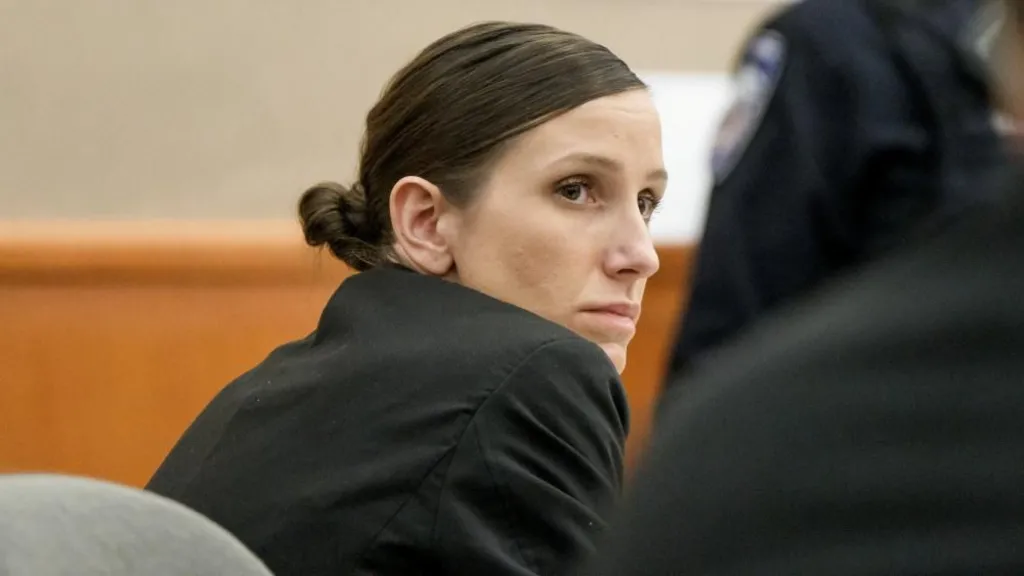
A Utah-based bereavement author has been found guilty of fatally poisoning her husband following a trial that examined evidence of deliberate contamination and sustained deception. The verdict concludes a case that has attracted significant public attention due to the defendant’s professional background and the circumstances surrounding the death.

Prosecutors argued that the woman intentionally administered a toxic substance to her husband, leading to his death. The court heard that the poisoning was not accidental and that evidence presented during proceedings demonstrated planning and intent. Investigators detailed a timeline in which symptoms emerged prior to the victim’s death, prompting medical intervention and subsequent forensic analysis.
Medical experts testified that the cause of death was consistent with exposure to a lethal substance. Laboratory findings formed a central component of the prosecution’s case, linking the presence of toxins to materials associated with the defendant. The defence challenged aspects of the evidence, questioning chain-of-custody procedures and interpretation of certain forensic results, but the jury ultimately returned a guilty verdict.
The case gained wider visibility because the defendant had authored works focused on grief, healing, and bereavement support. Her public profile in that field intensified scrutiny, as commentators noted the contrast between her professional themes and the criminal allegations. However, the court’s decision was based strictly on the evidence presented during trial.
During proceedings, jurors were shown communications, financial records, and other documentation intended to establish motive and opportunity. Prosecutors contended that personal and relational factors contributed to the crime, though the defence maintained that there was insufficient proof to meet the threshold for conviction. After deliberation, the jury concluded that the prosecution had met its burden of proof beyond a reasonable doubt.
Sentencing is expected to take place following formal procedural steps, where the judge will consider aggravating and mitigating factors. In cases involving fatal poisoning, sentencing guidelines typically reflect the seriousness of intentional homicide, with substantial custodial penalties possible under state law.
Legal analysts note that poisoning cases often rely heavily on forensic toxicology, digital evidence, and circumstantial reconstruction of events. Unlike overt violent crimes, such cases can require extensive laboratory work to establish causation and intent. This trial followed that pattern, with scientific testimony playing a decisive role.
The conviction has prompted reactions within both the local community and the broader readership of the defendant’s publications. Some individuals have expressed shock, while others have emphasized that the judicial process operated independently of the accused’s professional identity.
Authorities have confirmed that the investigation began after the victim’s unexpected deterioration and subsequent death raised suspicions among medical staff. Law enforcement officials conducted a comprehensive inquiry, including searches, interviews, and forensic examinations, before bringing charges.
The court’s verdict represents the culmination of that investigation. Prosecutors stated that the evidence demonstrated deliberate action resulting in the victim’s death. The defence retains the option to pursue post-trial motions or appeal, depending on legal strategy and grounds identified by counsel.

The case underscores the complexity of homicide investigations involving toxic substances and highlights the role of scientific analysis in modern criminal justice systems. As sentencing approaches, attention will focus on the court’s determination of the final penalty and any further legal proceedings that may follow.
Related News:
 EPSTEIN MYSTERY: Five Unanswered Questions Surround Jeffrey Epstein’s Death
 “It’s Never Too Late”: Savannah Guthrie’s New Plea for Mother’s Release as FBI Analyses Glove
 FBI Won’t Co-operate on Alex Pretti Investigation, State Officials Say
 Suspect in Rhode Island Ice Hockey Shooting Killed Ex‑Wife and Son
 Desperate Hunt for Breakthrough in Nancy Guthrie Case Turns to Mexico
 Trump Labor Secretary’s Husband Barred from Department Over Sexual Assault Allegations
 Inside Kyiv’s resolve as conflict nears five‑year mark
 Family Offers $1M Reward to Bring Home Missing Mother
 US ‘Suitcase Murderer’ Deported From Bali After 11 Years in Jail
 Hillary Clinton Tells House Panel She Had No Idea of Epstein’s Crimes
 Search Intensifies for Savannah Guthrie’s Mother
 Man on Trial for Rape That Led to Andrew Malkinson’s Wrongful Jailing
 Undercover officer deceived women with ‘grotesque and cruel’ lies, spycops inquiry told
 Two Charged After Bomb Attack Outside NYC Mayor’s Home
 Epstein Aides Still Control Money and Secrets
 Expert in Letby Trial Failed to Disclose Hospital Probe
 Epstein Used Modelling Agent to Recruit Girls, BBC Told
 Tasers Introduced in UK Prisons to Combat Rising Violence and Protect Staff
 Northern Ireland Family of Three Shot Dead in Maguiresbridge Home Incident
 Tragedy in the Skies: Inquest Reveals Devastating Cause of Death in Southend Plane Crash
 Targeted Attack in Bury Sparks Murder Investigation as Community Awaits Justice
 Man Remanded After Children Fall Ill at Leicestershire Summer Camp in Shocking Child Cruelty Case
 Merseyside Police Helicopter Crew Cleared After Low-Altitude Pursuit of Suspect
 UK Launches Major Crackdown on Networks Profiting from Online Child Sexual Abuse
 No Evidence Found to Substantiate Alleged Rape in Oxfordshire Churchyard, Police Confirm
 Badenoch Warns Farage’s Grooming Gangs Plan Could Backfire
 Police Probe Four Knife Incidents Linked to Cambridgeshire Train Attack
 French Taxi Driver Cleared in David Lammy Theft Case After Fare Dispute
 Just Stop Oil Protesters Convicted Amid Climate Defence Row
 Rio Raid’s Death Toll Raises Questions About Gang Impact
 Charlotte Raids: 130 Arrested in Major Immigration Sweep
 Serial Rapist and Former Cop Found Guilty Again
 Man Charged Over Attempted Murder of Senior Officer
 Man Denies Stealing Bronze Age Gold from Museum
 Runaway Driver Caught by DNA Evidence
 Two National Guard Soldiers Critically Injured Near White House
 US National Guard Member Killed in DC Shooting
 American Mother Extradited From UK to U.S. on Murder Charges
 Portland man pleads not guilty after Border Patrol shooting
 Woman Jailed for Life After Killing E-Bike Rider in Tragic Mistaken Identity Case
 Betfair Faces Pressure Over Funds Lost to Gambling Fraud
 Police Doubt Fugitive Dezi Freeman Survived Bushland
 ‘We Are Ready to Talk’: US News Anchor Savannah Guthrie Pleads for Return of Her Abducted Mother
 Appeal to B&B Owners Over Cash Point Ram-Raid
 Wayne Couzens Still Eligible for £7k Pension
 How Dark Web Agent Spotted Bedroom Wall Clue to Rescue Girl from Years of Harm
 Disability and LGBT Hate Crimes Set to Become Aggravated Offences
 Last‑ditch Call to Save Police Front Counters in London
 Nine Arrested in France Over Death of Far‑Right Student
 Eight Skiers Found Dead After California Avalanche
 How Much Could Andrew’s Arrest Hurt the Royal Family?
 Epstein Eyed Record Label Investment to Access Women, Files Suggest
 Epstein Files Could Be Just Tip of the Iceberg for Andrew Investigation
 Fly-Tippers to Be Hunted by ‘Drone Squad’ in Crackdown from the Sky
 Trump Vows UFO File Release After Obama Interview
 Court Error Frees Rape Suspect Who Flees UK
 Sydney kidnapping mystery deepens as grandfather’s remains found after mistaken abduction
 Trial Date Set for Student Accused of Racial Hatred
 Trump Probe Fallout: Patel Fires FBI Staff Tied to Documents Case
 Rape Accused Had Fight With Man in Alley, Court Told
 American Citizen Killed in Cuba Boat Shooting, U.S. Officials Say
 Grave of Murdered Toddler James Bulger Vandalised
 Suspects in Lisa Dorrian Case Released on Bail
 Deadly Texas Bar Shooting ‘Potentially Act of Terrorism,’ FBI Says
 Murder Charge After Security Guard Stabbed in Violent Attack
 Driver Jailed Over Fatal Water Treatment Tank Crash
 Calls Grow to Remove Billboard Following Lyra McKee Graffiti
 US Trade Court Orders Tariff Refunds in Setback for Trump Administration
 Labour MP’s Partner Arrested on Suspicion of Spying for China
 Police Scotland Pays £8m Compensation to Staff
 ‘He Didn’t Stand a Chance’: Man Killed by Tube Was Blocked from Safe Spot, Inquest Hears
 Armed police incident closes major road
 Pedestrian critically hurt after being hit by car
 Alleged Bondi gunman seeks order to suppress family’s identity
 Real Estate Brothers Convicted in Sex Trafficking Trial
 Scots Man Convicted in Dirty Money Case After DNA Found on Cash
 After Mugabe: Family Feuds and Legal Battles
 Chinese National Arrested Over Attempt to Smuggle 2,000 Queen Ants From Kenya
 Liverpool Shooting Horror as Girl, 17, Shot in Legs in ‘Targeted Attack’
 Rapist Caught After Victim Calls Police Mid-Attack