
Published: March 17, 2026
The English Chronicle Desk
The English Chronicle Online
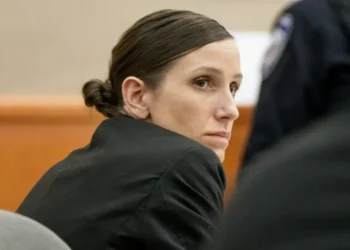
A children’s author who published a book on grief following the death of her husband has been found guilty of poisoning him, concluding a trial that examined forensic evidence, digital communications, and alleged motive in detail.
Prosecutors told the court that the defendant deliberately administered a toxic substance that led to her husband’s death. The case centred on laboratory findings, medical testimony, and a timeline of events that investigators argued demonstrated intent rather than accident. The victim had initially exhibited symptoms that prompted medical attention before his condition deteriorated.

During the proceedings, jurors heard evidence relating to the procurement and presence of the substance identified in the post-mortem examination. Experts in toxicology testified that the levels detected were consistent with fatal exposure. The prosecution maintained that the evidence, taken as a whole, supported a conclusion of deliberate action.
The defence challenged aspects of the investigation, including the interpretation of forensic results and the chain of custody for certain materials. Lawyers argued that reasonable doubt remained regarding intent and causation. However, after deliberation, the jury returned a guilty verdict.
The defendant had gained public recognition for authoring a book focused on coping with bereavement and emotional recovery. The publication, released after her husband’s death, was widely discussed at the time for its themes of resilience and healing. The contrast between that public narrative and the criminal allegations drew significant attention throughout the trial.
Legal analysts noted that cases involving poisoning often rely heavily on scientific evidence, including toxicology reports, digital records, and circumstantial reconstruction of events. Unlike cases involving visible violence, poisoning investigations require detailed laboratory confirmation to establish both cause of death and linkage to a suspect.
Prosecutors presented communications and other documentary evidence intended to demonstrate opportunity and planning. The court also heard testimony regarding behavioural patterns and inconsistencies that the state argued were relevant to establishing guilt. The defence maintained that the evidence did not conclusively exclude alternative explanations.
Following the verdict, sentencing proceedings are expected to address aggravating and mitigating factors, including the nature of the offence and any prior history. In homicide cases of this type, sentencing guidelines typically allow for substantial custodial penalties.
The case has prompted discussion within literary and educational communities, where the author’s work had previously been associated with themes of family loss and emotional support. While public reaction has varied, legal observers emphasise that the conviction was based solely on the evidence presented in court.
Authorities confirmed that the investigation began after medical staff raised concerns about the circumstances surrounding the death. Law enforcement conducted a comprehensive inquiry, including forensic testing and interviews, before filing charges.
The verdict brings closure to a case that combined elements of personal tragedy, forensic science, and public scrutiny. Further legal steps, including potential appeals, may follow depending on procedural considerations.

For now, the court’s decision marks the culmination of an extensive investigation into a fatal poisoning that has drawn widespread attention due to the defendant’s professional background and the complexity of the evidence involved.
Related News:
 Epstein Used Modelling Agent to Recruit Girls, BBC Told
 Tragedy Hits Manhattan as Police Officer Among Four Dead in Midtown Office Shooting
 Northern Ireland Family of Three Shot Dead in Maguiresbridge Home Incident
 A Fugitive’s Double Life Uncovered: My Interview with Nicholas Rossi, Scotland’s Notorious Escapee Facing Utah Rape Trial
 Failed New Mexico Candidate Sentenced to 80 Years for Drive-By Shootings at Lawmakers’ Homes
 Father’s Tip Leads to Arrest in Charlie Kirk Murder Case
 Charlie Kirk Killing Used to Mobilise UK’s Largest Far-Right Rally in Decades
 Jailed Georgian Opposition Leaders Warn UK of Iranian Links to Ruling Party
 UK Gamer Recruited by Wagner Group Found Guilty of Arson
 Pregnant UK Teen to Be Freed from Georgian Jail
 Just Stop Oil Protesters Convicted Amid Climate Defence Row
 British Grandmother to Return Home After Death Sentence in Bali
 Oklahoma Governor Grants Last-Minute Clemency to Death Row Inmate
 Teens ‘Ran Amok’ at Ex-MP’s Covid Testing Firm
 Migrant father guilty of honour killing in Holland
 The ‘Untouchable Hacker God’ and Finland’s Darkest Digital Crime
 Emails Show Epstein Funded Mandelson’s Husband After Jail
 Suspect Named in Canada School Mass Shooting
 ‘Staggeringly Stupid’ Man Jailed After Tattooing Children
 Suspect in Rhode Island Ice Hockey Shooting Killed Ex‑Wife and Son
 Nine Arrested in France Over Death of Far‑Right Student
 Desperate Hunt for Breakthrough in Nancy Guthrie Case Turns to Mexico
 How Much Could Andrew’s Arrest Hurt the Royal Family?
 Epstein Eyed Record Label Investment to Access Women, Files Suggest
 Epstein Files Could Be Just Tip of the Iceberg for Andrew Investigation
Man Guilty of XL Bully Offence After Fatal Attack
Epstein Files Could Be Just Tip of the Iceberg for Andrew Investigation
Man Guilty of XL Bully Offence After Fatal Attack
 Zuckerberg Defends Meta in Landmark Social Media Addiction Trial
 ‘El Mencho’ Killed in Military Operation, Triggering Violence
 Conman Stole My Money and Bought His Wife a 10‑Carat Diamond Ring
 Epstein Files Reveal High‑Profile Names in New US Government Release
 Inside Kyiv’s resolve as conflict nears five‑year mark
 Mexican drug cartel boss ‘El Mencho’ tracked through romantic partner
 ‘I reported rape in Hong Kong, now I could face prison’
 Nick Reiner pleads not guilty to killing parents Rob and Michele
 Sydney kidnapping mystery deepens as grandfather’s remains found after mistaken abduction
 Owner Sentenced After Emaciated Dog Put Down
 Two Arrested After Woman Set on Fire in Revenge Attack
 Family Offers $1M Reward to Bring Home Missing Mother
 Australians Arrested Over Alleged Murder of Grandfather Mistakenly Kidnapped
 US ‘Suitcase Murderer’ Deported From Bali After 11 Years in Jail
 Epstein Tried to Buy a Palace in Morocco Days Before His 2019 Arrest
 Search Intensifies for Savannah Guthrie’s Mother
 Man on Trial for Rape That Led to Andrew Malkinson’s Wrongful Jailing
 Murdered Student ‘Algasim’ Was ‘the Most Special Person’, Friends Say
 Undercover officer deceived women with ‘grotesque and cruel’ lies, spycops inquiry told
 Alleged Bondi gunman seeks order to suppress family’s identity
 Istanbul’s ex-mayor to stand trial on corruption charges
 Two Charged After Bomb Attack Outside NYC Mayor’s Home
 Expert in Letby Trial Failed to Disclose Hospital Probe
 Chinese National Arrested Over Attempt to Smuggle 2,000 Queen Ants From Kenya
 Wealthy Parents Play Dead After Son Hires Hitman to Kill Them
 Utah Bereavement Author Convicted in Husband’s Poisoning Case
 Ecuador Deploys 75,000 Forces in Anti-Gang Drive
 Targeted Attack in Bury Sparks Murder Investigation as Community Awaits Justice
 Merseyside Police Helicopter Crew Cleared After Low-Altitude Pursuit of Suspect
 Channel Crossings Surge: Over 1,000 People Arrive in the UK in Small Boats in a Single Day
 No Evidence Found to Substantiate Alleged Rape in Oxfordshire Churchyard, Police Confirm
 Trump Urges Herzog to Grant Netanyahu Full Pardon
 Indian authorities demolish Kashmir home linked to Red Fort blast
 Greene Pushes Epstein Files Amid Trump Fallout
 Deadly Russian Strikes Hit Western Ukraine, 20 Killed in Ternopil
 Man Denies Stealing Bronze Age Gold from Museum
 Runaway Driver Caught by DNA Evidence
 Tokyo court rules Japan’s same-sex marriage ban constitutional
 American Mother Extradited From UK to U.S. on Murder Charges
 Woman Jailed for Life After Killing E-Bike Rider in Tragic Mistaken Identity Case
 Police Doubt Fugitive Dezi Freeman Survived Bushland
 Eight Skiers Found Dead After California Avalanche
 Fly-Tippers to Be Hunted by ‘Drone Squad’ in Crackdown from the Sky
 Rape Accused Had Fight With Man in Alley, Court Told
 American Citizen Killed in Cuba Boat Shooting, U.S. Officials Say
 Suspects in Lisa Dorrian Case Released on Bail
 Driver Jailed Over Fatal Water Treatment Tank Crash
 Calls Grow to Remove Billboard Following Lyra McKee Graffiti
 ‘Every Day Feels Like a Month’: Iranians Describe Life Under ‘Constant’ US‑Israeli Strikes
 Police Scotland Pays £8m Compensation to Staff
 Real Estate Brothers Convicted in Sex Trafficking Trial
 After Mugabe: Family Feuds and Legal Battles
 Queensland Protest Laws Spark Free Speech Backlash
 Liverpool Shooting Horror as Girl, 17, Shot in Legs in ‘Targeted Attack’