Published: 19 March 2026. The English Chronicle Desk. The English Chronicle Online.
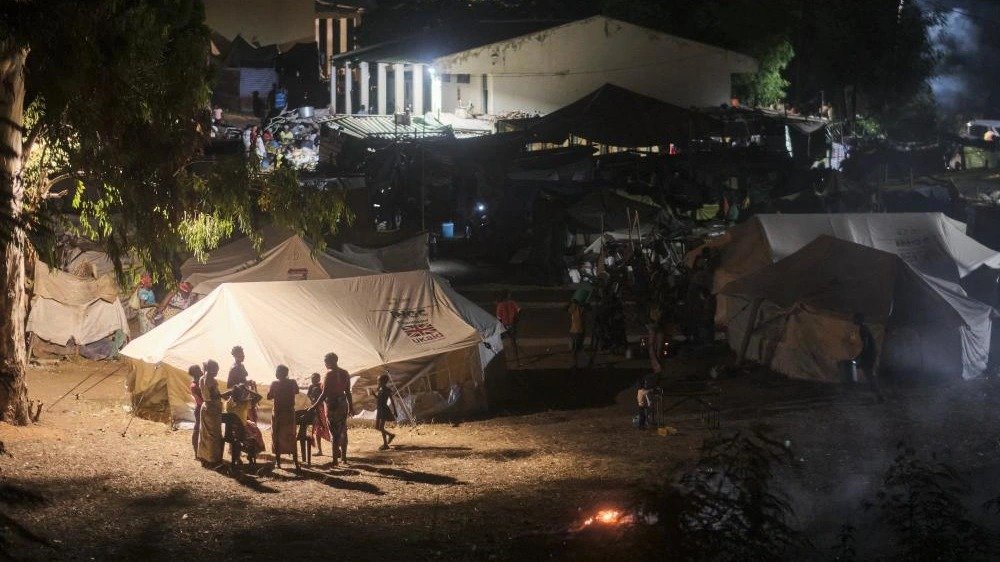
The United Kingdom has announced a significant reduction in climate aid funding for developing countries. The planned cut will reduce annual support by around 14 percent to approximately £2 billion. This decision has sparked strong criticism from experts, politicians, and campaigners across the country. Many argue that the move could harm global stability and weaken Britain’s international influence.
The cuts come after intense internal disagreements within the government over public spending priorities. Officials from the Treasury reportedly pushed for deeper reductions due to mounting economic pressures. These pressures have been partly attributed to increased defence spending linked to the ongoing war in Iran. As a result, the overall UK aid budget has been reduced to 0.3 percent of gross national income.
This reduction affects a wide range of international development programmes funded by the United Kingdom. Key sectors such as healthcare, education, and humanitarian assistance are expected to face substantial funding cuts. Climate-related spending will now total around £6 billion over the next three years. However, experts believe the actual figure could be lower than the government’s estimate.

Under the previous funding structure, the UK had committed £11.6 billion over five years. This amounted to an average of approximately £2.3 billion annually for climate initiatives worldwide. The new plan therefore represents a noticeable drop in annual contributions to global climate efforts. Critics say this reduction could undermine ongoing projects and future climate resilience strategies.
One of the most controversial aspects of the new plan is the removal of targeted funding commitments. Previously, £3 billion had been specifically allocated for nature and forest protection programmes. These initiatives aimed to combat deforestation and protect biodiversity in vulnerable regions. The government has now scrapped this earmarked funding entirely, raising serious environmental concerns.
The shift also marks a departure from the UK’s traditional approach to long-term climate financing. Earlier frameworks were based on five-year funding cycles to ensure stability and efficiency. Experts widely regarded these longer-term commitments as essential for complex environmental projects. The new approach introduces shorter timelines, which may affect project planning and delivery.
According to reports, senior Treasury officials argued for even deeper cuts during recent high-level discussions. These discussions took place over the past weekend and highlighted ongoing tensions within the government. The Treasury emphasised the need to strengthen the economy and increase defence spending. This position ultimately influenced the scale of reductions in international aid budgets.
Yvette Cooper defended the government’s decision while acknowledging the challenges involved. She stressed that the UK would continue supporting countries affected by conflict and humanitarian crises. These include Ukraine, Sudan, Palestine, and Lebanon, where instability remains a pressing concern. She also highlighted the importance of diplomatic efforts alongside financial assistance.
Cooper explained that limited resources required a more focused and strategic approach to aid spending. She stated that the government would prioritise programmes with the greatest measurable impact. According to her, addressing humanitarian emergencies and preventing conflict remain key objectives. She argued that such efforts align with both British values and national interests.
Despite these assurances, several Labour Members of Parliament have expressed serious concerns about the policy shift. They warn that reducing aid could weaken Britain’s global standing and influence. Dr Beccy Cooper highlighted the importance of maintaining international commitments and partnerships. She emphasised that global cooperation is essential in tackling shared challenges like disease and climate change.
Dr Cooper also warned that weaker health systems in developing countries could have global consequences. She explained that diseases can spread rapidly when healthcare infrastructure is underfunded. This could ultimately pose risks to public health within the United Kingdom itself. Her comments underline the interconnected nature of global health and security.
Gareth Thomas echoed similar concerns about the broader implications of aid reductions. He argued that cutting support could strain relationships with key international allies. He also warned that reduced funding may hinder progress in improving children’s health and education. According to him, such setbacks could have long-term consequences for global development.
Thomas further noted that reduced aid might create opportunities for rival powers to expand influence. He stressed the importance of maintaining Britain’s soft power through international cooperation and assistance. He argued that strong diplomatic and development strategies can reduce the need for military intervention. His remarks reflect broader concerns about the geopolitical impact of the cuts.
Criticism has also come from across the political spectrum, including former Conservative ministers. Zac Goldsmith strongly criticised the decision to cut environmental funding. He pointed to previous government assessments linking biodiversity loss to national security risks. According to Goldsmith, reducing support for nature projects is both shortsighted and dangerous.
Environmental organisations have also voiced alarm over the policy changes announced this week. Campaigners argue that climate and nature funding are essential in addressing global environmental crises. They warn that cutting support could accelerate ecosystem collapse in vulnerable regions. This, in turn, may increase risks related to migration, conflict, and economic instability.
Jonathan Hall emphasised the importance of protecting tropical forests in climate strategies. He noted that these ecosystems play a crucial role in absorbing carbon emissions globally. Hall argued that abandoning funding commitments for forest protection undermines decades of progress. He also pointed out that such initiatives are widely supported by the British public.
Experts agree that climate change and environmental degradation are closely linked to global security challenges. Intelligence assessments have warned that ecosystem collapse could trigger widespread instability. These risks include food shortages, displacement of populations, and increased conflict over resources. As a result, many believe that cutting climate aid may ultimately undermine national security objectives.

The government maintains that its revised approach will ensure more effective use of limited resources. Officials argue that focusing on high-impact programmes will deliver better results despite reduced funding levels. However, critics remain unconvinced and continue to call for a reassessment of the policy. They argue that long-term investments are essential for addressing complex global challenges.
As the UK navigates economic pressures and shifting geopolitical priorities, the debate over aid spending continues. The decision to cut climate funding reflects broader tensions between domestic needs and international responsibilities. It also raises important questions about the country’s role in global development and environmental leadership.
For many observers, the issue goes beyond financial considerations and touches on fundamental values. The United Kingdom has long positioned itself as a leader in international aid and climate action. This latest move may signal a shift in priorities that could reshape its global reputation. Whether the new strategy will achieve its intended goals remains to be seen in the coming years.
Related News:
 British Woman in Iran ‘Losing Hope’ Amid Ongoing Detention
 BBC Journalist Held and Interrogated in Vietnam
 Green Party Surges Past Labour in Latest UK Poll
 Celebrities and Charities Demand UK Government Act on Child Poverty
 Trump’s UK Ambassador Urges North Sea Drilling to Strengthen US Ties
 FBI Director Kash Patel Defends Girlfriend Amid Government Jet Claims
 French Taxi Driver Cleared in David Lammy Theft Case After Fare Dispute
 ‘Reckless’ cuts to victims’ services will cost more than they save
 Millionaires group urge Reeves to introduce wealth tax to ‘lift kids out of poverty’
 Starmer Faces Growing Dissent as Labour MPs Weigh Leadership Challenge
 Reeves rejects £1bn plea for NHS redundancy payouts
 Politics latest: Starmer ‘will fight any leadership coup’ as Streeting denies attempt to oust Labour PM
 PM Condemns Leaks, Vows Loyalty to Ministers and Stability
 Major Rent Reform Ends No-Fault Evictions in England
 Peers Flood Assisted Dying Bill with 942 Amendments
 England’s Special Needs Support Faces Breaking Point
 MoD warned over Excel risks before Afghan data breach
 Labour Faces Historic Decline in Wales
 PM Highlights UK Business at G20 in South Africa
 Kate Forbes: Motherhood Harder Than Politics
 Most Tories Expect to Support a Farage-Led Government
 Labour MP claims devolution bill is ‘blatant discrimination’ against Cornwall
 Millions Face Higher Taxes Under Reeves New Budget
 Peers Get Extra Time to Debate Assisted Dying Bill
 Starmer Says Labour’s Economic Plan Needs Years to Deliver
 Culture secretary to review Telegraph takeover by Daily Mail owner
 Andy Burnham Apologises for Past LGBTQ+ Police Discrimination
 Plans to Limit Jury Trials Face Retreat After Mounting Opposition
 Jenrick Reform defection deepens Tory civil war
 Right Must Unite After Jenrick Defection, Urges Rees-Mogg
 UK Ministers Drop Foreign Student Targets for Global Education Push
 MPs warn AI financial risks threaten UK stability
 MPs warn AI financial risks threaten UK stability
 No Gas Boiler Ban as UK Warm Homes Plan Backs Heat Pumps
 Hugh Grant Joins Call for Under-16 Social Media Ban in UK
 Shinzo Abe’s killer receives life sentence in Japan
 Lords Vote Piles Pressure on Starmer Over Social Media Ban
 Reform UK Health Plan ‘Would Cost £1.7bn’, Streeting Says
 Police response times face strict new national limits
 Labour policing overhaul sparks fears over growing central control
 Tories criticised after Braverman defection sparks mental health row
 Burnham Westminster return hopes fade amid Labour rift
 Starmer warns of toxic division politics in Reform challenge
 Starmer China visit raises human rights pressure on Beijing
 Labour Must Revive High Streets to Avoid Election Collapse
 Calls Grow for King Charles to Apologise for Crown’s Role in Slavery
 Palantir contracts face UK halt calls over transparency
 Labour Thinktank Row Deepens Over Journalist Probe Claims
 Labour Lord Doyle Apologises Over Paedophile Ties in Political Storm
 Cabinet Secretary Shake-Up Triggers Due Diligence Warning
 Starmer Faces Inquiry Calls Over Thinktank Probe
 Royal Mail Delivery Crisis Deepens Amid Weather Chaos
 Labour Together probe scandal sparks fresh Cabinet Office investigation
 Farage to Name Jenrick as Reform Chancellor Pick
 NHS Negligence Ruling Raises Payout Costs
 Civil Service Pay: Union Urges Ministers to End ‘Barking Mad’ Limits
 Antonia Romeo appointment sparks criticism
 Trump and Chagos Deal Rift Over Iran Strikes
 Farage Chagos Islands Row Sparks Fury
 Trump Tariffs Threat Spark UK and EU Alarm
 Gasfield Deal Sparks Debate Over Fracking in Lincolnshire
 Reform UK targets workers’ rights repeal
 Mandelson Denounces Arrest Over ‘Baseless’ Fleeing Claims
 Russian Trade Routed Through British Islands Exposed
 Mandelson Arrest: Met Apologises to Hoyle
 Palestine Action ban appeal moves forward
 Reeves Must Back Defence Plan or Face Dismissal, Says Unite Chief
 NHS Maternity Units Cover Up Harmful Childbirth Errors
 Green Party Stuns Labour in Gorton and Denton Byelection
 Refugee Status Overhaul Sparks UK Debate
 Trump Rebukes Starmer Over Iran Strikes Row
 BBC Charter Reform Sparks Independence Battle
 Asylum Seekers to Work After Year-Long Wait
 Thousands Protest Iran Strikes Outside US Embassy London
 US Bombers Arrive at RAF Base Amid Rising Iran Tensions
 UK Prepares Aircraft Carrier for Middle East Crisis
 UK Oil and Gas Supplies Reassured Amid Middle East Concerns
 Proposed Law Leaves Gap for Children of Convicted Paedophiles
 Ministers Urged to Act Faster on Deepfakes Threat
 Yvette Cooper: UK Must Follow Principles, Not US Pressure