Published: 19 March 2026. The English Chronicle Desk. The English Chronicle Online.
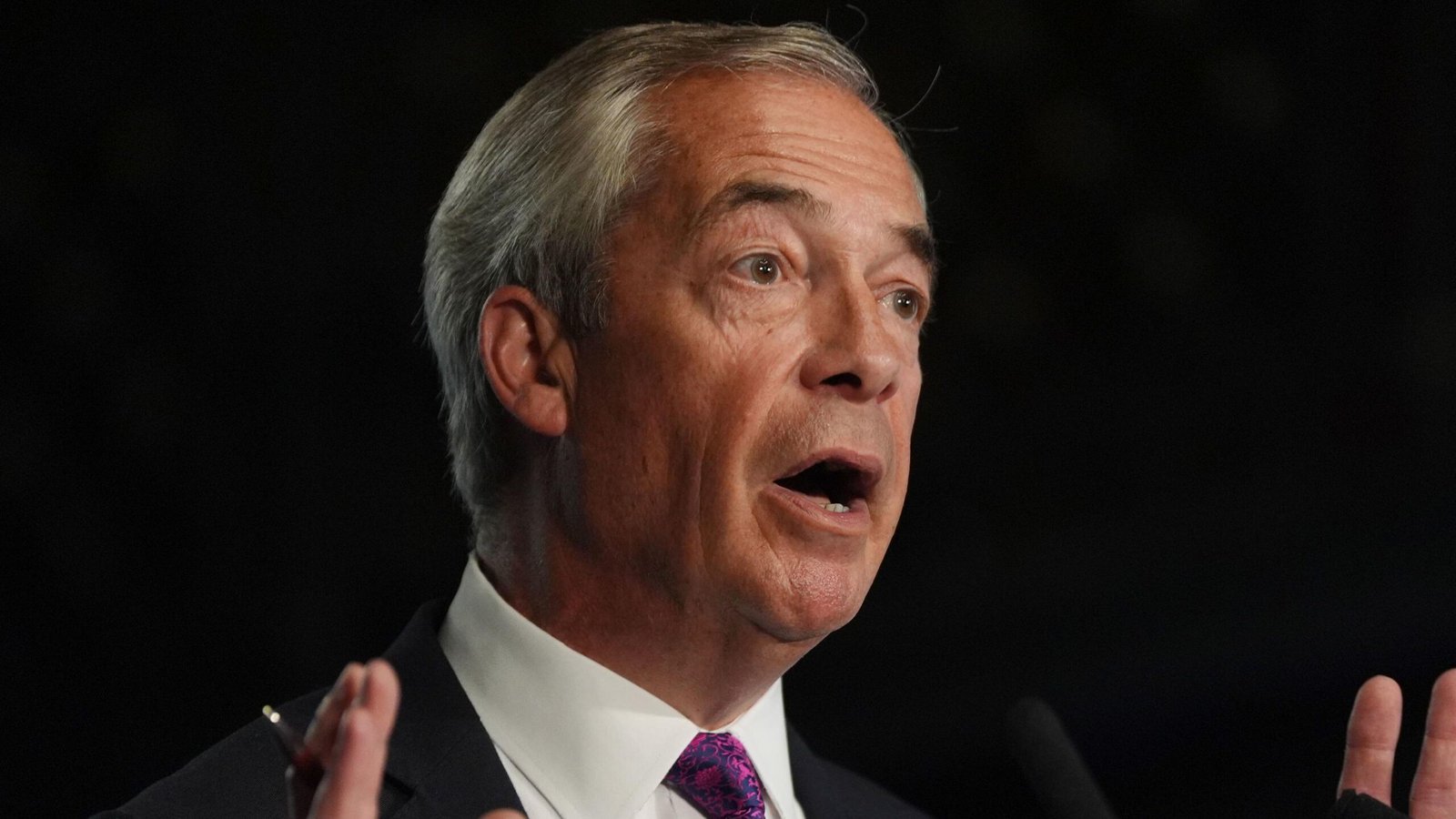
Nigel Farage has come under renewed scrutiny following revelations about his Cameo video activity. Reports indicate he earned money by recording personalised videos endorsing cryptocurrencies that later collapsed in value. These findings have raised concerns about accountability, influence, and financial promotion ethics in digital spaces.
The Cameo platform allows public figures to create paid personalised video messages for customers. Farage has reportedly produced more than four thousand videos through this service over recent years. Within this collection, several clips appear to support or promote various obscure cryptocurrencies and memecoins.
Many of the cryptocurrencies mentioned in these videos were driven largely by online hype. Memecoins typically rely on social media trends, celebrity endorsements, and community excitement to gain value. However, these digital assets often experience extreme volatility and can quickly lose value when interest fades.

Investigations found that Farage recorded supportive messages for coins like Stonks Finance and NIG Finance. Other tokens included Trump Mania and a digital asset informally called Farage coin. These videos were later used by promoters to generate interest and attract potential investors.
The promotional content often appeared on social media platforms alongside Farage’s recorded messages. These posts frequently presented his endorsements as signals of credibility or confidence in the tokens. This strategy may have influenced public perception and encouraged speculative investment behaviour.
Farage reportedly charged relatively small fees for these video endorsements on the Cameo platform. Some clips were purchased for amounts as low as seventy-two pounds by users. Despite the modest cost, these videos were later repurposed as marketing tools by cryptocurrency promoters.
One notable example involved the promotion of a digital token linked to Celsius Network. Farage encouraged supporters to remain committed to the project in his recorded message. He suggested that strong technology would ultimately ensure the token’s long-term survival in competitive markets.
However, Celsius Network later faced severe financial difficulties and eventually declared bankruptcy. Its founder, Alex Mashinsky, was convicted of fraud-related charges in the United States. Prosecutors stated that he had manipulated the value of the platform’s native token to mislead investors.
This case has intensified criticism of public figures endorsing financial products without full knowledge of risks. Critics argue that such endorsements can mislead audiences, particularly in highly volatile markets like cryptocurrency. They also highlight the responsibility of influencers to ensure transparency and due diligence.
Farage’s spokesperson responded by stating that all Cameo videos were created in good faith. The spokesperson explained that Farage relies on customer-provided scripts when recording messages. They also noted that any later use of these videos for promotion was beyond his control.
Despite this defence, the controversy has sparked wider debate about political figures engaging in commercial endorsements. Some critics question whether such activities are appropriate for individuals holding or seeking public office. They argue that financial promotions can blur the line between personal business and political responsibility.
Farage has previously expressed strong ideological support for cryptocurrency and digital financial systems. His views were shaped partly by his experience of being “debanked” by Coutts. The bank, owned by NatWest Group, closed his account in a widely reported incident.
Following that experience, Farage became a vocal advocate for decentralised financial systems and digital assets. He has described Bitcoin as representing financial freedom and independence from government control. His comments reflect a broader ideological stance favouring alternative financial systems.
However, many of the tokens he referenced in Cameo videos were far less established than Bitcoin. These included assets such as Dogecoin and other lesser-known tokens. Some of these cryptocurrencies have since experienced significant price declines or become inactive.
In one video, Farage encouraged viewers to support a specific digital asset community and maintain confidence. In another, he suggested shifting investments between different memecoins based on perceived opportunities. These statements have been criticised for promoting speculative behaviour among inexperienced investors.
Analysis of historical data shows that several cryptocurrencies mentioned by Farage have lost value over time. This pattern has further fuelled criticism of his involvement in promotional content linked to volatile assets. Observers argue that such endorsements may contribute to financial losses for ordinary investors.
Farage has also maintained close connections with the cryptocurrency sector through political and financial channels. His political party has accepted donations in digital currencies, marking a notable shift in funding strategies. This move reflects growing integration between politics and emerging financial technologies.
One of the party’s major donors, Christopher Harborne, is linked to the cryptocurrency industry. He is a significant shareholder in Tether, one of the largest digital assets by market value. This relationship has drawn further attention to Farage’s ties with the crypto sector.
Farage has also outlined ambitious plans for cryptocurrency policy should he gain political power. These include allowing taxes to be paid using digital currencies and creating a national digital asset reserve. He has also proposed reducing capital gains tax on cryptocurrency investments to encourage growth.
In addition, Farage recently invested in a cryptocurrency business known as Stack BTC. The company is chaired by Kwasi Kwarteng, adding a political dimension to the venture. This investment highlights Farage’s continued engagement with the digital asset industry.
Beyond cryptocurrency, Farage has been involved in promoting other financial products and services. He has reportedly earned substantial sums advertising a gold trading company in recent months. These activities have raised questions about the balance between commercial interests and public responsibilities.
 When asked about criticism of his business ventures, Farage dismissed concerns in strong terms. He argued that he has the right to pursue commercial opportunities alongside his political career. His comments suggest a firm stance on maintaining personal financial independence.
The controversy surrounding Farage’s Cameo videos highlights broader challenges in regulating online endorsements. As digital platforms expand, the lines between entertainment, promotion, and financial advice continue to blur. This creates new risks for consumers navigating complex and rapidly evolving markets.
Experts believe clearer guidelines and stronger oversight may be needed to protect investors. They argue that transparency and accountability are essential in maintaining trust in both financial systems and public figures. The issue remains under close scrutiny as discussions about regulation continue.
As the story develops, it raises important questions about ethics, influence, and responsibility in modern politics. The intersection of cryptocurrency, social media, and public figures is likely to remain a topic of debate. For many observers, this case serves as a warning about the risks of hype-driven financial trends.
Related News:
 Richard Tice Faces £100k Tax Controversy
 BBC News Faces Deep Cuts in 2,000 Job Plan
 Reeves Fights to Keep Treasury Role Amid Labour Turmoil
 Labour MPs Urge Burnham to Revive UK Aid Target
 Green Party Surges Past Labour in Latest UK Poll
 Trump’s UK Ambassador Urges North Sea Drilling to Strengthen US Ties
 French Taxi Driver Cleared in David Lammy Theft Case After Fare Dispute
 Millionaires group urge Reeves to introduce wealth tax to ‘lift kids out of poverty’
 Starmer Faces Growing Dissent as Labour MPs Weigh Leadership Challenge
 Reeves rejects £1bn plea for NHS redundancy payouts
 PM Condemns Leaks, Vows Loyalty to Ministers and Stability
 Major Rent Reform Ends No-Fault Evictions in England
 Peers Flood Assisted Dying Bill with 942 Amendments
 Most Tories Expect to Support a Farage-Led Government
 Starmer Says Labour’s Economic Plan Needs Years to Deliver
 Culture secretary to review Telegraph takeover by Daily Mail owner
 UK Government Borrowing Drops to £11.6bn in December
 Labour Blocks Burnham as Party Rift Deepens Ahead of Polls
 Andy Burnham and the Labour Rift Over Power and Leadership
 Huge mistake: Labour blocks Burnham from byelection bid
 Artificial intelligence will cost jobs, admits Liz Kendall
 Labour targets Greens on drugs in Gorton Denton byelection
 Greens nominate Hannah Spencer for Gorton and Denton byelection
 Mandelson Faces Police Inquiry Over Epstein Leak
 Starmer Condemns ‘Depraved’ Russian Strikes on Ukraine
 Labour Thinktank Row Deepens Over Journalist Probe Claims
 Morgan McSweeney downfall shocks Labour leadership
 Labour Lord Doyle Apologises Over Paedophile Ties in Political Storm
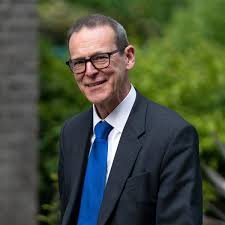 Cabinet Secretary Shake-Up Triggers Due Diligence Warning
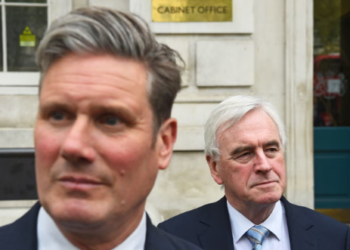 Starmer Faces Inquiry Calls Over Thinktank Probe
 Royal Mail Delivery Crisis Deepens Amid Weather Chaos
 UK shelves £110m border project amid trade strain
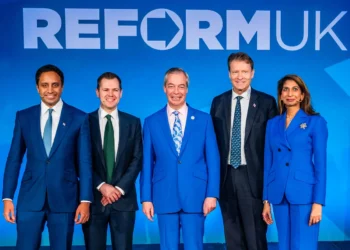 Farage Unveils Reform UK Frontbench Team
 California Democrats Vow Trump Reckoning
 Trump Tariffs Threat Spark UK and EU Alarm
 Wales Approves Assisted Dying Bill Consent
 UK EU Trade Reset Gains Public Backing
 Your Party leadership fight nears dramatic end
 Green Party Stuns Labour in Gorton and Denton Byelection
 Corbyn Leads Your Party in Coordinated Left-Flank Strategy
 Labour Together scandal sparks clean break vow
 Asylum Seekers to Work After Year-Long Wait
 Starmer Row as Greens Demand Apology
 Proposed Law Leaves Gap for Children of Convicted Paedophiles
 Gordon Brown urges court for crimes against children
 Starmer Praised for Stance on Trump and Iran Conflict
 Inquiry into HMRC child benefit errors launched by NAO
 NHS Plans to Cut Overseas Workers Labeled Overambitious
 Greater Manchester Expands Night Bus Network Across Boroughs
 Family Court Reform Promises New Era for UK Families
 Starmer rejects scepticism over McSweeney phone theft
 Army Probes Apache Flyover at Kid Rock’s Nashville Estate
 Starmer Defends Strategy for Closer Alignment with EU Rules
 Kezia Dugdale Warns of Possible Reversal of Equal Rights Gains
 Starmer Faces Commons Test Over Mandelson Scandal
 Crackdown Backfires on UK Climate Protesters
 Starmer Survives Mandelson Rebellion
 Labour Members Doubt Starmer Future as Burnham Leads Poll
 Reform UK Faces Crisis as Newly Elected Councillors Resign
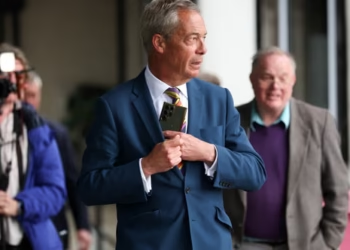 Farage Faces New Questions Over Private Helicopter Use
 NHS Drug Deal Faces Legal Threat Over US Trade Agreement
 Green Party Makerfield Candidate Resigns Over Posts
 UK Welfare: Focus on Jobs Over Benefit Cuts, Says JRF
 Secret Role of UK Security Services in Troubles Amnesty Law
 Starmer Leadership Under Pressure After Setbacks
 The Hidden Crisis Eroding Trust in British Communities
 Deepfake Abuse on X Sparks Safety Concerns for Dissidents
 Modernising the Military: Carns Demands Urgent Procurement Reform
 UK Ministers Lobby Trump Over Under-16s Social Media Ban
 Starmer Resolves to Fight Burnham in Leadership Battle
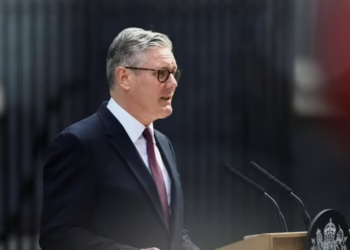 Starmer Resigns as Prime Minister Amid Internal Pressure
 MP Warning: Northern Rail Risks Repeating HS2 Failures
 Hollie Ridley to Step Down as Labour General Secretary
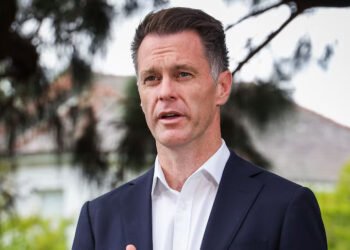 New South Wales Premier Chris Minns Signals Tough Road Ahead for Labor
 Jarvis Urges Burnham to Secure 3.5% Defence Spending
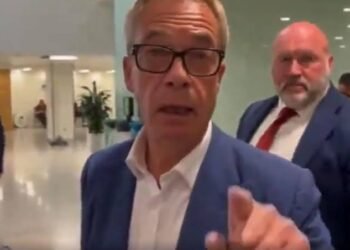 Farage Warns Sky News Following Financial Inquiry
 Reform UK Finances Face Deep NCA Probe
 Ann Widdecombe, Formidable Political Figure, Dies at 78
 Treasury Reform Urged After Tragic Loss
 Sadiq Khan Backs Call for Maximum UK Work Heat Limit