Published: 25 March 2026. The English Chronicle Desk. The English Chronicle Online.
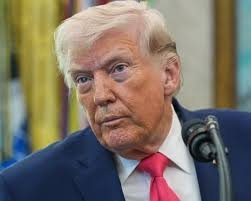
The renewed push for a Trump Iran plan has sparked cautious reactions across diplomatic circles this week. As Donald Trump signalled progress towards a potential agreement, experts quickly questioned whether the proposal truly reflects new thinking. Reports suggest the framework closely mirrors a rejected 2025 proposal, raising concerns about its viability.
Diplomats familiar with earlier negotiations believe the current outline largely reuses a 15-point framework first presented in May 2025. That earlier initiative formed the backbone of late-stage nuclear discussions, which ultimately collapsed following Israeli airstrikes targeting Iran’s nuclear infrastructure. The reappearance of this framework now introduces uncertainty about whether meaningful progress has been achieved.
The revived Trump Iran plan arrives at a delicate moment, with tensions still simmering across the Middle East. Trump’s recent decision to delay potential military strikes on Iranian energy infrastructure has been interpreted in multiple ways. Some observers see it as a diplomatic opening, while others view it as a tactical move aimed at stabilising financial markets.
Iranian officials have openly criticised Trump’s announcement, suggesting it was designed to influence investor confidence rather than signal genuine diplomatic intent. Tehran insists that no direct negotiations have taken place, aside from indirect communications concerning the possibility of resuming talks. This divergence in narratives has deepened scepticism surrounding the proposed agreement.

The original 15-point framework contained several provisions that Iranian negotiators previously found unacceptable. Among the most contentious elements were strict limitations on how Iran could use funds released through sanctions relief. The proposal also restricted spending on ballistic missile development, a key component of Iran’s defence strategy.
Additionally, the plan required Iran to transfer all enriched uranium stockpiles خارج the country while reducing enrichment levels to internationally accepted thresholds. It also demanded that enrichment facilities be rendered inoperable within a short timeframe. Such conditions were widely viewed as overly restrictive, undermining Iran’s strategic autonomy.
Despite these challenges, the United States maintained that the plan offered significant incentives, including partial sanctions relief and support for a civilian nuclear programme. This programme would involve external fuel supply arrangements and oversight by international agencies. However, the limited scope of sanctions relief remained a sticking point for Tehran.
Critics argue that the reintroduction of these conditions under the Trump Iran plan signals either a lack of flexibility or a strategic attempt to project progress. Some diplomats believe Washington may not yet have developed a substantially revised proposal. If a new version exists, it has not been formally presented to Iranian officials.
Meanwhile, developments in 2026 have further complicated the diplomatic landscape. US military actions targeting Iranian nuclear facilities have significantly altered the balance of power. These strikes reportedly caused extensive damage to key enrichment sites, potentially reshaping the parameters of any future agreement.
In this evolving context, Iran is expected to prioritise security guarantees in any renewed discussions. Officials are likely to demand firm assurances that the United States will refrain from further military attacks. Such guarantees, however, remain politically difficult for Washington to provide.
Regional concerns also continue to influence negotiations. The strategic importance of the Strait of Hormuz, a critical global energy corridor, remains central to discussions. Ensuring freedom of navigation through this route is a priority for both Western nations and Gulf allies. Any agreement will likely need to address these broader security concerns.
The possibility of hosting talks in Islamabad has added a new diplomatic dimension. Shehbaz Sharif has confirmed Pakistan’s willingness to facilitate discussions, positioning the country as a neutral intermediary. This move has been welcomed cautiously by several stakeholders seeking to reduce tensions.
Speculation has also emerged about the potential involvement of JD Vance in future talks. Vance is widely regarded as more cautious about military escalation, which could help build trust with Iranian negotiators. His presence might signal a shift towards a more balanced diplomatic approach.
However, divisions among Western allies continue to complicate the situation. The upcoming meeting of G7 foreign ministers in Paris is expected to highlight differing perspectives on the conflict. Several member states, including the United Kingdom, France, and Germany, have expressed concerns about the legality and necessity of recent US actions.
These countries emphasise the importance of diplomacy and regional stability, even as they reaffirm commitments to protecting allies in the Gulf. Their stance underscores a broader reluctance to support unilateral military interventions without clear international backing. This divergence could weaken collective pressure on Iran.
At the same time, Iran faces its own strategic calculations. The damage inflicted on its nuclear infrastructure may influence its willingness to negotiate, but it also raises questions about long-term resilience. Tehran must balance the need for economic relief with the desire to maintain sovereignty over its nuclear programme.
The Trump Iran plan therefore sits at the intersection of competing priorities, both domestically and internationally. For the United States, the challenge lies in crafting an agreement that satisfies security concerns while remaining politically viable. For Iran, the focus remains on securing meaningful concessions without compromising national interests.
Observers note that the scope of negotiations has expanded significantly since 2025. What began primarily as discussions over nuclear activities now encompasses broader issues, including regional security, economic sanctions, and military engagement. This complexity makes reaching a comprehensive agreement increasingly difficult.

Despite these challenges, some analysts remain cautiously optimistic about the potential for progress. They argue that the current situation, while tense, creates an opportunity for renewed dialogue. The postponement of military action may provide a window for diplomatic engagement, even if trust remains fragile.
Yet the lack of transparency surrounding the Trump Iran plan continues to fuel uncertainty. Without clear details or confirmed commitments, it is difficult to assess whether the proposal represents a genuine breakthrough. Much will depend on whether both sides are willing to compromise.
For now, the international community watches closely as developments unfold. The coming days could prove निर्णायक in determining whether diplomacy can prevail over confrontation. The outcome will have significant implications not only for US-Iran relations but also for global stability.
As discussions potentially resume, the success of any agreement will hinge on addressing the underlying issues that have long divided the two sides. This includes building trust, ensuring compliance, and balancing competing strategic interests. Achieving these goals will require careful negotiation and sustained commitment.
Ultimately, the renewed focus on the Trump Iran plan highlights the enduring сложности of resolving one of the world’s most persistent geopolitical challenges. While the path forward remains uncertain, the stakes could not be higher. A successful agreement would mark a significant خطوة towards stability, while failure risks further escalation.
Related News:
 BBC to Apologise Over Edited Trump Speech Amid Backlash
 Britain deploys RAF specialists to assist Belgium with drone threats
 US Justice Department Files Lawsuit Against California Over Partisan Voting Maps
 Greene Pushes Epstein Files Amid Trump Fallout
 Trump Deploys DHS to Charlotte in Major Arrest Operation
 December Run-Off in Chile as Election Produces No Winner
 Canada Passes Carney’s First Budget in Tight Parliamentary Vote
 Shadow Fleet at Sea: Europe’s Battle Against Illicit Oil Shipping
 Pentagon Officials in Ukraine to Discuss War End
 Venezuela Threatens Nobel Winner Machado with Fugitive Status
 Georgians Defy Government Crackdown After Year of Protests
 India’s Labour Law Overhaul Sparks Fierce Debate
 EU plans $105bn Ukraine aid using frozen Russian assets
 Global campaign launched to free Palestinian leader Barghouti
 Trump Policies Boost China’s Global Rise, Survey Finds
 Iran unrest slows under brutal crackdown and global tensions
 Pentagon Signals Reduced Role in Deterring North Korea
 Thousands Protest ICE Operations in Nationwide US Day of Action
 Epstein Files Reveal Trump Officials’ Emails with Financier
 Starmer Condemns ‘Depraved’ Russian Strikes on Ukraine
 Herzog visit sparks protests across Australian cities
 UK and US Drop in Global Corruption Index Rankings
 Sydney Protest Escalates and Elderly Woman Suffers Severe Injury
 Tarique Rahman’s Rise Toward Bangladesh’s Top Job
 Glass Cliff Debate After Ley’s Ouster
 Canberra Poster Seizure Sparks Free Speech Row
 Evo Morales Returns After Mysterious Absence
 AFP Reviews Pauline Hanson Comments
 Duterte ICC Hearing Begins Amid Defiance
 Trump Tariffs Threat Spark UK and EU Alarm
 The Dangerous Rise of Remigration Across Modern Europe
 Trump’s Marathon Speech Fails to Mask a Growing National Disconnect
 Jacinda Ardern Moves To Australia Following Her US Fellowships
 US to offer passport services in West Bank settlements
 Jacinda Ardern Move Sparks Kiwi Reflection
 Health Funding Row Rocks US‑Africa Relations
 Nick Greiner Warns Over Election Review Fallout
 New UK-EU Reset Faces Criticism from Parliament
 Cuba charges six exiles for terrorism after speedboat raid
 Iran Defiance Grows Amid US-Israel War Pressure
 US Strikes on Iran Set for Most Intense Day Yet
 Injured Mojtaba Khamenei Elevated as Iran Leader
 Gordon Brown urges court for crimes against children
 Moscow Internet Blackouts Raise Censorship Fears
 Oil Prices Jump After Trump Claims Iran Oil Hub Destroyed
 Republicans Rebuke FCC Threat Over Iran War Coverage
 Pakistan Targets Militant Hideouts in Afghanistan
 Danish Election Deadlock Shakes Frederiksen’s Grip
 Trump to Visit China in May After Iran War Delay
 Pope Rebukes Leaders for War as Middle East Tensions Rise
 Trump to Deploy “God Squad” Over Gulf Wildlife Protections
 Army Probes Apache Flyover at Kid Rock’s Nashville Estate
 Italian Town Buys Mussolini Villa to Keep Away Fascist Fans
 Report Says Pezzullo Acted ‘Recklessly’ in Dealings
 Trump Employs Nixon’s Madman Theory Amid Iran Crisis
 Trump Voices Frustration Over Nato Role in Iran Conflict
 Hungary election: Orbán faces biggest test amid scandal
 Suspected Plot Targets Pipeline Before Hungary Vote
 Trump Slams UK Ties and Threatens To Rewrite Trade Deal
 Southeast Asia Turns to Russia Amid Energy Crisis
 Capitalism ‘Suicidal’, Warns Petro at Climate Summit
 Judge halts deportation of Yemeni refugees in US
 Activists allege abuse after Gaza flotilla seizure
 Trump approval plunges amid Iran war fears
 Ohio’s Battle for Trust: Democrats Vying to Flip the Buckeye State
 US ‘Narco Boat’ Strikes Draw Global Outcry
 Ohio Primaries Set Stage for Crucial Midterms
 Afghan Families Left in Limbo Face Risk of Deportation
 Tensions Emerge in Netanyahu-Trump Alliance
 US Awaits Iran Reply on New Ceasefire Proposal
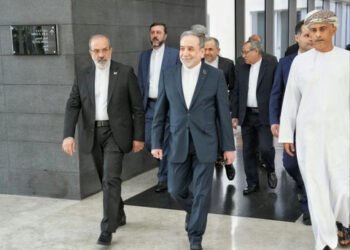 Hormuz Talks Near Critical Stage
 Discontent grows around Putin amid war strain
 Starmer Leadership Under Pressure After Setbacks
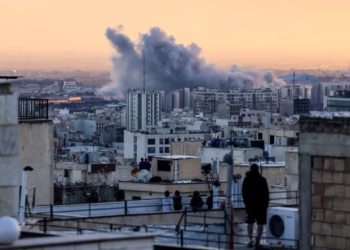 House Curbs Trump’s War Powers in Rare Rebellion
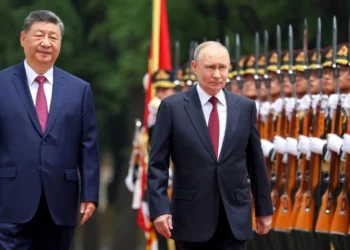 Germany Summons Chinese Envoy Over Russian Troop Training
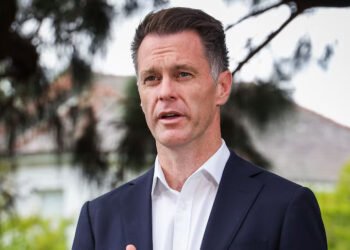 New South Wales Premier Chris Minns Signals Tough Road Ahead for Labor
 Le Pen to Run for President Despite Embezzlement Conviction
 Ukraine Creates Long-Range Strike Command
 Le Pen’s Popularity Holds Despite Conviction
 Houthis Strike Saudi Arabia as Middle East Tensions Rise