Published: 26 March 2026. The English Chronicle Desk. The English Chronicle Online.
The World Health Organization has issued a grave warning regarding a health crisis now unfolding in the Middle East. Dr Hanan Balkhy, the regional director for the Eastern Mediterranean, spoke passionately about the current situation. She described a landscape where medical infrastructure is crumbling under the weight of constant regional conflict. The health crisis is no longer a distant threat but a reality for millions of people. Hospitals that were once considered safe havens are now caught in the crossfire of war. This shift in warfare has created a dangerous environment for both patients and medical staff. Dr Balkhy emphasized that a total stop to all hostilities is now urgently required. Without a pause in fighting, the medical needs of the population cannot be met. The region includes twenty-two countries and territories facing various levels of extreme social instability. These areas include Iran, the Gulf states, Gaza, Sudan, Afghanistan, and also Pakistan.
The scale of the health crisis is visible in the sheer number of displaced people. More than three million individuals have fled their homes in Iran in recent weeks. Lebanon has also seen over one million people displaced due to the ongoing violence. Such massive movements of people put an incredible strain on already fragile health systems. People with chronic illnesses are finding it nearly impossible to access their regular treatments. Life-saving medications for heart disease and diabetes are becoming increasingly scarce in many cities. When hospitals close, the vulnerable members of society are always the first to suffer. The collapse of access to healthcare is happening on a scale previously thought unimaginable. Maternal mortality rates are expected to rise as safe birthing facilities become very rare. Mental health support is also vanishing at a time when it is needed most. Children are being left orphaned and without any access to a formal education.

The potential for a nuclear disaster adds another layer of terror to the health crisis. Dr Balkhy expressed deep concern regarding the safety of various nuclear sites in the region. Reports indicate that projectiles have already landed near the Bushehr nuclear power plant recently. Any damage to such facilities could lead to catastrophic long-term environmental and health consequences. The World Health Organization is currently updating its guidance to prepare for such an event. Teams are working tirelessly to mitigate the risks associated with potential radiation exposure. Beyond nuclear threats, the safety of the water supply is also a major concern. Many countries in the Gulf rely almost entirely on water from desalination plants. If these facilities are targeted, millions of people could be left without drinking water. This would create a humanitarian disaster that the region is not prepared to handle. Contamination from oil sites or nuclear facilities could also reach underground water sources easily.
Even rainwater could carry dangerous pollutants into the earth following major industrial or military strikes. The interconnected nature of the environment means that one strike can affect many nations. This health crisis is truly regional and does not respect any international borders or lines. Dr Balkhy noted that the only real solution is a significant de-escalation of war. A permanent pause in the escalation of violence is the only way forward now. The international community must prioritize the protection of the entire healthcare sector immediately. Hospitals, health workers, and patients must be shielded from the effects of active combat. In previous decades, people would flee to hospitals to find safety from the bombs. That sense of security has completely vanished in the current climate of modern warfare. Bringing back compliance with international humanitarian law is a vital goal for global leaders. We must ensure that medical facilities are never viewed as legitimate military targets.
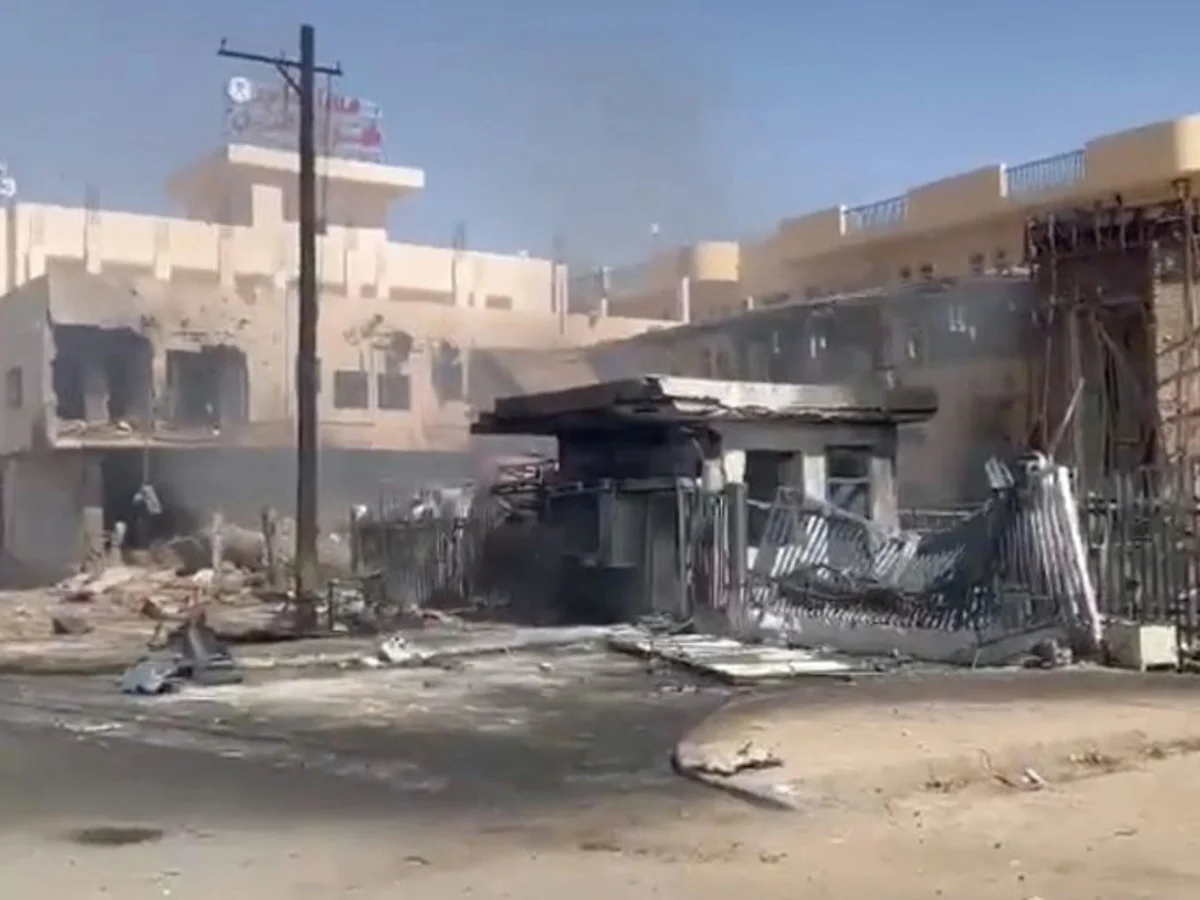
The focus on the US-Iran conflict has also led to other regions being neglected. The ongoing suffering in Gaza, Sudan, and Yemen is frequently slipping from the headlines. This neglect causes even more hardship for those living through those long-standing conflicts. In Sudan, a recent attack on a teaching hospital resulted in many tragic deaths. This included the loss of children, nurses, and a dedicated doctor during the strike. Such events leave hospitals completely nonfunctional and leave entire communities without any medical care. The health crisis is worsened when the world turns its eyes away from suffering. Every life lost to a lack of medical care is a profound tragedy. The World Health Organization continues to verify dozens of attacks on healthcare facilities daily. These actions represent a total breakdown of the rules that govern civilized conflict. We must remember the human faces behind the statistics reported in the daily news.

The long-term effects of these conflicts will persist for many generations to come. Even if the fighting stopped today, the psychological scars would remain for decades. Rebuilding a destroyed healthcare system takes a massive amount of time and resources. The loss of trained medical professionals is a blow that is hard to recover. Many doctors and nurses are forced to flee their homes to seek safety. This leaves a vacuum of expertise in the places where it is most needed. The health crisis is therefore both an immediate emergency and a future challenge. International aid must be coordinated effectively to reach the most vulnerable people quickly. The challenges are immense, but the cost of inaction is far higher for everyone. We are witnessing the collapse of basic human rights in real time across the region. The call for peace is not just political but a fundamental medical necessity. Protecting the health of a population is essential for any hope of future stability.
As the situation evolves, the role of the World Health Organization remains absolutely critical. They provide the data and the warnings that the world needs to hear now. Dr Balkhy’s message is a plea for humanity in a time of great darkness. The international community has a responsibility to act before the situation worsens further. Every day of continued fighting brings us closer to a point of no return. We must advocate for the safety of those who provide care to others. The health crisis can only be managed if there is a safe space to work. Innovation in mobile clinics and remote medicine may provide some very small relief. However, these are only temporary fixes for a much deeper and systemic problem. True healing can only begin when the sound of gunfire finally fades away. The people of the Middle East deserve a future free from constant medical fear. They deserve a system that protects them when they are at their weakest.
The English Chronicle will continue to monitor this developing story with great professional care. We stand with the medical professionals who risk their lives to save others every day. Their bravery is a beacon of hope in a very difficult global landscape. We must not allow ourselves to become numb to the reports of daily violence. Each headline represents families torn apart and lives changed forever by the war. The health crisis is a reminder of our shared vulnerability as human beings. We all require clean water, safe medicine, and a place of healing nearby. Let us hope that the warnings from the WHO are finally taken seriously. A peaceful resolution is the only way to heal the wounds of the region. The time for diplomatic action and humanitarian intervention is certainly right now. We cannot afford to wait for the next tragedy to occur before we act. The health of millions depends on the decisions made by leaders in the coming days.
Related News:
 Middle East Flights Halted After Iran Strikes
 US Iran Operation: Sixth Service Member Killed
 Hezbollah Anger Erupts as War Returns to Beirut
 Gaza Siege Deepens as Iran War Escalates
 Riyadh Drone Attack Escalates Regional War
 Middle East attacks intensify as Trump rejects Iran talks
 Iran-Iraq border airstrikes spark new tensions
 Iran-Iraq Border Strikes Spark New Front Fears
 Iran-Backed Militias Escalate Attacks Across Middle East
 UK Prepares Aircraft Carrier for Middle East Crisis
 Mojtaba Khamenei Chosen as Iran’s New Supreme Leader
 Tehran Oil Depot Strikes Darken City With Toxic Smoke
 Seventh US Service Member Killed in Iran Conflict Identified
 Mojtaba Khamenei Supporters Rally as Iranians Fear Repression
 Tehran Strikes Mark War’s Most Devastating Night
 Iran Defiance Grows Amid US-Israel War Pressure
 Hormuz Crisis Sparks Global Oil Market Fears
 Iranian Exile Factions Seek US Backing for Iran’s Future
 US-Israeli Strategy Shifts to Plan B in Iran War
 Injured Mojtaba Khamenei Elevated as Iran Leader
 US Missile Strike on Iran School Sparks Global Shock
 Iran Gulf attacks escalate as ships and airports targeted
 Iran Conflict: Trump’s Uncertain Path and Diplomatic Off-Ramp
 Ancient Heritage Sites Damaged in Recent Airstrikes
 Tehran Diary: Dark Days Under Relentless Bombardment
 British Tourist Charged Over Dubai Missile Strike Video
 Gaza Detainee Abuse: Israel Drops Charges Against Soldiers
 Trump Iran War Stance Hardens as Conflict Widens
 Lebanon Ground Campaign Raises Occupation Fears
 Gulf Tensions Rise as Iran Alleges Covert Support
 Kabul hospital strike sparks deadly blame row
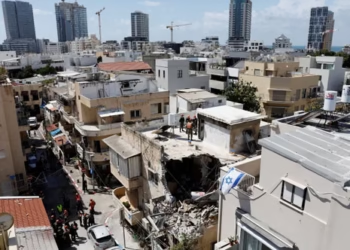 Iran Threatens Total Destruction of Mideast Energy Grid
 Ghalibaf Iran: Survivor Emerges in Shifting Power Game
 Gulf Distrust Grows Over Rumoured US-Iran Peace Talks
 Saudi Arabia Urging US to Keep Up Iran Attacks
 Iranian President’s Son Shares Wartime Hopes and Fears
 Iran Warns of US Ground Assault Amid Rising War Tension
 MAGA Anxiety and the Iran War: A Movement Divided at CPAC
 Trump Threatens Iran With Total Infrastructure Destruction
 Iran Drone Strike Hits Kuwaiti Oil Tanker in Dubai Port
 Albanese to Address Nation as War Sparks Economic Crisis
 Death, displacement and military duties: children plunged into crisis
 Trump’s Six-Week Iranian War: The High Cost of Ignorance
 Beirut Under Fire: Massive Israeli Strikes Shaking Lebanon
 Middle East Analysis: The Cost of a Fragile Peace
 Lebanon Must Join Ceasefire to Prevent Escalation, Says Cooper
 Israel Launches Massive Airstrikes Across Lebanon
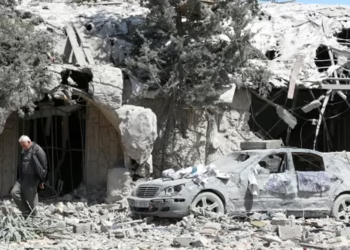 Netanyahu Vows Continued Lebanon Strikes Amid Peace Talks
 Iran Crisis Tests Trump’s Global Leadership
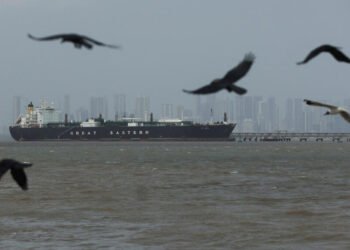 US and Iran Pursue Extension of Ceasefire via Pakistan
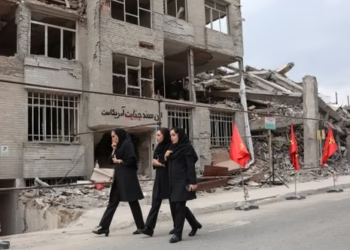 Uncertain Peace: Tehran Residents Face a Ruined Capital
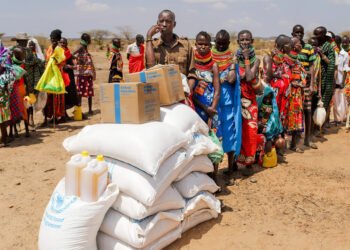 Aid Crisis Grows as Hormuz War Disrupts Supply
 Trump likens US Navy actions to ‘pirates’
 Global order shifts amid Trump-era turmoil
 Middle East Crisis Escalates as Oil Routes Shake Markets
 Tensions Emerge in Netanyahu-Trump Alliance
 Trump Rejects Tehran Peace Plan as Regional Truce Crumbles
 Netanyahu Calls Early Election Amid Coalition Turmoil
 Tensions Flare as Israeli Nationalists March in Jerusalem
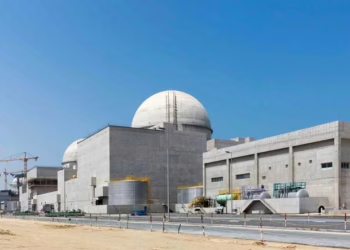 Gulf Crisis Deepens After Drone Attack Near Nuclear Facility
 Global Flotilla Intercepted in International Waters
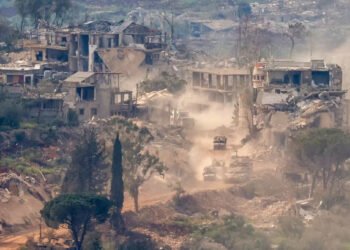 Israeli Strikes in Lebanon Kill 10 Amid Ceasefire Strain
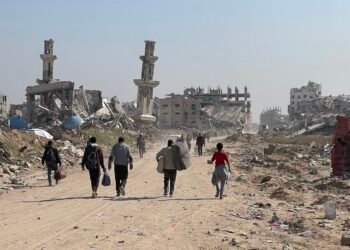 Hunger increasingly weaponised in global conflicts
 Former ICC prosecutor condemns US sanctions
 Trump Claims Iran Peace Deal Near Completion
 US Strikes Iranian Sites Amid Shaky Ceasefire Talks
 Israel Intensifies Lebanon Strikes to Crush Hezbollah
 Trump’s Iran Deal Plan Sparks Intense Alarm Across Israel
 US and Iran Trade Fresh Strikes, Threatening Ceasefire
 Trump Confronts Netanyahu in Explosive Beirut Phone Call
 Iran To Propose New Shipping Fees In Strait Of Hormuz
 Grief and Devotion Amidst the Rubble of Nabatieh
 High Drama in Tehran Over Secret Nuclear Letters
 Houthis Strike Saudi Arabia as Middle East Tensions Rise
 BBC to Apologise Over Edited Trump Speech Amid Backlash
 Greene Pushes Epstein Files Amid Trump Fallout
 Zelenskyy Signs Fighter Jet Deal Amid Russian Drone Attacks
 Shadow Fleet at Sea: Europe’s Battle Against Illicit Oil Shipping
 Trump and Tehran Find Common Ground in Landmark Ceasefire
 Scepticism and tight security as Beijing braces for Trump