
Published: March 30, 2026. The English Chronicle Desk. The English Chronicle Online—Providing trusted news and professional analysis for the UK.
Local authorities across the United Kingdom are facing renewed pressure to adopt a single, universal payment system for public parking as the Department for Transport ramps up the nationwide rollout of the National Parking Platform (NPP). The move comes amid growing public frustration over a fragmented digital landscape that forces motorists to juggle dozens of competing smartphone applications, often leading to “accidental” fines in areas with poor mobile connectivity or confusing signage. Consumer advocacy groups and motoring organizations have labeled the current system a “digital lottery,” where a driver’s ability to pay depends entirely on having the correct proprietary software pre-installed and a functional 5G signal.

The National Parking Platform, which has been in pilot stages for several years, is designed to act as a central hub that links various parking providers such as RingGo, PayByPhone, and JustPark into a unified infrastructure. Under this “one app fits all” model, a motorist could use their single preferred application to pay for a stay in any participating council-run car park or on-street bay, regardless of which company manages the specific site. Proponents of the scheme argue that this would drastically reduce the number of Penalty Charge Notices (PCNs) issued for technical errors, such as when a driver accidentally pays through the wrong app or cannot download a new one quickly enough due to a “dead zone” in signal coverage.
Recent data suggests that the push for digitalization has outpaced the reliability of the technology. As many councils decommission traditional coin-operated machines to save on maintenance and collection costs, motorists—particularly the elderly and those in rural areas—report being “digitally excluded” from basic public services. The government’s Future of Roads Minister, Lilian Greenwood, has championed the NPP as “public infrastructure done right,” emphasizing that the project is being delivered by the private sector on a not-for-profit basis with no additional cost to the taxpayer. Currently, the platform is active in over a dozen local authority areas, processing upwards of 600,000 transactions per month, but critics argue that the voluntary nature of the scheme means many councils are dragging their feet to protect their own localized enforcement revenue.

The debate over “unfair” fines has intensified following reports of motorists being penalized despite making good-faith efforts to pay. In many instances, drivers find themselves in a race against time to register an account, enter vehicle details, and provide payment information before a camera-equipped enforcement vehicle triggers a fine. A universal app would eliminate this “registration fatigue,” allowing for a seamless transition between different cities and boroughs. While some local leaders have expressed concerns over the loss of direct control and the potential for increased transaction fees, the overwhelming consensus from driver groups like the RAC is that the current “app-pocalypse” is unsustainable and detrimental to the economic health of high streets.
Related News:
 Met Police Using AI Tools Supplied by Palantir to Flag Officer Misconduct
 How to Exit Your Broadband Contract Without Paying Exit Fees
 Michele Dougherty Makes History as the UK’s First Female Astronomer Royal
 Unseen Killers of the Deep Inside the UK Lab Uncovering the Silent Deaths of Sea Creatures
 UK Launches World-First Gonorrhoea Vaccine Amid Record Infection Surge
 Mind the Grab’: Bold Campaign Launched on Oxford Street to Combat Phone Theft
 AI Tools Used by English Councils Found to Downplay Women’s Health Issues, Raising Concerns Over Gender Bias in Care
 From ‘Skibidi’ to ‘Mouse Jiggler’: Cambridge Dictionary Expands with Modern Slang and Social Terms
 Shocking Rise in Children’s Exposure to Violent Online Pornography Raises Alarm
 Ed Davey Urges Government to Block Elon Musk’s Tesla from Supplying UK Home Energy
 Britain’s Butterfly Numbers Rebound but Remain Average
 UK Could Generate Nearly £2bn Annually by Taxing SUVs, New Study Reveals
 Jaguar Land Rover Extends Production Halt Following Cyber-Attack
 Persistent Offenders Owe Over £700m in Ulez Fines as TfL Cracks Down on Evasion
 British AI Startup Outshines Human Forecasters in Global Prediction Contest
Public Skepticism Over AI Poses Challenge to UK’s Superpower Ambitions, Says Tony Blair Institute
British AI Startup Outshines Human Forecasters in Global Prediction Contest
Public Skepticism Over AI Poses Challenge to UK’s Superpower Ambitions, Says Tony Blair Institute
 UK Fighter Jet Purchase Could Breach Nuclear Treaty, Warns CND
 Omeprazole Alert: NHS Issues Guidance on Safe Use for Heartburn and Indigestion
 Royal Mail Owner Acquires Stake in Collect+ and Launches High Street Rebrand
 Russia repeatedly targets UK military satellites, warns Space Command chief
 Eligibility Confusion Over COVID Vaccination Leaves Pharmacies Struggling Across the UK
 Millions in the UK at Risk of Cyber-Attacks as Microsoft Ends Windows 10 Updates, Warns Which?
 Majority of UK Men Would Opt for Prostate Cancer Screening, Survey Finds
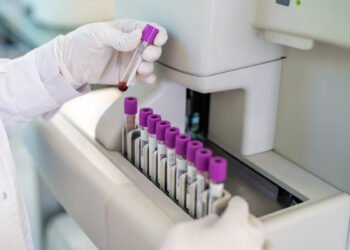 Scientists Announce First Potentially Accurate Blood Test for Chronic Fatigue Syndrome
 Cooper Unveils £4m Cyber Plan Against Russian Hackers
 Survey Shows Most GPs Rushing Appointments
 Yvette Cooper Backs Digital ID Plan for UK Teens
 Genetic Tests May Predict Return of Blood Cancer
 UK Woman Becomes Longest Survivor of Heart-Lung Transplant
 Labour MPs Warn Digital ID Scheme Risks Cost and Support
 Thousands in the UK sue Johnson & Johnson over alleged talcum powder, linked to cancer
 ‘Game-Changing’ HIV Prevention Jab Set for NHS Approval
 Runners’ records at risk as Garmin goes to war with Strava
 Reform UK candidate fined £19,000 after using AI-generated cases to challenge election
 Harry and Meghan join global AI leaders urging superintelligence ban
 UK Campaigners Launch Bill to Grant Legal Rights to Nature
 Met Launches Drones to Respond Rapidly to 999 Calls
 UK Bans Fake Numbers: Scammers Lose Their Trick
 Experts Urge Legal Right to Timely Cancer Care
 Patients to Test Health at Home to Ease NHS Winter Pressure
 One of world’s last dinosaurs on sale for £3m
 North Sea oil workers must lose weight or face job loss
 Government urges schools to ban phones to curb classroom disruption
 Northern Lights may illuminate UK skies this week
 Valve Opens the Door for Android Games on Steam
 UK launches major AI drive to fight deadly superbugs
 Coffins Now Too Large to Cremate Amid Rising Obesity Crisis
 UK Taskforce Unveils Plan to Streamline Nuclear Reactor Rules
 NHS paediatric leave parents waiting months for answers
 Ofcom urges platforms to limit abuse and curb online ‘pile-ons’
 Starmer’s communications chief to outline media strategy overhaul
 UK Car Sales Pass 2 Million as Chinese Brands Surge
 AI Grok Sparks Child Safety Alarm in the UK
 Amazon Milton Keynes closure sparks concern for UK warehouse workforce
 AI will transform human jobs, enhancing skills, says minister
 Robo-Vaccination Could Transform Fight Against Bovine TB
 MPs warn AI financial risks threaten UK stability
 MPs warn AI financial risks threaten UK stability
 Pornhub blocks new UK users over age checks dispute
 UK New Car Discounts Near £6,000 as Prices Are Slashed
 Childnet Censorship Row Over Teen Safety Speeches
 Facial Recognition Error Leads to Wrongful Arrest in Milton Keynes
 UK’s First Geothermal Plant Powers 10,000 Homes
 Anthropic Boss Rejects Pentagon Demand to Drop AI Safeguards
 UK Social Media Ban for Under-16s Gains Momentum
 UK Teen Social Media Ban Trials Begin
 Water Cremation Introduced in UK First
 Boy George Says He’s Using ChatGPT to Help Write New Songs
 Streeting Criticises SNP Over NHS App Dispute
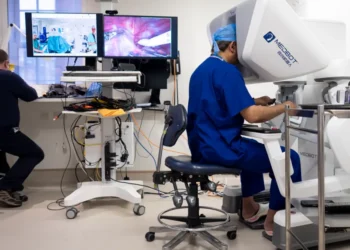 Surgeon’s op on patient 1,500 miles away a UK first
 Ministers Urged to Act Faster on Deepfakes Threat
 MPs Reject Ban on Social Media for Under-16s
 AI Deepfake ‘Content Farms’ Target UK Politics
 Bank of Scotland App Glitch Lets Customers See Other Users’ Transactions
 UK Pushes NHS and MoD to Buy British Tech
 Scientists Unveil Heavier Proton at CERN LHC
 India’s $300bn Outsourcing Industry Faces AI Test
 Charity Watchdog Warns Alan Turing Institute Over Conduct
 ‘F***, We’re Dead’: The Chilling Final Words from the Air France 447 Cockpit
 Spring Awakening: Temperatures to Hit 17°C as Britain Bathes in Sunshine