Published: 1 April 2026 . The English Chronicle Desk. The English Chronicle Online- Your definitive source for South Asian affairs and global data trends.
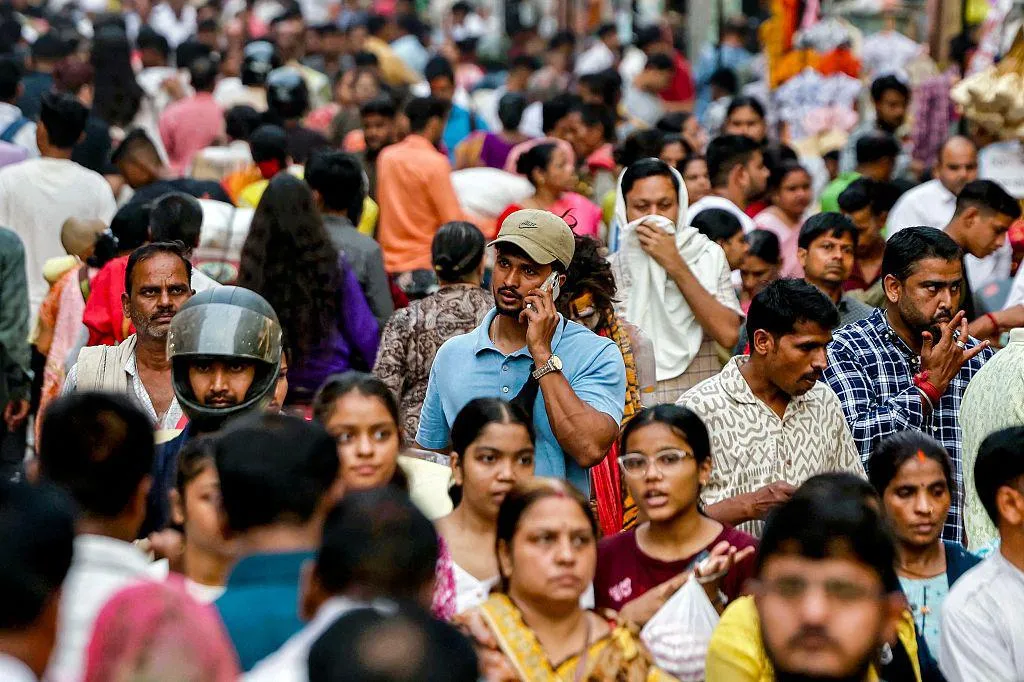
India has officially launched its 16th national census, a monumental administrative undertaking that aims to count and profile more than 1.4 billion people across the world’s most populous nation. Marking the first such count in over fifteen years, the exercise began on Wednesday with more than three million officials fanning out across 36 states and union territories. This census, originally scheduled for 2021 but delayed significantly by the global pandemic and subsequent administrative hurdles, is being hailed as the most ambitious and technologically advanced population survey ever attempted.

The operation is divided into two distinct phases, starting today with the “Houselisting and Housing Census.” Over the next six months, enumerators—primarily made up of teachers and local government staff—will visit every structure in the country, from the high-rises of Mumbai to the most remote Himalayan hamlets. They carry a standardized questionnaire featuring 33 specific questions designed to capture the changing face of modern India. Citizens are being asked about everything from the material of their roofs and floors to their primary source of drinking water, the type of cereal they consume, and their access to digital tools like smartphones and the internet.
A significant evolution in this year’s census is the transition to a digital-first approach. For the first time in Indian history, officials are using mobile applications to record data in real-time, a move intended to drastically reduce the years-long lag typically associated with processing paper records. Furthermore, the government has introduced a self-enumeration portal, allowing tech-savvy households to submit their information online during a dedicated 15-day window before an official visits their home. This digital shift is seen as a reflection of India’s rapid technological growth over the last decade and a half.
Beyond simple demographics, the 2026 census carries immense political and social weight. The data collected will include information on caste, a deeply sensitive and significant metric used to determine affirmative action quotas and welfare distribution. As India’s population has now officially surpassed that of China, the results of this count will be foundational for the delimitation of parliamentary constituencies and the allocation of billions in government funding for healthcare, education, and infrastructure.

The second phase of the exercise, known as the “Population Enumeration,” is scheduled to take place in February 2027. This phase will focus on more granular details, including migration patterns, literacy, and economic status. As officials knock on doors today, the Indian government has called for full public cooperation, emphasizing that the accuracy of this data will shape the nation’s policy landscape for the next decade. While the scale of the task is daunting, the successful rollout on Wednesday signifies a major milestone in India’s effort to map its vast and diverse human landscape in the 21st century.
Related News:
 Police Assessing Stansted Airport Private Flights Over Epstein Ties
 Inside Kyiv’s resolve as conflict nears five‑year mark
 What to Watch for During Trump’s State of the Union Address
 US Partially Evacuates Beirut Embassy Amid Rising Iran Tensions
 ‘It’s Eerie’ – Dubai on Edge as City Comes Under Attack
 Muslim Group Wants Mosques to Be Used as Polling Stations Ahead of UK Elections
 Manchester Students Mourn Ayatollah Amid Protest
 Baba Vanga’s Chilling World War 3 Prediction and Russia’s New Leader
 Iranian Players Get Australian Visas After Anthem Protest
 Ecuador Deploys 75,000 Forces in Anti-Gang Drive
 Missing Cuba-Bound Aid Ships Spark Urgent Search
 PM Seeks to Reassure Australians Over Fuel Supply
 Status Quo Restored: Netanyahu Intervenes After Police Block Latin Patriarch from Holy Sepulchre
 UK Must Act with Courage and Clarity on Israel-Palestine Conflict, Says Foreign Affairs Committee Report
 Radioactive Leak at UK’s Nuclear Warhead Base Sparks Outcry Over Safety and Secrecy
 Mutual Inconvenience: Why Alaska Was Chosen for the Trump-Putin Summit on Ukraine
 Hong Kong Summons UK and Australian Envoys Following Asylum Grants to Democracy Activists
 Is the UK Ready to Put Boots on the Ground in Ukraine? Assessing Military Capacity and Challenges
 Conservative Influencer Charlie Kirk Fatally Shot During University Debate
 Channel Crossings Surge: Over 1,000 People Arrive in the UK in Small Boats in a Single Day
 Widow of Charlie Kirk Forgives Killer at Emotional Memorial Service
 Yvette Cooper Signals Global Momentum Towards Gaza Peace Deal Amid Humanitarian Crisis
 Russia’s Latest Push to Win US Favors Shows Deep Desperation
 BBC to Apologise Over Edited Trump Speech Amid Backlash
 Britain deploys RAF specialists to assist Belgium with drone threats
 Trump Urges Herzog to Grant Netanyahu Full Pardon
 Indian authorities demolish Kashmir home linked to Red Fort blast
 Greene Pushes Epstein Files Amid Trump Fallout
 December Run-Off in Chile as Election Produces No Winner
 Canada Passes Carney’s First Budget in Tight Parliamentary Vote
 Shadow Fleet at Sea: Europe’s Battle Against Illicit Oil Shipping
 India’s COP30 Delay Raises Global Climate Concerns
 Georgians Defy Government Crackdown After Year of Protests
 Albanese Opens Door to Bondi Royal Commission Amid Rising Pressure
 EU weighs response amid Greenland tariff crisis with Trump
 EU Says US Ties Have Suffered ‘Big Blow’ After Greenland Crisis
 Israel Moves to Bar MSF From Gaza Operations
 After the Landslide: Can India Reset Ties with BNP Bangladesh?
 Australian Families Leave Syrian Camp for Home
 Starmer Weighs Fast-Tracking Defence Boost
 Trump Attacks UK-California Energy Pact
 US Civil Rights Leader Jesse Jackson Dies Aged 84
 Snow and Rain Warnings as Cold Snap Continues in the UK
 Nine Arrested in France Over Death of Far‑Right Student
 Andrew Arrest Sparks Republic Debate in Australia
 Epstein Eyed Record Label Investment to Access Women, Files Suggest
 Australian PM Says Former Prince Andrew Has Suffered ‘Extraordinary Fall’ but That Won’t Prompt Republic Referendum
 Musk Cuts Starlink Access for Russian Forces – Giving Ukraine an Edge at the Front
 Farage Chagos Islands Row Sparks Fury
 Ukraine Negotiator Reveals What It Feels Like Facing Russia
 ‘We Pray for Peace’: Indian Filmmaker From Troubled State Who Won a BAFTA
 Chad Shuts Border With Sudan in Bid to Stop Conflict Spreading
 French Minister Moves to Block US Envoy Kushner from Government Access
 Has Europe truly learned from the failures of 2022?
 American Citizen Killed in Cuba Boat Shooting, U.S. Officials Say
 Iran’s Regime Still Intact — Coming Days Will Test Its Survival
 Trump Faces Questions Over Iran Conflict Plan
 Herzog Asio meeting sparks security storm
 ‘Every Day Feels Like a Month’: Iranians Describe Life Under ‘Constant’ US‑Israeli Strikes
 Finland Plans to Lift Decades‑Old Ban on Hosting Nuclear Weapons
 Minister Meets Crews Who Will ‘Take Out’ Iranian Drones
 Nine Days of Strikes Reshape the Middle East
 Trump Pressures Congress Over Save America Act
 Iran War Puts Trump at Political Risk Amid Rising Prices
 Iranian Football Squad Asylum Drama Shocks Australia
 Ukraine War Becomes Flashpoint in Hungarian Election
 Queensland Protest Laws Spark Free Speech Backlash
 Yvette Cooper: UK Must Follow Principles, Not US Pressure
 Trump Nato threats expose Iran strategy vacuum
 Trump’s Confidence Undimmed — But Every Iran Option Carries Risk
 Israel Says Iran Security Chief Larijani ‘Killed’
 Philippines energy emergency sparks coal power surge
 Trump Facing Backlash from Epstein Survivors Over Files
 Nepal to swear in ex-rapper as new prime minister
 UK Forces Ready to Seize Russian Shadow Fleet Vessels
 US Lawmaker Demands Testimony Over Sarah Ferguson’s ‘Close Epstein Ties’
 ‘Eye in the Sky’ Blinded: Photos Reveal Destroyed US Radar Jet at Saudi Base
 Trump Considers Military Operation to Seize Iran’s Uranium
 ‘The Final Word’: Kathleen Stock’s Polemic Against Assisted Dying Reshapes the UK Debate
 ‘The Cost of Living’: Asia’s Migrant Workers Debate if Gulf Jobs are Worth the Risk of War