
Published: 2 April 2026 . The English Chronicle Desk. The English Chronicle Online- Uncovering the truth in the nation’s longest-standing cold cases.
In a profound breakthrough for forensic science and the pursuit of justice, the Utah County Sheriff’s Office announced Wednesday that modern DNA technology has definitively linked the 1974 murder of 17-year-old Laura Ann Aime to the notorious serial killer Ted Bundy. The announcement, made during an emotional press conference on 1 April 2026, officially closes a case that has haunted the American Fork Canyon region for over half a century. While Bundy verbally confessed to the killing shortly before his 1989 execution, authorities at the time lacked the physical evidence necessary to formally close the file—until now.

Laura Ann Aime disappeared on Halloween night in 1974 after leaving a party in Utah County to visit a convenience store. Her body was discovered a month later by hikers in the American Fork Canyon; she had been bound, beaten, and strangled with a nylon stocking. For decades, the case remained a “suspected” Bundy killing, as the timing coincided with his period as a law student at the University of Utah—a time when several young women in the area went missing. However, it wasn’t until the Utah Bureau of Forensic Services utilized new, ultra-sensitive DNA extraction technology in late 2025 that investigators were able to isolate a single male profile from degraded samples preserved since the 1970s.
The match to Bundy’s DNA profile, which is stored in national law enforcement databases, was described by officials as “irrefutable.” Utah County Sheriff Mike Smith stated that the results provide “definitive proof” that Aime was one of Bundy’s victims, likely his third in the state of Utah. This revelation brings a somber resolution to a story that began more than 51 years ago, allowing the Sheriff’s Office to move the case from “unsolved” to “closed.” Sgt. Mike Reynolds, who spoke at the conference, referred to Aime as the “quintessential daughter of Utah County,” noting that the community has carried the weight of her loss for generations.
The impact on Aime’s surviving family members has been immense. Her younger sister, Michelle Impala, who was just 12 at the time of the murder, shared touching memories of her sister’s “free spirit” and their shared love of horses. “It’s really quite amazing that people are even still interested in Laura’s case,” Impala remarked, thanking the investigators and the media for refusing to let her sister’s memory fade. For the family, the confirmation serves as a form of “healing,” if not total closure, providing a name and a face to the evil that upended their lives in 1974.

Beyond the Aime case, the successful extraction of Bundy’s DNA from such aged evidence offers a new glimmer of hope for other cold case investigators across the Western United States. Authorities suggested that the refined profile could potentially be used to cross-reference other unsolved disappearances in Washington, Idaho, and Colorado from the same era. As the forensic community celebrates this milestone, the story of Laura Ann Aime serves as a powerful reminder that while time may pass, the commitment to the truth remains steadfast—ensuring that even decades later, no victim is ever truly forgotten.
Related News:
 Zuckerberg Defends Meta in Landmark Social Media Addiction Trial
 ABC Staff Strike Over Pay and AI Concerns
 How Iran Destroyed US Base’s $500m Battlefield Nerve Centre
 Trump Administration Dismisses 17 Immigration Judges, Sparking Debate Over Judicial Independence
 Northern Ireland Family of Three Shot Dead in Maguiresbridge Home Incident
 British AI Startup Outshines Human Forecasters in Global Prediction Contest
 UK Fighter Jet Purchase Could Breach Nuclear Treaty, Warns CND
 Google at 27: The Untold Story of Ruth Kedar, the Woman Behind the Iconic Logo
 Jailed Georgian Opposition Leaders Warn UK of Iranian Links to Ruling Party
 Russia repeatedly targets UK military satellites, warns Space Command chief
 Cooper Unveils £4m Cyber Plan Against Russian Hackers
 Experts Warn Russia’s Burevestnik Missile Could Destabilise Arms Control
 Johnson Approved China’s London ‘Super-Embassy’ in 2018
 Just Stop Oil Protesters Convicted Amid Climate Defence Row
 Britain deploys RAF specialists to assist Belgium with drone threats
 Government urges schools to ban phones to curb classroom disruption
 Trump Urges Herzog to Grant Netanyahu Full Pardon
 Hitler’s DNA Confirms He Truly Had Only One Testicle
 US Justice Department Files Lawsuit Against California Over Partisan Voting Maps
 Oklahoma Governor Grants Last-Minute Clemency to Death Row Inmate
 Pokémon to open world’s first theme park in Japan next year
 Trump Deploys DHS to Charlotte in Major Arrest Operation
 Tokyo court rules Japan’s same-sex marriage ban constitutional
 Chinese & Japanese Boats Clash Near Disputed Islands
 Indonesia to Repatriate Two Dutch Drug Convicts
 Starmer’s communications chief to outline media strategy overhaul
 US Clears Nvidia AI Chip Sales to China in Policy Shift
 Iran Signals Permanent Break From Global Internet, Activists Warn
 UK New Car Discounts Near £6,000 as Prices Are Slashed
 Emails Show Epstein Funded Mandelson’s Husband After Jail
 US Military Says Two Killed in Strike on Alleged Drug Boat in Eastern Pacific
 Jet2 Hands Passengers Life Ban After Mid‑Air Brawl
 Dual Nationals Face Scramble for UK Passports as New Rules Come Into Force
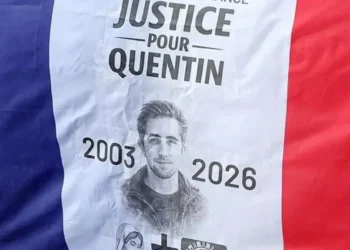 Nine Arrested in France Over Death of Far‑Right Student
 Indian University Kicked Out of AI Summit for Claiming Chinese Robot Dog as Its Own Invention
 China Shows Off Nunchuck‑Wielding Humanoid Robots for Lunar New Year
 How Much Could Andrew’s Arrest Hurt the Royal Family?
 The Chinese AI App Sending Hollywood Into a Panic
 Epstein Eyed Record Label Investment to Access Women, Files Suggest
 Epstein Files Could Be Just Tip of the Iceberg for Andrew Investigation
 Man Guilty of XL Bully Offence After Fatal Attack
 How Do You Modernise Mango Farming? India’s Growers Urged to Innovate as Climate Change Hits
 Live Nation Sees Strong Ticket Sales as Monopoly Lawsuit Looms
 ‘We’re Still on Edge’: Toy Firms Look to US Supreme Court as Tariffs Hit Profits
 Bill Gates Pulls Out of India’s AI Summit Over Epstein Files Controversy
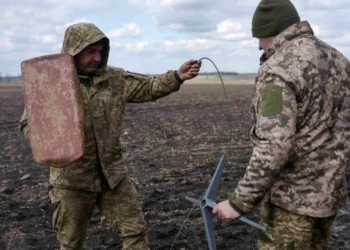 Musk Cuts Starlink Access for Russian Forces – Giving Ukraine an Edge at the Front
 ‘I reported rape in Hong Kong, now I could face prison’
 Sydney kidnapping mystery deepens as grandfather’s remains found after mistaken abduction
 US ‘Suitcase Murderer’ Deported From Bali After 11 Years in Jail
 Social Media Trial: Woman Says Addiction Began at Six
Instagram Investigating AI Profiles ‘Fetishising’ Disabled People
Social Media Trial: Woman Says Addiction Began at Six
Instagram Investigating AI Profiles ‘Fetishising’ Disabled People
 Anthropic Boss Rejects Pentagon Demand to Drop AI Safeguards
 Why Russia Controls Its People With a Flick of a Switch
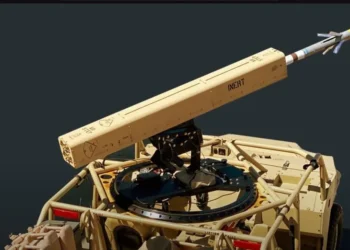 The US Now Has the Medicine for Cheap Swarming Drone Attacks
 Boy George Says He’s Using ChatGPT to Help Write New Songs
 US Senate Vote Fails to Rein in Trump War Powers on Iran
 Protesters Rally in San Francisco Against OpenAI Deal With Pentagon
 We Have More Privacy Controls Yet Less Privacy Than Ever — The Paradox of Digital Life
 Study Says Only Two Nations May Survive Nuclear War
 Alleged Bondi gunman seeks order to suppress family’s identity
 Queensland Protest Laws Spark Free Speech Backlash
 Chinese National Arrested Over Attempt to Smuggle 2,000 Queen Ants From Kenya
 Bank of Scotland App Glitch Lets Customers See Other Users’ Transactions
 China Approves ‘Ethnic Unity’ Law Requiring Minorities to Learn Mandarin
 Children’s Author Convicted in Husband Poisoning Case
 Belarus Leader Gifts Rifle to Kim Jong Un
 One Ant for $220: The New Frontier of Wildlife Trafficking
 Trump Considers Military Operation to Seize Iran’s Uranium
 Jim Ratcliffe’s £3.5bn Chemical Plant Delayed with Parts Stranded in the Gulf
 Israel Enacts Death Penalty Law for Palestinians Following 12-Hour Debate
 Net Closes on Lyons Clan: Partner Arrested in Dubai as Crime Boss Snared in Bali
 ‘A Moral Stain’: LGBT Veteran Sues MoD for £50k Following Historic Abuse Claims
 Tragedy in Lebanon: Two Indonesian UN Peacekeepers Killed in Border Explosion
 ‘In Our Backyard’: FBI Labels Michigan Synagogue Attack as Hezbollah-Inspired Terrorism
 ‘The Shield of Silence’: Grooming Inquiry to Expose Officers Who Sheltered Abusers
 ‘The Falling Doctor’: Neurosurgeon Sues NHS After Hospital Lift Plunges Four Floors
 ‘At the Doorstep of the Future’: Florida’s Space Coast Braces for Historic Artemis II Launch
 ‘We Go for All Humanity’ — Artemis II Returns Humans to the Lunar Vicinity
 The Orion Capsule: A High-Stakes Vigil in Earth’s Orbit
 Open Justice Prevails as Court Rejects Bondi Gunman’s Family Anonymity Bid