Published: 3 April 2026 . The English Chronicle Desk. The English Chronicle Online—Providing a platform for the voices caught in the crossfire of global conflict.
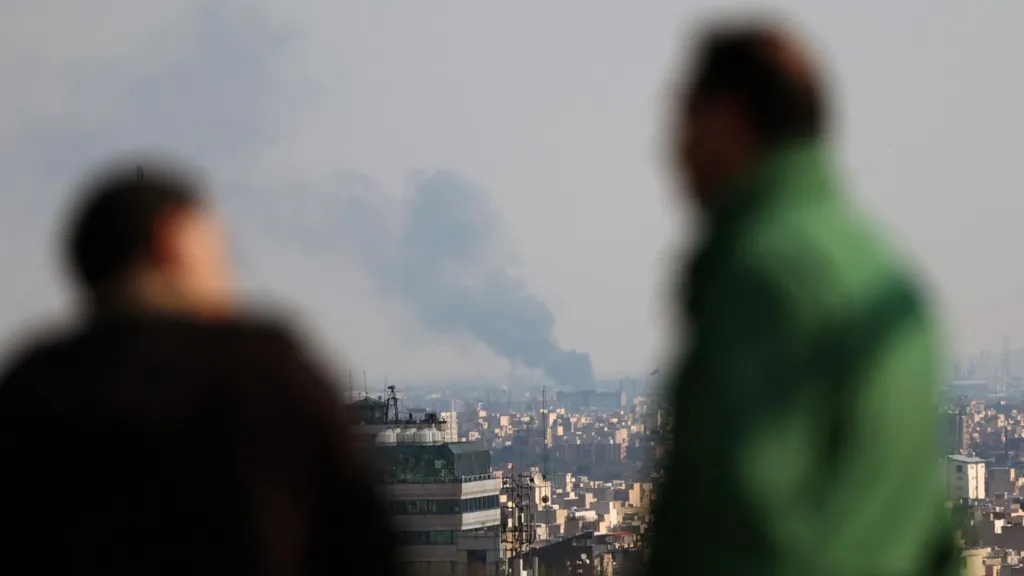
As the air campaign over Iran enters its second month, the clinical terminology of “strategic strikes” and “surgical precision” has been replaced by a raw, human language of exhaustion and despair. For the millions of civilians living in Tehran, Karaj, and Isfahan, the war is no longer a series of news alerts—it is a sensory overload of vibrating windows, the distant thud of anti-aircraft fire, and a crushing, inescapable fatigue. “I haven’t slept for days,” says Setareh, a 28-year-old office worker in Tehran. “Every time I close my eyes, I am listening for the whistle of a missile. We are living in a state of permanent vertigo.“

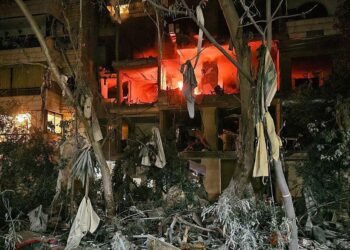
The humanitarian toll of the conflict, which began in late February 2026, has reached a critical tipping point. According to recent reports from the Norwegian Refugee Council (NRC), over 1,300 civilians have been killed in Iran alone, with at least 216 of those being children. The destruction of vital infrastructure, including the recent strike on the B1 bridge in Alborz Province, has severed supply lines and left neighborhoods without reliable electricity or water. In the capital, where temperatures are beginning to rise ahead of summer, the memory of last year’s “Day Zero” water crisis hangs heavy over a population now taping their windows to prevent the glass from shattering during near-nightly sorties.
The economic “shockwaves” of the war are hitting the dinner table with brutal force. Food prices in Iran have reportedly surged by 60% in the last month, as the closure of the Strait of Hormuz and the disruption of domestic transport have turned basic staples into luxury items. “We are running out of resources to survive,” Setareh told reporters. “The economy was already in crisis before the bombs started falling. Now, people are losing their jobs, their savings are worthless, and there is no safety net.” For the estimated 4.4 million Afghan refugees living in Iran, the situation is even more precarious; many have lost their only sources of informal income and find themselves trapped in cities under heavy attack with nowhere left to flee.
The psychological landscape is equally fractured. While some in the Iranian diaspora debate the “philosophical necessity” of the conflict, those on the ground describe a more immediate, visceral reality. Healthcare workers outside Tehran recount harrowing scenes of treating victims of airstrikes with dwindling supplies of medicine. “We are seeing things that no one should have to see,” one nurse remarked, describing the loss of a pregnant woman during a recent strike. “The hospitals are strained to the point of collapse, and we fear what will happen if the ground offensive begins.“

Despite the mounting desperation, the Iranian government’s response to internal dissent remains characteristically harsh, with security forces patrolling streets to prevent the “anguished debate” from turning into open protest. Yet, beneath the surface of fear, there is a profound sense of shared humanity. As the international community debates UN resolutions and naval escorts in London, the people of Iran are simply trying to survive the night. For Setareh and millions like her, the war is not a strategic gamble—it is a relentless, waking nightmare that shows no sign of ending.
Humanitarian Snapshot: Iran (April 2026)
-
Civilian Fatalities: ~1,350 (est. 216 children).
-
Displaced Persons: Over 1.2 million across the region.
-
Infrastructure Damage: 81,000+ civilian units (incl. 61,000 homes).
-
Food Inflation: 60% increase since February 2026.
-
Healthcare Status: 275 medical centers damaged; critical medicine shortages.
Related News:
 ‘I Would Scream in My Sleep’: Alawite Women from Syria Tell of Kidnap and Rape
 Sexually Explicit Letters Target Hong Kong Exiles in UK, Australia
 Britain Demands Israel Reverse Ban on Aid Groups
 Grief, Fear and Fury: Mothers Unite to End Israeli-Palestinian Violence
 Iran Leader Blames Protesters, Says They Serve Trump
 Emails Show Epstein Funded Mandelson’s Husband After Jail
 Iran Says ‘Guiding Principles’ Agreed With US at Nuclear Talks
 Leave Chagos Now, Britain Tells Returning Islanders
 US Urges Iran to Make Deal as Military Presence Rises
 ‘Anyone who runs is shot’: Russian soldiers describe killings of troops who refuse orders
 Middle East Flights Halted After Iran Strikes
 Iran’s Regime Still Intact — Coming Days Will Test Its Survival
 Allies of US in the Gulf Bear Brunt of Iran Attacks
 Hopes and Fears as US Iranians Take to Streets After Toppling of Supreme Leader
 Retaliations Continue on Day Two of US-Israel Attacks on Iran
 Iran, the US, and a World Cup That Starts in Three Months
 Israeli Attacks Kill 31 in Lebanon, Iran Strikes Across Region, US Warplanes Crash in Kuwait
 In Maps: Strikes Across Iran and the Middle East
 Months of Planning Behind US‑Israeli Mission to Target Iran’s Supreme Leader
 Cooper: Joining US Strikes on Iran ‘Not in Britain’s Interest’
 What Khamenei’s Death Means for Russia and China
 US Iran Operation: Sixth Service Member Killed
 Hezbollah Anger Erupts as War Returns to Beirut
 Tehran Makes New Threat to Gulf Shipping as US Says ‘Hardest Hits’ on Iran ‘Yet to Come’
 Trump’s Iran Endgame Unclear After Mixed Messaging on War Aims
 Did Trump Declare War and Did Congress Approve Iran Attacks? What to Know
 Gaza Siege Deepens as Iran War Escalates
 Melania Trump Chairs UN Security Council Meeting on Children in Conflict Amid Iran Strikes
 The Third Day of the US‑Israeli War With Iran
 Limited Flights Leave UAE But Disruption Continues Amid Iran Strikes
 Why the US and Israel attacked Iran
 Israel Launches Fresh Strikes on Tehran & Beirut; US Warns “Hardest Hits” Ahead
 Three Days In, This War’s End Is Still Unclear
 US Has ‘Enough Weapons for Forever War,’ Trump Says
 Israel Launches Fresh Strikes on Tehran and Beirut on Day Four
 Israel Strikes Lebanon After Hezbollah Rocket Fire as Iran Conflict Widens
 Amazon Says Drones Damaged Three Facilities in UAE and Bahrain
 Israel’s New Airstrikes on Tehran & Beirut After US Embassy in Riyadh Is Hit
 Israel Launches Ground Invasion of Lebanon Amid Widening Middle East War
 Trump Underestimated the Iranian Regime’s Will to Survive
 U.S. Tells Citizens to Leave Israel Now as Regional Conflict Escalates
 Iranian Rockets Are Testing the Resolve of Dubai’s Instagram Stars
 US Embassy in Riyadh Hit by Iranian Drones as Israeli Troops Enter Southern Lebanon
 Riyadh Drone Attack Escalates Regional War
 Civilian Deaths in Iran Pass 700 Amid Fear of Bombs and Regime Clampdown
 Middle East attacks intensify as Trump rejects Iran talks
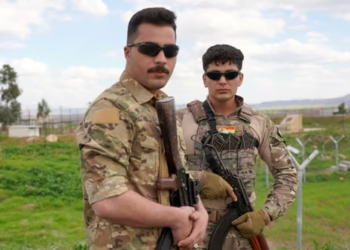 Iran-Iraq border airstrikes spark new tensions
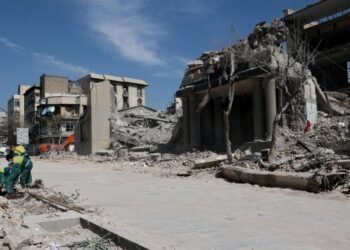 US Senate Backs Trump War Powers Amid Iran Missile Barrage
 Dirty Laundry and Chocolate Bars: How Venezuelan Prisoners Smuggled Messages Out of Jail
 Macron Finds ‘Freedom Fries’ Redemption in Iran Crisis
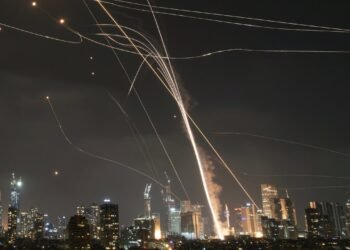 ‘We Must Finish This’: Israelis Rally Behind War Effort as Iran Strikes Tel Aviv
 UK Prepares Aircraft Carrier for Middle East Crisis
 Australia Urged to Shield Iranian Team After Anthem Protest
 Nine Days of Strikes Reshape the Middle East
 Seventh US Service Member Killed in Iran Conflict Identified
 China Moves to Enshrine ‘Ethnic Unity’ Law
 Istanbul Mayor Faces Corruption Trial Amid Political Storm
 Trump Threatens Iran With ‘Twenty Times Harder’ Oil Strike
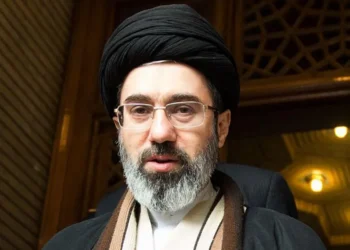 Iran’s New Leader Faces Existential Test
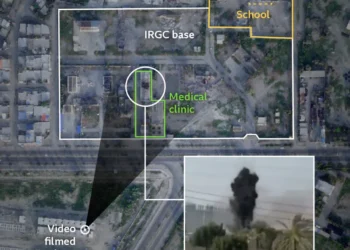 Video Analysis Suggests US Missile Hit Base Near Iran School
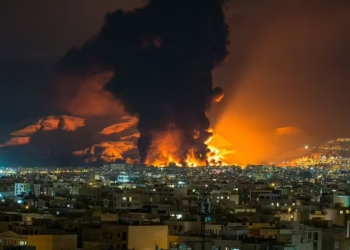 Iran Rejects Ceasefire, Warns Trump With Chilling Message
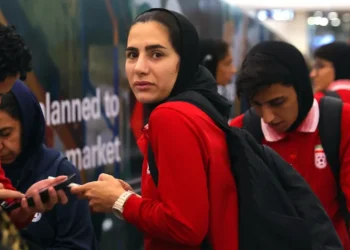 Iranian Footballers Escape Team Hotel to Seek Asylum
 Iran Women Footballers Seek Asylum After Anthem Protest
 US-Israeli Strategy Shifts to Plan B in Iran War
 Injured Mojtaba Khamenei Elevated as Iran Leader
 Iran Conflict: Trump’s Uncertain Path and Diplomatic Off-Ramp
 Ancient Heritage Sites Damaged in Recent Airstrikes
 China Approves ‘Ethnic Unity’ Law Requiring Minorities to Learn Mandarin
 Tehran Diary: Dark Days Under Relentless Bombardment
 Anti-Regime Iranians Turn Anger Toward Trump
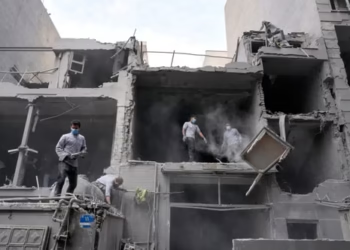 Trump Iran War Stance Hardens as Conflict Widens
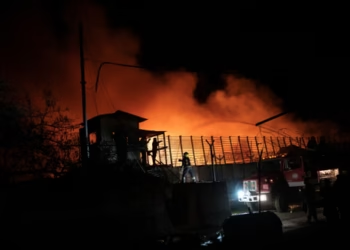 Kabul hospital strike sparks deadly blame row
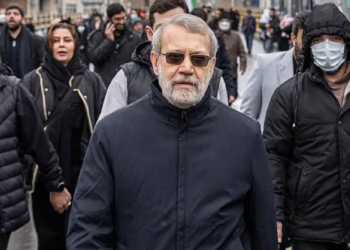 Israel Says Iran Security Chief Larijani ‘Killed’
 Ghalibaf Iran: Survivor Emerges in Shifting Power Game
 Gulf Distrust Grows Over Rumoured US-Iran Peace Talks
 WHO Warns of Health Crisis Unfolding in Middle East
 Saudi Arabia Urging US to Keep Up Iran Attacks
 Iran Warns of US Ground Assault Amid Rising War Tension
 Trump Threatens Iran With Total Infrastructure Destruction
 UK Activist Leaders Convicted Over Protest Violations