Published: 3 April 2026 . The English Chronicle Desk. The English Chronicle Online—Your definitive source for global diplomatic strategy and maritime security.
In a high-stakes digital summit hosted from Whitehall, the United Kingdom and a coalition of 35 international allies have begun formalizing a massive new “punishment package” aimed at forcing Iran to end its month-long blockade of the Strait of Hormuz. Foreign Secretary Yvette Cooper, chairing the emergency talks, told representatives from the EU, G7, and key Asian partners that the world “cannot and will not” be held to ransom by the selective closure of the world’s most critical energy artery. The proposed measures, described as “Stage 4 Sanctions,” seek to surgically dismantle the financial networks that allow the Iranian regime to sustain its naval “selective access” policy.

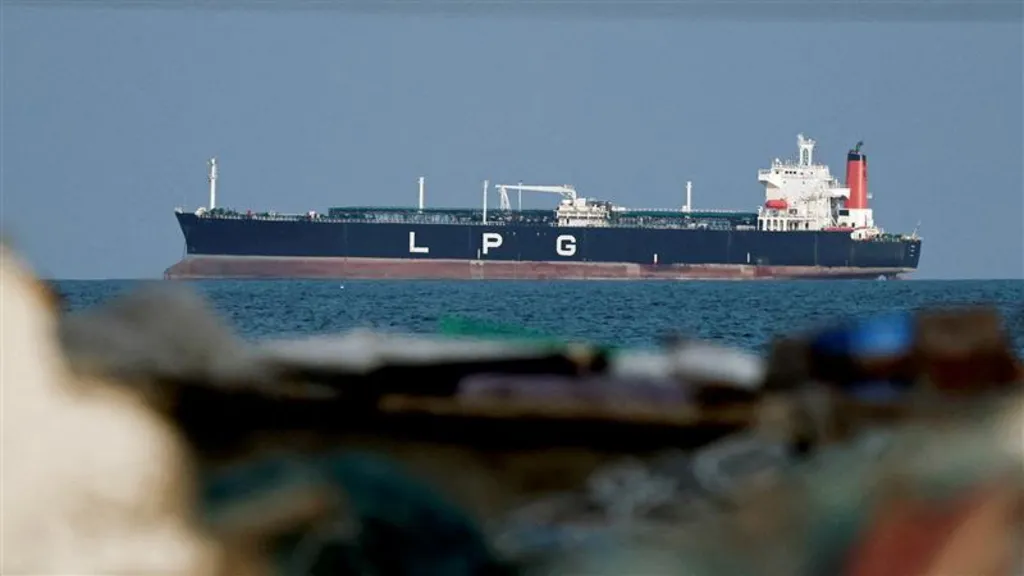
A primary focus of the 35-nation “moot” is the systematic elimination of the “shadow fleet”—the network of aging, uninsured tankers that Iran uses to bypass existing restrictions.
-
Maritime Blacklisting: The coalition is preparing to blacklist over 150 specific vessels identified as participating in illicit ship-to-ship transfers. Under the new rules, these ships would be denied entry to any coalition port and refused bunkering (refueling) services globally.
-
Secondary Sanctions: In a direct nod to the “Trump doctrine” of maximum pressure, the UK-led group is discussing secondary sanctions against third-party insurance providers and classification societies in jurisdictions like Panama and the Marshall Islands that continue to certify Iranian-linked vessels.
Beyond maritime trade, the allies are moving to sever the industrial lifeblood of the Iranian military. Following the successful neutralization of the Mobarakeh and Khuzestan steel plants by recent airstrikes, the new sanctions target the inputs required for any attempted reconstruction.
-
The Graphite Ban: A total global ban on the export of high-grade graphite and carbon fiber to Iran, materials essential for both steel production and drone manufacturing.
-
Technological Strangulation: New restrictions on “dual-use” software and automation hardware, specifically targeting the Siemens-style industrial control systems used in Iranian power grids and refineries.
While the 35 nations are unified in the goal of reopening the Strait, a significant rift has emerged over the role of the United States. President Trump has signaled that he prefers “direct kinetic action”—such as the ongoing Operation Epic Fury airstrikes—over long-term economic diplomacy. He has pointedly told allies that if they want the oil to flow, they must “pay for the security or do it themselves.”
Foreign Secretary Cooper addressed this friction head-on, noting that while the UK supports “all viable measures,” the goal of the 35-nation summit is to create a “legal and economic firewall” that remains effective even if U.S. military involvement scales back. “We are building a coalition of the willing that transcends traditional blocks,” Cooper stated. “From Tokyo to Berlin, the message is clear: the Strait of Hormuz is a global common, not a regional bargaining chip.”

As the summit concludes its first phase today, 3 April, the world’s eyes are on the 6 April deadline set by Washington. If the “10-day pause” in energy strikes ends without a diplomatic breakthrough, the coalition’s “unprecedented” sanctions may be the only tool left to prevent a total, indefinite closure of the passage—a scenario that analysts warn could drive global oil to $150 a barrel by mid-summer.
Proposed 35-Nation “Hormuz Package” (April 2026)
| Measure | Target | Expected Impact |
| Vessel Blacklist | 150+ “Shadow Fleet” Tankers | High (Paralyzes oil exports) |
| Insurance Ban | P&I Clubs & Classification | Critical (Makes shipping illegal) |
| Material Blockade | Graphite & Carbon Fiber | Medium (Hinders reconstruction) |
| Financial Freeze | Third-party “Front” Banks | High (Dries up IRGC funding) |
Related News:
 US Trade Deficit Hits Fresh High Despite Trump’s Tariffs
 US Eases Sanctions on Russian Oil Sales to India During Iran Conflict
 Iran War Puts Trump at Political Risk Amid Rising Prices
 UK Forces Ready to Seize Russian Shadow Fleet Vessels
 Trump Signals US Exit From Iran as Tehran Eyes Peace
 Markets Shaken as Trump Vows to Hit Iran ‘Extremely Hard’
 Uncertainty Lingers as Trump’s Iran Strategy Remains Shrouded
 Questions Linger as Trump’s Iran Strategy Faces Scrutiny
 Pakistan’s Diplomatic Gambit: Bridging the Divide in the Iran War
 Kinnock’s Rebuke Echoes Loudly as Corbyn Allies Launch Left-Wing Breakaway: “A Gift to Farage”
 Trump Administration Dismisses 17 Immigration Judges, Sparking Debate Over Judicial Independence
 UK Must Act with Courage and Clarity on Israel-Palestine Conflict, Says Foreign Affairs Committee Report
 Trump Threatens 100% Tariff on Nations Importing Russian Oil Amid India Standoff Over Ukraine War
 Radioactive Leak at UK’s Nuclear Warhead Base Sparks Outcry Over Safety and Secrecy
 Mutual Inconvenience: Why Alaska Was Chosen for the Trump-Putin Summit on Ukraine
 Hong Kong Summons UK and Australian Envoys Following Asylum Grants to Democracy Activists
 Is the UK Ready to Put Boots on the Ground in Ukraine? Assessing Military Capacity and Challenges
 Conservative Influencer Charlie Kirk Fatally Shot During University Debate
 Channel Crossings Surge: Over 1,000 People Arrive in the UK in Small Boats in a Single Day
 Widow of Charlie Kirk Forgives Killer at Emotional Memorial Service
 Yvette Cooper Signals Global Momentum Towards Gaza Peace Deal Amid Humanitarian Crisis
 Public Trust in SNP Hits Historic Low Amid NHS Concerns
 Johnson Suggests Mandelson Linked to China Spy Controversy
 Rachel Reeves signals welfare reform ahead of key budget
 Russia’s Latest Push to Win US Favors Shows Deep Desperation
 BBC to Apologise Over Edited Trump Speech Amid Backlash
 Britain deploys RAF specialists to assist Belgium with drone threats
 Trump Urges Herzog to Grant Netanyahu Full Pardon
 Indian authorities demolish Kashmir home linked to Red Fort blast
 Greene Pushes Epstein Files Amid Trump Fallout
 December Run-Off in Chile as Election Produces No Winner
 Canada Passes Carney’s First Budget in Tight Parliamentary Vote
 Shadow Fleet at Sea: Europe’s Battle Against Illicit Oil Shipping
 India’s COP30 Delay Raises Global Climate Concerns
 Georgians Defy Government Crackdown After Year of Protests
 Russia losses Ukraine war peace talks intensify amid rising deaths
 Albanese Opens Door to Bondi Royal Commission Amid Rising Pressure
 Trump Escalates Minnesota Immigration Surge Amid Rising Tensions
 Iran Protesters Defy Crackdown as Violent Clashes Intensify
 EU weighs response amid Greenland tariff crisis with Trump
 EU Says US Ties Have Suffered ‘Big Blow’ After Greenland Crisis
 Israel Moves to Bar MSF From Gaza Operations
 After the Landslide: Can India Reset Ties with BNP Bangladesh?
 Australian Families Leave Syrian Camp for Home
 Starmer Weighs Fast-Tracking Defence Boost
 Trump Attacks UK-California Energy Pact
 Nine Arrested in France Over Death of Far‑Right Student
 Andrew Arrest Sparks Republic Debate in Australia
 Australian PM Says Former Prince Andrew Has Suffered ‘Extraordinary Fall’ but That Won’t Prompt Republic Referendum
 Musk Cuts Starlink Access for Russian Forces – Giving Ukraine an Edge at the Front
 Farage Chagos Islands Row Sparks Fury
 Ukraine Negotiator Reveals What It Feels Like Facing Russia
 Chad Shuts Border With Sudan in Bid to Stop Conflict Spreading
 French Minister Moves to Block US Envoy Kushner from Government Access
 Has Europe truly learned from the failures of 2022?
 American Citizen Killed in Cuba Boat Shooting, U.S. Officials Say
 Iran’s Regime Still Intact — Coming Days Will Test Its Survival
 Allies of US in the Gulf Bear Brunt of Iran Attacks
 Trump Faces Questions Over Iran Conflict Plan
 Israel Launches Ground Invasion of Lebanon Amid Widening Middle East War
 Herzog Asio meeting sparks security storm
 Nepal Holds First General Election Since Gen Z Protests Toppled Government
 How Depleted Weapons Stockpiles Could Affect the Iran Conflict
 Petrol Prices Soar as Retailers Accused of Gouging Amid Global Tension
 Macron Finds ‘Freedom Fries’ Redemption in Iran Crisis
 Finland Plans to Lift Decades‑Old Ban on Hosting Nuclear Weapons
 Minister Meets Crews Who Will ‘Take Out’ Iranian Drones
 Nine Days of Strikes Reshape the Middle East
 Trump Pressures Congress Over Save America Act
 Iranian Football Squad Asylum Drama Shocks Australia
 Ukraine War Becomes Flashpoint in Hungarian Election
 Queensland Protest Laws Spark Free Speech Backlash
 Yvette Cooper: UK Must Follow Principles, Not US Pressure
 Trump Nato threats expose Iran strategy vacuum
 Trump’s Confidence Undimmed — But Every Iran Option Carries Risk
 Israel Says Iran Security Chief Larijani ‘Killed’
 Philippines energy emergency sparks coal power surge
 Trump Facing Backlash from Epstein Survivors Over Files
 ‘Eye in the Sky’ Blinded: Photos Reveal Destroyed US Radar Jet at Saudi Base
 Trump Considers Military Operation to Seize Iran’s Uranium