Published: 04 April 2026. The English Chronicle Desk. The English Chronicle Online
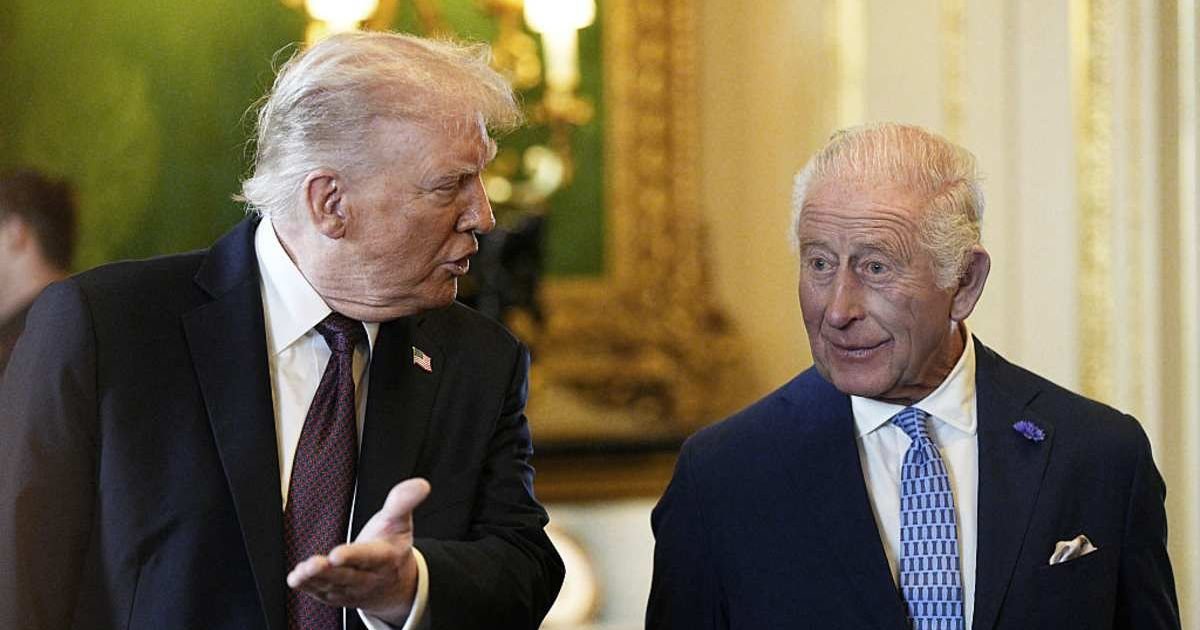
As preparations continue for a high-profile state visit to Washington, questions are emerging about whether Britain’s monarch can help steady a strained transatlantic relationship during a politically sensitive moment. The planned meeting between King Charles III and Donald Trump is being viewed not only as a ceremonial engagement but as a calculated diplomatic effort intended to reinforce the long-standing, yet increasingly tested, relationship between the United Kingdom and the United States.
The visit, scheduled for late April, comes at a time when the concept of the “special relationship” appears less certain than in previous decades. British Prime Minister Keir Starmer is understood to have encouraged the trip, seeing it as an opportunity to maintain political dialogue and reassure allies that cooperation between the two nations remains strong despite shifting global dynamics.

State visits traditionally serve as powerful symbols of goodwill and continuity, and the British monarchy has long played a role in shaping diplomatic impressions abroad. King Charles, who has spent decades representing Britain internationally, is expected to rely on what observers often describe as the monarchy’s most effective diplomatic tool: soft power. Through cultural engagement, symbolism, and carefully crafted public messaging, royal visits frequently seek to reinforce shared values and mutual trust even when political relations appear uncertain.
The current political climate presents particular challenges. President Trump has previously criticised aspects of Britain’s defence capability and expressed strong views on European security policy. While official visits are normally meticulously planned by diplomatic teams on both sides, observers note that Trump’s unconventional approach to protocol has occasionally introduced unpredictability into high-level engagements. The possibility of unexpected remarks or policy comments adds a layer of uncertainty to what would otherwise be a routine ceremonial visit.
Despite these concerns, historical precedent suggests that royal diplomacy has often succeeded in smoothing tensions during difficult periods. Members of the British royal family have visited the United States regularly since the 19th century, helping reinforce shared cultural and political ties. Royal visits have frequently been seen as symbolic reminders of the enduring relationship between the two nations, even during times of disagreement.
The late Elizabeth II demonstrated the importance of maintaining composure and neutrality during diplomatic encounters. Over the course of her reign, she met numerous American presidents, from Harry S. Truman to Donald Trump, and was widely regarded as a stabilising presence in international relations. Her visits often helped highlight common ground between the countries, particularly in areas such as trade, defence cooperation, and cultural exchange.
Earlier royal visits have also played key roles during moments of geopolitical tension. In 1939, George VI and Elizabeth Bowes-Lyon travelled to North America shortly before the outbreak of the Second World War, a visit widely credited with strengthening public support for closer Anglo-American ties. Decades later, Queen Elizabeth II attended major anniversary events connected to the founding of the United States, underscoring the long historical links between the two countries despite their origins in conflict.
The upcoming visit also coincides with commemorations connected to the 250th anniversary of American independence. The anniversary offers an opportunity to reflect on the historical evolution of relations between Britain and the United States, from colonial tensions to modern strategic partnership. While public demonstrations are expected during the visit, analysts suggest that these are more likely to focus on domestic political issues rather than the British monarchy itself.
Observers believe King Charles is likely to adopt a measured and diplomatic tone throughout the visit, emphasising shared history, cultural ties, and mutual interests. His long-standing interest in environmental issues, architecture, and interfaith dialogue has shaped his international profile, although these priorities do not always align directly with those of the current US administration. Nevertheless, the monarchy’s apolitical role allows it to act as a symbolic bridge even when political leaders disagree.

Diplomatic experts suggest that while the visit may not immediately resolve policy differences, it could help maintain constructive engagement at a time when global cooperation is increasingly important. The strength of the UK-US relationship has historically depended not only on formal agreements but also on shared values, cultural exchange, and personal connections between leaders.
Ultimately, the visit highlights the continuing relevance of symbolic diplomacy in modern international relations. While presidents and prime ministers shape policy decisions, royal engagements often help create an atmosphere in which dialogue can continue productively. King Charles’s visit is therefore likely to be judged not solely on political outcomes but on whether it contributes to maintaining stability and communication between two longstanding allies.
As both nations navigate complex global challenges, the visit serves as a reminder that relationships between countries evolve over time but are often sustained by shared history and ongoing dialogue. Whether the meeting produces tangible political shifts or simply reinforces diplomatic goodwill, it reflects the enduring significance of engagement between Britain and the United States.
Related News:
 Charles Faces Trump Test in High-Stakes US Visit
 California Democrats Vow Trump Reckoning
 Thousands Protest Iran Strikes Outside US Embassy London
 US Bombers Arrive at RAF Base Amid Rising Iran Tensions
 UK Prepares Aircraft Carrier for Middle East Crisis
 UK Stands Firm on Falklands Amid US Rift
 Green Party Surges Past Labour in Latest UK Poll
 Trump’s UK Ambassador Urges North Sea Drilling to Strengthen US Ties
 French Taxi Driver Cleared in David Lammy Theft Case After Fare Dispute
 Millionaires group urge Reeves to introduce wealth tax to ‘lift kids out of poverty’
 Starmer Faces Growing Dissent as Labour MPs Weigh Leadership Challenge
 Reeves rejects £1bn plea for NHS redundancy payouts
 PM Condemns Leaks, Vows Loyalty to Ministers and Stability
 Major Rent Reform Ends No-Fault Evictions in England
 Most Tories Expect to Support a Farage-Led Government
 US National Guard Member Killed in DC Shooting
 Starmer Says Labour’s Economic Plan Needs Years to Deliver
 Trump press secretary attacks reporter over ICE question
 Trump Fed bid heads to Supreme Court
 Labour Blocks Burnham as Party Rift Deepens Ahead of Polls
 Huge mistake: Labour blocks Burnham from byelection bid
 Artificial intelligence will cost jobs, admits Liz Kendall
 Labour targets Greens on drugs in Gorton Denton byelection
 Greens nominate Hannah Spencer for Gorton and Denton byelection
 Partial US Government Shutdown Hits Homeland Security Funding
 Sinema payment row deepens after $9,000 transfer claim
 Mandelson Faces Police Inquiry Over Epstein Leak
 Labour Thinktank Row Deepens Over Journalist Probe Claims
 Morgan McSweeney downfall shocks Labour leadership
 Nurses’ families fear breakup under UK immigration crackdown
 Cabinet Secretary Shake-Up Triggers Due Diligence Warning
 Starmer Faces Inquiry Calls Over Thinktank Probe
 Farage Unveils Reform UK Frontbench Team
 Wales Approves Assisted Dying Bill Consent
 UK EU Trade Reset Gains Public Backing
 Corbyn Leads Your Party in Coordinated Left-Flank Strategy
 Adelaide University Faces Backlash Over Event Cancellation
 Asylum Seekers to Work After Year-Long Wait
 Starmer Row as Greens Demand Apology
 Proposed Law Leaves Gap for Children of Convicted Paedophiles
 Gordon Brown urges court for crimes against children
 Inquiry into HMRC child benefit errors launched by NAO
 Farage Faces Backlash Over Crypto Cameo Endorsements
 Relationship with Trump may be beyond repair, Starmer warned
 Starmer Defends Strategy for Closer Alignment with EU Rules
 Kezia Dugdale Warns of Possible Reversal of Equal Rights Gains
 Starmer Faces Commons Test Over Mandelson Scandal
 Trump Starts $166bn Tariff Refund Process
 Crackdown Backfires on UK Climate Protesters
 Trump Defiant After Washington Hotel Shooting
 Identity Revealed: Suspected Washington Gunman Named
 Starmer Survives Mandelson Rebellion
 White House Security Case Sparks Political Firestorm
 Trump approval plunges amid Iran war fears
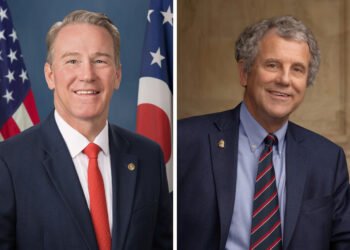 Ohio’s Battle for Trust: Democrats Vying to Flip the Buckeye State
 US ‘Narco Boat’ Strikes Draw Global Outcry
 Afghan Families Left in Limbo Face Risk of Deportation
 Labour Members Doubt Starmer Future as Burnham Leads Poll
 US Awaits Iran Reply on New Ceasefire Proposal
 Reform UK Faces Crisis as Newly Elected Councillors Resign
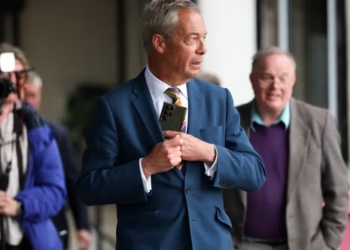 Farage Faces New Questions Over Private Helicopter Use
 NHS Drug Deal Faces Legal Threat Over US Trade Agreement
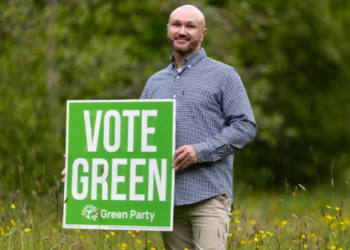 Green Party Makerfield Candidate Resigns Over Posts
 US green card applicants must apply from abroad, DHS says
 DeSantis’s ‘Alligator Alcatraz’ Faces Final Shutdown
 Secret Role of UK Security Services in Troubles Amnesty Law
 Starmer Leadership Under Pressure After Setbacks
 The Hidden Crisis Eroding Trust in British Communities
 Deepfake Abuse on X Sparks Safety Concerns for Dissidents
 UK Ministers Lobby Trump Over Under-16s Social Media Ban
 Starmer Resolves to Fight Burnham in Leadership Battle
 US Courts Back Trump on Park Signage Removals
 Hollie Ridley to Step Down as Labour General Secretary
 Trump’s Mount Rushmore Speech: A Divisive Anniversary
 Jarvis Urges Burnham to Secure 3.5% Defence Spending
 US Airman Avoids British Court in Indecent Exposure Case
 Farage Warns Sky News Following Financial Inquiry
 Reform UK Finances Face Deep NCA Probe
 Ann Widdecombe, Formidable Political Figure, Dies at 78
 Houthis Strike Saudi Arabia as Middle East Tensions Rise