Published: April 6, 2026
The English Chronicle Desk
The English Chronicle Online
Category: UK News
Subcategories: Transport, Disability, Local Government
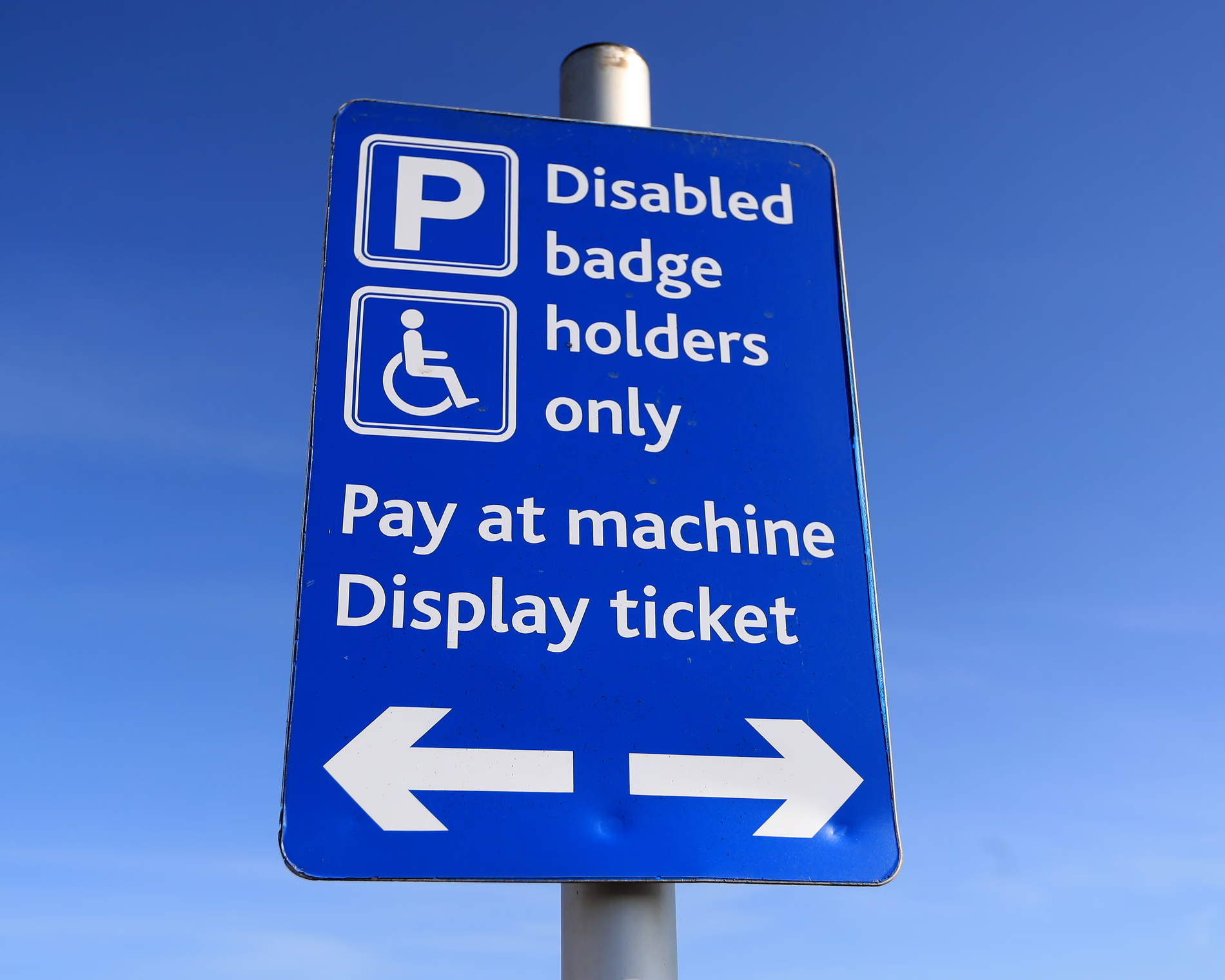
New figures indicate that Blue Badge parking permits are now held by approximately one in 15 adults in England, highlighting a continued rise in applications linked to disability, long-term health conditions, and mobility-related needs.

The data, compiled from local authority records, shows a steady increase in badge issuance over recent years, driven in part by an ageing population, expanded eligibility assessments, and greater awareness of mobility impairments that qualify for support.
Blue Badges allow holders to park closer to destinations, including on-street disabled bays and certain restricted parking zones, with the aim of improving accessibility for people with significant mobility challenges. Local councils administer the scheme under national guidelines, with eligibility typically assessed through medical evidence and functional mobility tests.
Officials say the rise reflects both demographic change and improved access to the scheme for people with non-visible disabilities, including neurological conditions and chronic illnesses that affect mobility over time.
However, the increase has also prompted discussion among transport planners and local authorities about pressure on urban parking spaces. Some councils report higher demand for disabled bays in busy town centres, particularly in areas with limited parking capacity.
Disability advocacy organisations have welcomed the growth in legitimate badge uptake, arguing that it reflects better recognition of mobility needs and improved inclusion for disabled people in public life. They stress that access to parking remains a key factor in independence, employment, and healthcare access.
At the same time, enforcement challenges remain a concern. Authorities continue to report cases of misuse or fraudulent use of Blue Badges, although officials emphasise that such cases represent a small proportion of overall usage. Penalties for misuse include fines and potential prosecution.
Transport analysts note that the rising prevalence of Blue Badge holders is likely to continue in the coming decade, driven by population ageing and increased diagnosis of conditions affecting mobility. They argue that planning for accessible infrastructure will become increasingly important for local government policy.

Some councils are reviewing parking allocations and considering adjustments to ensure that disabled bays remain available while balancing demand from other road users. Digital permit systems and improved enforcement technology are also being explored.
The figures have reignited debate over how best to design inclusive transport systems that meet the needs of a changing population while maintaining efficiency in congested urban environments.
Related News:
 Royal Mail Blames Poor Weather and Sickness for Delayed Deliveries
 London Pedicab Regulations Target ‘Rip-Off Fares’ and Nuisance Behaviour
 Jet2 Hands Passengers Life Ban After Mid‑Air Brawl
 Sharron Davies Blames ‘Poor’ Motorway Sign for Speeding
 Why There’s No Quick Fix in Sight for the Problem of Dazzling Headlights
 Storm Hernando: Edinburgh Airport Flights Cancelled in US Travel Chaos
 Mayor Spends £20m to Encourage More Bus Trips
 All Trains Cancelled at Glasgow Central Station as Huge Fire Destroys Neighbouring Building
 Residents Say Hostility and Car Damage Now Routine Amid Birmingham’s Parking Chaos
 Drivers Warned to Cut Journeys as Fuel Prices Surge
 Glasgow Central Fire Sparks Days of Disruption
 Courier Firm Bust After 14 Years as Evri Deliveries Face ‘Temporary Disruption’
 Glasgow Central’s Upper Level Shut All Week After Union Street Fire
 Travel Chaos on M8 and M74 Amid 70 mph Gales as Trains Also Cancelled
 easyJet Edinburgh Flight Diverts to Manchester After Mid‑Air Emergency
 Fuel Costs Are Rising — Drivers on the Frontline of the Price Surge

 Lorry Overturns on A1 in East Lothian, Two Injured
 Greater Manchester Expands Night Bus Network Across Boroughs
 Storm Dave Disrupts Road and Rail Travel as Conditions Begin to Ease
 UK Must Act with Courage and Clarity on Israel-Palestine Conflict, Says Foreign Affairs Committee Report
 London Set to Honour Euro 2025 Champions as Lionesses Take Victory Parade Through the Capital
 Targeted Attack in Bury Sparks Murder Investigation as Community Awaits Justice
 Princess of Wales Launches Animated Video Series to Support Early Childhood Development
 Heartbreak in the New Forest as Shetland Ponies Vanish, Community on Edge
 Fire Contained at Edinburgh’s Arthur’s Seat After Overnight Battle by Firefighters
 Premier League Supercomputer Predicts Tough Season for Man Utd Amid Three-Team Title Battle
 UK Weather: Heat Alerts Extended as Temperatures Set to Reach 30°C This Weekend
 Merseyside Police Helicopter Crew Cleared After Low-Altitude Pursuit of Suspect
 Education Leaders Call for End to Compulsory GCSE Resits in English and Maths
 Thousands of New School Nursery Places to Be Rolled Out Across England
 UK House Price Growth Slows as Buyers Exercise Caution Ahead of Autumn Budget
 Massive London Poundland Fire Engulfs High Street
 Paedophile Singer Ian Watkins Dies After Prison Attack
 UK border officers deployed to Balkans to tackle migrant smuggling
 UK MPs warn of repeat riots over online misinformation
 Giuffre’s bombshell memoir names Prince Andrew 88 times in shocking revelations
 M&S and Morrisons Lead Christmas Supermarket Taste Test
 Reeves Faces Setback as Labour May Miss Homes Target
 Kate Winslet to Narrate Film Highlighting King’s Environmental Mission
 Trump’s UK Ambassador Urges North Sea Drilling to Strengthen US Ties
 UK Bans Fake Numbers: Scammers Lose Their Trick
 Millionaires group urge Reeves to introduce wealth tax to ‘lift kids out of poverty’
 Reeves rejects £1bn plea for NHS redundancy payouts
 PM Condemns Leaks, Vows Loyalty to Ministers and Stability
 Inside the Helpline Protecting Missing Children in the UK
 PlayStation PS5 Deals Hit Lowest Prices Ahead of Black Friday
 Five-Year-Old Dies After Rare Tonsil Surgery Complication
 Starmer Says Labour’s Economic Plan Needs Years to Deliver
 Historic £100-Weekly Pension Boost Brings Relief for UK Mineworkers
 Children to Receive Home Vaccines as England Acts
 Cambridge College Faces Backlash Over Private School Recruitment
 Bereaved Fathers Gain New Paternity Leave Rights in UK
 Woman Jailed for Life After Killing E-Bike Rider in Tragic Mistaken Identity Case
 No Gas Boiler Ban as UK Warm Homes Plan Backs Heat Pumps
 Police response times face strict new national limits
 Devon hosts first high-density hydro power system
 Draft Severe Weather Plan Following Storm Flooding
 Major UK Clothing Firm Collapses into Administration — 109 Jobs at Risk
 Send spending gap leaves deprived areas behind
 Could Manchester Lead the UK’s Economic Revival?
 Motorists Could Face ‘Mandatory’ Driving Ban for Road Offences Under Tougher Laws
 Lloyds Boss Accepts Concern Over Use of Staff Data in Pay Talks
 With Scottish Freebies Under Threat, University Tuition Is on the ‘Hit List’
 Civil Service Pay: Union Urges Ministers to End ‘Barking Mad’ Limits
 Mother Says ‘I Hugged My Daughter’s Killer’ as They Cried Together in Prison
 Driver Jailed Over Fatal Water Treatment Tank Crash
 Brit ‘in Good Spirits’ Amid Dubai Missile Attacks, Stranded but Safe
 Calls Grow to Remove Billboard Following Lyra McKee Graffiti
 Thousands Protest Iran Strikes Outside US Embassy London
 UK Oil and Gas Supplies Reassured Amid Middle East Concerns
 Charity Watchdog Takes Control of Learning Disability Care Home
 UK Forces Ready to Seize Russian Shadow Fleet Vessels
 US Lawmaker Demands Testimony Over Sarah Ferguson’s ‘Close Epstein Ties’
 Councils Pressed to Use Universal Parking App to Cut ‘Unfair’ Fines
 MP Outrage Grows as Travelodge Boss Misses Key Safety Talk
 The 8 Million Dilemma: Why Britain’s Disability Safety Net is Facing a ‘2026 Reckoning’
 ‘The Insulation Trap’: Knifeman Discovered Hiding Under Loft Padding After Six-Hour Standoff
 The Banbridge Rescue: 300 Sheep Saved from Massive Hay Shed Inferno
 NHS Braces for Impact as Resident Doctors Begin Strike