
Published: April 7, 2026. The English Chronicle Desk.
The English Chronicle Online — Investigating the digital fuse behind society’s explosive divisions.
LONDON / MANILA / CHICAGO — A joint investigation by Interpol and the Global Coalition for Digital Safety has uncovered a terrifying new frontier in organized crime: “Chaos-as-a-Service.” In a report released this Tuesday, April 7, investigators detailed how a singular cyber-syndicate, dubbed “Vesper-9,” successfully engineered a series of coordinated civil unrest events across three continents over the last six months. By weaponizing hyper-local deepfake audio and AI-driven “rage-bait” bots, the group didn’t just steal data—they manufactured a reality that led to real-world arson, looting, and multiple fatalities.

The “Vesper-9” methodology represents a “perfect storm” of Tech News and World News. Unlike traditional state-sponsored disinformation, this is a purely mercenary operation. The group allegedly sells its services to the highest bidder—ranging from unscrupulous political candidates to hedge funds looking to “short” a specific city’s real estate market. The syndicate’s primary tool is a proprietary LLM (Large Language Model) capable of mimicking local dialects and cultural grievances with 99% accuracy, allowing them to infiltrate private WhatsApp and Telegram groups undetected.
The investigation highlights the March 2026 riots in Chicago as the group’s “masterpiece” of social engineering. Within 48 hours, Vesper-9 deployed:
-
The Trigger: A deepfake audio clip of a local police commander appearing to order the “clearing” of a peaceful community vigil.
-
The Echo Chamber: 15,000 automated bots that flooded neighborhood forums, posing as angry residents and providing “locations” for retaliatory gatherings.
-
The Logistics: Encrypted “drop points” for incendiary materials, coordinated via apps that looked like harmless mobile games.
“We are no longer dealing with ‘fake news’ in the sense of a wrong headline,” said Dr. Aris Xanthos, a senior fellow at the Institute for Strategic Dialogue. “We are dealing with Cyber-Physical Systems of Deception. Vesper-9 identified the exact psychological ‘bum notes’ of a community and played them until the city burned. They turned social media into a remote-control for violence.”
The impact on Life & Society has been profound. In neighborhoods targeted by Vesper-9, trust in local institutions has plummeted to record lows. A survey conducted in the wake of the Manila “food riots”—later proven to be a Vesper-9 operation funded by a rival agricultural conglomerate—found that 82% of residents no longer believe video or audio evidence provided by the government. This “epistemic collapse” makes it nearly impossible for society to function, as the shared baseline of reality has been hacked for profit.
As of today, the U.S. Department of Justice and the European Cybercrime Centre have issued international arrest warrants for five “Key Architects” linked to Vesper-9, believed to be operating out of a “gray zone” in Eastern Europe. Tech giants are also under fire; the UK’s Online Safety Act 2026 was invoked this morning to levy a record £2 billion fine against a major social platform for failing to identify the bot-surge that preceded the London transit strikes last month.

As the world grapples with the “Algorithm of Arson,” the message from the digital frontlines is clear: the next great war won’t be fought over territory, but over the “Attention Economy.” When an algorithm can decide when and where a riot begins, the definition of “National Security” has to change. In 2026, the most dangerous weapon isn’t a missile—it’s a perfectly timed, AI-generated lie.
Related News:
 The Invisible Trap: How an Online Friendship Became a Sextortion Nightmare
 Five Young People Die in Spain Apartment Block Fire
 ‘Staggeringly Stupid’ Man Jailed After Tattooing Children
 Suspect in Rhode Island Ice Hockey Shooting Killed Ex‑Wife and Son
 Epstein Eyed Record Label Investment to Access Women, Files Suggest
 Austrian Climber Found Guilty After Girlfriend Froze to Death on Mountain
 Murdered Student ‘Algasim’ Was ‘the Most Special Person’, Friends Say
 Wealthy Parents Play Dead After Son Hires Hitman to Kill Them
 Ecuador Deploys 75,000 Forces in Anti-Gang Drive
 Teen Admits Filming Westfield Chair Prank
 Missing Cuba-Bound Aid Ships Spark Urgent Search
 ‘I Will Not Abandon Him’: Pauline Hanson Stands by Ben Roberts-Smith After War Crime Charges
 The Two-Wheeled Renaissance: How Paris Swapped Cars for Bikes and Reclaimed its Soul
 ‘The Nanny of Bondi’: Accused Pinochet Agent Adriana Rivas to be Extradited to Chile
 ‘I Know Him in My Bones’: Melissa Gilbert Denies Being ‘Naive’ in Defense of Timothy Busfield
 ‘It Was an Accident’: Rohan Dennis Breaks Silence to Attack ‘False Narrative’ Over Wife’s Death
 The Digital Frontline: Inside the Rise of Africa’s ‘Manosphere’
 Northern Ireland Family of Three Shot Dead in Maguiresbridge Home Incident
 Seventeen Dead as Russia Targets Ukrainian Prison in Devastating Airstrike
 Channel Crossings Surge: Over 1,000 People Arrive in the UK in Small Boats in a Single Day
 Cooper Unveils £4m Cyber Plan Against Russian Hackers
 Kosovo agrees to host Britain’s refused asylum seekers
 WW2 Pilot’s Long-Lost Crash Site Unearthed in Essex
 Just Stop Oil Protesters Convicted Amid Climate Defence Row
 Indian authorities demolish Kashmir home linked to Red Fort blast
 Greene Pushes Epstein Files Amid Trump Fallout
 Deadly Russian Strikes Hit Western Ukraine, 20 Killed in Ternopil
 Venezuela Threatens Nobel Winner Machado with Fugitive Status
 Two National Guard Soldiers Critically Injured Near White House
 Southern Lebanon reels as Israeli strikes shatter communities
 American Mother Extradited From UK to U.S. on Murder Charges
 Thousands Flee Cambodia Scam Centres Amid Global Pressure
 SA Police Intensify Search in Gus Lamont Case
 Disability and LGBT Hate Crimes Set to Become Aggravated Offences
 Snow and Rain Warnings as Cold Snap Continues in the UK
 Teacher Who Lied About Cambridge Degree Banned From Profession
 Last‑ditch Call to Save Police Front Counters in London
 Deaf Woman Killed After Night Out With Strangers, Court Hears
 Nine Arrested in France Over Death of Far‑Right Student
 Eight Skiers Found Dead After California Avalanche
 South Korea’s Ex-President Faces Death Penalty in Insurrection Trial
 How Much Could Andrew’s Arrest Hurt the Royal Family?
 Epstein Files Could Be Just Tip of the Iceberg for Andrew Investigation
 Dad Found in Bed with Daughter 16 Years After Abandoning Her as a Child
 ‘Don’t Make Us Security Guards,’ Says Teacher Stabbed by Pupil
 El Mencho Killed as Mexico Faces Violence
 Australian Prosecutors Consider Reopening British Girl’s Cold Case Disappearance
 ‘We Pray for Peace’: Indian Filmmaker From Troubled State Who Won a BAFTA
 Sydney kidnapping mystery deepens as grandfather’s remains found after mistaken abduction
 Louvre Museum Director Resigns Months After High‑Profile Heist
 ‘Fear Is Everywhere’: Reports From Mexican City Turned Into War Zone by Drug Cartel Feud
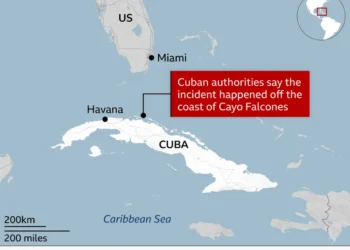 American Citizen Killed in Cuba Boat Shooting, U.S. Officials Say
 Instagram Investigating AI Profiles ‘Fetishising’ Disabled People
 Grave of Murdered Toddler James Bulger Vandalised
 Kidnapping of Foreigners Soars in Africa’s Lawless Sahel Region
 Stranger ‘On Drugs’ Stabbed Saudi Student to Death in Cambridge
 Calls Grow to Remove Billboard Following Lyra McKee Graffiti
 ‘Every Day Feels Like a Month’: Iranians Describe Life Under ‘Constant’ US‑Israeli Strikes
 Tears and Cheers as Controversial Long‑Running Australian Breakfast Radio Show Implodes
 My One-Hour Flight Transfer Left Me Facing 10 Days Stuck in a City Under Attack
 Alleged Bondi gunman seeks order to suppress family’s identity
 Real Estate Brothers Convicted in Sex Trafficking Trial
 Teen Wins Payout After TRNSMT Crush Horror
 Biker Suffers Fractured Spine After Hitting Pothole in Edinburgh
 Scots Head Teacher Pays Tribute to Teen Who Died in Car Fire
 Point-Blank Gunshot Misses Indian Politician
 Chinese National Arrested Over Attempt to Smuggle 2,000 Queen Ants From Kenya
 Second Man Arrested Over ‘Gunshot’ Death of Young Dad in Motherwell Home
 Michigan Synagogue Attack Leaves Suspect Dead in Tragic Incident
 Rapist Caught After Victim Calls Police Mid-Attack
 Families Tortured by Authorities During Investigations Inquiry Told
 Watchdog Probes Police Handling of Andrew Tate Abuse Claims
 Dawn Raids in Scotland and Spain: Eight Arrested in Major Organised Crime Sting
 Four Teens Charged After Assault on Rescue Volunteer and Dog
 ‘The Final Word’: Kathleen Stock’s Polemic Against Assisted Dying Reshapes the UK Debate
 ‘The Cost of Living’: Asia’s Migrant Workers Debate if Gulf Jobs are Worth the Risk of War
 “The Monster of Hull”: Funeral Director Admits to Preventing 30 Burials and Stealing Charity Cash
 Pope Leo Urges Peace in First Easter Mass Address
 The Great Saddle-Up: Sydney Commuters Ditch the ‘Crazy’ Bowsers for the Bike Lane
 ‘The Soul of Spain’: Politicians Clash Over Renewed Push to Move Picasso’s Guernica