
Published: April 8, 2026. The English Chronicle Desk.
The English Chronicle Online — Unpacking the high-stakes diplomacy of prisoner swaps.
PARIS / TEHRAN — After 1,277 days of detention, literature teacher Cécile Kohler and her partner Jacques Paris are finally on their way home to France. The couple, who were arrested in May 2022 during what their families described as a simple sightseeing holiday, were escorted out of Iran in a diplomatic convoy at dawn on Tuesday, April 7. Their release marks the end of a three-and-a-half-year ordeal that saw them labeled as “state hostages” by the French government and sentenced to lengthy prison terms on charges of espionage and conspiracy.

President Emmanuel Macron announced the breakthrough on Tuesday, expressing “immense relief” for the families. The pair, who had been under house arrest at the French embassy in Tehran since being moved from the notorious Evin Prison in November, are currently traveling through Azerbaijan and are expected to touch down at Villacoublay air base near Paris later today.
While the Quai d’Orsay has remained tight-lipped about the “price” of the release, Iranian state media (IRNA) has been more forthcoming, framing the move as a strategic “exchange of interests.” According to Tehran, the release of the two French nationals was contingent on two major concessions from Paris:
-
The ICJ Withdrawal: France officially withdrew a legal complaint against Iran at the International Court of Justice (ICJ) in September. The case had originally been filed over Iran’s failure to provide consular access to the couple in violation of the 1963 Vienna Convention.
-
The Esfandiari Case: Iranian media linked the release to the fate of Mahdieh Esfandiari, an Iranian student living in Lyon. Esfandiari had been sentenced to one year in prison by a French court for “justifying terrorism” in social media posts following the October 7 attacks. While French officials insist her case is separate and subject to the judicial appeal process, her house arrest order was notably lifted shortly after Kohler and Paris crossed the border.
The release of Kohler and Paris underscores a harrowing trend in 2026 geopolitics: the use of foreign nationals as “human currency.” Activists and rights groups argue that Iran’s judiciary increasingly functions as a wing of its foreign policy, arresting Westerners on fabricated charges to extract concessions ranging from sanctions relief to the return of frozen assets.
“I have tears in my eyes,” said Thierry Moser, the lawyer for the couple’s support committee. “They were teachers, not spies. Their only crime was being in the wrong place at a time when Tehran needed leverage.”

The timing of the release is particularly sensitive given the ongoing U.S.-Israeli strikes on Iran. By securing the release of its last remaining citizens in Iranian custody, France has effectively removed a major obstacle to its diplomatic maneuvering. Observers note that Paris has recently taken a “softer” tone toward Tehran, refusing Israel permission to use French airspace for strikes and criticizing President Trump’s “infrastructure destruction” threats.
With Kohler and Paris out of harm’s way, France is now free to pursue its role as a potential mediator in the upcoming Islamabad peace talks without the “Sword of Damocles” hanging over its citizens. For the families, however, the politics matter far less than the upcoming reunion. “We just want to give them a big hug,” said Anne-Laure Paris, Jacques’s daughter. “The nightmare is finally over.“
Related News:
 Trump Administration Dismisses 17 Immigration Judges, Sparking Debate Over Judicial Independence
 Ministers Accused of Defamation Over Palestine Action Ban and Mass Arrests
 Father’s Tip Leads to Arrest in Charlie Kirk Murder Case
 Charlie Kirk Killing Used to Mobilise UK’s Largest Far-Right Rally in Decades
 Jailed Georgian Opposition Leaders Warn UK of Iranian Links to Ruling Party
 UK Extradition Law Change Sparks Fears Among Hong Kong Dissidents
 Shabana Mahmood Warns Border Failings Are Eroding Trust in States
 Johnson Approved China’s London ‘Super-Embassy’ in 2018
 China-critical UK academics face ‘extremely heavy’ pressure from Beijing
 Trump Urges Herzog to Grant Netanyahu Full Pardon
 US Justice Department Files Lawsuit Against California Over Partisan Voting Maps
 Trump Deploys DHS to Charlotte in Major Arrest Operation
 Congress Approves Release of Epstein Files, Trump Expected to Sign
 Texas Governor Faces Lawsuit From CAIR
 Chinese & Japanese Boats Clash Near Disputed Islands
 Putin Meets US Envoy Amid Key Ukraine Peace Talks
 Guterres Warns Global Cooperation Under Threat at UN’s 80th Year
 South Korea Jails Ex-President in Martial Law Ruling
 EU weighs response amid Greenland tariff crisis with Trump
 EU Says US Ties Have Suffered ‘Big Blow’ After Greenland Crisis
 UK and EU Signal Fresh Push for Defence Cooperation Talks
 Emails Show Epstein Funded Mandelson’s Husband After Jail
 Thousands Protest ICE Operations in Nationwide US Day of Action
 Sydney Protest Clash Triggers Police Probe
 Macron Rebuked in Franco-German Defence Row
 Nine Arrested in France Over Death of Far‑Right Student
 How Much Could Andrew’s Arrest Hurt the Royal Family?
 Zelensky Says Putin Has Started WW3, Must Be Stopped
 New Russia Sanctions on Hold as Hungary Blocks EU Package Ahead of Fourth Ukraine War Anniversary
 Ex‑Philippine President Duterte on Trial for Crimes Against Humanity: What You Need to Know
 Inside Kyiv’s resolve as conflict nears five‑year mark
 US Partially Evacuates Beirut Embassy Amid Rising Iran Tensions
 Rob Jetten becomes Netherlands’ youngest ever prime minister
 Ukraine remembers its dead as war enters a fifth year
 Spain Declassifies Files on 1981 Attempted Coup in Effort to Dispel Conspiracy Theories
 US Senate Vote Fails to Rein in Trump War Powers on Iran
 Macron Finds ‘Freedom Fries’ Redemption in Iran Crisis
 Trump Removes Kristi Noem From Homeland Security Role
 Ukraine Accuses Hungary of Taking Seven Bank Workers Hostage in Budapest
 Finland Plans to Lift Decades‑Old Ban on Hosting Nuclear Weapons
 UK Must Obey International Law Over Iran, Says Thornberry
 Putin Orders Evacuation at Iran Nuclear Plant Amid ‘Catastrophe’ Fears
 Istanbul Mayor Faces Corruption Trial Amid Political Storm
 Ukraine War Becomes Flashpoint in Hungarian Election
 Queensland Protest Laws Spark Free Speech Backlash
 China Approves ‘Ethnic Unity’ Law Requiring Minorities to Learn Mandarin
 Ecuador Deploys 75,000 Forces in Anti-Gang Drive
 Belarus Leader Gifts Rifle to Kim Jong Un

 Russia Expels British Diplomat for ‘Spying’ Amid Shadow Fleet Crackdown
 AfD Demands Full US Troop Withdrawal as ‘Project Veto’ Tensions Flare
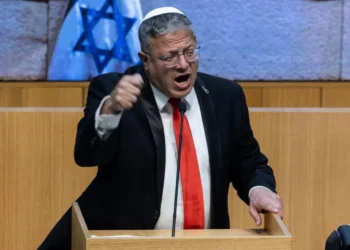 Israel Enacts Death Penalty Law for Palestinians Following 12-Hour Debate
 Italian Town Buys Mussolini Villa to Keep Away Fascist Fans
 Report Says Pezzullo Acted ‘Recklessly’ in Dealings
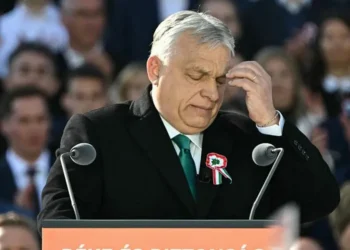 Who Is Viktor Orbán, Hungary’s Long-Serving PM?
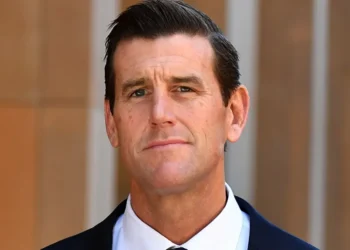 National Icon in Custody: Ben Roberts-Smith Arrested Over Alleged War Crimes in Afghanistan
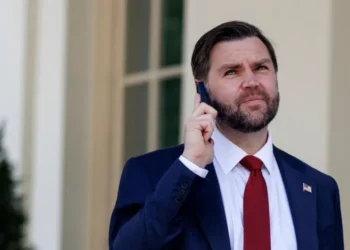 Transatlantic Alliance: Vice President JD Vance Arrives in Budapest to Bolster Orbán’s Re-election Campaign
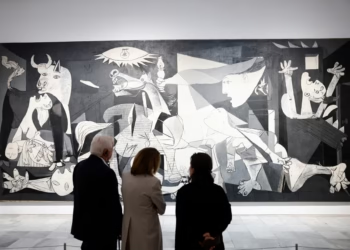 ‘The Soul of Spain’: Politicians Clash Over Renewed Push to Move Picasso’s Guernica
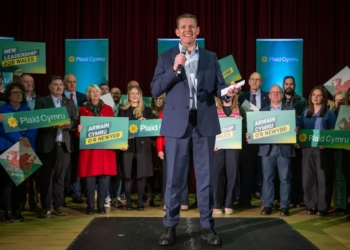 ‘Seismic Change’: How Nationalist Wins in Celtic Nations Could Reshape the UK
 ‘Power Plant Day and Bridge Day’: Israel Warns Iranians Off Trains as Trump Ultimatum Looms
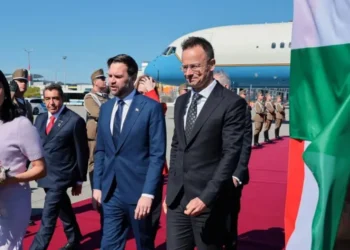 ‘The Fortress of Values’: JD Vance Touches Down in Budapest to Back Viktor Orbán
 The $100 Billion Peace: Trump’s ‘Grand Bargain’ Ends Iran Conflict at a Staggering Cost
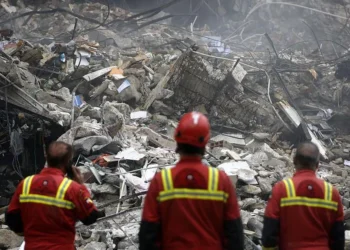 ‘A Double-Sided Ceasefire’: Inside the 14-Day Truce Between the US and Iran
 UK Must Act with Courage and Clarity on Israel-Palestine Conflict, Says Foreign Affairs Committee Report
 Russia’s Latest Push to Win US Favors Shows Deep Desperation
 BBC to Apologise Over Edited Trump Speech Amid Backlash
 Greene Pushes Epstein Files Amid Trump Fallout
 Shadow Fleet at Sea: Europe’s Battle Against Illicit Oil Shipping
 Australia’s Opposition Coalition Reunites After Rift
 American Citizen Killed in Cuba Boat Shooting, U.S. Officials Say
 Iran’s Regime Still Intact — Coming Days Will Test Its Survival
 Trump Pressures Congress Over Save America Act
 Iran War Puts Trump at Political Risk Amid Rising Prices
 Trump Nato threats expose Iran strategy vacuum
 Trump Facing Backlash from Epstein Survivors Over Files
 UK Forces Ready to Seize Russian Shadow Fleet Vessels
 US Lawmaker Demands Testimony Over Sarah Ferguson’s ‘Close Epstein Ties’
 Trump Considers Military Operation to Seize Iran’s Uranium
 “It Ends With Trial”: Judge Tosses Blake Lively’s Sexual Harassment Claims Against Justin Baldoni
 Oil and Diplomacy: Russian Refineries Burn as Zelenskyy Secures Middle East Shield