Published: April 9, 2026. The English Chronicle Desk.
The English Chronicle Online — Dissecting the diplomatic friction at the heart of the Western alliance.
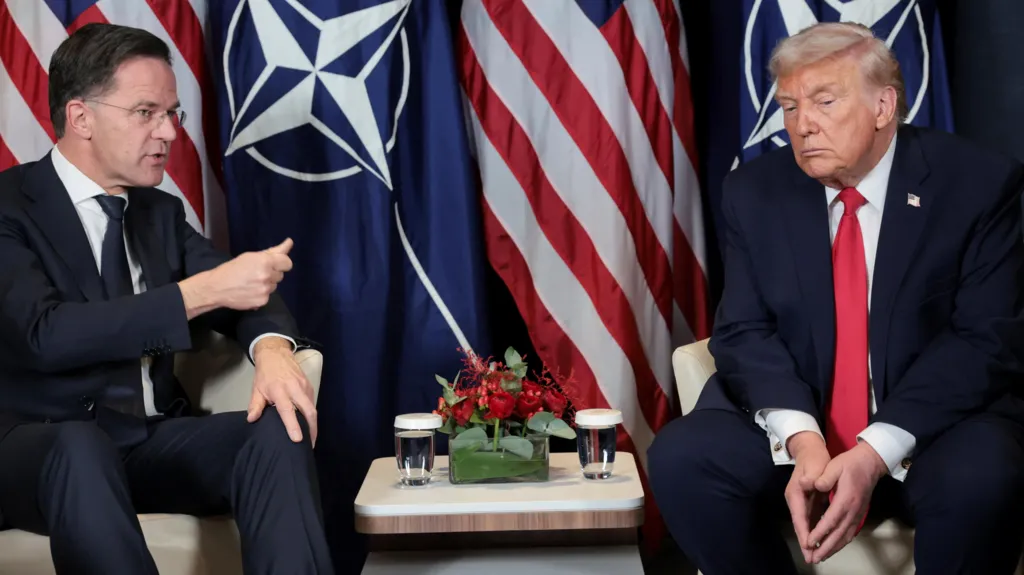
BRUSSELS — The glass-and-steel corridors of NATO headquarters were the stage for a “seismic” diplomatic showdown this week as U.S. President Donald Trump renewed his scorched-earth critique of the alliance’s burden-sharing. Following a high-stakes summit in Brussels, NATO Secretary General Mark Rutte described the discussions as “very frank”—a term widely recognized in diplomatic circles as a “bum note” indicating significant disagreement. While the alliance sought to project a front of unity amidst the ongoing “tectonic” shifts in global security, the President’s unfiltered rhetoric regarding “delinquent” spending has left European capitals in a familiar state of holding-pattern anxiety.

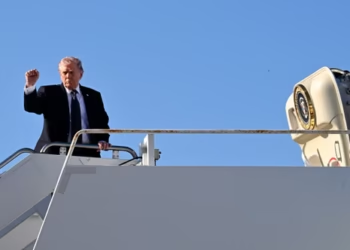
President Trump, speaking to reporters on the tarmac before departing for a bilateral meeting in Berlin, did not mince words. He characterized the current state of NATO as “unfair to the American taxpayer,” repeating his long-standing grievance that the United States continues to shoulder a disproportionate share of the “Power Plant” that is Western defense. “I told them very clearly: the 2% is the floor, not the ceiling,” Trump stated. “Some of these countries are wealthy beyond belief, yet they treat our protection like a discount service. That’s over.”
The Secretary General’s choice of words, “very frank,” served as a “technical glitch” in the usual veneer of transatlantic harmony.
-
The Spending Gap: Despite a “seismic” increase in European defense budgets since 2022, several key member states have yet to meet the 2% GDP target. The President reportedly singled out these nations during the closed-door session, creating what one official described as “unfiltered friction.”
-
The Strategic Pivot: Trump’s critique wasn’t limited to cash; he also questioned the alliance’s focus, suggesting that NATO must pivot more aggressively toward “border security and counter-terrorism” rather than remaining locked in a “Cold War mindset.”
-
The Rutte Rebuttal: Secretary General Rutte emphasized that European contributions have reached “unprecedented” levels, arguing that the alliance is more “human-centered” and integrated than ever before. “We are stronger together,” Rutte told the press, though he admitted that “honest conversations about the price of peace are necessary.”
The “market shock” of the President’s comments was felt immediately across European defense stocks, which saw a volatile “rollercoaster” afternoon as investors weighed the possibility of a U.S. withdrawal or a reduction in regional presence. In “Life & Society,” the rhetoric has reignited the debate over “European Strategic Autonomy”—the idea that the EU must develop its own “Iron Horse” of defense capability independent of Washington’s political cycles.
As the “World holds its breath” for the next formal gathering in Washington this summer, the “logistical friction” within NATO remains high. Diplomats are working overtime to draft a “system update” to the alliance’s funding formula that might satisfy the White House without breaking the budgets of smaller member states.

For the thousands of troops currently stationed in the Baltic states and Poland, the political “seismic” activity in Brussels is more than just headlines; it is a question of their very mission. Whether the “very frank” meetings of 2026 lead to a more “remarkable wisdom” in burden-sharing or a permanent fracture in the alliance remains the most pressing question of the decade. As the President’s plane cleared Belgian airspace, the message was clear: the era of “unfiltered” American patience has officially ended.
Related News:
 Trump Administration Probe of Fed’s Powell Draws Pushback
 Iran Rejects Ceasefire, Warns Trump With Chilling Message
 Trump Faces New Warning Signs as Iran War Hits Home
 The Horns of Dilemma: Why the 2026 Iran War Ignited and Where It Goes Next
 Modi’s London Visit Seals Historic UK-India Trade Pact Amid Global Tensions
 Rachel Reeves to lead UK trade push in Saudi Arabia amid rights debate
 Canada Passes Carney’s First Budget in Tight Parliamentary Vote
 India’s Labour Law Overhaul Sparks Fierce Debate
 Trump to Recheck Green Cards from 19 Nations After DC Attack
 Carney’s Alberta Pipeline Deal Sparks Immediate Pushback
 Russia losses Ukraine war peace talks intensify amid rising deaths
 Trump Escalates Minnesota Immigration Surge Amid Rising Tensions
 Austrian Airlines Halts Tehran Flights Amid Political Unrest
 Trump: US Stands Ready to Help Iran Find Freedom Amid Widespread Unrest
 Top Senate Republican Says Federal Probe of Powell Could Challenge Fed Nominees
 Trump Threatens Strong Action If Iran Executes Protesters
 Government Unveils Northern Powerhouse Rail Plans
 Trump Receives Machado’s Nobel Medal in White House Meeting
 Greenland Crisis Forces Europe to Draw a Line With Trump
 Iran Cannot Be Bombed Into Democracy, Only Helped There
 Trump Fed bid heads to Supreme Court
 Historic Abu Dhabi Talks Bring US, Ukraine and Russia Together
 Trump Pulls Canada from His Controversial ‘Board of Peace’ Plan
 EU Says US Ties Have Suffered ‘Big Blow’ After Greenland Crisis
 ‘Repatriate the Gold’: Germany Debates Bringing Reserves Home
 Thousands Protest ICE Operations in Nationwide US Day of Action
 Epstein Files Reveal Trump Officials’ Emails with Financier
 Trump Praises ‘Terrific’ Petro After White House Talks
 Fears of New Arms Race as US-Russia Nuclear Weapons Treaty Expires
 New Nuclear Talks Between US and Iran Begin in Geneva
 ‘He Did It for Us’: US Soldier Recalls Jesse Jackson’s Efforts to Free Him and Two Other POWs
 Stephen Colbert Says CBS Spiked Interview With Democrat Over FCC Fears
 Japan Braces as Takaichi Begins New Term with Huge Mandate for Low‑Tax, Ultra‑Conservative Agenda
 US Urges Iran to Make Deal as Military Presence Rises
 Sanders Condemns Billionaire ‘Greed’ in California Tax Debate
 US and Indonesia Finalise Deal to Cut Tariffs to 19%
 US Trade Deficit Hits Fresh High Despite Trump’s Tariffs
 Billionaire Les Wexner Tells US Lawmakers He Was ‘Naive’ and ‘Conned’ by Epstein
 US Will Not Back Out of Tariff Deals with UK and Others, Says Trump Trade Representative
 What Now for Asia After Trump’s Tariffs Were Struck Down?
 Inside Kyiv’s resolve as conflict nears five‑year mark
 What to Watch for During Trump’s State of the Union Address
 Trump’s tariff strategy collapse sows global chaos and confusion
 Bill Gates ‘Took Responsibility’ Over Epstein Ties in Staff Meeting, Foundation Says
 Clinton Testimony Erupts in Fiery Exchange
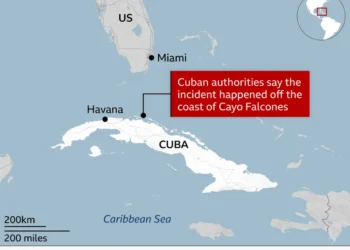 American Citizen Killed in Cuba Boat Shooting, U.S. Officials Say
 Hillary Clinton Tells House Panel She ‘Had No Idea’ of Epstein’s Crimes
 Hopes and Fears as US Iranians Take to Streets After Toppling of Supreme Leader
 Iran, the US, and a World Cup That Starts in Three Months
 Britain’s Position and Trump Vows to Press On in Iran Conflict
 Trump Faces Questions Over Iran Conflict Plan
 Trump’s Iran Endgame Unclear After Mixed Messaging on War Aims
 Rubio Responds to Reported Strike on Iranian School
 US Senate Backs Trump War Powers Amid Iran Missile Barrage
 US Senate Vote Fails to Rein in Trump War Powers on Iran
 Trump Removes Kristi Noem From Homeland Security Role
 UK Prepares Aircraft Carrier for Middle East Crisis
 Pete Hegseth Iran War Remarks Spark Alarm
 Iran War Puts Trump at Political Risk Amid Rising Prices
 Gulf Oil Shock Sends Global Economic Ripples
 US Says 16 Iranian Mine Ships Destroyed in Hormuz
 Russia Seeks Gains as Iran War Reshapes Global Politics
 Trump’s Confidence Undimmed — But Every Iran Option Carries Risk
 Fox News Cut In Over Trump King Charles Claim
 Trump Seeks to Delay Meeting With Xi
 PM Seeks to Reassure Australians Over Fuel Supply
 Reeves to Join Emergency G7 Meeting as Oil Hits $116
 Zelensky Looks to Gulf to Protect Him from Putin
 Iran Strikes Kuwaiti Desalination Plant, Killing Worker as ‘Water War’ Escalates
 Trump to Deploy “God Squad” Over Gulf Wildlife Protections
 Epic Fury: The Strategic Logic and Uncertain Horizon of the 2026 Iran War
 Can Congress Stop US Sports Teams From Moving Cities?
 Trump’s Harsh Rhetoric on Iran Sparks Global Alarm
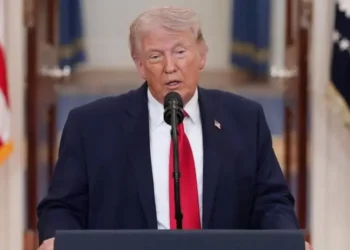 “Region Will Burn”: Iran Issues Defiant Retaliation Warning After Trump’s Expletive-Laced Deadline
 Oil and Diplomacy: Russian Refineries Burn as Zelenskyy Secures Middle East Shield
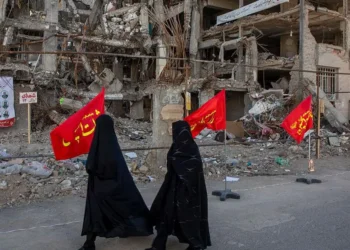 “A Perfect Storm”: UK Small Businesses Face Doubling Energy Bills as Iran War Rattles Markets
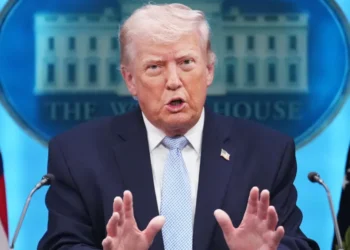 The $100 Billion Peace: Trump’s ‘Grand Bargain’ Ends Iran Conflict at a Staggering Cost
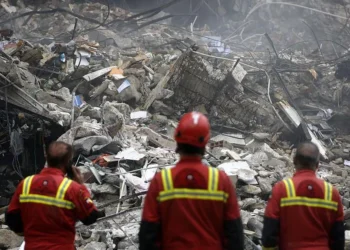 ‘A Double-Sided Ceasefire’: Inside the 14-Day Truce Between the US and Iran
 Diplomatic Sprint: Starmer Heads to the Gulf as 14-Day Truce Holds
 The Great Chokehold: Why the Strait of Hormuz is the Epicenter of the 2026 Crisis