Published: April 13, 2026. The English Chronicle Desk.
The English Chronicle Online — Tracking the seismic pressure on global supply chains.
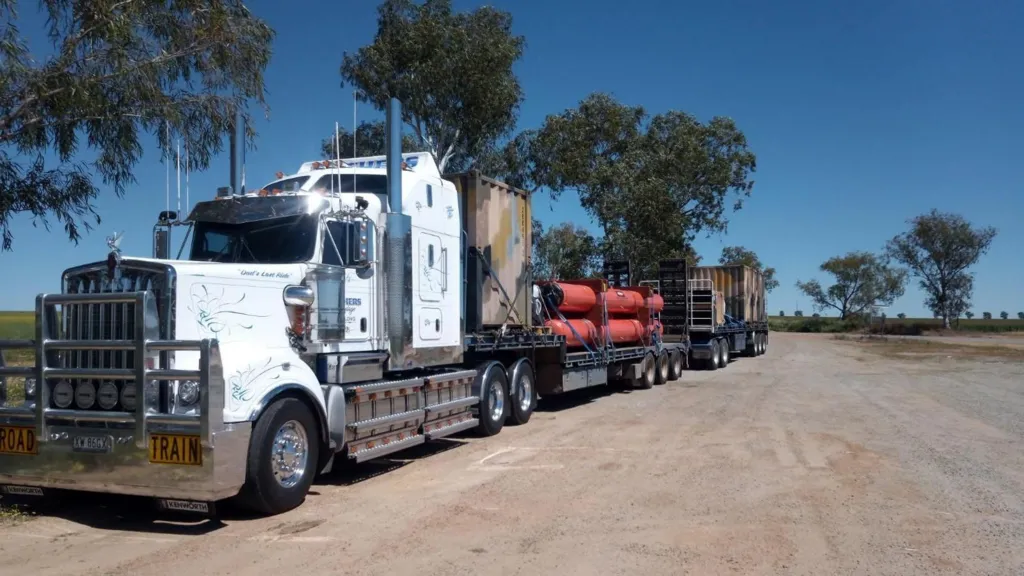
PERTH / SYDNEY / ALICE SPRINGS — The “Iron Horse” of the Australian economy is facing a tectonic threat today as “out of control” diesel prices send shockwaves through the nation’s crucial freight industry. Following the market shock of global oil prices breaching $100, Australian trucking operators are reporting an “unprecedented” surge in overheads that threatens to ground the road trains that serve as a “Power Plant” for the continent’s interior. With diesel prices hitting record highs in remote regions, industry leaders are warning of a “vile” ripple effect that will inevitably lead to a system update in the cost of groceries and essential goods for every Australian household.

The “logistical friction” of moving freight across the vast Australian landscape makes the industry particularly vulnerable to the current “unfiltered” energy crisis. As the World holds its breath for a resolution to the Middle East naval blockade, the Australian transport sector is entering a holding pattern of financial survival, calling for remarkable wisdom from the federal government to prevent a total “technical glitch” in the national supply chain.
The “Science & Technology” of Australian logistics relies on massive fuel consumption, making the current seismic price hike a direct threat to stability.
The Distance Penalty: Unlike smaller nations, Australia’s “logistical friction” is defined by thousands of kilometers of highway. A seismic jump in fuel costs can add tens of thousands of dollars to a single transcontinental journey.
The Road Train Factor: Australia’s unique heavy-vehicle configurations require a “Power Plant” of diesel. The “unfiltered” cost of filling these tanks has moved from a “bum note” to a significant and poignant existential threat for small fleet operators.
Supply Chain Fragility: Because Australia relies on road freight for 75% of its non-bulk domestic tonnage, the market shock at the pump is a “technical glitch” that affects every sector from agriculture to mining.
The Life & Society impact of the diesel crisis is not just a “business problem”; it is a “human-centered” crisis for Australian families.
Grocery Inflation: As freight costs climb, supermarkets are forced into a system update of their pricing, leading to a “vile” increase in the cost of fresh produce and staples.
Remote Community Vulnerability: For those in the Top End or the Red Centre, the “Iron Horse” of the truck is the only source of food and medicine. Higher fuel costs represent a significant and poignant threat to their “Health & Wellness.”
Small Business Fatigue: Independent truckers—the “backbone” of the industry—are facing a tectonic squeeze, with many warning they will have to park their rigs if a “toll-free” subsidy or fuel tax relief isn’t granted.
As the seismic pressure mounts, industry bodies are demanding a remarkable intervention from Canberra to stabilize the “Power Plant” of the economy.
Fuel Excise Relief: There are urgent calls for a system update to the fuel tax credit scheme to provide a “remarkable wisdom” buffer against global price spikes.
The Transition Debate: While the crisis highlights the need for a Science & Technology shift to hydrogen or electric trucks, the “logistical friction” of current technology means diesel remains the only “Iron Horse” capable of crossing the Nullarbor in 2026.

Sovereign Risk: Experts warn that the “unprecedented” dependence on imported fuel is a “technical glitch” in national security that requires a tectonic rethink of Australia’s energy strategy.
“If the trucks stop, Australia stops; it’s that simple,” a freight advocate stated with unfiltered urgency. “We are seeing a market shock that is quite literally ‘out of control.’ Without a system update in support, the ‘Iron Horse’ is going to run out of road.”
Related News:
 British AI Startup Outshines Human Forecasters in Global Prediction Contest
 UK New Car Discounts Near £6,000 as Prices Are Slashed
 Cuban Cigar Festival Cancelled Amid US-Linked Energy Crisis
 The Chinese AI App Sending Hollywood Into a Panic
 Etsy Sells Second‑Hand Fashion App Depop to eBay for $1.2bn
 Flights Cancelled and New Travel Warnings Issued After Iran Strikes
 Limited Flights Leave UAE But Disruption Continues Amid Iran Strikes
 ABC Staff Strike Over Pay and AI Concerns
 Jim Ratcliffe’s £3.5bn Chemical Plant Delayed with Parts Stranded in the Gulf
 Baltic Blackout: Satellite Images Reveal Scorched Russian Oil Hubs After Ukraine Strikes
 Euston’s Easter Silence: Major Rail Shutdown Paralyzes West Coast Main Line
 Apple at 50: Three Products That Changed How We Live
 Electric Shock: Australians Buy Record Number of New EVs as Fuel Crisis Bites
 War, Windfalls, and the Carbon Trap: The Iran Conflict’s Brutal Energy Math
 The ‘Heavy’ Shift: Gulf Coast Refineries Ramp Up Venezuelan Crude Intake
 The Great Chokehold: Why the Strait of Hormuz is the Epicenter of the 2026 Crisis
 Hot in the City: Energy Crisis Tests Singapore’s Air-Con ‘Addiction’
 The Autonomous Frontier: Northern Ireland Group Secures ‘Seismic’ Grant for Self-Driving Buses
 Space Odyssey ‘Bum Note’: UK Band Linked to Artemis II’s ‘Toilet Trouble’
 Market Shock: Oil Surges Past $100 as US Initiates Naval Blockade
 How to Exit Your Broadband Contract Without Paying Exit Fees
 China’s crackdown on civil servant perks sparks economic concerns
 Shein UK Faces Allegations of Shifting Majority of Profits to Singapore to Reduce UK Tax
 Big Pharma Investment Freeze Puts UK Life Sciences Sector Under Strain
 Jaguar Land Rover Extends Production Halt Following Cyber-Attack
 Google at 27: The Untold Story of Ruth Kedar, the Woman Behind the Iconic Logo
 Experts Warn Russia’s Burevestnik Missile Could Destabilise Arms Control
 Virgin Trains Moves Closer to Challenging Eurostar Monopoly
 Britain deploys RAF specialists to assist Belgium with drone threats
 New laws to bolster UK’s defences against cyber attacks on NHS, transport and energy
 Pokémon to open world’s first theme park in Japan next year
 Canada Passes Carney’s First Budget in Tight Parliamentary Vote
 US Clears Nvidia AI Chip Sales to China in Policy Shift
 MPs warn AI financial risks threaten UK stability
 Amazon mistakenly signals new global layoffs to employees
 BT Names New Openreach Chief Amid Major Fibre Expansion
 Dual Nationals Face Scramble for UK Passports as New Rules Come Into Force
 Chasing the Next Solar Eclipse: When, Where and How to See It
 Indian University Kicked Out of AI Summit for Claiming Chinese Robot Dog as Its Own Invention
 China Shows Off Nunchuck‑Wielding Humanoid Robots for Lunar New Year
 How Do You Modernise Mango Farming? India’s Growers Urged to Innovate as Climate Change Hits
 Live Nation Sees Strong Ticket Sales as Monopoly Lawsuit Looms
 Musk Cuts Starlink Access for Russian Forces – Giving Ukraine an Edge at the Front
 AI Coding Firm’s ‘Pride’ at Business Award Win
 US Will Not Back Out of Tariff Deals with UK and Others, Says Trump Trade Representative
Storm Hernando: Edinburgh Airport Flights Cancelled in US Travel Chaos
US Will Not Back Out of Tariff Deals with UK and Others, Says Trump Trade Representative
Storm Hernando: Edinburgh Airport Flights Cancelled in US Travel Chaos
 Bill Gates ‘Took Responsibility’ Over Epstein Ties in Staff Meeting, Foundation Says
 Social Media Trial: Woman Says Addiction Began at Six
Instagram Investigating AI Profiles ‘Fetishising’ Disabled People
Social Media Trial: Woman Says Addiction Began at Six
Instagram Investigating AI Profiles ‘Fetishising’ Disabled People
 Islanders Advised on Travel to Middle East Amid Escalation
 Australian GP Confident Amid Travel Disruption
 The US Now Has the Medicine for Cheap Swarming Drone Attacks
 We Have More Privacy Controls Yet Less Privacy Than Ever — The Paradox of Digital Life
 Study Says Only Two Nations May Survive Nuclear War
 Oil Prices Surge Above $100 Amid Iran War
 Air India Express Plane Damaged in Chaotic Landing at Phuket Airport
 Oil Price Jumps Despite Deal to Release Record Amount of Reserves
 UniCredit’s Bold Move to Reshape European Banking
 India’s $300bn Outsourcing Industry Faces AI Test
 UK Wage Growth Slows as Jobs Market Holds Firm
 One Ant for $220: The New Frontier of Wildlife Trafficking
 Trump Considers Military Operation to Seize Iran’s Uranium
 Trump Threatens Iran With Total Infrastructure Destruction
 ‘Better Off Not Planting’: UK Farmers Face 36% Fertiliser Spike as Gulf Crisis Bites
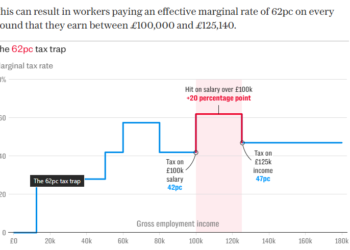 The ‘Career Ceiling’: One in Five High Earners Say £100k Tax Trap is ‘Ruining’ Their Ambition
 ‘At the Doorstep of the Future’: Florida’s Space Coast Braces for Historic Artemis II Launch
 Russia: The Unforeseen Winner of the Iran Conflict
 A Name for the Nameless: DNA Finally Links 1974 Utah Murder to Ted Bundy
 Breaking the Horizon: Blind Runner to Tackle Brighton Marathon with Smart Glasses
 The $11k Ticket: High Stakes and Dynamic Pricing in FIFA’s First Open Sale
 US Senators Slam Ticketmaster Over Sneaky New Fee Hikes
 Oil and Diplomacy: Russian Refineries Burn as Zelenskyy Secures Middle East Shield
 Paradise Aground: Cruise Ship Evacuated After Striking Reef Near ‘Cast Away’ Island
 “A Perfect Storm”: UK Small Businesses Face Doubling Energy Bills as Iran War Rattles Markets
 Voices of the Vanguard: ‘Audio Time Capsule’ of Disability Rights Pioneers Discovered
 The Great Saddle-Up: Sydney Commuters Ditch the ‘Crazy’ Bowsers for the Bike Lane
 The Prediction Prohibition: White House Staff Barred from Betting on Political Markets
 Moldova River Crisis Exposes War’s Hidden Cost
 California fireworks blast: murder charges filed in case
 Relief at the Pump: Irish PM Unveils €505m Package to Stem Fuel Crisis