Published: 15 April 2026. The English Chronicle Desk. The English Chronicle Online.
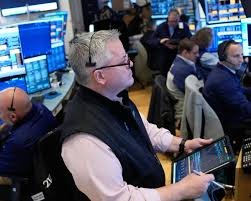
The global financial landscape shifted dramatically on Wednesday as major indices reached unprecedented heights. Investors across the world reacted with fervor to the latest geopolitical developments in the Middle East. The benchmark S&P 500 index successfully breached the historic seven thousand point milestone for the first time. This significant achievement came after a steady climb of nearly one percent throughout the trading session. Traders appear to be betting heavily on a swift resolution to the ongoing regional conflict. The tech-heavy Nasdaq index also mirrored this bullish sentiment with a very impressive daily gain. Market participants are increasingly optimistic that the hostilities between major powers will conclude quite soon. This wave of positivity has effectively erased the steep losses seen earlier in the year.
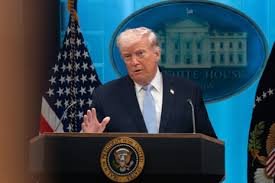
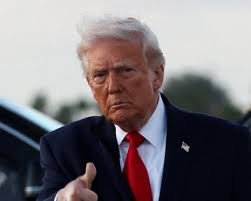
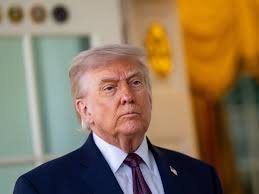
The primary catalyst for this surge remains the fragile ceasefire agreement currently in place. Diplomatic efforts between Washington and Tehran have provided a much-needed reprieve for global energy markets. Investors are closely monitoring every statement issued by high-ranking officials regarding the peace process status. Recent comments from Donald Trump have added significant fuel to the fire of market optimism. He suggested that the military phase of the operation has reached a definitive conclusion. These remarks circulated quickly through trading floors, prompting a renewed appetite for riskier equity assets. The prospect of a comprehensive deal has outweighed lingering fears of further regional instability. Many analysts believe the market is now pricing in a total cessation of hostilities.

Despite the prevailing optimism, the White House has maintained a more cautious public stance. Official spokespeople clarified that no formal extension to the current ceasefire has been requested. However, they did characterize the ongoing discussions as both productive and consistently moving forward. This nuance suggests that while peace is not guaranteed, the dialogue remains very active. The ceasefire is currently scheduled to expire on the twenty-second day of this month. Traders are essentially gambling that negotiators will find common ground before that critical deadline. Any breakdown in these high-stakes talks could spark a rapid return to market volatility. For now, the momentum remains firmly on the side of the optimistic bulls.
The financial sector provided further support for the rally through several strong earnings reports. Both Bank of America and Morgan Stanley exceeded the expectations of seasoned Wall Street analysts. These results suggest a surprising level of resilience within the broader United States economy. Corporate leaders noted that consumer spending patterns remain robust despite the pressures of war. Credit quality among borrowers has actually shown signs of improvement over the last quarter. Businesses are also beginning to utilize their existing credit lines for new expansion projects. This internal economic strength provides a solid foundation for the current stock market records. Even with global uncertainty, the domestic financial engine appears to be humming along nicely.
Interestingly, the market seemed to overlook reports of a potential naval blockade. News surfaced that the United States might restrict access to the Strait of Hormuz. This vital waterway facilitates the transit of one fifth of global oil supplies. The Pentagon has reportedly deployed fifteen warships to the region to enforce this measure. Such a move would typically send shockwaves of fear through the global energy sector. However, investors focused instead on the potential for a long-term diplomatic breakthrough instead. The belief is that these military maneuvers are merely leverage for the negotiating table. Consequently, the threat of supply disruptions did not dampen the spirits of equity traders.
Energy prices have reflected this complex mix of military tension and diplomatic hope. Brent crude oil prices saw a significant drop following the initial ceasefire announcement. Crude is currently trading at approximately ninety-five dollars per barrel on the global market. While this is lower than recent peaks, it remains historically high for consumers. Prices are still roughly thirty-five percent higher than they were before the conflict. High energy costs continue to act as a persistent headwind for the global economy. Nevertheless, the recent downward trend in oil has provided some relief to inflationary fears. Markets are hoping that a permanent peace will bring prices back to normal.
The technology sector led the charge during the most recent record-breaking trading session. Investors are flocking back to high-growth companies that thrive in stable economic environments. The Nasdaq’s rise of over one and a half percent signals a major recovery. Many of these firms had previously suffered due to supply chain disruptions from war. Now, there is a sense that the worst of the chaos is behind. Large-cap tech stocks are once again acting as the primary engine for market growth. This trend suggests that capital is moving out of defensive havens and into equities. Confidence is high that the path toward regional peace is now truly inevitable.
Global markets are also watching the response from European and Asian financial hubs closely. The positive sentiment in New York often sets the tone for international trading sessions. London’s FTSE 100 has shown signs of following this upward trend in early trading. There is a universal desire for the volatility of the past months to end. Professional money managers are rebalancing portfolios to account for a post-war economic reality. The shift in narrative from conflict to recovery has been remarkably swift and decisive. Most participants are eager to move past the era of geopolitical uncertainty entirely.
Looking ahead, the next few days will be critical for maintaining these gains. Any official confirmation of a permanent peace treaty would likely spark another massive rally. Conversely, a return to active combat would almost certainly lead to a sharp correction. The seven thousand point level on the S&P 500 is a major psychological barrier. Staying above this threshold will require continued positive news from the diplomatic front. Analysts remain divided on whether the current highs are sustainable in the long term. Much depends on the final terms of the deal being discussed in secret. For today, however, the mood on Wall Street is one of pure celebration.

The resilience of the American consumer remains a vital part of this success story. Spending has stayed high even as international tensions dominated the daily news cycle. This domestic strength allows the market to weather external shocks more effectively than expected. Bank executives remain confident that the economic fundamentals are stronger than the headlines suggest. They point to steady employment figures and rising corporate profits as key indicators. This underlying health provides a safety net if the peace talks hit hurdles. Investors are leaning into this narrative of strength as they buy into records. The intersection of military strategy and market mechanics has created a unique moment.
As the ceasefire deadline approaches, the world remains in a state of watchful waiting. The English Chronicle will continue to provide updates on these rapidly evolving global events. For now, the record-breaking numbers on Wall Street offer a glimmer of hope. They represent a collective belief that a more peaceful future is finally within reach. Whether this optimism is justified will be revealed in the coming critical weeks. For the moment, the bulls are firmly in control of the financial narrative. The journey to ten thousand points for the S&P 500 has truly begun. Every investor is now focused on the final outcome of the peace talks.
Related News:
 George Clooney and Amal Clooney Receive French Citizenship
 Capitol Attack Anniversary Sparks Deep Political Divide
 Saudi Officials Report Zubaidi Flee Before Yemen Peace Talks
 UK Targets in New York Bomb Threat Hoax: Man Jailed
 Gambia Supreme Court Hears Case to Overturn FGM Ban
 Trump targets Iran trade with 25% tariff warning
 Rudd successor: Defence chief and former ministers considered
 US Senate rejects resolution limiting Trump military powers
 Venezuela regime claims release of political prisoners signals new era
 Gulf states warn Trump Iran strikes risk wider Middle East war
 Machado Trump medal gesture reshapes Venezuela power struggle
 Greenland defence seen as shared Nato duty amid troop arrivals
 Geopolitical football: Iran, Trump and the World Cup clash
 Canada-China trade gains momentum in new strategic partnership
 Trump Receives Machado’s Nobel Medal in White House Meeting
 Syria President Declares Victory as Ceasefire Reached with SDF
 US Considers Asylum for British Jews Amid Rising Antisemitism
 Trump slams UK ‘stupidity’ over Chagos Islands, eyes Greenland takeover
 Trump Tightens Grip on EU and UK Energy Supply
 Shinzo Abe’s killer receives life sentence in Japan
 China General Under Investigation Amid Leadership Purge
 Philippines ferry disaster leaves 15 dead, dozens missing
 Cambridge Faces Scrutiny Over Arms Investment Transparency
 Files Link Andrew to Epstein Dinner After Prison Release
 Epstein UAE Emails Shake British Royal Andrew’s Legacy
 Christchurch gunman seeks to vacate guilty plea
 Liberal Fallout: Taylor Challenge Casts Shadow Over Sussan Ley’s Leadership
 Infantino Faces Russia Threat and Trump Concerns at Uefa Congress
 Concerns rise for Canberra boy amid Iran detention fears
 Ukraine, Russia Meet in Geneva Ahead of War Anniversary
 Caribbean Leaders Urge Dialogue Amid US Oil Embargo on Cuba
 Anthony Albanese Must Uphold Rights for All Australians
 DHS Probe Into Border Official Sparks National Debate
 Ukraine Sends Drone Experts to Defend US Bases in Jordan
 New Zealand Covid Response Praised Despite Lingering Scars
 Abramovich Chelsea Sale Cash Faces Jersey Probe
 Yvette Cooper: UK Must Follow Principles, Not US Pressure
 US Strike on IRIS Dena Strains Strategic Indian Security Ties
 Slovenia Election: A Nation at a Crossroads
 Jury Rules Meta and YouTube Liable for Addictive Design
 Saudi Arabia Urging US to Keep Up Iran Attacks
 Trump Softens Cuba Oil Stance as Russian Tanker Nears
 Health & Social Affairs | International Development
 The Woman Guarding Earth From the Threat of Asteroids
 IMF Predicts Global Economic Crisis Due to Gulf Unrest
 Spain Shuts Airspace to US Military Over Iran Conflict
 California Defies Trump With Strict New AI Standards
 Germany Grapples With AI Abuse Following TV Star Scandal
 Exiled Tycoon Warns of New Russian Attacks on UK Soil
 Labor Under Fire Over Stalled University Fee Reform
 LA 2028: Millions of Affordable Olympic Tickets Announced
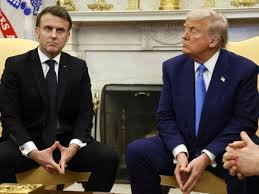 Trump Slams Europe as Transatlantic Tensions Boil Over
 Inside the Deceptive Machine: A Former Producer Speaks Out
 Italy Faces Third Successive World Cup Absence After Loss
 Turkey End Kosovo Dreams to Secure World Cup Return
 Starmer Urges Ambitious EU Ties Amid Middle East Conflict
 Spain Faces Backlash Over Xenophobic Chants in Egypt Draw
 A Global Voice For Justice: Stephen Lewis Dies At Age 88
 Trump Issues Stark Warning After Strike On Iran’s Largest Bridge
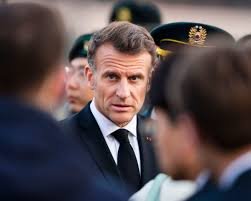 Macron Urges Stability as Trump Jolts Nato and Iran
 Hope and Fear as Iranians Flee Across the Turkish Border
 Trump Mocks Starmer and UK Carriers in White House Speech
 Tragic End to Outback Search as Floods Claim a Life
 Michigan Battleground: Middle East Crisis Stirs US Senate Race
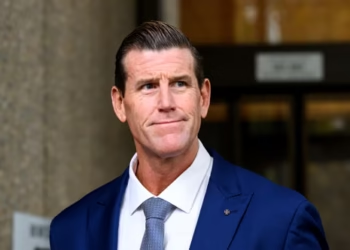 Ben Roberts-Smith Arrested Over Alleged War Crimes
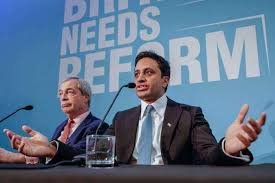 Reform UK Pledges To Halt Visas Over Reparations Demands
 ABC Ends Diversity Memberships to Protect Independence
 US and Iran Agree to Two-Week Provisional Ceasefire
 Starmer visits Gulf as US and Iran agree ceasefire
 Gaza Child Arrives in UK for Life-Changing Care
 Israel Defies Ceasefire as Lebanon Operations Persist
 Own an Entire Australian Town for the Price of a UK Flat
 Pakistan Brokers Historic Peace Deal Amid Rising Tensions
 Netanyahu Vows Continued Lebanon Strikes Amid Peace Talks
 UK Holds Firm on Strait of Hormuz Amid Trump Pressure
 Rory McIlroy Eyes New Horizons After Masters Defence
 Trump Signals Hope for New Iran Talks as Ceasefire Fades
 Reeves Slams Trump Over Iran War Lack Of Exit Plan
 US and Iran Pursue Extension of Ceasefire via Pakistan
 Trump’s Islamabad Gamble: The High Stakes of a New Iran Deal