Published: 11 August 2025. The English Chronicle Online
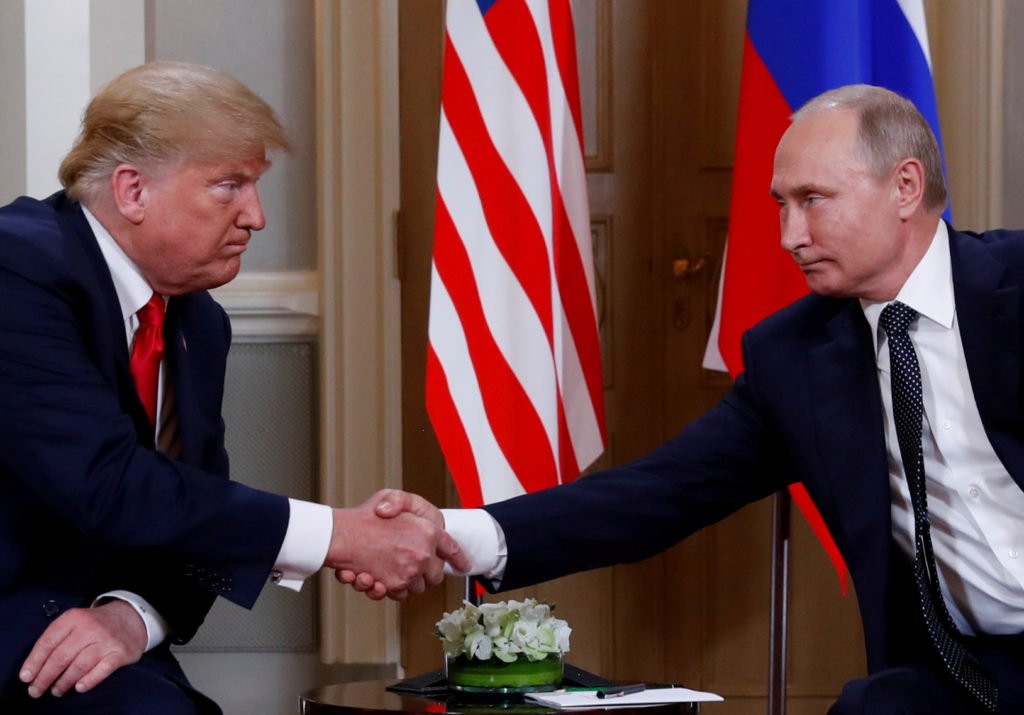
In a move that underscores the complexities and tensions surrounding US-Russia relations, Alaska has been selected as the venue for a highly anticipated summit between former US President Donald Trump and Russian President Vladimir Putin. The choice of this remote northern state is unusual and reflects a host of strategic considerations amid the ongoing conflict in Ukraine and broader geopolitical struggles.
Despite the proximity of Alaska to Russia — separated by the Bering Strait by just 55 miles — the journey to the state capital Anchorage is far from simple. For Putin, the flight from Moscow stretches close to nine hours, while Trump’s trip from Washington, DC aboard Air Force One will take nearly as long. The venue embodies what analysts describe as “mutual inconvenience,” signaling that practical logistics are just one of several factors shaping this unprecedented summit location.

Alaska’s geographical remoteness places it well beyond the immediate theaters of conflict in Ukraine and the diplomatic circles of Europe. While Trump has expressed openness to Ukrainian President Volodymyr Zelenskyy’s possible participation, it remains doubtful whether Putin would welcome such a presence. The summit is expected to focus on private, high-stakes discussions involving sanctions, trade, NATO’s influence in Europe, and a proposed territorial exchange involving Ukrainian lands — a highly contentious topic with far-reaching implications.
A critical dimension to Alaska’s selection lies in security considerations. Putin faces an international arrest warrant issued by the International Criminal Court over alleged war crimes, notably the forced deportation of Ukrainian children to Russia. With neither Russia nor the United States recognizing the court’s authority, and with Alaska positioned far from allied territories, the venue offers a politically safer setting for Putin’s attendance. The flight route avoids countries that might pose risks or complications, unlike alternative paths over the Black Sea or Turkey.
Historically, US-Russia summits have often occurred in cooler, northern climates that resonate with the countries’ geographic identities. The 2018 Helsinki summit between Trump and Putin stands out as a notable recent example, marked by controversy over US intelligence on election interference. Earlier summits, such as the 1986 Reykjavik meeting between Reagan and Gorbachev, centered on nuclear disarmament but ended without agreement. During the 1990s, summitry was more frequent, with meetings in locations like Birmingham and Shropshire coinciding with Russia’s G8 membership.

Today, however, such moments of détente and cooperative spirit seem distant. The Alaska summit will be only the fourth between the US and Russia since 2010, and prospects for a breakthrough ceasefire in Ukraine remain slim. The war’s brutal toll persists on both frontlines and civilians, with Russia continuing its bombardment of Ukrainian cities in a relentless campaign to subjugate its democratic neighbor.
Alaska, with its symbolic distance and strategic isolation, thus emerges as a venue shaped by both necessity and symbolism. It reflects the profound challenges of bridging divides between two global powers locked in conflict, and the precarious dance of diplomacy conducted on the edge of mutual distrust and geopolitical rivalry.
Related News:
 UK Must Act with Courage and Clarity on Israel-Palestine Conflict, Says Foreign Affairs Committee Report
 Starmer and Trump to Meet in Scotland Amid Growing Gaza Ceasefire Pressure
 Minister Dismisses Legal Concerns Over UK’s Pledge to Recognise Palestinian State
 MPs Call on UK Government to Delay Biometric Visa Checks for Gaza Students Amid Humanitarian Crisis
 Radioactive Leak at UK’s Nuclear Warhead Base Sparks Outcry Over Safety and Secrecy
 ‘I’m collateral damage’: ex-minister Tulip Siddiq on her Bangladesh corruption trial
 “I Don’t Expect to Live a Normal Life”: How a Leeds Teenager Became the Target of a Chinese Bounty
 Ministers Accused of Defamation Over Palestine Action Ban and Mass Arrests
 UK Defence Secretary Says Allied Troops ‘Ready to Act from Day One’ if Ukraine Ceasefire Agreed
 Is the UK Ready to Put Boots on the Ground in Ukraine? Assessing Military Capacity and Challenges
 Protests Expected as Israeli Arms Firms Join Global Defence Trade Fair in London
 UK Home Office to Launch French Beach Signage to Warn Asylum Seekers of Risks
 Charlie Kirk Killing Used to Mobilise UK’s Largest Far-Right Rally in Decades
 UK Immigration Figures: Separating Facts from Perceptions
 Far-Right Rally in London Draws Record Crowds Amid Clashes with Police
 Thousands Gather in London to Protest Donald Trump’s Second UK State Visit
 UK and Ireland Set to Unveil New Proposals to Address Northern Ireland’s Troubles Legacy
 Trump Urges UK to “Call Out the Military” to Secure Borders Amid State Visit
Tulip Siddiq Raises Concerns Over Alleged ‘Fake’ Documents in Bangladesh Corruption Trial
Trump Urges UK to “Call Out the Military” to Secure Borders Amid State Visit
Tulip Siddiq Raises Concerns Over Alleged ‘Fake’ Documents in Bangladesh Corruption Trial
 UK Recognises State of Palestine in Push to Preserve Hope for Peace
 UK’s Recognition of Palestine: Symbolic Step or Real Change?
Trump’s UN Speech Criticises London and UK Policies, Draws Far-Right Attention
UK’s Recognition of Palestine: Symbolic Step or Real Change?
Trump’s UN Speech Criticises London and UK Policies, Draws Far-Right Attention
 UK Fighter Jet Purchase Could Breach Nuclear Treaty, Warns CND
 A Third of EU Citizens in UK Report Discrimination by Public Bodies Post-Brexit
 Jailed Georgian Opposition Leaders Warn UK of Iranian Links to Ruling Party
 Russia repeatedly targets UK military satellites, warns Space Command chief
 Pro-Palestine March to Proceed in London Despite Calls to Cancel After Manchester Attack
 UK Universities Warn Students Ahead of 7 October Pro-Palestine Protests
Starmer Considers Stricter Measures on Pro-Palestinian Protest Chants
UK Universities Warn Students Ahead of 7 October Pro-Palestine Protests
Starmer Considers Stricter Measures on Pro-Palestinian Protest Chants
 Public Trust in SNP Hits Historic Low Amid NHS Concerns
 Tony Blair Met Jeffrey Epstein at Downing Street in 2002
 China’s Mega Embassy in London Faces Further Delay
 Johnson Suggests Mandelson Linked to China Spy Controversy
 Minister Blames Deputy for Collapse of China Spy Case
 Shabana Mahmood Warns Border Failings Are Eroding Trust in States
 Witness statements reveal the CPS China spy row collapse in the UK
 Large scale Chinese spying in UK sparks political storm
 Nigel Farage Calls Vladimir Putin ‘A Very Bad Dude’
 Rachel Reeves signals welfare reform ahead of key budget
 Prince Andrew met alleged Chinese spies during Pitch@Palace China trips
 Kosovo agrees to host Britain’s refused asylum seekers
 Plaid Cymru Triumphs in Caerphilly, Ending Labour Century-Long Hold
 Rachel Reeves to lead UK trade push in Saudi Arabia amid rights debate
 British Woman in Iran ‘Losing Hope’ Amid Ongoing Detention
 Johnson Approved China’s London ‘Super-Embassy’ in 2018
 BBC Journalist Held and Interrogated in Vietnam
 Zohran Mamdani becomes New York City’s first Muslim mayor
Zohran Mamdani names all-female transition team for NYC mayoralty
Zohran Mamdani becomes New York City’s first Muslim mayor
Zohran Mamdani names all-female transition team for NYC mayoralty
 Second world war veterans honoured as King leads Remembrance Sunday
 BBC director-general and news chief resign amid bias row
 New review urges UK to repatriate Shamima Begum, others from Syria
 Rama Rebukes Mahmood for Targeting Albanian Families
 Russian Vessel Used Lasers on RAF Pilots, UK Claims
 Ireland Boosts Ukraine Aid as Zelensky Visits Dublin
 UK Government Expands ‘Deport Now, Appeal Later’ Policy to 23 Countries
 Where Is Prince William and Kate Middleton’s New House? Inside the Historic Lodge Set to Become Their ‘Forever Home’
 Larger Families Could Gain Thousands if Labour Ends Two-Child Benefit Cap
 Palestine Action Ban Protesters Plan Tactic to Overwhelm Police at Next London Demonstration
 Conservative Influencer Charlie Kirk Fatally Shot During University Debate
UK Rejoining EU ‘Unlikely in My Lifetime,’ Says Starmer’s Europe Reset Negotiator
Conservative Influencer Charlie Kirk Fatally Shot During University Debate
UK Rejoining EU ‘Unlikely in My Lifetime,’ Says Starmer’s Europe Reset Negotiator
 ‘Unite the Kingdom’ Rally Sparks Fears of Far-Right Normalisation Among Minority Britons
 Zarah Sultana Seeks Legal Action After Bitter Clash with Jeremy Corbyn Over Party Membership Funds
 Top Andy Burnham Ally Launches Fierce Critique of Starmer Ahead of Labour Conference
 Mahmood Pledges Reform of Modern Slavery Laws After Court Blocks Deportation Appeal
 Ed Miliband Urges Labour to Confront Billionaire-Backed Opposition to Net Zero Goals
 Digital ID Plans Ignite Debate Over £600m Treasury Tax Boost and Privacy Concerns
 Yvette Cooper Backs Digital ID Plan for UK Teens
 Ministry of Justice fails to file £11bn in spending receipts
 Reform UK candidate fined £19,000 after using AI-generated cases to challenge election
 William Steps Up Over Prince Andrew Palace Response
 Ireland Votes as Two Women Compete for Presidency
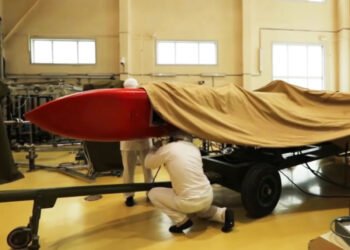 Experts Warn Russia’s Burevestnik Missile Could Destabilise Arms Control
 Green Party Surges Past Labour in Latest UK Poll
 Zarah Sultana Launches Party to Change Politics
 Just Stop Oil Protesters Convicted Amid Climate Defence Row
 Starmer Faces Growing Dissent as Labour MPs Weigh Leadership Challenge
 Peers Flood Assisted Dying Bill with 942 Amendments
 Trump Deploys DHS to Charlotte in Major Arrest Operation
 Pentagon Officials in Ukraine to Discuss War End
 Most Tories Expect to Support a Farage-Led Government