Published: 19 April 2026. The English Chronicle Desk. The English Chronicle Online
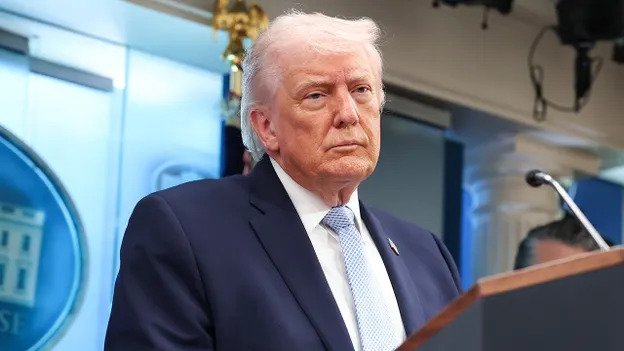
Tensions between the United States and Iran have escalated sharply after conflicting developments over the strategic Strait of Hormuz, with reports indicating renewed disruption to global shipping routes and a rapid deterioration in diplomatic momentum.
US President Donald Trump had earlier suggested that negotiations with Iran were progressing, following his announcement that a naval blockade linked to Iranian ports would remain in place until ongoing discussions were completed. However, the situation shifted rapidly as Tehran reportedly reversed signals regarding access to the waterway, raising fresh concerns over global energy security.
The Strait of Hormuz, one of the world’s most important oil transit routes, has once again become a flashpoint after reports emerged of renewed maritime incidents. According to maritime monitoring sources, vessels linked to the region have faced interference and alleged attacks, prompting international alarm over the safety of commercial shipping in the area.

The latest escalation comes after a brief period in which the US administration claimed progress had been made toward stabilising the situation. Trump had earlier described developments as a potential breakthrough, suggesting that Iran had agreed to prevent further closure of the strait. Those statements were quickly followed by contradictory reports from Tehran, undermining optimism for de-escalation.
A senior US official reportedly indicated that the situation remains highly volatile and that the prospect of renewed conflict cannot be ruled out if diplomatic efforts fail. The White House has convened high-level security discussions to assess the implications for regional stability and global oil markets.
The Strait of Hormuz is a critical maritime corridor through which a significant portion of the world’s crude oil supply passes. Any disruption to its operation has immediate consequences for international energy prices and global economic stability. Previous tensions in the region have repeatedly triggered fluctuations in oil markets and raised concerns among major importing nations.
Analysts say the latest developments reflect a broader pattern of unpredictable communication and strategic signalling between Washington and Tehran. Statements from both sides have shifted rapidly in recent days, creating uncertainty among allies, markets, and international observers.
The situation has also drawn attention from global political figures, including Democratic senator Jon Ossoff, who has criticised the handling of foreign policy developments and warned about the domestic and international consequences of escalating tensions. Meanwhile, US intelligence and security officials continue to monitor the situation closely amid concerns over potential further destabilisation.
Separate reports have also highlighted internal debates within US agencies regarding broader national security priorities, including leadership challenges and operational readiness. However, the immediate focus remains on preventing further escalation in the Gulf region.
The renewed tensions come at a sensitive time for global diplomacy, with energy markets already under pressure from geopolitical uncertainty and shifting alliances. Experts warn that prolonged instability in the Strait of Hormuz could have far-reaching effects, including increased shipping costs, supply chain disruptions, and inflationary pressure in energy-dependent economies.

Despite the heightened rhetoric, diplomatic channels between the US and Iran remain technically open. International mediators have urged restraint and called for renewed dialogue to prevent further deterioration of the situation. However, trust between the two sides remains fragile, and previous attempts at sustained agreements have repeatedly broken down.
Observers note that the current crisis reflects the long-standing strategic importance of the Gulf region, where maritime access, oil exports, and military presence intersect in a highly sensitive geopolitical environment. Any escalation, even temporary, is likely to attract global attention and potential intervention efforts from allied nations.
As the situation continues to develop, uncertainty remains over whether diplomatic engagement can stabilise the Strait of Hormuz or whether the region is heading toward another prolonged period of confrontation.
Related News:
 Trump likens US Navy actions to ‘pirates’
 Ohio’s Battle for Trust: Democrats Vying to Flip the Buckeye State
 Trump Claims Iran Peace Deal Near Completion
 Putin Intensifies Territorial Demands Before US Talks
 Trump to Recheck Green Cards from 19 Nations After DC Attack
 Trump Escalates Minnesota Immigration Surge Amid Rising Tensions
 Greenland Faces Pivotal Summit Over Arctic Power Struggle
 Trump Threatens Strong Action If Iran Executes Protesters
 Trump Receives Machado’s Nobel Medal in White House Meeting
 EU Says US Ties Have Suffered ‘Big Blow’ After Greenland Crisis
 Thousands Protest ICE Operations in Nationwide US Day of Action
 Epstein Files Reveal Trump Officials’ Emails with Financier
 Thousands Protest ICE in New York Against Trump Deportation Campaign
 Trump Praises ‘Terrific’ Petro After White House Talks
 Clinton Testimony Erupts in Fiery Exchange
 Trump Faces Questions Over Iran Conflict Plan
 UK Prepares Aircraft Carrier for Middle East Crisis
 Pete Hegseth Iran War Remarks Spark Alarm
 Trump’s Harsh Rhetoric on Iran Sparks Global Alarm
 Iran Reimposes Strait of Hormuz Restrictions Amid Tension
 Charles Faces Trump Test in High-Stakes US Visit
 UK Stands Firm on Falklands Amid US Rift
 US Court Ruling Reshapes Voting Rights Landscape
 US states redraw maps after voting rights ruling
 Trump orders US troop pullout from Germany
 Judge halts deportation of Yemeni refugees in US
 Trump approval plunges amid Iran war fears
 Giuliani hospitalised in critical condition
 Trump Threatens UN Budget Cuts as US Pushes ‘Trade Over Aid’ Agenda
 Trump warns Iran as Middle East tensions surge again
 US ‘Narco Boat’ Strikes Draw Global Outcry
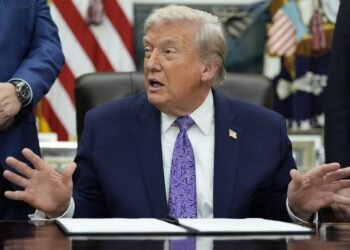 Indiana Republicans Defy Trump in Key Vote Test
 US Court Restores Abortion Pill Access Temporarily
 Ohio Primaries Set Stage for Crucial Midterms
 Afghan Families Left in Limbo Face Risk of Deportation
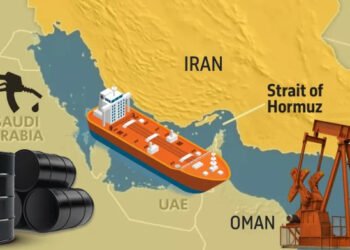 Middle East Crisis Escalates as Oil Routes Shake Markets
 Tensions Emerge in Netanyahu-Trump Alliance
 US Awaits Iran Reply on New Ceasefire Proposal
 Kevin Warsh sworn in as Fed chair amid economic backlash
 US green card applicants must apply from abroad, DHS says
 Hormuz Talks Near Critical Stage
 UK Pushes for New EU Goods Trade Deal
 Reeves Fights to Keep Treasury Role Amid Labour Turmoil
 Trump’s Revenge Drive Deepens GOP Divide
 Discontent grows around Putin amid war strain
 Former ICC prosecutor condemns US sanctions
 Gunman Killed After White House Security Shootout
 US Midterm Primaries: Democrats Target Key Republican Seats
 House Curbs Trump’s War Powers in Rare Rebellion
 Labour MPs Urge Burnham to Revive UK Aid Target
 Mystery Grows Over Mitch McConnell’s Health
 Senate Halts Defense Bill Over Iran Clashes
 Trump Jokes, Jabs and Press Tensions at WHCA Dinner
 Houthis Strike Saudi Arabia as Middle East Tensions Rise
 Is America Ready for an AOC Presidential Run?
 Trump dismisses concerns over 250-day carrier deployment
 Trump Calls Strait of Hormuz ‘American Territory’
 Trump Faces Iran War Crisis Before Midterm Vote
 BBC to Apologise Over Edited Trump Speech Amid Backlash
 Britain deploys RAF specialists to assist Belgium with drone threats
 Greene Pushes Epstein Files Amid Trump Fallout
 December Run-Off in Chile as Election Produces No Winner
 Shadow Fleet at Sea: Europe’s Battle Against Illicit Oil Shipping
 Georgians Defy Government Crackdown After Year of Protests
 Trump press secretary attacks reporter over ICE question
 Greenland Crisis Forces Europe to Draw a Line With Trump
 UK and US Drop in Global Corruption Index Rankings
 Canberra Poster Seizure Sparks Free Speech Row
 Jacinda Ardern Move Sparks Kiwi Reflection
 Injured Mojtaba Khamenei Elevated as Iran Leader
 Pakistan Targets Militant Hideouts in Afghanistan
 Air Canada CEO Faces Outcry Over Recent Language Misstep
 Relationship with Trump may be beyond repair, Starmer warned
 Unions Raise Concerns Over Doctors’ Pay Dispute
 Trump Signals Hope for New Iran Talks as Ceasefire Fades
 Trump Brokers Landmark Lebanon Ceasefire Amid Regional Hopes
 Trump Defiant After Washington Hotel Shooting
 Coalition pushes fossil fuel phaseout plan
 Trump’s Mount Rushmore Speech: A Divisive Anniversary
 Former Diplomats Urge UK and France to Act on Palestine