Published: 21 April 2026. The English Chronicle Desk. The English Chronicle Online
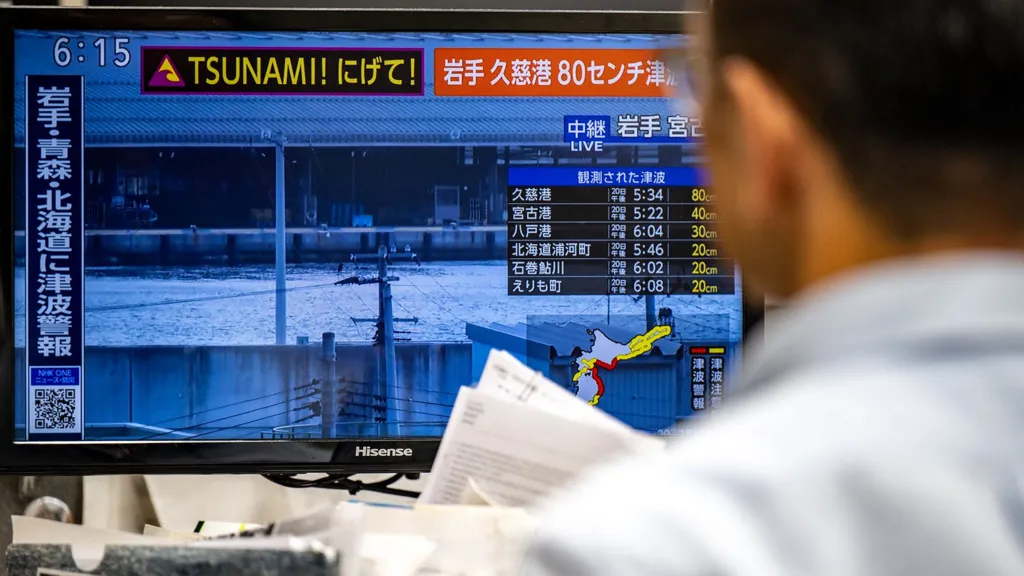
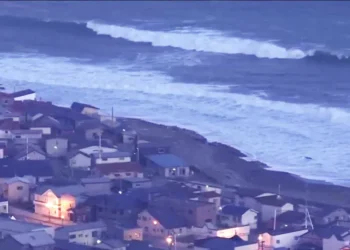
Japan has entered a period of extreme “seismic vigilance” as 182 municipalities across seven northern prefectures were placed on high alert for a potential magnitude 8.0 or stronger megaquake. The special weeklong advisory, issued by the Japan Meteorological Agency (JMA) late Monday night, comes in the wake of a powerful magnitude 7.7 earthquake that struck off the Sanriku coast at 4:53 p.m. local time on April 20. While all tsunami warnings and advisories were officially lifted at 11:45 p.m. Monday, officials warn that the likelihood of a “catastrophic secondary event” along the Japan and Chishima trenches is now significantly higher than normal, urging millions to maintain a state of immediate readiness until at least April 27.
The Monday afternoon tremor, initially reported as a 7.5 before being revised to 7.7, was powerful enough to sway skyscrapers in Tokyo, hundreds of kilometers from the epicenter. However, it was the “low, heavy rumbling” felt by those in Aomori and Iwate that signaled the severity of the event. In Hashikami, Aomori, the quake registered an “upper 6” on the Shindo seismic intensity scale, throwing furniture across rooms and shattering storefronts. Despite the intensity of the shaking, only four minor injuries have been reported—a testament to Japan’s rigorous building codes and the rapid evacuation of over 182,000 residents who fled to higher ground as tsunami sirens wailed across the northeast.

The earthquake occurred at a depth of 19 kilometers, a shallow point that triggered an immediate three-meter tsunami warning for Hokkaido, Aomori, and Iwate.
| Metric | Recorded Data (21 April 2026) | Observations / Notes |
| Magnitude | 7.7 $M_w$ | Revised from 7.4 / 7.5. |
| Max Shindo | Upper 6 (Aomori) | Violent shaking; difficult to stand. |
| Tsunami Peak | 80 cm (Kuji Port) | Detected approx. 40 mins post-quake. |
| Evacuations | 182,811 People | 82,811 households across 5 prefectures. |
| Nuclear Status | Normal | Onagawa & Higashidori intact. |
The JMA’s decision to issue an “Off the Coast of Hokkaido and Sanriku Subsequent Earthquake Advisory” marks only the third time such a protocol has been used since its inception. Under the advisory, the probability of a magnitude 8.0 or larger quake occurring within the next seven days has risen from the baseline of 0.1% to roughly 1%. While statistically low, the tenfold increase represents a “red zone” for disaster planners. “This is not a prediction, but it is a warning of heightened risk,” JMA official Shinya Tsukada stated. “The pressure on the Chishima Trench is at a critical threshold, and a magnitude 7.7 can easily act as a foreshock to a magnitude 9.0 event, similar to the pattern seen in 2011.”
Prime Minister Sanae Takaichi, who took office last year, has placed the government on a “crisis management” footing. In a live address, she urged citizens from Hokkaido to Chiba to check their emergency “grab bags” and confirm evacuation routes to designated shelters. “The government will do its utmost, but the first minutes of a megaquake belong to the individual,” Takaichi said. “Please carry on with your daily lives, but do so with your shoes by the bed and your path to higher ground clear.”
For the residents of the Sanriku coast, the events of April 20 were a traumatic echo of the March 2011 Great East Japan Earthquake. The sight of ships being moved out of ports in Tomakomai and the sound of loudspeakers urging “Run to high ground!” brought many to tears. “The rumbling was exactly the same,” said a survivor in Miyako. “We didn’t wait for the siren; we just started running.” The sense of unease is compounded by the global situation; with the Iran war already driving UK diesel to 190p and causing global supply chain chaos, a major disaster in Japan would likely trigger a global economic collapse.
Japanese economists warn that a magnitude 8.0 event in this region could cause up to $2 trillion in damage, further straining a global economy already under the “War Tax” of the Middle East conflict. Currently, international shipping is already avoiding the Strait of Hormuz, and a shutdown of Japanese ports due to tsunami damage would paralyze the tech and automotive sectors.

As of Tuesday afternoon, the primary focus remains on the “72-hour window,” which experts say is the most likely time for a powerful aftershock or a secondary megaquake. Schools in Urakawa, Hokkaido, have remained closed for April 21, and several Shinkansen lines continue to operate at reduced speeds to allow for track inspections. While the tsunami threat has “passed” for the immediate 7.7 event, the ocean remains “restless,” with tidal gauges showing unusual fluctuations.
For now, Japan sits in a state of suspended animation. The “low rumbling” has faded, but the silence that followed is filled with the tension of a nation that knows the earth is not yet finished. As the sun sets on the first day of the weeklong advisory, the lights in evacuation centers remain on, and millions of families are sleeping in their clothes, ready to run if the Sanriku coast speaks again.
Related News:
 The Sad, Strange Story of the World’s Most Radioactive Paradise
 Tiny Possum and Glider Thought Extinct for 6,000 Years Found in Remote West Papua
 Musk’s xAI Permit Sparks Fury Over Power Plant Expansion
 Tsunami Alerts Eased After Magnitude 7.7 Earthquake Rattles Northern Japan
 British AI Startup Outshines Human Forecasters in Global Prediction Contest
 UK Fighter Jet Purchase Could Breach Nuclear Treaty, Warns CND
 Google at 27: The Untold Story of Ruth Kedar, the Woman Behind the Iconic Logo
 Russia repeatedly targets UK military satellites, warns Space Command chief
 Cooper Unveils £4m Cyber Plan Against Russian Hackers
 Experts Warn Russia’s Burevestnik Missile Could Destabilise Arms Control
 Britain deploys RAF specialists to assist Belgium with drone threats
 Hitler’s DNA Confirms He Truly Had Only One Testicle
 Pokémon to open world’s first theme park in Japan next year
 Poll Reveals China Leads World in Trusting AI Technology
 ‘Extinct’ Antelope Returns to Sahara, Bringing Hope
 US Clears Nvidia AI Chip Sales to China in Policy Shift
 BP’s Influence Sparks Controversy in UK STEM Education
 Iran Signals Permanent Break From Global Internet, Activists Warn
 Robo-Vaccination Could Transform Fight Against Bovine TB
 UK New Car Discounts Near £6,000 as Prices Are Slashed
 Moment Officers Rescue Injured Bald Eagle From Icy Hudson River
 Shutting North Sea ‘Will Drive Up Carbon Emissions’
 Indian University Kicked Out of AI Summit for Claiming Chinese Robot Dog as Its Own Invention
 China Shows Off Nunchuck‑Wielding Humanoid Robots for Lunar New Year
 The Chinese AI App Sending Hollywood Into a Panic
 How Do You Modernise Mango Farming? India’s Growers Urged to Innovate as Climate Change Hits
 Bill Gates Pulls Out of India’s AI Summit Over Epstein Files Controversy
 Zuckerberg Defends Meta in Landmark Social Media Addiction Trial
 Musk Cuts Starlink Access for Russian Forces – Giving Ukraine an Edge at the Front
 Storm Hernando: Edinburgh Airport Flights Cancelled in US Travel Chaos
 Greenpeace $345m Ruling Sparks Appeal Battle
 Social Media Trial: Woman Says Addiction Began at Six
Instagram Investigating AI Profiles ‘Fetishising’ Disabled People
Social Media Trial: Woman Says Addiction Began at Six
Instagram Investigating AI Profiles ‘Fetishising’ Disabled People
 Anthropic Boss Rejects Pentagon Demand to Drop AI Safeguards
 Why Russia Controls Its People With a Flick of a Switch
 Water Cremation Introduced in UK First
 The US Now Has the Medicine for Cheap Swarming Drone Attacks
 Boy George Says He’s Using ChatGPT to Help Write New Songs
 Protesters Rally in San Francisco Against OpenAI Deal With Pentagon
 We Have More Privacy Controls Yet Less Privacy Than Ever — The Paradox of Digital Life
 Regulator Contacts Meta Over Workers Watching Intimate AI Glasses Videos
 Study Says Only Two Nations May Survive Nuclear War
 Fuel and Remittances: How Iran Conflict Hits India At Home
 ‘Greedy’ Beaver Caught Twice in Wildlife Monitoring Trap
 Tropical Cyclone Narelle Batters the Western Australian Coast
 One Ant for $220: The New Frontier of Wildlife Trafficking
 How and When to See April’s Full Pink Moon
 Trump Considers Military Operation to Seize Iran’s Uranium
 Jim Ratcliffe’s £3.5bn Chemical Plant Delayed with Parts Stranded in the Gulf
 ‘The Counting of a Nation’: India Launches World’s Largest Census Amid Tech Revolution
 ‘At the Doorstep of the Future’: Florida’s Space Coast Braces for Historic Artemis II Launch
 ‘The Invisible Killer’: Chiang Mai Air Quality Crisis Sparks Pediatric Health Emergency
 ‘We Go for All Humanity’ — Artemis II Returns Humans to the Lunar Vicinity
 The Orion Capsule: A High-Stakes Vigil in Earth’s Orbit
 A Name for the Nameless: DNA Finally Links 1974 Utah Murder to Ted Bundy
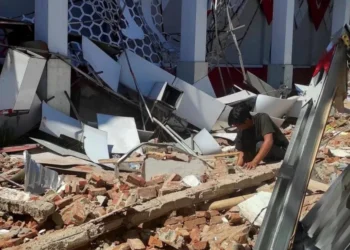 7.4-Magnitude Earthquake Jolts Eastern Indonesia; Tsunami Warning Lifted
 Breaking the Horizon: Blind Runner to Tackle Brighton Marathon with Smart Glasses
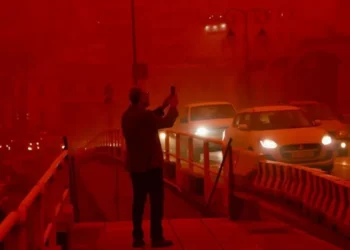 Red Skies and Raging Floods: One Dead as Storm Erminio and Saharan Dust Grip Greece
 The Banbridge Rescue: 300 Sheep Saved from Massive Hay Shed Inferno
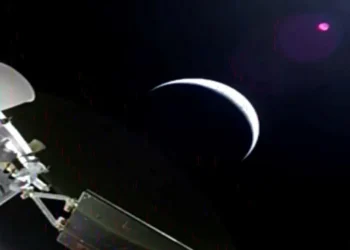 Lunar Bound: Artemis II Leaves Earth’s Orbit for Historic Deep-Space Journey
 “Homo Sapiens are All of Us”: Artemis II Crew Sends Emotional Message of Unity from Deep Space
 Apple at 50: Three Products That Changed How We Live
 Tragic End to Outback Search as Floods Claim a Life
 Paradise Aground: Cruise Ship Evacuated After Striking Reef Near ‘Cast Away’ Island
 “The Forest’s Last Guardian”: Dominique Bauma’s Forty-Year Battle for Congo’s Mountain Gorillas
 Inside the “Justice Factory”: BBC Enters the Seized Scam Compound with Fake Global Police Stations
 Voices of the Vanguard: ‘Audio Time Capsule’ of Disability Rights Pioneers Discovered
 Beyond the Far Side: Artemis II Restores Contact After 40-Minute Silence
 Electric Shock: Australians Buy Record Number of New EVs as Fuel Crisis Bites
 War, Windfalls, and the Carbon Trap: The Iran Conflict’s Brutal Energy Math
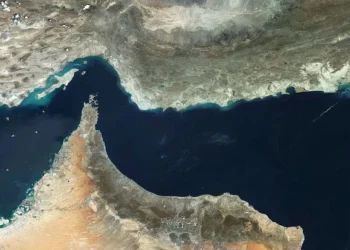 The Great Chokehold: Why the Strait of Hormuz is the Epicenter of the 2026 Crisis
 Southern Skies: High Turnout and Surprise Visitors in Birdwatch 2026
 Moldova River Crisis Exposes War’s Hidden Cost
 Artemis II Returns After Historic Moon Flyby
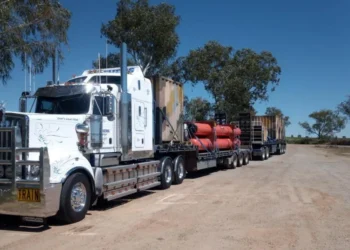 The Outback Squeeze: ‘Out of Control’ Diesel Prices Threaten Australia’s Freight Arteries
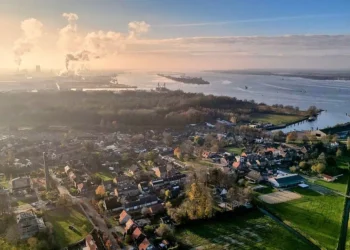 The Sinking Heritage: The Dutch Village at Risk of Being Demolished
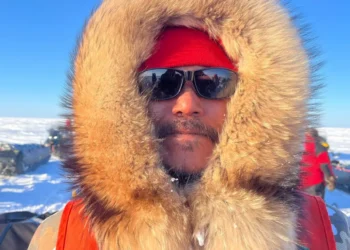 The Frozen Frontier: Why Frostbite is the Least of Concerns for Canada’s Arctic Forces
 Big Tech Lobbies EU to Hide Massive Datacentre Emissions
 Canadian astronaut French words ease language row
 The Empty Express: India’s $100 Billion Metro Gamble Faces a Ridership Crisis