Published: 22 April 2026. The English Chronicle Desk. The English Chronicle Online.
Gohta Hashimoto stands firmly in a crowd wielding a glowing lightsaber as a symbol. This toy represents the difficult battle he and his peers currently face today. They are desperately trying to derail plans by the Japanese government to change laws. The government wants to alter the pacifist constitution for the first time ever. This famous document has successfully defined the nation for nearly eighty years now. Hashimoto is a twenty-two-year-old university student who feels a deep personal concern. He has closely followed the rise of far-right political parties in Japan lately. He wants to be part of a movement that keeps the country peaceful. Protecting the constitution has become his primary goal during this very turbulent time.
He and other young people are driving a growing movement to protect supreme law. The constitution was written by the United States after the second world war ended. Now the document is being challenged by demands from the current American president. Their movement gained significant urgency this past Tuesday during a major government announcement. The administration scrapped a long-standing ban on exports of lethal military weapons. This move is seen as a direct challenge to the nation’s postwar pacifism. Yuri Hioki joined a rally in Tokyo to voice her strong frustrations. She believes the constitution enables Japan to stay out of foreign military conflicts. The thought that this might change makes her feel incredibly angry today.
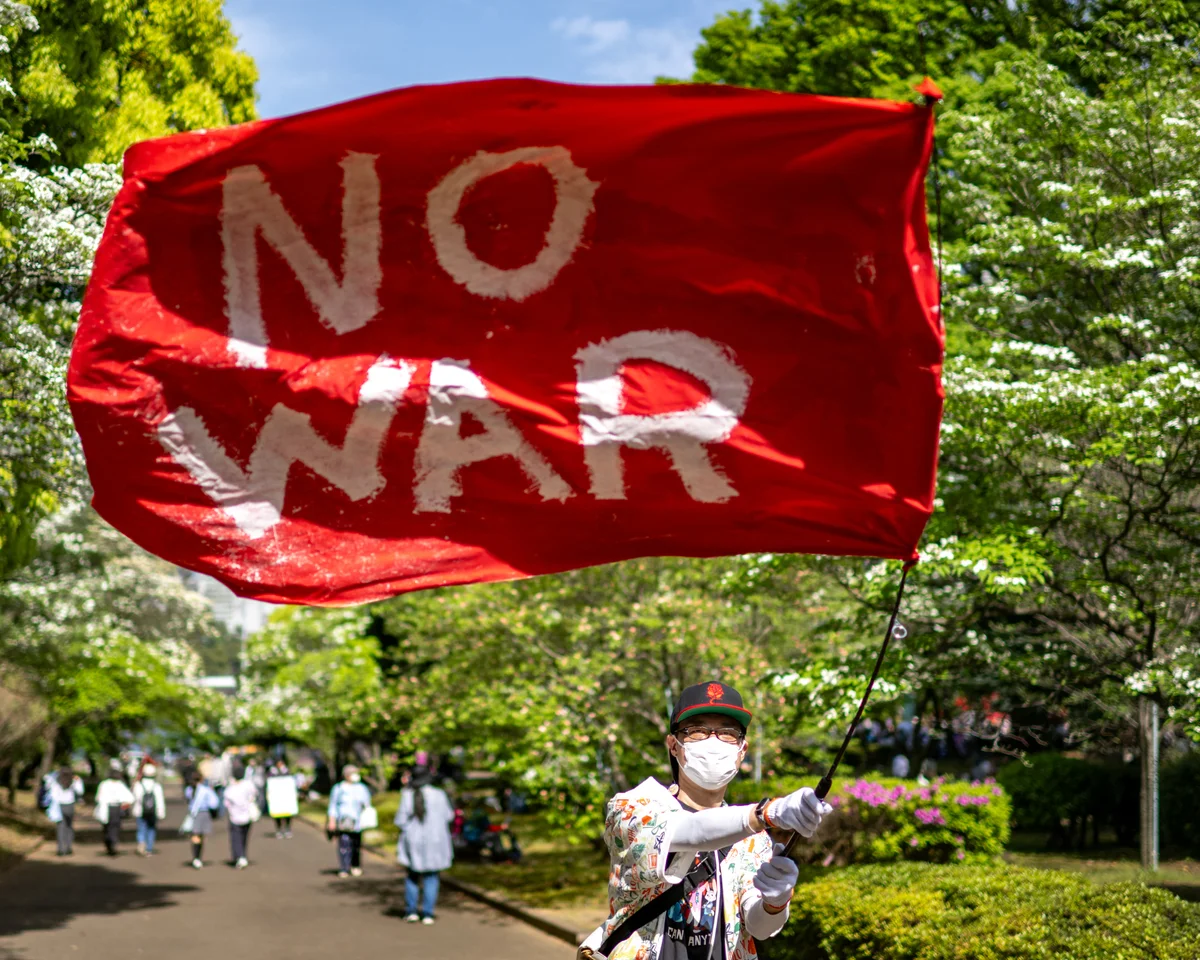
Hashimoto’s lightsaber is just one contribution to a sea of light sticks. Placards and flags are filling public spaces all across the nation of Japan. People born more than half a century after the war are defending law. They are convinced it will ensure their country never enters another armed conflict. On Sunday, an estimated thirty-six thousand people crowded the paths near parliament. They gathered in front of the National Diet to call for immediate peace. The crowds demanded an end to the ongoing war involving Iran today. They also want to keep the country’s pacifist constitution completely intact moving forward. The event was the latest in a wave of protests growing in size.

An estimated three thousand people demonstrated in late February to voice their concerns. The numbers swelled to twenty-four thousand by the end of March quite quickly. This weekend saw a huge turnout that surprised many seasoned political observers here. The largest protests have been held in the political heart of Tokyo. This area is not far from where the constitution was originally drafted. American officials wrote the text under the watchful eye of General Douglas MacArthur. He effectively governed Japan for seven years after the end of the war. Seasoned left-leaning pacifists were joined by many families with young children today.
The crowds directed chants toward Prime Minister Sanae Takaichi and President Donald Trump. Music and fancy dress created a unique backdrop for the loud public proclamations. People held signs in both Japanese and English to reach a wider audience. One sign noted that no one should ever be sent to war again. Another person held a sign that humorously requested cats, not bombs, instead. Crowds chanted slogans telling the government to stop sucking up to America. Some protesters carried large balloons shaped like the numeral nine for emphasis. This is a reference to the anti-war clause within the Japanese constitution. The text states that the people forever renounce war as a sovereign right.
The wave of demonstrations made Hashimoto realize he had taken peace for granted. He previously thought of politics as something intended for much older people. That perspective feels like turning over his future to someone else entirely. He spoke at the launch of a petition to protect the article. Until now he had never thought of the constitution as a personal fight. For conservatives like Takaichi, the ninth article is synonymous with past defeat. They view the decades of pacifism as self-flagellation over wartime conduct abroad. The government argues the current laws impose unfair restrictions on national security interests. They feel threatened by a nuclear-armed North Korea and an increasingly assertive China.
The Iran war highlighted Japan’s dependence on oil from the Middle East. It also underscored the constitutional restraints placed on the current government today. Takaichi was forced to decline a request from Trump last month. He wanted her to send maritime self-defence forces to the Strait of Hormuz. She was reportedly quite reluctant to turn down such an important American request. The war has compelled younger Japanese citizens to speak out very loudly. Koichi Nakano is a professor of political science at Sophia University today. He believes the war brings home the risk of Japan getting involved. Many more people feel they need to show support for the law.
They see it as the last bulwark against war in a changing world. Like her assassinated mentor Shinzo Abe, Takaichi champions this constitutional reform movement. Succeeding would require a two-thirds majority in both houses of the parliament. A simple majority would also be needed in a nationwide public referendum. These are high hurdles that have failed to deter the determined revisionists. They see reform as an ideological imperative for the future of Japan. Faced with legislative and public obstacles, Abe stretched the interpretation of law. He pushed through legislation in twenty-fifteen to allow collective self-defence actions. This allows Japan to aid an ally even if not directly threatened.
The government has also acquired the ability to conduct risky pre-emptive strikes. They could potentially target missile bases if an attack seems imminent now. Pro-revisionists know that there is no real consensus on these offensive measures. They want to put the final nail in the coffin of pacifism. By making the forces constitutional, they want to legitimise all military activities. They want Japan to finally become a normal country like the West. While legislative shackles have loosened, the ruling party had a landslide victory. The Liberal Democratic Party won a supermajority in the lower house recently. This has strengthened Takaichi’s determination to amend the constitution very soon now.
The time has come for reform, she said at a party convention. She celebrated the seventieth anniversary of her party with this bold statement. She believes an independent amendment is a long-cherished goal for her party. She added that Japan should turn a new page in security arrangements. The recent protests have united people across many different generations of citizens. Postwar boomers recall coming of age in a thriving, peaceful, wealthy country. University students are inspired by protests against the former South Korean president. Smartphone app data shows people in their thirties participated in large numbers. More than twenty percent of protesters were in their early twenties today.
Sixty percent of all the protesters at the rallies were women, interestingly. It is not entirely clear what form these proposed revisions would take. Amendments could include a passage recognising the legal status of the military. This is a relatively minor change according to the ruling party leaders. However, critics say it could open the door to scrapping article nine. That would mark the end of eight decades of official Japanese pacifism. The road to constitutional reform could be a very rocky one indeed. Even if the revisions pass, they must win over the upper house. The government cannot count on a majority among a deeply divided public.
Related News:
 UK Banks Granted Reprieve as BoE Delays Basel III Capital Rules Until 2028
 Singapore Corruption Scandal: Details Emerge on Iswaran’s Luxury Flight and Ties to Tycoon Ong Beng Seng
 Corfu Beyond the Crowds: Discovering Serenity in Southern Villages and Hidden Taverns
 Peter Andre Praises Son Junior’s ‘Quiet Season’ Amid Ongoing Family Dispute
 Massive 641-Mile Storm Set to Batter UK with 15 Hours of Rain and Strong Winds
 Jeremy Clarkson’s Pub: A Sunday Lunch Like No Other
 Scottish Government Mandates Single-Sex Toilets and Changing Facilities in Schools
 Reeves Faces Setback as Labour May Miss Homes Target
 Kate Winslet to Narrate Film Highlighting King’s Environmental Mission
 Trump’s UK Ambassador Urges North Sea Drilling to Strengthen US Ties
 Federal Immigration Shift: Officers Leave Louisiana for Minneapolis
 Fatal Bolton Taxi Crash Claims Three Teens and Driver
 Australia grants Asio powers to designate hate groups under new laws
 Friedman Uninvited From 2024 Adelaide Writers’ Week
 ScottishPower Tops List of Worst UK Energy Suppliers
 Judi Dench Champions Fight to Save London’s Green Spaces
 Crowborough Camp Welcomes First Asylum Seekers
 BBC Funding Crisis: Tim Davie Warns of Jeopardy Ahead
 ABC Facebook Page Briefly Hacked, Adult Photos Posted
 Artificial intelligence will cost jobs, admits Liz Kendall
 Older Women Vanish from BBC Screens, Review Confirms Bias
 Meta trial over child exploitation claims begins
 Streeting moves on doctor pay to end strike dispute
 Ben Stokes injury joke after brutal ball strike
 UK and US Drop in Global Corruption Index Rankings
 Send spending gap leaves deprived areas behind
 Hidden Crisis: Domestic Abuse Suicide Toll in UK
 UK Unemployment Rate Climbs to 5.2% Peak
 Canberra Poster Seizure Sparks Free Speech Row
 BBC World Cup Presenting Duties Shared Among Trio
 Wales Approves Assisted Dying Bill Consent
 CPS Updates Guidance on Honour-Based and Dowry Abuse
 Stewart Brand on Musk, Bezos and a Life of Long Thinking
 English Cricket Faces Moral Crisis Over Indian Investment
 Jacinda Ardern Move Sparks Kiwi Reflection
 Middle East Airspace Crisis Strands Thousands
 Kelly Wilkinson Inquest Reveals Bail Failure
 Asylum Seekers to Work After Year-Long Wait
 Princess Eugenie steps down as patron of anti-slavery charity
 New Zealand Covid Response Praised Despite Lingering Scars
 Injured Mojtaba Khamenei Elevated as Iran Leader
 The Kill Line: A Shifting Vision of the American Dream
 Inquiry into HMRC child benefit errors launched by NAO
 Family of Alleged Bondi Gunman Seeks Name Suppression
 Rising Costs Force Families to Rethink Days Out
 Air Canada CEO Faces Outcry Over Recent Language Misstep
 Extreme Weather: Europe Shivers as Cyclone Narelle Hits
 Scott Mills Sacked by BBC Over Personal Conduct Claims
 Palantir Boss Defends NHS Deal Amid Government Break Clause
 Asia Turns Back to Coal Amid Middle East Energy Crisis
 Relationship with Trump may be beyond repair, Starmer warned
 Trump’s Six-Week Iranian War: The High Cost of Ignorance
 US and Iran Agree to Two-Week Provisional Ceasefire
 Battle of Britain Tower to House Tourists and Bats
 The Challenger: Will Péter Magyar End the Orbán Era?
 UK Government Poised to Revive Stalled Hillsborough Law
 Democrats Move to Impeach Defense Secretary Pete Hegseth
 Security Alert Near Israeli Embassy as Police Investigate
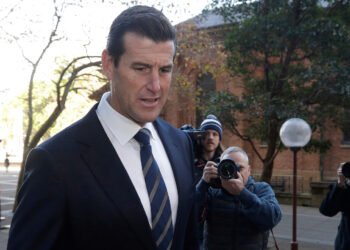 Ben Roberts-Smith Denies War Crime Allegations in First Statement
 Home Office Faces Legal Risks Over Asylum Hotel Living
 US-Iran Standoff: Will Trump Deploy Ground Troops?
 Investigation: Offshore Loans and Sanctions
 Trump Defiant After Washington Hotel Shooting
 Cross-Border Crisis Shatters Fragile Afghan Peace
 Urban Flood Crisis: A Growing Threat to English Homes
 The Fear Gap: Why Europe Feels Less Safe Than It Is
 US Military Pacific Boat Strike Kills Three People
 Dettol Apologises for ‘Toxic Men’ Advert Backlash in China
 UK Care Crisis: Row Explodes Over New Visa Settlement Rules
 Sainsbury’s Boss Optimistic As Grocery Inflation Eases
 US Advance Past Bosnia in World Cup Thriller
 Trump’s Mount Rushmore Speech: A Divisive Anniversary
 Trump’s Red-Card Intervention Hurts the US World Cup
 US Airman Avoids British Court in Indecent Exposure Case
 Britain’s Mini Fan Craze Sparks Major Waste Crisis
 Trump Swaps Planes Amid Iran Tensions
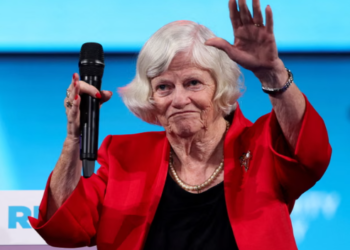 Ann Widdecombe, Formidable Political Figure, Dies at 78
 UK Schools Struggle as Classrooms Top 40C
 Yemen Accuses Iran of Violating National Sovereignty
 Houthis Strike Saudi Arabia as Middle East Tensions Rise