Published: 05 December 2025. The English Chronicle Desk. The English Chronicle Online
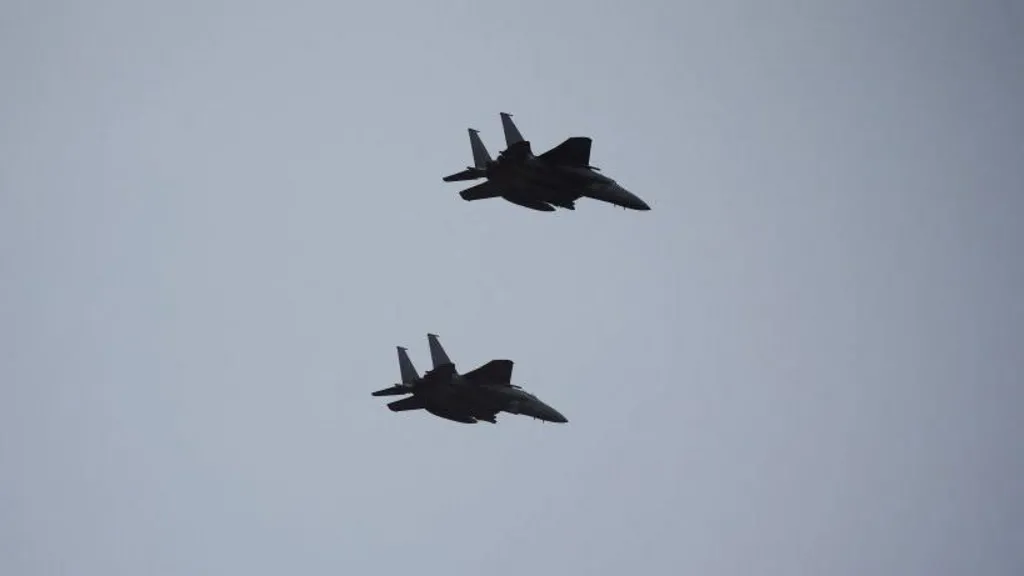
A stunning security breach within the South Korean Air Force has come to light following an investigation by the Board of Audit and Inspection. The report, which details a high-stakes mid-air collision between two elite F-15K fighter jets, concludes that the accident was not the result of mechanical failure or enemy interference, but rather the pursuit of a perfect photograph. The incident occurred during a return flight to the 11th Combat Wing in Daegu, revealing a startling culture of unofficial photography among pilots that has sparked a national conversation regarding military discipline and the safety of billion-won assets.

The events unfolded when a wingman pilot, identified as a Senior Lieutenant, attempted to capture commemorative images of his final flight before a scheduled transfer. According to the audit, the pilot had even flagged his intention to take photos during a pre-flight briefing, an admission that investigators suggest pointed to a “widespread practice” within the force that was often tacitly accepted by peers. As the mission concluded, the wingman began using a personal smartphone to photograph the formation. In a bid to secure a more dramatic camera angle, the pilot reportedly performed an abrupt and unannounced ascent, flipping his aircraft into a dangerous position directly above the lead plane.
What followed was a frantic scramble for survival. The lead pilot, realizing the wingman was attempting to film him, instructed his own rear-seat crew member to record the maneuver, essentially turning a tactical flight into an impromptu photo shoot. However, the proximity of the two multi-role fighters became critical within seconds. Despite the lead pilot attempting a rapid descent to create space, the left tail wing of the wingman’s jet struck the left wing of the lead aircraft. The impact caused significant structural damage to both planes, though miraculously, both pilots managed to regain control of their damaged vessels and land safely back at the base without sustaining physical injuries.
While the human cost was avoided, the financial and disciplinary fallout has been extensive. The collision necessitated the replacement of over 50 specialized parts across both aircraft, resulting in a repair bill exceeding 880 million Korean won. Initially, the Air Force sought to hold the wingman pilot personally liable for the full amount under the Accounting Officials Responsibility Act. However, the Board of Audit and Inspection later intervened, reducing the compensation to approximately 10% of the original fine. The board cited the Air Force’s own failure to regulate personal device use during missions and the “tacit consent” of the lead pilot as mitigating factors.

The incident was kept under a shroud of secrecy for over four years, only being disclosed this week following the pilot’s petition for a review of his disciplinary measures. Now serving as a commercial airline pilot after retiring from military service, the individual at the center of the controversy has become a symbol of the dangers of digital distraction in high-pressure environments. The South Korean military has since vowed to implement stricter oversight and “black box” monitoring of cockpit activities to ensure that the focus of its elite aviators remains firmly on the horizon rather than the lens of a camera.
Related News:
 How to Exit Your Broadband Contract Without Paying Exit Fees
 Michele Dougherty Makes History as the UK’s First Female Astronomer Royal
 Unseen Killers of the Deep Inside the UK Lab Uncovering the Silent Deaths of Sea Creatures
 UK Launches World-First Gonorrhoea Vaccine Amid Record Infection Surge
 AI Tools Used by English Councils Found to Downplay Women’s Health Issues, Raising Concerns Over Gender Bias in Care
 From ‘Skibidi’ to ‘Mouse Jiggler’: Cambridge Dictionary Expands with Modern Slang and Social Terms
 Shocking Rise in Children’s Exposure to Violent Online Pornography Raises Alarm
 Ed Davey Urges Government to Block Elon Musk’s Tesla from Supplying UK Home Energy
 Britain’s Butterfly Numbers Rebound but Remain Average
 UK Could Generate Nearly £2bn Annually by Taxing SUVs, New Study Reveals
 Jaguar Land Rover Extends Production Halt Following Cyber-Attack
 Persistent Offenders Owe Over £700m in Ulez Fines as TfL Cracks Down on Evasion
 British AI Startup Outshines Human Forecasters in Global Prediction Contest
 UK Fighter Jet Purchase Could Breach Nuclear Treaty, Warns CND
 Omeprazole Alert: NHS Issues Guidance on Safe Use for Heartburn and Indigestion
 Royal Mail Owner Acquires Stake in Collect+ and Launches High Street Rebrand
 Eligibility Confusion Over COVID Vaccination Leaves Pharmacies Struggling Across the UK
 Millions in the UK at Risk of Cyber-Attacks as Microsoft Ends Windows 10 Updates, Warns Which?
 Majority of UK Men Would Opt for Prostate Cancer Screening, Survey Finds
 Cooper Unveils £4m Cyber Plan Against Russian Hackers
 Yvette Cooper Backs Digital ID Plan for UK Teens
 Genetic Tests May Predict Return of Blood Cancer
 UK Woman Becomes Longest Survivor of Heart-Lung Transplant
 Labour MPs Warn Digital ID Scheme Risks Cost and Support
 ‘Game-Changing’ HIV Prevention Jab Set for NHS Approval
 Reform UK candidate fined £19,000 after using AI-generated cases to challenge election
 Harry and Meghan join global AI leaders urging superintelligence ban
 UK Campaigners Launch Bill to Grant Legal Rights to Nature
 Met Launches Drones to Respond Rapidly to 999 Calls
 UK Bans Fake Numbers: Scammers Lose Their Trick
 Patients to Test Health at Home to Ease NHS Winter Pressure
 Government urges schools to ban phones to curb classroom disruption
 Northern Lights may illuminate UK skies this week
 Valve Opens the Door for Android Games on Steam
 UK launches major AI drive to fight deadly superbugs
 Coffins Now Too Large to Cremate Amid Rising Obesity Crisis
 Starmer’s communications chief to outline media strategy overhaul
 AI Grok Sparks Child Safety Alarm in the UK
 Amazon Milton Keynes closure sparks concern for UK warehouse workforce
 Robo-Vaccination Could Transform Fight Against Bovine TB
 MPs warn AI financial risks threaten UK stability
 MPs warn AI financial risks threaten UK stability
 Pornhub blocks new UK users over age checks dispute
 UK New Car Discounts Near £6,000 as Prices Are Slashed
 Bill Gates Pulls Out of India’s AI Summit Over Epstein Files Controversy
 Trump Vows UFO File Release After Obama Interview
 Facial Recognition Error Leads to Wrongful Arrest in Milton Keynes
 UK’s First Geothermal Plant Powers 10,000 Homes
 UK Teen Social Media Ban Trials Begin
 Water Cremation Introduced in UK First
 Calls Grow to Remove Billboard Following Lyra McKee Graffiti
 Man on Trial for Rape That Led to Andrew Malkinson’s Wrongful Jailing
 Why Aren’t Our Dirtiest Roads Getting Cleaned?
 Protesters Rally in San Francisco Against OpenAI Deal With Pentagon
 We Have More Privacy Controls Yet Less Privacy Than Ever — The Paradox of Digital Life

 Streeting Criticises SNP Over NHS App Dispute
 Woman, 29, ‘Chucked’ Into Care Home 100 Miles Away
 Benefits Cut for Mother and Baby Home Survivors
 Ministers Urged to Act Faster on Deepfakes Threat
 Charity Watchdog Warns Alan Turing Institute Over Conduct
 Mandelson’s Phone Messages Requested in Files Release
 Spring Awakening: Temperatures to Hit 17°C as Britain Bathes in Sunshine
 Councils Pressed to Use Universal Parking App to Cut ‘Unfair’ Fines
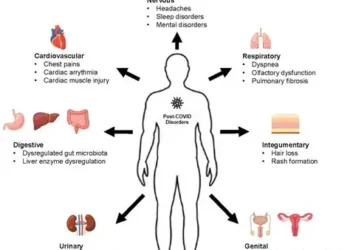 ‘Zoom Dysmorphia’ Explosion: BDD Patients Quadruple in Post-Pandemic UK
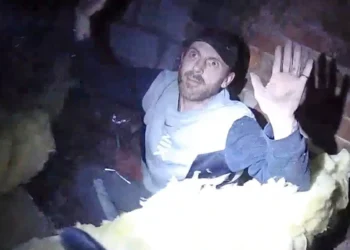 ‘The Insulation Trap’: Knifeman Discovered Hiding Under Loft Padding After Six-Hour Standoff
 ‘The Best Decision I Ever Made’: A Mother’s Viral Plea After a Near-Miss with Lung Disease
 Two Centuries of Steam: The Museum Train Embarking on a Bicentennial Journey
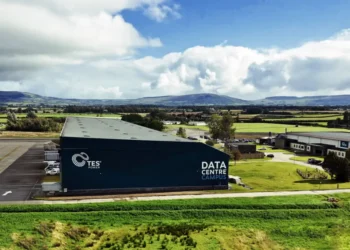 The Silicon Emerald: How Irish Engineers are Cashing In on the AI Boom
 The Friendship Friction: Would You Call Out Your Friend’s Toxic Behaviour?
 The Silent Lifeline: Why the 2026 Digital Switchover has Millions Saying, ‘I Didn’t Realise How Much I Needed My Landline’
 Southern Skies: High Turnout and Surprise Visitors in Birdwatch 2026
 Heavier SUVs Accelerate Britain’s Pothole Crisis
 GSK cancer drug shows early promise in trials
 Digital Shield: Met Police Trial AI to Fast-Track Child Abuse Investigations
 The Wheels of Hope: Charity Delivers ‘Seismic’ Joy Through Specialized Bikes for Children with Cancer
 Starmer would have blocked Mandelson role, says Lammy
 Iran Threats Target Journalists in UK
 ‘Maritime Drones and Steel’: £50m Defence Deals Set to Spark Job Boom in Plymouth and South Yorkshire
 Digital Trail Exposes Colombian Mercenaries in Sudan