Published: 23 April 2026. The English Chronicle Desk. The English Chronicle Online
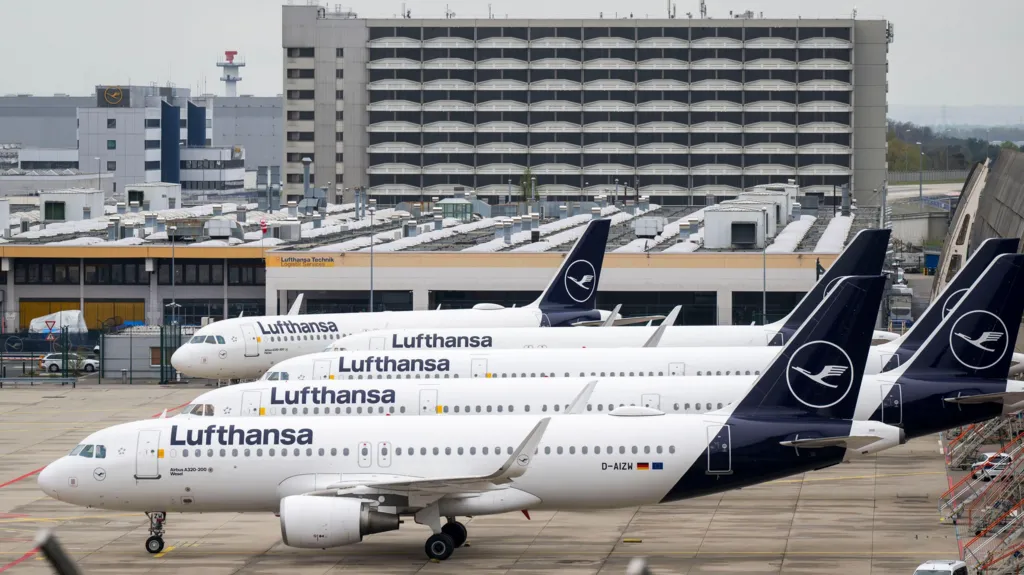
The global aviation sector’s recovery has hit a severe turbulence as Lufthansa, Europe’s largest airline group, announced it will cancel approximately 20,000 flights from its summer schedule. The drastic measure, affecting nearly 15% of its planned capacity between June and August, is a direct response to the “unprecedented” surge in jet fuel prices triggered by the ongoing conflict in the Middle East. For millions of holidaymakers planning European getaways, the move signals a summer of higher fares, crowded terminals, and significant travel disruption.

Lufthansa CEO Carsten Spohr described the decision as “painful but unavoidable.” Speaking at the group’s headquarters in Frankfurt, Spohr noted that the price of Brent crude oil—which briefly touched $115 a barrel this week—has rendered thousands of medium- and short-haul routes economically unviable. “We cannot fly empty or near-empty planes when the cost of fuel has nearly doubled in three months,” Spohr stated. The cancellations will primarily impact domestic German routes and short-haul European connections where rail or road alternatives are available, as the airline prioritizes its long-haul, high-margin trans-Atlantic and Asian services.
The fallout from Lufthansa’s retrenchment is expected to ripple across the entire travel industry. Analysts warn that with fewer seats available in the market, the remaining tickets will command a significant premium.
Fare Surges: Industry experts predict that ticket prices across the Lufthansa Group—which includes Austrian Airlines, Swiss, and Brussels Airlines—could rise by as much as 25% as the company introduces new “war surcharges” to cover fuel volatility.
Rebooking Chaos: An estimated 1.8 million passengers will be affected by the cancellations. While Lufthansa has promised to rebook travelers onto alternative flights or offer full refunds, the capacity crunch across European airspace means many may find themselves stranded or forced to travel on significantly different dates.
Operational Strain: The sudden reduction in flights is also an attempt to stabilize an operation plagued by labor shortages. By thinning out the schedule, Lufthansa hopes to avoid the “airport meltdowns” seen in previous years, ensuring that the remaining flights can operate with greater reliability.
The airline’s struggles are a microcosm of the broader economic damage caused by the U.S.-Israel-Iran conflict. Aviation fuel, which typically accounts for 20% to 30% of an airline’s operating costs, has seen its most volatile trading period since the 1970s. While Lufthansa had “hedged” (pre-purchased) a portion of its fuel requirements for 2026, the sheer duration and intensity of the regional war have outpaced its financial protections.

As Lufthansa scales back, competitors like Air France-KLM and IAG (the parent company of British Airways) are reportedly reviewing their own summer capacities. The prospect of a “summer of discontent” looms large over the European tourism industry, which had only just begun to find its footing after years of pandemic-related losses. For now, the message from the skies is clear: the high cost of war is being passed directly to the passenger, and the freedom of low-cost air travel is currently on an indefinite layover.
Related News:
 Cuban Cigar Festival Cancelled Amid US-Linked Energy Crisis
 Flights Cancelled and New Travel Warnings Issued After Iran Strikes
 Limited Flights Leave UAE But Disruption Continues Amid Iran Strikes
 Euston’s Easter Silence: Major Rail Shutdown Paralyzes West Coast Main Line
 The Outback Squeeze: ‘Out of Control’ Diesel Prices Threaten Australia’s Freight Arteries
 Modi’s London Visit Seals Historic UK-India Trade Pact Amid Global Tensions
 China’s crackdown on civil servant perks sparks economic concerns
 Shein UK Faces Allegations of Shifting Majority of Profits to Singapore to Reduce UK Tax
 British AI Startup Outshines Human Forecasters in Global Prediction Contest
 China warns UK over delayed London mega embassy decision
 Canada Passes Carney’s First Budget in Tight Parliamentary Vote
 India’s Labour Law Overhaul Sparks Fierce Debate
 UK New Car Discounts Near £6,000 as Prices Are Slashed
 Dual Nationals Face Scramble for UK Passports as New Rules Come Into Force
 The Chinese AI App Sending Hollywood Into a Panic
 Live Nation Sees Strong Ticket Sales as Monopoly Lawsuit Looms
 ‘We’re Still on Edge’: Toy Firms Look to US Supreme Court as Tariffs Hit Profits
 US Will Not Back Out of Tariff Deals with UK and Others, Says Trump Trade Representative
 Major 7.1 Earthquake Strikes Off Malaysian Tourist Coast
Storm Hernando: Edinburgh Airport Flights Cancelled in US Travel Chaos
Major 7.1 Earthquake Strikes Off Malaysian Tourist Coast
Storm Hernando: Edinburgh Airport Flights Cancelled in US Travel Chaos
 Luxury Airbnb Cabins With Hot Tubs Must Be Demolished After Planning Ruling
 Ukraine war briefing: Russia exporting more oil now than before war despite sanctions – report
 Bill Gates ‘Took Responsibility’ Over Epstein Ties in Staff Meeting, Foundation Says
 Qantas Revamps Loyalty Program Amid $1.46bn Profit Surge
 Why Asian Firms Are Not Cheering Trump Tariff Ruling
 Islanders Advised on Travel to Middle East Amid Escalation
 Australian GP Confident Amid Travel Disruption
 Bars Close and Hundreds Lose Jobs as US Firm Buys BrewDog in £33m Deal
 My One-Hour Flight Transfer Left Me Facing 10 Days Stuck in a City Under Attack
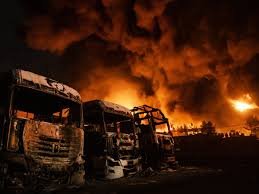 Oil Prices Surge Above $100 Amid Iran War
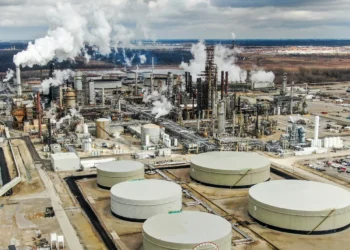 G7 Weighs Emergency Oil Reserves as Prices Surge
 Gulf Oil Shock Sends Global Economic Ripples
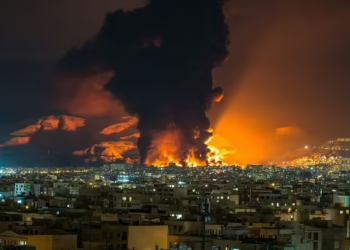 Iran Rejects Ceasefire, Warns Trump With Chilling Message
 US Says 16 Iranian Mine Ships Destroyed in Hormuz
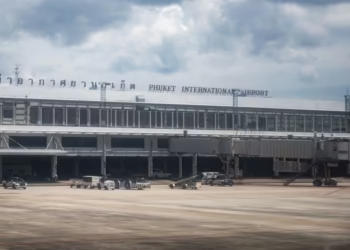 Air India Express Plane Damaged in Chaotic Landing at Phuket Airport
 Oil Price Jumps Despite Deal to Release Record Amount of Reserves
 Brazil Floods Warning as Scientists Urge Fossil Fuel Exit
 UniCredit’s Bold Move to Reshape European Banking
 UK Wage Growth Slows as Jobs Market Holds Firm
 Jim Ratcliffe’s £3.5bn Chemical Plant Delayed with Parts Stranded in the Gulf
 Michel Rolland: The ‘Spielberg of Wine’ Who Directed the Global Palate
 Trump Threatens Iran With Total Infrastructure Destruction
 ‘Better Off Not Planting’: UK Farmers Face 36% Fertiliser Spike as Gulf Crisis Bites
 Beyond ‘Halfway’: Netanyahu Signals Progress as Iranian Drone Strikes Tanker in Dubai
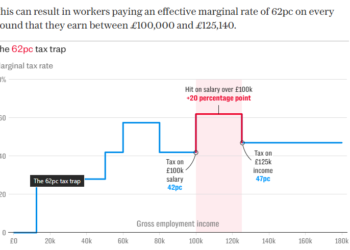 The ‘Career Ceiling’: One in Five High Earners Say £100k Tax Trap is ‘Ruining’ Their Ambition
 ‘Lego Drones’: Ukraine Hits Back at German Arms Giant Over ‘Housewife’ Slurs
 ‘The 42-Day Rally’: Asian Markets Surge as Trump Signals ‘Rapid’ Iran Exit
 ‘The Arch of Anxiety’: How the $116 Oil Price and the Iran War are Reshaping Life in Asia
 Russia: The Unforeseen Winner of the Iran Conflict
 The Bitter Aftertaste: Iran War Threatens to Spike Prices for Indian Beer and Bottled Water
 US Senators Slam Ticketmaster Over Sneaky New Fee Hikes
 Apple at 50: Three Products That Changed How We Live
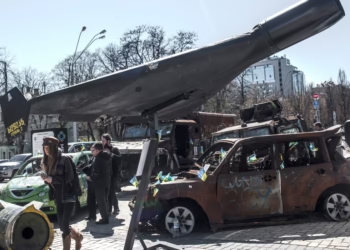 Oil and Diplomacy: Russian Refineries Burn as Zelenskyy Secures Middle East Shield
 Paradise Aground: Cruise Ship Evacuated After Striking Reef Near ‘Cast Away’ Island
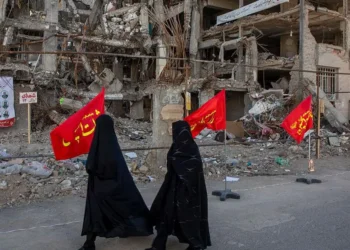 “A Perfect Storm”: UK Small Businesses Face Doubling Energy Bills as Iran War Rattles Markets
 Silver Linings: Why Global Tourism is Finding “Positives” Amidst Iran War Uncertainty
 Electric Shock: Australians Buy Record Number of New EVs as Fuel Crisis Bites
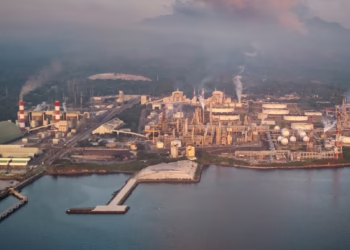 War, Windfalls, and the Carbon Trap: The Iran Conflict’s Brutal Energy Math
 The Great Saddle-Up: Sydney Commuters Ditch the ‘Crazy’ Bowsers for the Bike Lane
 Debt Relief or Drop in the Ocean? UK Caps Student Loan Interest at 6%
 The $100 Billion Peace: Trump’s ‘Grand Bargain’ Ends Iran Conflict at a Staggering Cost
 ‘No Gas, No Food’: LPG Shortage Triggers Reverse Migration in Indian Metros
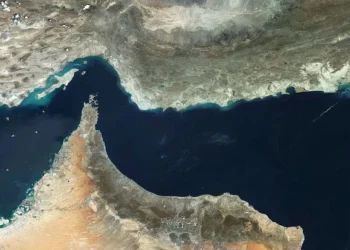 The Great Chokehold: Why the Strait of Hormuz is the Epicenter of the 2026 Crisis
 The Prediction Prohibition: White House Staff Barred from Betting on Political Markets
 California fireworks blast: murder charges filed in case
 Relief at the Pump: Irish PM Unveils €505m Package to Stem Fuel Crisis
 Diplomatic Deadlock: Lebanon Enters High-Stakes Border Talks with ‘No Cards to Play’
 IMF Warns Iran War Could Spark Deep Global Recession
 Blockbuster Resurrection: Avengers Reassemble and Top Gun Returns as Studios Tease 2026 Slate
 The ‘High-Liquidity’ Heist: Rising Pokémon Card Values Spark Global Crime Spree
 The Fog of War and the Ticker Tape: Suspicious Trades Rile Washington
 The ‘War Tax’: How the Iran Conflict is Siphoning Your Bank Account
 High-Seas Seizure: US Navy Intercepts Iranian Cargo Ship in Gulf of Oman
 ‘Table of Surrender’: Tehran Vows ‘New Cards’ as Islamabad Peace Talks Teeter on Brink
 Brinkmanship in Islamabad: Tehran Vows ‘New Battlefield Cards’ as Ceasefire Wanes
 ‘Unviable and Unfair’: Private Hire Drivers Warn New 2026 Rules Will Decimate Local Trade
 ‘The End of the Quiet Era’: Japan Relaxes Arms Export Rules in Historic Pivot From Pacifism
 ‘The £100,000 Hammer’: War in Iran Forces UK Businesses to Absorb Historic Fuel Hikes
 ‘A Fragile Calm’: Oil Prices Dip as Trump Extends Iran Ceasefire, But Blockade Holds Firm
 Resilience and Rupture: Why the Middle East Crisis is Succeeding Where Trade Wars Failed