Published: 24 April 2026. The English Chronicle Desk. The English Chronicle Online.
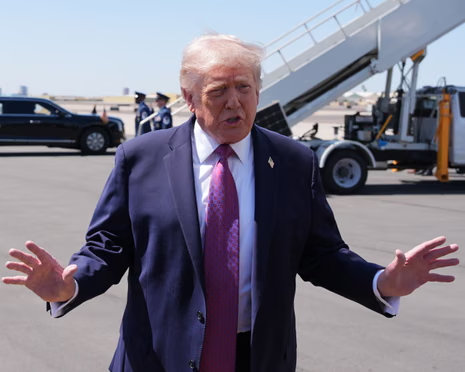
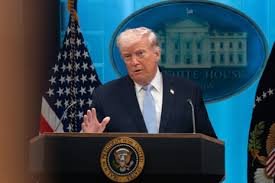
President Donald Trump has warned he could impose a massive new tariff on the United Kingdom. He claims the British government must act to drop its specific digital services tax. This tax currently targets the revenues of major American social media and tech firms. The president voiced his frustration during a recent interview from the Oval Office. He believes that these American tech giants are being unfairly targeted by international tax laws. Trump stated he is looking at the issue very closely and remains quite concerned. He warned that he could meet this tax challenge easily with a large tariff. The president explicitly told reporters that the United Kingdom should be very careful now. If London does not scrap this levy, Washington will likely impose a trade penalty.
This digital services tax has been a point of contention since its implementation. The British government introduced this specific tax measure back in early twenty twenty. It imposes a two percent levy on revenues generated by large global tech companies. This policy targets firms whose worldwide digital revenues exceed five hundred million British pounds. It specifically requires that at least twenty-five million pounds comes from active UK users. The tax applies to major platforms like social media sites and online marketplaces. Many major tech companies continue to pass these costs onto smaller third-party business users.

Recent data shows the tax generates significant income for the British government treasury department. Latest figures reveal the tax raised nearly one billion pounds in the last year. This represents a substantial increase compared to the previous annual collection of revenues. The government defends the measure as a way to ensure fair corporate contributions today. They maintain the tax ensures digital businesses pay their share for local economic activities. However, the United States remains strongly opposed to these unilateral tax measures globally. Washington has historically viewed these taxes as discriminatory against its successful tech industry.
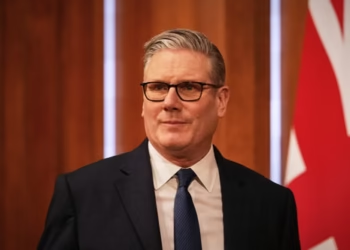
President Trump argues these rules target the very top companies in the world. He expressed his belief that other nations are taking advantage of the United States. He claimed that these countries think they are going to make an easy buck. The president clarified that any future tariff would be quite significant in scale. He suggested the response would be equal to or greater than the tax revenue. This dispute threatens to reopen transatlantic trade tensions at a very sensitive time. Prime Minister Keir Starmer faces pressure to navigate these complex economic diplomatic challenges.
The status of this tax remains complex within existing trade agreements and discussions. It was notably a point of debate during the recent trade negotiations last year. Despite these discussions, the digital services tax remains unchanged in the current deal. Some observers note that other countries have recently moved away from such digital taxes. The United States continues to push for a unified global system through international groups. Such a system would encourage multinational companies to pay taxes where they do business. Implementation of that wider global agreement has been beset with many frustrating delays.

This trade threat arrives as wider strains emerge in the US-UK political relationship. Relations have cooled recently after Prime Minister Starmer decided against involvement in the Iran war. President Trump previously suggested that terms of recent trade deals can always change. The latest remarks reflect a growing desire in Washington to challenge foreign economic regulations. This policy approach includes potential new tariffs on other nations with similar digital taxes. European countries like France, Italy, and Spain also maintain digital services tax policies currently.
The broader geopolitical environment is also creating friction between the United States and allies. Pentagon officials are currently exploring options for punishing NATO members over war support issues. One leaked internal email even discussed the possibility of reviewing positions on the Falkland Islands. Another mentioned the idea of suspending Spain from important and prestigious NATO leadership posts. Such options were discussed to express frustration over access and basing rights for operations. These reports have caused significant concern among European leaders regarding the future of the alliance. The Pentagon emphasized that it must ensure the president has many credible security options. Allies are now scrambling to respond to these intense pressures from the American administration. The diplomatic landscape remains unpredictable as these various economic and military disputes continue unfolding.
Related News:
 Capitol Attack Anniversary Sparks Deep Political Divide
 Saudi Officials Report Zubaidi Flee Before Yemen Peace Talks
 UK Targets in New York Bomb Threat Hoax: Man Jailed
 Gambia Supreme Court Hears Case to Overturn FGM Ban
 Trump targets Iran trade with 25% tariff warning
 Rudd successor: Defence chief and former ministers considered
 US Senate rejects resolution limiting Trump military powers
 Venezuela regime claims release of political prisoners signals new era
 Gulf states warn Trump Iran strikes risk wider Middle East war
 Machado Trump medal gesture reshapes Venezuela power struggle
 Greenland defence seen as shared Nato duty amid troop arrivals
 Geopolitical football: Iran, Trump and the World Cup clash
 Canada-China trade gains momentum in new strategic partnership
 Trump Receives Machado’s Nobel Medal in White House Meeting
 Syria President Declares Victory as Ceasefire Reached with SDF
 US Considers Asylum for British Jews Amid Rising Antisemitism
 Trump slams UK ‘stupidity’ over Chagos Islands, eyes Greenland takeover
 Trump Tightens Grip on EU and UK Energy Supply
 Shinzo Abe’s killer receives life sentence in Japan
 China General Under Investigation Amid Leadership Purge
 Philippines ferry disaster leaves 15 dead, dozens missing
 Cambridge Faces Scrutiny Over Arms Investment Transparency
 Epstein UAE Emails Shake British Royal Andrew’s Legacy
 Christchurch gunman seeks to vacate guilty plea
 Liberal Fallout: Taylor Challenge Casts Shadow Over Sussan Ley’s Leadership
 Infantino Faces Russia Threat and Trump Concerns at Uefa Congress
 Concerns rise for Canberra boy amid Iran detention fears
 Caribbean Leaders Urge Dialogue Amid US Oil Embargo on Cuba
 Anthony Albanese Must Uphold Rights for All Australians
 Ukraine Sends Drone Experts to Defend US Bases in Jordan
 New Zealand Covid Response Praised Despite Lingering Scars
 Abramovich Chelsea Sale Cash Faces Jersey Probe
 Yvette Cooper: UK Must Follow Principles, Not US Pressure
 Slovenia Election: A Nation at a Crossroads
 Jury Rules Meta and YouTube Liable for Addictive Design
 Saudi Arabia Urging US to Keep Up Iran Attacks
 Trump Softens Cuba Oil Stance as Russian Tanker Nears
 The Woman Guarding Earth From the Threat of Asteroids
 IMF Predicts Global Economic Crisis Due to Gulf Unrest
 California Defies Trump With Strict New AI Standards
 Germany Grapples With AI Abuse Following TV Star Scandal
 Exiled Tycoon Warns of New Russian Attacks on UK Soil
 Labor Under Fire Over Stalled University Fee Reform
 LA 2028: Millions of Affordable Olympic Tickets Announced
 Trump Slams Europe as Transatlantic Tensions Boil Over
 Inside the Deceptive Machine: A Former Producer Speaks Out
 Italy Faces Third Successive World Cup Absence After Loss
 Starmer Urges Ambitious EU Ties Amid Middle East Conflict
 Spain Faces Backlash Over Xenophobic Chants in Egypt Draw
 A Global Voice For Justice: Stephen Lewis Dies At Age 88
 Trump Issues Stark Warning After Strike On Iran’s Largest Bridge
 Hope and Fear as Iranians Flee Across the Turkish Border
 Tragic End to Outback Search as Floods Claim a Life
 Ben Roberts-Smith Arrested Over Alleged War Crimes
 Reform UK Pledges To Halt Visas Over Reparations Demands
 US and Iran Agree to Two-Week Provisional Ceasefire
 Starmer visits Gulf as US and Iran agree ceasefire
 Gaza Child Arrives in UK for Life-Changing Care
 Israel Defies Ceasefire as Lebanon Operations Persist
 Pakistan Brokers Historic Peace Deal Amid Rising Tensions
 Netanyahu Vows Continued Lebanon Strikes Amid Peace Talks
 UK Holds Firm on Strait of Hormuz Amid Trump Pressure
 Rory McIlroy Eyes New Horizons After Masters Defence
 Trump Signals Hope for New Iran Talks as Ceasefire Fades
 Reeves Slams Trump Over Iran War Lack Of Exit Plan
 US and Iran Pursue Extension of Ceasefire via Pakistan
 Trump’s Islamabad Gamble: The High Stakes of a New Iran Deal
 Wall Street Hits Historic High Amid Hopes for Iranian Peace
 Ian Katz to Step Down as Channel 4 Content Chief
 Middle East Conflict Risks UK Food Supply Chains This Summer
 The General’s Gambit: Pakistan’s New Role in Global Peace
 England Eye Landmark 500th Game Glory in Iceland
 Mexico, Spain and Brazil call for Cuba dialogue amid crisis
 US Forces Seize Iranian Ship Near Hormuz Blockade
 Pakistan’s Ambitious Bid for Middle East Peace
 Trump Starts $166bn Tariff Refund Process
 Israeli Soldiers Jailed Over Vandalism of Lebanese Statue
 Trump Weighs Sending Afghan Allies to the Congo
 Timor-Leste Faces Tough Questions Over Resort Proposal
 Pentagon Shakes Up Navy Leadership Amid Hormuz Blockade