Published: 25 April 2026. The English Chronicle Desk. The English Chronicle Online
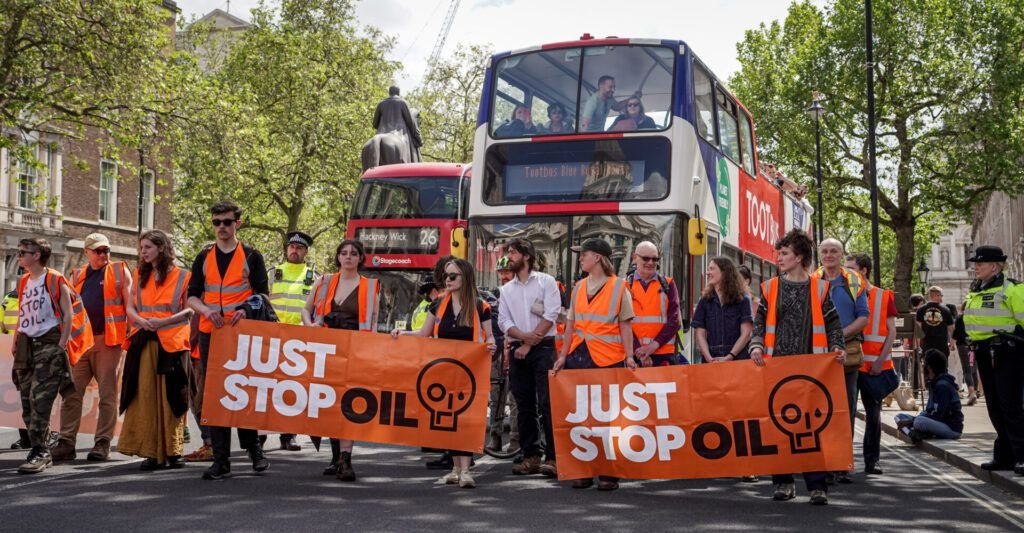
The intensifying criminalisation of climate activism in the United Kingdom may be producing the opposite of its intended effect, according to new academic research that suggests punitive measures are hardening, rather than deterring, protest movements. Drawing on responses from more than 1,300 campaigners, the study presents a detailed portrait of how arrests, fines and prison sentences are reshaping the psychology and future actions of those involved in environmental activism.
Conducted by researchers at the University of St Andrews, the study found that individuals who had already experienced state repression—through arrest, surveillance or imprisonment—reported feeling less fearful about engaging in future acts of civil disobedience. Instead of discouraging participation, such experiences often appeared to strengthen resolve, deepen commitment and reinforce a sense of collective identity among activists.

The findings arrive at a time when the UK government has significantly tightened its response to disruptive protest tactics, particularly those associated with climate movements. Campaigners affiliated with groups such as Extinction Rebellion and Just Stop Oil have faced increasingly severe legal consequences, including lengthy prison terms for actions such as blocking motorways or targeting infrastructure.
Researchers argue that this escalation in enforcement may be inadvertently fuelling a cycle of resistance. Rather than acting as a deterrent, punitive measures appear to generate powerful emotional responses—particularly anger and contempt—that motivate further activism. These emotions, the study suggests, can erode trust in institutions and diminish the perceived legitimacy of legal constraints, leading some individuals to feel justified in defying established norms.
The research also highlights a divide among those who have not yet experienced repression. While some potential activists reported heightened fear that reduced their willingness to participate, others described feeling galvanised by the prospect of state action. For this latter group, the anticipation of repression served as a catalyst, strengthening their intention to engage in disruptive protest.
Perhaps most concerning for policymakers is the suggestion that harsh crackdowns may contribute to a shift in tactics. The study points to emerging evidence that some activists are turning towards more covert forms of action, including acts of sabotage. While such activities remain relatively rare, the research indicates that limiting avenues for lawful protest may push a minority of campaigners towards less visible—and potentially more extreme—methods.
Dr Nicole Tausch, one of the study’s authors, emphasised that repression can fundamentally alter how individuals relate to authority. When activists begin to feel contempt for the state, she noted, they may no longer feel bound by its rules. This dynamic, she argued, risks deepening polarisation and entrenching conflict rather than resolving it.
The findings echo concerns raised by United Nations human rights officials, including special rapporteur Mary Lawlor, who has criticised governments in the UK and elsewhere for simultaneously professing commitment to climate goals while restricting the rights of those advocating for them. Such criticism underscores a broader tension between maintaining public order and upholding democratic freedoms.
Official data cited in the research reveals that approximately 17% of climate protests in the UK between 2019 and 2024 resulted in arrests—significantly higher than the global average. This disparity has intensified debate over whether the country’s approach strikes an appropriate balance between enforcement and civil liberties.
A spokesperson for the Home Office defended the s stance, insisting that while the right to protest is fundamental, it must not extend to actions that cause serious disruption or threaten public safety. Existing laws, they argued, provide police with necessary powers to manage protests while preserving lawful expression.
Public opinion appears similarly divided. Surveys suggest widespread disapproval of disruptive tactics employed by some climate groups, particularly those that interfere with daily life or major events. Yet there is less consensus on how such actions should be punished. While fines are often seen as appropriate, a smaller proportion of the public supports imprisonment for non-violent protest.

The broader context is one of escalating urgency around the climate crisis itself. As environmental concerns intensify, so too does the activism seeking to address them. Researchers warn that failing to engage constructively with activists’ may exacerbate tensions and reduce opportunities for dialogue.
An independent government review into public order and hate crime legislation is currently underway, examining whether existing laws strike a fair balance between freedom of expression and the need to prevent disorder. Its conclusions are expected to play a role in shaping future policy.
What emerges from the study is a complex and evolving picture. Efforts to suppress disruptive protest may achieve short-term reductions in visible action, but they risk cultivating deeper resentment and long-term mobilisation. For policymakers, the challenge lies in navigating this delicate terrain—ensuring public safety without undermining the democratic principles that allow dissent to be heard.
Related News:
 Tories Push to Dilute Labour’s Workers’ Rights Bill
 It’s time to come clean on the China spy case
 Rachel Reeves Admits Renting Home Without Required Licence
 Experts Question HMRC Over Possible Child Benefit Privacy Breach
 Phillipson urges careful review of gender recognition guidance
 French Taxi Driver Cleared in David Lammy Theft Case After Fare Dispute
 Met Police Culture Makes Racial Harm ‘Inevitable’
 Remaining rebel Labour MPs have whip restored
 Tim Davie resigns as BBC director general amid bias claims
 Palace to reinstate hyphen in Andrew’s surname
 BBC Apologises to Trump but Rejects $1bn Compensation Claim
 Major Rent Reform Ends No-Fault Evictions in England
 Peers Flood Assisted Dying Bill with 942 Amendments
 Your Party Turmoil Deepens Over Withheld Donations
 UK Unveils Fast-Track Deportation and Asylum Overhaul
 UK Asylum Overhaul Sparks Debate Over Human Rights and Deportations
 UK Asylum Reforms: Temporary Refugee Status and Faster Deportations
 Mahmood Defends Tough Overhaul of UK Asylum System
 Scottish Ministers Express Alarm Over UK Asylum Reforms
 Westminster Advances Legacy Bill Amid Criticism
 Minister Defends Tough New Asylum Reform Plan
 UK Net Migration Falls Sharply After ONS Revisions
 Peers Get Extra Time to Debate Assisted Dying Bill
 Plans to Limit Jury Trials Face Retreat After Mounting Opposition
 Tim Walz urges Trump to withdraw federal agents immediately
 UK and EU Signal Fresh Push for Defence Cooperation Talks
 Labour Attacks Reform Candidate Over Tommy Robinson Backing
 Civil Service Pay: Union Urges Ministers to End ‘Barking Mad’ Limits
 Scotland’s Climate Plans Face Scrutiny Over ‘Science Fiction’ Targets
 Proposed Law Leaves Gap for Children of Convicted Paedophiles
 Labour Lawyers Blocked From Briefing MPs on Jury Trials
 Starmer Defends Workers’ Rights Amid Rising Green Threat
 Mass Arrests at London Palestine Protest Spark Debate
 Starmer Faces Pressure Over Mandelson Vetting Scandal
 Asylum deal sparks fears over Syria deportations
 UK may ban protests amid rising antisemitism fears
 Murder Probe Continues After Arrest Release
 Three-Quarters of England’s Riverbanks Still Off Limits
 Burnham unveils £65m drought aid for farmers
 Tanni Grey-Thompson Faces Abuse Over Opposition to Assisted Dying Bill
 Trump’s UK Ambassador Urges North Sea Drilling to Strengthen US Ties
 Millionaires group urge Reeves to introduce wealth tax to ‘lift kids out of poverty’
 Reeves rejects £1bn plea for NHS redundancy payouts
 PM Condemns Leaks, Vows Loyalty to Ministers and Stability
 ICC to Rule on Duterte’s Provisional Release
 Starmer Says Labour’s Economic Plan Needs Years to Deliver
 Google Employee Claims Redundancy After Harassment Report
 Australia grants Asio powers to designate hate groups under new laws
 Artificial intelligence will cost jobs, admits Liz Kendall
 Partial US Government Shutdown Hits Homeland Security Funding
 Mandelson Faces Police Inquiry Over Epstein Leak
 Morgan McSweeney downfall shocks Labour leadership
 Farage Unveils Reform UK Frontbench Team
 Wales Approves Assisted Dying Bill Consent
 Corbyn Leads Your Party in Coordinated Left-Flank Strategy
 Asylum Seekers to Work After Year-Long Wait
 Starmer Row as Greens Demand Apology
 Gordon Brown urges court for crimes against children
 Inquiry into HMRC child benefit errors launched by NAO
 Farage Faces Backlash Over Crypto Cameo Endorsements
 Police Chiefs Under Fire for Failing to Address Racism
 Relationship with Trump may be beyond repair, Starmer warned
 Unions Raise Concerns Over Doctors’ Pay Dispute
 UK Government Poised to Revive Stalled Hillsborough Law
 Starmer Survives Mandelson Rebellion
 Greens Face Internal Row Over Antisemitism Claims
 Met Officers Probed Over Al Fayed Abuse Allegations
 Labour Members Doubt Starmer Future as Burnham Leads Poll
 Reform UK Faces Crisis as Newly Elected Councillors Resign
 Secret Role of UK Security Services in Troubles Amnesty Law
 Starmer Leadership Under Pressure After Setbacks
 The Hidden Crisis Eroding Trust in British Communities
 Deepfake Abuse on X Sparks Safety Concerns for Dissidents
 UK Ministers Lobby Trump Over Under-16s Social Media Ban
 Starmer Resolves to Fight Burnham in Leadership Battle
 Hollie Ridley to Step Down as Labour General Secretary
 Farage Warns Sky News Following Financial Inquiry
 Ann Widdecombe, Formidable Political Figure, Dies at 78
 UK Schools Struggle as Classrooms Top 40C
 Westminster Council Threatens Charing Cross Soup Kitchen