
Published: 30 April 2026. The English Chronicle Desk. The English Chronicle Online.
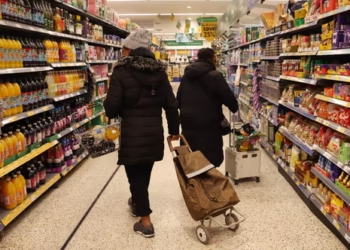
The British landscape is currently facing a silent and deeply moving domestic crisis today. Millions of citizens are now making impossible choices between heating homes and eating daily meals. Recent findings from the consumer group Which? reveal a staggering depth of financial human suffering. Their latest report indicates that three million households now regularly skip their essential daily nourishment. This heartbreaking statistic highlights a sharp decline in the standard of living for many families. Global tensions in the Middle East have directly triggered a significant surge in vital energy. Raw material prices continue to climb as businesses prepare for further inevitable price hikes soon. These economic tremors are hitting consumer confidence harder than we have seen in recent years. The consumer insight tracker recently recorded a worrying dip to a record low of minus sixty-two. This figure represents the lowest level of public optimism since the peak crisis of twenty-two. Only a tiny fraction of adults believe the national economy will improve this coming year. Most people remain convinced that the financial situation will deteriorate over the next twelve months. Fear regarding the rising cost of food has reached a new and alarming historic peak. Families are now desperately compromising on their shopping habits just to keep their heads above water. Nearly half of the population is actively seeking out the cheapest possible products on shelves. Many shoppers have switched entirely to supermarket budget brands to save every single available penny. Others are waiting for specific sales to stock up on basic items for their cupboards. One in ten households is now forced to miss meals entirely to survive the week. Even more people are going without specific types of food they once enjoyed quite regularly.

Beyond the kitchen table, the crisis is affecting how people move across the country daily. Eight in ten people expressed deep worry about the rising price of fuel this month. This anxiety has grown significantly since the beginning of the year for many regular UK drivers. More than two-thirds of adults are now consciously adjusting their daily driving habits for savings. People are taking fewer leisure trips to see their loved ones during their free time. This reduction in travel is having a secondary impact on the social wellbeing of many. Isolation is becoming a secondary symptom of this pervasive and aggressive economic squeeze on the public. People feel trapped within their homes because the cost of travel is simply too high. Visiting friends and family has become a luxury that many can no longer afford easily. The survey also highlighted a very troubling rise in the number of missed monthly payments. The rate of missed bills has increased significantly since the end of the previous calendar year. This trend suggests that household buffers have been completely exhausted by the ongoing financial strain. Rocio Concha serves as the director of policy and advocacy for the Which? consumer group. She stated that the research highlights a deepening strain on physical and social wellbeing today. Without meaningful interventions, more people will likely resort to these drastic survival measures very soon. The organization is now calling for urgent policy changes to protect the most vulnerable citizens. They launched a detailed manifesto in parliament this week to address these escalating essential costs. This plan aims to widen access to essential items for those struggling the most now. Action is needed to restore confidence before more households fall into serious financial difficulty.

The human stories behind these statistics are often overlooked in the daily rush of news. Parents are frequently sacrificing their own nutrition so their children can have a full plate. This selfless act is becoming a common reality in homes from London to the north. Community food banks are reporting record levels of demand as the cost of living bites. Local volunteers are working tirelessly to meet the growing needs of their struggling local neighbors. Many people who never expected to need help are now seeking assistance for the first. There is a sense of collective anxiety that permeates the grocery aisles and petrol stations. Every price tag is scrutinized with a level of intensity not seen in a generation. The psychological weight of this constant financial monitoring is taking a heavy toll on many. Mental health services are seeing more cases related to debt and general economic instability lately. Public discourse is increasingly focused on when this period of extreme hardship might finally end. Experts suggest that the road to recovery will be long and require sustained government support. The interconnected nature of global events and local prices remains a primary concern for all. For now, the focus remains on getting through each day with limited available financial resources. The resilience of the British public is being tested in ways that feel uniquely modern. While the data is bleak, the call for systemic change is growing louder each day. Advocacy groups are working to ensure that the voices of the hungry are heard clearly. They believe that a fair society should not leave millions wondering where dinner will come. Addressing the root causes of these price spikes is essential for long-term national stability. In the meantime, communities are pulling together to support one another through this difficult time. Small acts of kindness and local charity are providing a vital lifeline for many families. The hope is that the upcoming policy discussions will lead to some genuine practical relief. Until then, the quiet struggle of three million households continues behind closed doors every night. This report serves as a stark reminder of the work that still remains ahead. Protecting the standard of living for every citizen must remain a top national priority today. The eyes of the nation are now on parliament to see how leaders respond. Many are waiting for a sign that their daily hardships are being taken seriously. The English Chronicle will continue to monitor this developing story as more data emerges. We remain committed to reporting on the issues that matter most to our dedicated readers. Personal stories of resilience and struggle help to humanize these large and complex economic figures. As we move into the summer, the impact of these costs will be watched. It is a defining moment for the social fabric of the United Kingdom right now. Everyone deserves to live without the fear of going hungry in a modern society. The coming months will be a crucial test for our economy and our compassion. We must look out for our neighbors as we navigate these challenging financial waters together. Understanding the scale of the problem is the first step toward finding a solution. This report from Which? provides the clarity needed to spark a very serious national conversation. Let us hope that this conversation leads to the meaningful change so many need. The strength of our country lies in how we protect those who are struggling. Every skipped meal is a call to action for those in positions of power. Our collective future depends on how we address the hunger in our own backyard today.
Related News:
 Reeves Faces Setback as Labour May Miss Homes Target
 Virgin Trains Moves Closer to Challenging Eurostar Monopoly
 Trump’s UK Ambassador Urges North Sea Drilling to Strengthen US Ties
 Ryanair Chief UK Economy ‘Doomed’ Under Labour
 M&S Profits More Than Halve After Cyber-Attack
 Earl of Yarmouth Faces £1.3m Legal Bill Over Family Estate
 Millionaires group urge Reeves to introduce wealth tax to ‘lift kids out of poverty’
 From Lego to Pokémon: How Adults Are Driving UK Toy Market Growth
 New laws to bolster UK’s defences against cyber attacks on NHS, transport and energy
 Canada Passes Carney’s First Budget in Tight Parliamentary Vote
 Starmer Says Labour’s Economic Plan Needs Years to Deliver
 Virgin Media Fined £23.8m Over Telecare Safety Failures
 Starmer Faces Parliamentary Battles Over UK-EU ‘Reset’ Plan
 Reeves Pub Business Rates U-Turn Calms Labour Revolt
 ScottishPower Tops List of Worst UK Energy Suppliers
 Markets Slide As Gold Rally Signals Risk From Trump Greenland Tariff Plan
 UK Eyes Global Investment with Visa Fee Refunds
 City & Guilds pay surge sparks backlash amid £22m cuts
 UK Inflation Hits 3.4% in December, Ending Five-Month Decline
 Trump Fed bid heads to Supreme Court
 ‘Black Tax’: Burden, Pride and Survival for African Workers
 AI job losses UK: Britain faces sharper employment shock
 India-EU Free Trade Deal Marks Historic Economic Shift
 EU Signals Open Mind on UK Customs Union Talks
 Telstra AI jobs cuts as automation drive expands
 BT Names New Openreach Chief Amid Major Fibre Expansion
 UK Banks Plot Payment Backup Amid Trump Fears
 UK Unemployment Rate Climbs to 5.2% Peak
 UK shelves £110m border project amid trade strain
 Aston Martin Cuts 20% Jobs Amid £363m Loss
 Switching Energy Deal Can Save £200 as Price Cap Falls
 Rachel Reeves Faces Middle East Conflict Test
 Grocery Inflation Rises Amid War Fears
 BrewDog sold Highland estate for knockdown price after abandoning reforestation plans
 UK Energy Reform Could Cut Bills by £200
 Rising Costs Force Families to Rethink Days Out
 Oil Slides, Stocks Jump on Trump Peace Signals
 UK inflation held at 3% before global energy price hit
 Ticketmaster Fees Rise Despite Recent US Junk Fee Crackdown
 M&S Demands Urgent Action on Rising Violent Retail Crime
 New Era for Sick Pay as Millions Gain Critical Rights
 Oil Prices Surge as Trump Issues New Deadline to Iran
 US and Iran Agree to Two-Week Provisional Ceasefire
 Stefano Gabbana Resigns as Chair of Italian Luxury Giant
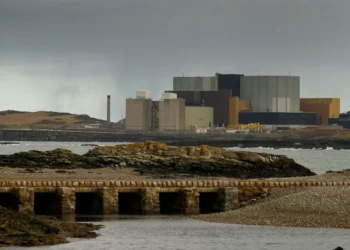 Rolls-Royce SMR Secures £600m Boost for Nuclear Future
 Aegon Sells Historic UK Arm to Standard Life for £2bn
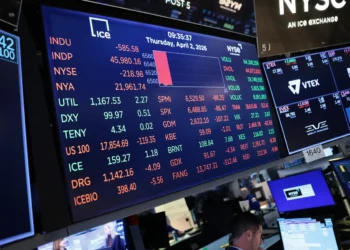 Central Bank Chiefs Hold Crisis Simulation in Washington
 UK Staycations Rise as Travel Fears Grow
 Former Brexit Chief Calls for Rejoining the EU
 Albanese Rejects Gas Export Tax Push
 $13bn World Cup Set to Break All Revenue Records
 Trump approval plunges amid Iran war fears
 Heathrow Chair Seeks Peace to Save Third Runway
 Tough Fiscal Realities Await Next Scottish Government
 US Awaits Iran Reply on New Ceasefire Proposal
 Aramco Surges as East-West Pipeline Counters Gulf Tensions
 Big Tobacco Under Fire Over Controversial New Ad Campaign
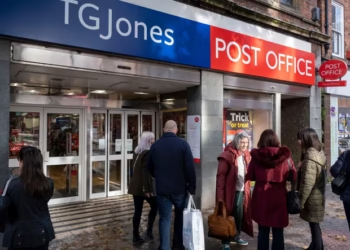 High Street Crisis: Fears Grow Over Post Office Closures
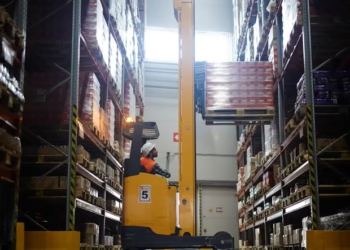 UK Firms Freeze Spending as Iran Conflict Bites
 Summer Shock: British Energy Bills Set for Grim July Hike
 Reeves to Fast-Track Clean Energy Amid Iran Crisis
 Oil Markets Face ‘Red Zone’ Threat Amid Iran Crisis
 Belfast Approves Pilot Extension of Sunday Trading Hours
 Albanese Defends Tax Reforms Amid Emotional Speech
 Tube Strike Brings Capital to a Standstill Over Shift Disputes
 BP Stands Firm on Amanda Blanc Amid Boardroom Storm
 UK House Prices Drop For Third Month Due To War Fears
 Top Chefs Back Andy Burnham to Save UK Hospitality Sector
 GSK Secures Landmark $10.6bn Deal for Nuvalent
 UK Economy Suffers a Sharp Downturn as Iran Conflict Bites
 AI Scams Push UK Investment Fraud Past £220m
 Rethinking the Blueprint for Youth Employment in Britain
 Sainsbury’s Boss Optimistic As Grocery Inflation Eases
 UK Households Suffer Squeeze As Disposable Incomes Drop
 Creditors Eye Thames Water Even Under Nationalisation
 Record £28m Fine for Virgin Media Over Cancellation Woes
 Jet2 Sees Summer Surge Despite Global Tensions
 Ukraine Creates Long-Range Strike Command
 BBC Faces Real Jeopardy as Licence Fee Income Declines
 Thames Water Future Remains Uncertain Amid Funding Crunch