Published: 04 May 2026. The English Chronicle Desk. The English Chronicle Online.
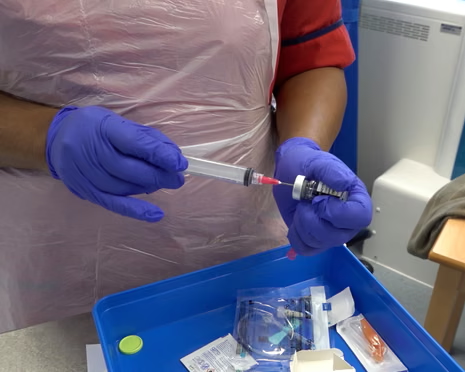
The landscape of oncology in England is witnessing a truly remarkable and historic transformation today. Thousands of patients across the nation will soon benefit from a pioneering new immunotherapy treatment. This medical breakthrough focuses on an injectable form of the well-known cancer drug called pembrolizumab. Health officials have confirmed that this jab will target several different types of aggressive cancers. The innovative treatment works by effectively blocking a specific protein known as the PD-1 molecule. This protein usually acts as a biological brake that prevents the body from attacking harmful cells. By removing this barrier, the immune system can finally recognise and destroy dangerous cancer cells. This shift represents a massive leap forward for the National Health Service and its patients.
For many years, patients received this specific medication through a slow and steady intravenous drip. This traditional method required individuals to sit in hospital chairs for many hours each session. Specialist clean rooms were always necessary to prepare these complex infusions for the oncology wards. Maintaining these sterile environments proved to be both incredibly expensive and very time-consuming for staff. Clinical teams often spent several hours preparing the equipment and monitoring the entire infusion process. Now, this new injectable version will replace the old system for the vast majority of cases. Most of the 14,000 people currently using the drug will likely switch to this jab. The transition promises to make the entire hospital experience much less daunting for every patient.

The time savings associated with this medical update are nothing short of absolutely staggering and vital. Patients can now receive their life-saving treatment in as little as sixty or ninety seconds. Those on a three-week schedule will receive a quick one-minute injection during their regular visit. Individuals on a six-week cycle will only require a two-minute jab to maintain their health. Experts estimate this change will save the NHS more than 100,000 hours of work annually. This reclaimed time will allow nurses and doctors to focus on more complex clinical needs. Staff can spend more time with patients who require intensive support during their recovery journey. It also reduces the immense logistical burden currently placed on busy hospital pharmacies and labs.
The NHS has already seen success with other rapid immunotherapy injections over the last few years. Approximately 15,000 cancer patients became eligible for a similar nivolumab injection during the previous year. That particular treatment usually takes between three and five minutes for a trained professional to administer. With both drugs available, the NHS now offers fast immunotherapy for almost thirty cancer types. This expanded portfolio of treatments demonstrates a clear commitment to modernising and improving British healthcare. Professor Peter Johnson serves as the national clinical director for cancer within the health service. He describes this new immunotherapy as a vital lifeline for thousands of people in England. He believes that rapid jabs will allow patients to get back to their normal lives.
Spending hours in a hospital chair can be physically and emotionally exhausting for most people. Innovation should focus on making therapy much quicker and more convenient for every single patient. Freeing up appointments will help the NHS continue to bring down long waiting times effectively. Every minute saved in the clinic translates into more capacity for the entire healthcare system. Shirley Xerxes is an 89-year-old from St Albans who has experienced the new treatment firsthand. She expressed total disbelief at how little time her latest hospital appointment actually took her. Shirley previously spent an hour or more waiting for her infusions to finish each month. Now, she only sits in the treatment chair for a matter of a few minutes. This extra time allows her to enjoy hobbies like gardening and visiting her local friends.
The University Hospitals Bristol and Weston NHS Foundation Trust will lead the way with this rollout. They are joined by the East and North Hertfordshire Teaching NHS Trust in this initial phase. These institutions will serve as blueprints for other hospitals to follow across the entire country. James Richardson acts as the national specialty adviser for cancer drugs at NHS England today. He views this specific development as a genuine win-win innovation for patients and staff alike. Clinical teams will have much more capacity to care for those with the greatest needs. This change proves that the NHS is continuing to modernise its approach to cancer care. The focus remains on improving the quality of life while maintaining the highest medical standards.
The financial implications of this move are also quite significant for the national healthcare budget. Reducing the need for specialist clean rooms saves millions of pounds in infrastructure and maintenance. These funds can now be redirected toward purchasing other cutting-edge medications and advanced diagnostic tools. The efficiency of the injection model also reduces the waste of expensive liquid cancer medicines. Often, traditional bags of infusion fluid must be discarded if a patient misses their appointment. The new pre-measured jabs offer much more flexibility for both the clinic and the patient. This adaptability is crucial for a health service that is facing increasing demands every year. It shows that smart technology can solve some of the most difficult logistical healthcare problems.
Public reaction to this news has been overwhelmingly positive across various social media platforms today. Many families have shared stories of the heavy burden that long hospital days usually create. They welcome any change that allows their loved ones to spend more time at home. Patient advocacy groups have also praised the NHS for adopting these fast-acting subcutaneous injection methods. These groups believe that patient comfort should always be a top priority in modern medicine. This new jab is not just about speed but also about dignity and personal freedom. It empowers patients to take control of their schedules while fighting a very difficult disease. The sense of normalcy that this provides is an intangible but deeply valuable medical benefit.

Looking forward, the success of this programme may lead to even more injectable cancer treatments. Researchers are currently studying other medications to see if they can be converted into jabs. The goal is to make as many treatments as possible accessible outside of traditional settings. There is even a possibility that some injections could eventually be administered in local clinics. This would further reduce the need for patients to travel to large and busy hospitals. The NHS is clearly entering a new era of personalised and highly efficient cancer therapy. Each small step in speed represents a giant leap in the patient’s daily life experience. The future of oncology looks much brighter and significantly more human-centric than ever before.
Medical professionals are now being trained on the specific techniques required for these new injections. The transition is expected to be smooth because the drug itself is already well-known to staff. Safety remains the paramount concern during this national rollout of the new injection format. All patients will still be monitored closely to ensure they respond well to the medication. The clinical results for the injectable version are identical to the traditional intravenous drip method. This ensures that no compromise is made regarding the effectiveness of the life-saving cancer treatment. Patients can feel confident that they are receiving world-class care in a much faster way. This balance of speed and safety is the hallmark of modern British medical excellence.
As we move through 2026, the benefits of this decision will become increasingly clear to all. Thousands of hours will be returned to the lives of people who deserve them most. The NHS continues to demonstrate why it is a global leader in innovative cancer treatment. By embracing these rapid jabs, the service is preparing for the challenges of the future. It is a testament to the hard work of scientists, clinicians, and health administrators alike. We can all look forward to a time when cancer treatment is just another appointment. For people like Shirley, that future has already arrived and is blooming in her garden. The English Chronicle will continue to monitor and report on these vital healthcare advancements.
Related News:
 Hospice Cuts Raise Alarm Across England Amid Funding Crisis
 Celebrities and Charities Demand UK Government Act on Child Poverty
 Patients to Test Health at Home to Ease NHS Winter Pressure
 London’s Childlessness Crisis: Schools Closing as Families Shrink
 Shouting Works Best to Deter Gulls, UK Study Finds
 Reeves rejects £1bn plea for NHS redundancy payouts
 Working-Class Men with Prostate Cancer Left Behind by NHS
 Senator John Fetterman Hospitalized After Fall from Heart Flare-Up, Keeps Sense of Humor
 New AI tool could cut wasted efforts in organ transplants
 Stroke Patient Mistaken for Drunk, Care Delayed
 ‘Traumatic Wait’: Northern Ireland Women Face Breast Cancer Delays
 Healthy Habits in Your 30s That Boost Life in Your 70s
 Scottish Families Take Legal Action Over School CO Leak
 Coffins Now Too Large to Cremate Amid Rising Obesity Crisis
 Vicki Fears Losing Motability Car
 Delhi’s Toxic Air Crisis Leaves Children Sick and Vulnerable
 Five-Year-Old Dies After Rare Tonsil Surgery Complication
 Fibromyalgia Patients Struggle as NHS Fails to Provide Care
 More Patients Now Contacting GPs Online, Data Shows
 Kenya Signs $2.5bn Health Deal with US Amid Data Concerns
 Children to Receive Home Vaccines as England Acts
 Childhood Hypertension Sparks Urgent UK Testing Calls
 UK Enforces Junk Food Ad Ban Before 9pm
 Patients Collapsing in NHS Corridors, Watchdog Warns
 Google Removes Some AI Health Summaries Over Safety Concerns
 Polycrisis Anxiety Leaves Many Feeling Trapped in the Present
 UK Mothers Overloaded: Mental Health Pressures Worsen
 Small risk warning raised over weight-loss jabs in UK review
 Streeting moves on doctor pay to end strike dispute
 Autistic Girls Often Missed in Childhood Diagnoses, Study Finds
 UK reports baby formula toxin poisoning cases across the country
 Most Statin Side-Effects Are Not Caused by Drugs, Study Confirms
 UK, US Medics Barred from Gaza Amid Rising Aid Concerns
 Chikungunya Spread in Europe Climbs as Climate Warms
 Placenta Accreta Warning as Hunt Urges Action
 Half of Britons Avoid GP When Ill, Survey Reveals Growing Concern
 The rise of rejection sensitive dysphoria: How it shapes lives
 Sudden Blindness 2,000 Miles from Home – Alone and Penniless
 NHS Maternity Units Cover Up Harmful Childbirth Errors
 Weight-loss drugs may transform heart attack recovery
 Zorevunersen Breakthrough for Dravet Syndrome
 Cancer Death Rate in Britain Falls by Nearly a Third
 New Zealand Covid Response Praised Despite Lingering Scars
 Taking Multivitamins Daily Could Slightly Slow Ageing, Study Finds
 Canada Plasma Deaths Raise Safety Concerns After Two Donors Die
 ‘Drinking from a Fetid Pond’: Superbug Genes in Lough Neagh
 UK Biobank Health Data Leaks Raise Privacy Concerns
 NHS Plans to Cut Overseas Workers Labeled Overambitious
 Palantir Boss Defends NHS Deal Amid Government Break Clause
 Reformer Pilates Boom Sparks Surge in Injuries, Experts Warn
 Unions Raise Concerns Over Doctors’ Pay Dispute
 Blue Badge Surge Prompts Calls for Urgent Fraud Crackdown
 Private Profits From NHS Contracts Spark Urgent National Debate
 Crisis in NHS Surgery Scheduling Hits Patients Hard
 Britain’s Health Decline: A Growing National Concern
 New Scan Offers Hope for Faster Endometriosis Diagnosis
 New AI Tool To Target Obesity Risk And Transform NHS Care
 WHO approves first malaria drug for babies
 The Hidden Danger Facing Mothers in British Hospitals
 Hantavirus Cruise: Britons Face 45-Day Isolation Order
 Florida Surgeon ‘Devastated’ Over Fatal Surgery Error
 Crisis in the Canary Islands as Cruise Ship Evacuated
 Mission to the World’s Edge: A Heroic Rescue in Tristan
 UK Experts Urge Four-Day Week to Combat National Obesity
 French Patient Told Hantavirus Was Just Anxiety
 Heavy Caring Burden Linked to Faster Mental Decline
 NHS Drug Deal Faces Legal Threat Over US Trade Agreement
 Ebola Returns to the DRC: A Crisis of Panic and Hope
 Pope Meets Families in Italy Toxic Waste Zone
 Record Spending Highlights Growing Crisis In National Health Service
 NHS to Tell Minor A&E Patients to Return Later
 Clean Air Initiatives Spark Major Fall in London Hospital Admissions
 NHS Urges Investigation For Irregular Periods
 Deadly H5 Bird Flu Reaches Australia’s East Coast
 UK Heatwaves Ignite Crisis of Sleep and Public Safety
 Arizona Toddler Found Alive in Hospital Cold Room
 Trump Immigration Cuts Threaten US Caregiver Stability
 UK Schools Struggle as Classrooms Top 40C
 London Tube Heat Reaches Dangerous Levels
 Weight-Loss Drugs Offer Food Savings Mainly to High Earners