Published: 5 May 2026. The English Chronicle Desk. The English Chronicle Online
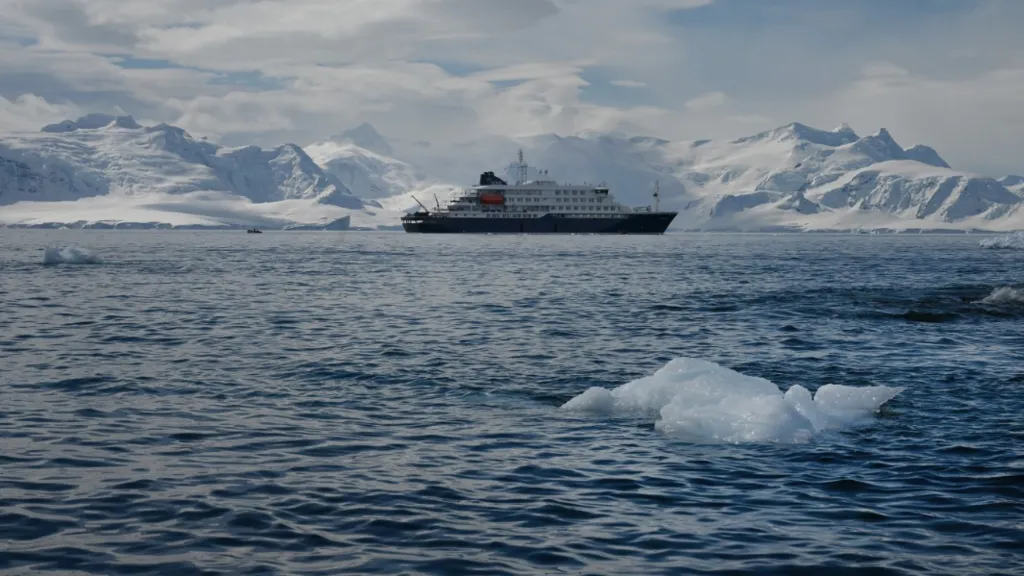
The World Health Organization (WHO) has officially confirmed a second laboratory-verified case of hantavirus following a lethal cluster of respiratory illnesses aboard the MV Hondius, an expedition cruise ship currently anchored off the coast of Cape Verde. The confirmation comes as the death toll from the suspected outbreak reached three, including a Dutch couple who were among the first to fall ill during the ship’s month-long voyage from Argentina to the South Atlantic.

With two confirmed cases, one patient in critical condition, and five other suspected cases remaining on board, the incident has been elevated to a “significant public health event,” highlighting the “resilience deficit” of medical infrastructure on remote maritime routes.
The timeline of the outbreak reveals a series of “clinical tragedies” that unfolded as the ship navigated some of the world’s most remote waters.
The First Victim: A 70-year-old Dutch man developed a fever and gastrointestinal distress on April 6. He died on board on April 11 before microbiological tests could be performed.
The Second Confirmation: His wife, who accompanied his body to St. Helena, collapsed while attempting to fly home via South Africa. She died in a Johannesburg hospital on April 26; her case was confirmed as hantavirus on May 4.
The Third Fatality: A German national died on May 2 after developing pneumonia-like symptoms.
The Survivor: A British passenger, who was medically evacuated from Ascension Island to South Africa on April 27, remains in intensive care. He was the first laboratory-confirmed case of the cluster.
Hantaviruses are typically rodent-borne, but the pattern of illness on the MV Hondius has sparked fears of a more “transmissible” threat.
The “Andes” Theory: Experts note that while hantavirus usually requires contact with rodent waste, the Andes strain found in South America is known for rare person-to-person transmission. Given the ship’s departure from Ushuaia, Argentina, scientists are investigating if a similar strain is at work.
The “Clinical Silence” of Incubation: With an incubation period of up to eight weeks, passengers are currently isolating in their cabins—a “dopamine desert” of confinement—while health officials conduct contact tracing for those who have already disembarked.
The “Medical Sovereignty” Crisis: The ship is currently being refused entry by multiple ports, leading to a “postcode lottery” of where the remaining 147 passengers and crew will eventually be allowed to disembark for full screening.
As King Charles concludes his Washington visit, where global health resilience was a key pillar of the “Special Relationship,” the Hondius outbreak is being cited as a “milestone” for maritime health security.
The Cape Verde Standoff: Local medical teams in Praia are assisting with specimens but have restricted disembarkation, citing a lack of specialized isolation units—a move critics call an “accountability rot” in international maritime support.
The “Golden Tone” of Vigilance: The WHO has released funds from its Contingency Fund for Emergencies to facilitate the evacuation of two symptomatic crew members to Las Palmas in the Canary Islands.

As the RHS Wisley wisteria blooms and the Southbank Centre celebrates 75 years of British life, the tragedy of the MV Hondius serves as a sobering reminder that the world remains vulnerable to “invisible” threats.
“Justice has no expiry date, and in the case of a virus, neither does the threat,” noted one epidemiologist. While the global risk remains low, the “Floating Fever” of 2026 has proven that even in the most ecologically diverse corners of the Earth, the gap between a dream holiday and a “national security emergency” is dangerously thin.
Related News:
 The Sad, Strange Story of the World’s Most Radioactive Paradise
 Wellness Peptide Craze: Why People Are Injecting Drugs ‘Not for Human Consumption’
 The Crown of Agony: Ranking the Most Painful Stings in the World
 The Outback Squeeze: ‘Out of Control’ Diesel Prices Threaten Australia’s Freight Arteries
 Shocking Rise in Children’s Exposure to Violent Online Pornography Raises Alarm
 Costa Blanca Holiday Horror as Food Poisoning Outbreak Hits Four-Star Hotel
 British Pilot Joins Crew Training for Year-Long Mars Simulation Mission
 British AI Startup Outshines Human Forecasters in Global Prediction Contest
 UK Fighter Jet Purchase Could Breach Nuclear Treaty, Warns CND
 Google at 27: The Untold Story of Ruth Kedar, the Woman Behind the Iconic Logo
 Cooper Unveils £4m Cyber Plan Against Russian Hackers
 Genetic Tests May Predict Return of Blood Cancer
 Experts Warn Russia’s Burevestnik Missile Could Destabilise Arms Control
 Patients to Test Health at Home to Ease NHS Winter Pressure
 Britain deploys RAF specialists to assist Belgium with drone threats
 Hitler’s DNA Confirms He Truly Had Only One Testicle
 Working-Class Men with Prostate Cancer Left Behind by NHS
 Pokémon to open world’s first theme park in Japan next year
 New AI tool could cut wasted efforts in organ transplants
 Healthy Habits in Your 30s That Boost Life in Your 70s
 Coffins Now Too Large to Cremate Amid Rising Obesity Crisis
 Google Removes Some AI Health Summaries Over Safety Concerns
 US Clears Nvidia AI Chip Sales to China in Policy Shift
 Robo-Vaccination Could Transform Fight Against Bovine TB
 AI breast screening cuts later cancer diagnoses by 12%, study finds
 UK New Car Discounts Near £6,000 as Prices Are Slashed
 Most Statin Side-Effects Are Not Caused by Drugs, Study Confirms
 Dual Nationals Face Scramble for UK Passports as New Rules Come Into Force
 Chasing the Next Solar Eclipse: When, Where and How to See It
 Indian University Kicked Out of AI Summit for Claiming Chinese Robot Dog as Its Own Invention
 China Shows Off Nunchuck‑Wielding Humanoid Robots for Lunar New Year
 How Do You Modernise Mango Farming? India’s Growers Urged to Innovate as Climate Change Hits
 Musk Cuts Starlink Access for Russian Forces – Giving Ukraine an Edge at the Front
 ‘A Disgrace’ — Patient Blasts Neurology Report
 Storm Hernando: Edinburgh Airport Flights Cancelled in US Travel Chaos
 Drugs, Denial, Stigma: Fiji’s HIV Crisis Hits Children
‘I Wanted to Save Her Life’ — The Moment Twin Sisters Learned They Were Identical
Drugs, Denial, Stigma: Fiji’s HIV Crisis Hits Children
‘I Wanted to Save Her Life’ — The Moment Twin Sisters Learned They Were Identical
 Social Media Trial: Woman Says Addiction Began at Six
Instagram Investigating AI Profiles ‘Fetishising’ Disabled People
Social Media Trial: Woman Says Addiction Began at Six
Instagram Investigating AI Profiles ‘Fetishising’ Disabled People
 Vegetarian Diet Linked to Lower Risk of Several Cancers
 Islanders Advised on Travel to Middle East Amid Escalation
 Australian GP Confident Amid Travel Disruption
 Why Russia Controls Its People With a Flick of a Switch
 Limited Flights Leave UAE But Disruption Continues Amid Iran Strikes
 The US Now Has the Medicine for Cheap Swarming Drone Attacks
 Protesters Rally in San Francisco Against OpenAI Deal With Pentagon
 We Have More Privacy Controls Yet Less Privacy Than Ever — The Paradox of Digital Life
 Study Says Only Two Nations May Survive Nuclear War
 Streeting Criticises SNP Over NHS App Dispute
 My One-Hour Flight Transfer Left Me Facing 10 Days Stuck in a City Under Attack
 Air India Express Plane Damaged in Chaotic Landing at Phuket Airport
 Social Media Giant Trial Reaches Final Jury Decision
 One Ant for $220: The New Frontier of Wildlife Trafficking
 Trump Considers Military Operation to Seize Iran’s Uranium
 ‘Zoom Dysmorphia’ Explosion: BDD Patients Quadruple in Post-Pandemic UK
 ‘I’m So Ready’: Céline Dion Announces 10-Night Paris Comeback Residency
 ‘At the Doorstep of the Future’: Florida’s Space Coast Braces for Historic Artemis II Launch
 ‘The Invisible Killer’: Chiang Mai Air Quality Crisis Sparks Pediatric Health Emergency
 ‘We Go for All Humanity’ — Artemis II Returns Humans to the Lunar Vicinity
 A Name for the Nameless: DNA Finally Links 1974 Utah Murder to Ted Bundy
 7.4-Magnitude Earthquake Jolts Eastern Indonesia; Tsunami Warning Lifted
 Breaking the Horizon: Blind Runner to Tackle Brighton Marathon with Smart Glasses
 Paradise Aground: Cruise Ship Evacuated After Striking Reef Near ‘Cast Away’ Island
 Voices of the Vanguard: ‘Audio Time Capsule’ of Disability Rights Pioneers Discovered
 Bangladesh Launches Emergency Vaccine Drive After 100 Child Deaths
 Electric Shock: Australians Buy Record Number of New EVs as Fuel Crisis Bites
 War, Windfalls, and the Carbon Trap: The Iran Conflict’s Brutal Energy Math
 ‘The Best Decision I Ever Made’: A Mother’s Viral Plea After a Near-Miss with Lung Disease
 The Great Chokehold: Why the Strait of Hormuz is the Epicenter of the 2026 Crisis
 The Friendship Friction: Would You Call Out Your Friend’s Toxic Behaviour?
 Southern Skies: High Turnout and Surprise Visitors in Birdwatch 2026
 Moldova River Crisis Exposes War’s Hidden Cost
 GSK cancer drug shows early promise in trials
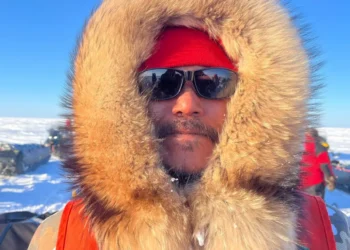 The Frozen Frontier: Why Frostbite is the Least of Concerns for Canada’s Arctic Forces
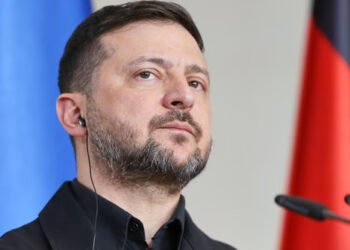 “I was fighting two wars”: Ukraine soldiers’ addiction crisis
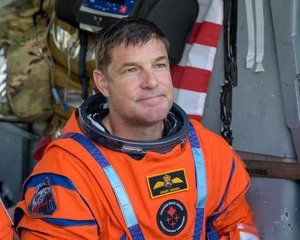 Canadian astronaut French words ease language row
 ‘The End of the Quiet Era’: Japan Relaxes Arms Export Rules in Historic Pivot From Pacifism
 Beyond the Swoosh: Anta Sports Overtakes Rivals to Become Global Top Three
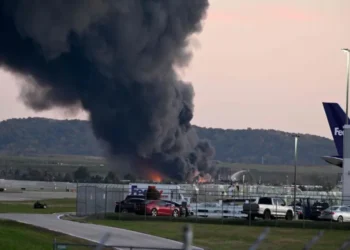 Two Dead in Adelaide Airport Plane Crash Fire
 “Grounded”: Beijing Implements Total Ban on Drone Sales Citing Capital Security