Published: 05 May 2026. The English Chronicle Desk. The English Chronicle Online
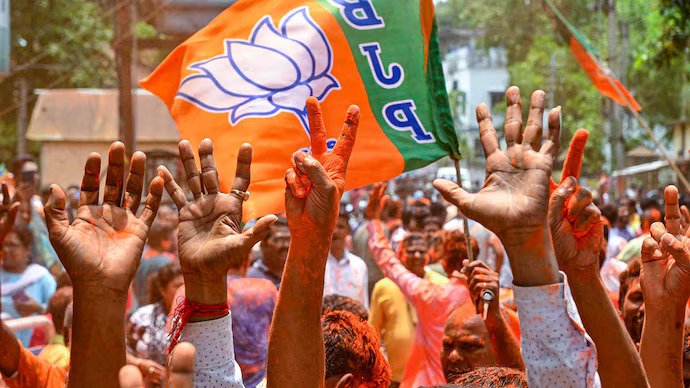
In a landmark political shift with far-reaching consequences for India’s democratic landscape, Narendra Modi’s Bharatiya Janata Party (BJP) has secured a decisive victory in the state assembly elections in West Bengal, marking the first time the party has taken control of the eastern state. The result represents a significant erosion of opposition strongholds and underscores the BJP’s continued expansion across India’s political map.
For more than a decade and a half, West Bengal had been governed by the All India Trinamool Congress (TMC), led by its influential chief minister Mamata Banerjee. Known for her vocal opposition to Modi and his ideological vision, Banerjee had positioned herself as one of the most prominent national critics of the BJP’s governance and its Hindu nationalist agenda. Her party’s loss in this election therefore signals not just a regional defeat but a symbolic weakening of resistance against Modi’s political dominance.
Preliminary results indicate that the BJP is set to win more than 205 seats out of the 294-member legislative assembly, securing a commanding majority. The scale of the victory has surprised many observers, especially given the state’s historical resistance to the BJP’s influence. In his first public remarks following the win, Modi described the outcome as a triumph of “people’s power” and credited the party’s emphasis on governance and development as key factors behind the success.

The victory in West Bengal holds particular strategic importance. As one of India’s most populous and politically influential states, control over Bengal strengthens the BJP’s presence in eastern India, complementing its already extensive reach in northern and western regions. Since coming to power nationally in 2014, Modi has steadily expanded the BJP’s footprint, reshaping the country’s political dynamics and marginalising opposition forces that have struggled to maintain cohesion.
The election results also coincide with BJP victories elsewhere, including a renewed mandate in Assam and gains in the union territory of Puducherry. These wins collectively reinforce the perception that the BJP has regained momentum after setbacks in the 2024 general election, when it failed to secure an outright parliamentary majority.
However, the West Bengal election has not been without controversy. Central to the debate is the BJP-led government’s electoral roll revision exercise, known as the Special Intensive Revision (SIR). The initiative, presented as an effort to eliminate illegal voters, resulted in the removal of approximately 2.7 million names from the voter registry. Critics, including TMC leaders and civil society groups, have alleged that the process disproportionately affected Muslims and other minority communities—groups that have traditionally not supported the BJP.
Many of those removed from the rolls reportedly lacked sufficient time or resources to challenge their exclusion before the election. Opposition figures have argued that the exercise was politically motivated and aimed at tilting the electoral balance in favour of the BJP. The government has firmly denied these allegations, insisting that the revision was conducted in accordance with legal procedures and was necessary to maintain electoral integrity.
Political analysts suggest that while the voter roll revisions may not have been the sole determining factor, they likely played a contributory role. According to observers such as Rahul Verma of the Centre for Policy Research in Delhi, the BJP’s victory is the culmination of a long-term strategy involving organisational strengthening, grassroots mobilisation, and targeted messaging. Anti-incumbency sentiment against the TMC government also appears to have been a significant factor, with voters expressing dissatisfaction over governance issues and allegations of political interference in daily life.
Another crucial element in the BJP’s success has been its ability to consolidate the Hindu vote in a state known for its cultural and religious diversity. In previous elections, the party struggled to overcome perceptions of being an “outsider” force that threatened Bengal’s linguistic and cultural identity. This time, however, it appears to have recalibrated its approach, presenting itself as both a national and locally attuned alternative.
The implications of this electoral outcome extend beyond West Bengal. For the opposition, particularly the Indian National Congress, the result represents another setback in a series of defeats that have weakened its national standing. Internal divisions and a lack of cohesive strategy have further compounded the challenges facing opposition parties, raising questions about their ability to effectively counter the BJP in future elections.
Despite the BJP’s growing dominance, the broader political landscape in India remains complex and fluid. Analysts caution that economic challenges could still pose risks to the party’s popularity. The ongoing global energy crisis, exacerbated by geopolitical tensions such as the Iran conflict, has had a tangible impact on India’s economy. Rising fuel prices, inflation, and persistent unemployment continue to affect millions of citizens, potentially shaping voter sentiment in the years ahead.

Moreover, the BJP’s influence remains uneven across the country. Southern states, in particular, have proven resistant to the party’s expansion. In Kerala, a state with a strong tradition of left-wing politics, the Congress party managed to defeat the incumbent Communist-led alliance, marking a notable shift in regional dynamics. Meanwhile, in Tamil Nadu, a surprising political development saw actor-turned-politician C Joseph Vijay lead his newly formed party to power, breaking a decades-long pattern dominated by established regional parties.
These developments highlight the diversity and unpredictability of India’s electoral landscape, where regional identities and local issues continue to play a crucial role alongside national narratives. While the BJP’s victory in West Bengal underscores its organisational strength and electoral appeal, it also serves as a reminder that political dominance in India is neither absolute nor guaranteed.
As the BJP consolidates its gains, attention will inevitably turn to how it governs West Bengal and addresses the expectations of its electorate. The transition of power in a state long governed by a different political ideology will be closely watched, both domestically and internationally. For Modi and his party, the challenge now lies not only in maintaining electoral success but also in delivering on promises of development, inclusivity, and effective governance.
The West Bengal result marks a pivotal moment in India’s political evolution, reflecting both the ascendancy of the BJP and the ongoing transformation of the country’s democratic fabric. Whether this victory heralds a new era of political stability or intensifies existing divisions remains to be seen, but its significance is undeniable.
Related News:
 Nine Killed in Karachi Consulate Protest
 Southeast Asia Turns to Russia Amid Energy Crisis
 Australia pushes Pacific security pact amid China tension
 US Awaits Iran Reply on New Ceasefire Proposal
 One Nation Stuns Australia With Historic Farrer Win
 Hormuz Talks Near Critical Stage
 Discontent grows around Putin amid war strain
 Millions Gather for Khamenei’s Six-Day State Funeral
 Venezuela Quake Death Toll Surpasses 4,000
 Houthis Strike Saudi Arabia as Middle East Tensions Rise
 Taliban global ties grow as rights fears mount
 Seoul proposes historic peace talks to replace Korean War armistice
 Israeli Strike in Southern Lebanon Kills Seven
 Five Years of Taliban Rule Leave Afghanistan in Crisis
 BBC to Apologise Over Edited Trump Speech Amid Backlash
 Britain deploys RAF specialists to assist Belgium with drone threats
 US Justice Department Files Lawsuit Against California Over Partisan Voting Maps
 Greene Pushes Epstein Files Amid Trump Fallout
 Trump Deploys DHS to Charlotte in Major Arrest Operation
 December Run-Off in Chile as Election Produces No Winner
 Canada Passes Carney’s First Budget in Tight Parliamentary Vote
 Shadow Fleet at Sea: Europe’s Battle Against Illicit Oil Shipping
 Pentagon Officials in Ukraine to Discuss War End
 Venezuela Threatens Nobel Winner Machado with Fugitive Status
 Georgians Defy Government Crackdown After Year of Protests
 EU plans $105bn Ukraine aid using frozen Russian assets
 Trump Policies Boost China’s Global Rise, Survey Finds
 Iran unrest slows under brutal crackdown and global tensions
 Pentagon Signals Reduced Role in Deterring North Korea
 Thousands Protest ICE Operations in Nationwide US Day of Action
 Starmer Condemns ‘Depraved’ Russian Strikes on Ukraine
 Herzog visit sparks protests across Australian cities
 UK and US Drop in Global Corruption Index Rankings
 Sydney Protest Escalates and Elderly Woman Suffers Severe Injury
 Tarique Rahman’s Rise Toward Bangladesh’s Top Job
 Canberra Poster Seizure Sparks Free Speech Row
 Evo Morales Returns After Mysterious Absence
 AFP Reviews Pauline Hanson Comments
 Duterte ICC Hearing Begins Amid Defiance
 Trump Tariffs Threat Spark UK and EU Alarm
 The Dangerous Rise of Remigration Across Modern Europe
 Trump’s Marathon Speech Fails to Mask a Growing National Disconnect
 Jacinda Ardern Moves To Australia Following Her US Fellowships
 US to offer passport services in West Bank settlements
 Jacinda Ardern Move Sparks Kiwi Reflection
 Nick Greiner Warns Over Election Review Fallout
 Iran Defiance Grows Amid US-Israel War Pressure
 Injured Mojtaba Khamenei Elevated as Iran Leader
 Gordon Brown urges court for crimes against children
 Oil Prices Jump After Trump Claims Iran Oil Hub Destroyed
 Pakistan Targets Militant Hideouts in Afghanistan
 Danish Election Deadlock Shakes Frederiksen’s Grip
 Air Canada CEO Faces Outcry Over Recent Language Misstep
 Trump to Visit China in May After Iran War Delay
 Pope Rebukes Leaders for War as Middle East Tensions Rise
 Trump to Deploy “God Squad” Over Gulf Wildlife Protections
 Army Probes Apache Flyover at Kid Rock’s Nashville Estate
 Relationship with Trump may be beyond repair, Starmer warned
 Italian Town Buys Mussolini Villa to Keep Away Fascist Fans
 Report Says Pezzullo Acted ‘Recklessly’ in Dealings
 Trump Employs Nixon’s Madman Theory Amid Iran Crisis
 Hungary election: Orbán faces biggest test amid scandal
 Suspected Plot Targets Pipeline Before Hungary Vote
 Trump Brokers Landmark Lebanon Ceasefire Amid Regional Hopes
 UK Stands Firm on Falklands Amid US Rift
 Oil Prices Surge Above $120 Amid Iran Blockade Fears
 Trump orders US troop pullout from Germany
 Trump approval plunges amid Iran war fears
 Ohio’s Battle for Trust: Democrats Vying to Flip the Buckeye State
 China Fireworks Factory Blast Kills 21 in Hunan
 US ‘Narco Boat’ Strikes Draw Global Outcry
 Afghan Families Left in Limbo Face Risk of Deportation
 Starmer Leadership Under Pressure After Setbacks
 House Curbs Trump’s War Powers in Rare Rebellion
 Germany Summons Chinese Envoy Over Russian Troop Training
 New South Wales Premier Chris Minns Signals Tough Road Ahead for Labor
 Le Pen to Run for President Despite Embezzlement Conviction
 Ukraine Creates Long-Range Strike Command
 Le Pen’s Popularity Holds Despite Conviction
 Former Diplomats Urge UK and France to Act on Palestine