Published: 06 May 2026. The English Chronicle Desk. The English Chronicle Online.
The global landscape shifted once more as Donald Trump halted his latest naval initiative. This strategic pause affects Project Freedom which was designed to clear the Hormuz Strait. The President claims this move allows breathing room for a final Iranian settlement. However the naval blockade of major Iranian ports will remain in active force. This sudden change appeared on social media and caught many officials by surprise. Trump noted that Pakistan and other nations requested this brief diplomatic window. He also cited recent military successes as a reason for this tactical shift. Progress toward a complete agreement with Tehran was mentioned as a factor. Iranian officials have not yet offered a formal response to the claims.
The decision follows remarks from Secretary of State Marco Rubio regarding the region. Rubio insisted that the current ceasefire in the Middle East is still holding. He clarified that the initial major military phase against Iran has now concluded. The operation known as Epic Fury is officially over according to the Secretary. Rubio addressed the White House press corps to explain the path toward peace. Iran must agree to nuclear program demands to see any lasting resolution. Reopening the vital Strait of Hormuz remains a non-negotiable point for the Americans. These comments seemed to clash with earlier statements from the Pentagon leadership. Defense Secretary Pete Hegseth had recently praised the success of the waterway mission.

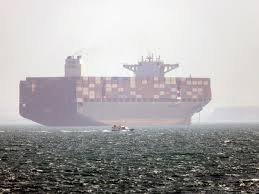
Hegseth told reporters that the United States had secured a safe maritime path. Hundreds of commercial vessels were reportedly lining up to transit the narrow passage. He suggested that the Iranian government was deeply embarrassed by the American success. The Secretary claimed Iran no longer maintains control over the strategic naval route. Rubio later described the clearing of the strait as a global service. He stated that the United States is uniquely capable of such tasks. While he spoke a cargo vessel reported being struck by an unknown object. This incident highlighted the ongoing volatility of the waters despite the ceasefire. Attention has now turned toward diplomatic meetings occurring currently in the East.
Abbas Araghchi is visiting China to discuss the future of the energy route. Rubio expressed hope that Beijing would pressure Tehran to end the blockade. China relies heavily on the flow of energy through the Persian Gulf. It is in the interest of every major economy to reopen trade. So far only two merchant ships have successfully used the guarded route. Thousands of crew members remain stranded while waiting for a safe passage. Iran has effectively closed the strait which traditionally handles vital oil supplies. This closure has caused global fuel prices to rise at alarming rates. Breaking the grip of Tehran would remove their primary source of leverage. The Trump administration wants a total rollback of the Iranian nuclear plans.
The United Arab Emirates reported new drone attacks for a second day. Tehran has denied involvement in these latest strikes against its regional neighbour. General Dan Caine stated these attacks do not constitute major combat operations. He described the situation in the strait as being somewhat quieter today. Both Caine and Hegseth maintain that the ceasefire has not been broken. Rubio emphasized that American actions in the waterway are purely defensive in nature. He told reporters that US forces would not fire unless fired upon. The administration is navigating complex legal requirements regarding the War Powers Resolution. This law requires the President to seek congressional approval for military actions.
A senior official claimed that hostilities were terminated after the April ceasefire. This distinction is vital for avoiding a direct confrontation with the Congress. Rising gasoline prices are creating a political challenge for the Republican Party. The national average for fuel has now surpassed the four dollar mark. Retail prices reached levels not seen since the summer of two thousand twenty-two. Brent crude oil remained steady at over one hundred dollars per barrel. Mohammad Bagher Qalibaf suggested that Iran has not yet fully reacted to Washington. The Iranian parliament speaker stated the status quo is intolerable for America. He hinted that Tehran holds more cards than the White House admits.

Messages are currently being passed through Pakistani intermediaries to find a solution. Iranian state media disputed American claims regarding the sinking of several boats. They reported that civilian cargo vessels were hit during the recent military exchanges. Five civilians were allegedly killed according to the reports from state television. General Caine confirmed that over one hundred aircraft are patrolling the local skies. The naval blockade started in mid-April to cut off Iranian oil revenue. This economic pressure is designed to weaken the resolve of the leadership. Major shipping companies like Hapag-Lloyd remain cautious despite the American security presence. Their risk assessments suggest that the strait is still far too dangerous.
The maritime industry is waiting for more stability before resuming normal trade. Insurance companies are also hesitant to cover vessels entering the contested zone. Analysts suggest that the world must wait to see how diplomacy unfolds. The global economy hangs in the balance as these two powers negotiate. Trump seems confident that a final deal is within his personal reach. Critics worry that a pause gives Iran time to regroup its forces. The coming days will determine if this gamble leads to lasting peace. Every nation remains focused on the price of energy and security. For now the ships remain anchored and the world watches the Gulf. The English Chronicle will continue to monitor these developing international events.
Related News:
 BBC to Apologise Over Edited Trump Speech Amid Backlash
 Britain deploys RAF specialists to assist Belgium with drone threats
 Palace May Restore Hyphen to Andrew Mountbatten-Windsor’s Name
 Greene Pushes Epstein Files Amid Trump Fallout
 December Run-Off in Chile as Election Produces No Winner
 Zelenskyy Signs Fighter Jet Deal Amid Russian Drone Attacks
 Canada Passes Carney’s First Budget in Tight Parliamentary Vote
 Shadow Fleet at Sea: Europe’s Battle Against Illicit Oil Shipping
 Tiny Curacao Makes History as Smallest Nation to Reach World Cup
 Deadly Russian Strikes Hit Western Ukraine, 20 Killed in Ternopil
 Ukraine Peace Plan: Zelensky Ready for Dialogue
 Royal Navy Shadows Russian Warships Entering the Channel
 US Suspends Afghan Immigration After White House Shooting
 Georgians Defy Government Crackdown After Year of Protests
 Tokyo court rules Japan’s same-sex marriage ban constitutional
 ‘Extinct’ Antelope Returns to Sahara, Bringing Hope
 American Mother Extradited From UK to U.S. on Murder Charges
 Irish Beach Tragedy: Irish Drown at Whitehaven Beach in Australia
 Sanctioned oil tankers sail Channel amid Russia scrutiny
 US and UK Withdraw Personnel as Middle East Tensions Rise
 Half the World’s Largest Cities Face Rising Water Stress
 Pentagon Signals Reduced Role in Deterring North Korea
 UK and US Drop in Global Corruption Index Rankings
 SA Police Intensify Search in Gus Lamont Case
 Canberra Poster Seizure Sparks Free Speech Row
 Evo Morales Returns After Mysterious Absence
 El Mencho Killed as Mexico Faces Violence
 Australian children in Syria deserve safe return
 Jacinda Ardern Moves To Australia Following Her US Fellowships
 Jacinda Ardern Move Sparks Kiwi Reflection
 Middle East Airspace Crisis Strands Thousands
 Nick Greiner Warns Over Election Review Fallout
 Kelly Wilkinson Inquest Reveals Bail Failure
 Tehran Strikes Mark War’s Most Devastating Night
 Injured Mojtaba Khamenei Elevated as Iran Leader
 Gordon Brown urges court for crimes against children
 Gaza Detainee Abuse: Israel Drops Charges Against Soldiers
 The Kill Line: A Shifting Vision of the American Dream
 Oil Prices Jump After Trump Claims Iran Oil Hub Destroyed
 Pakistan Targets Militant Hideouts in Afghanistan
 Lebanon Ground Campaign Raises Occupation Fears
 UK Condemns Reckless Iranian Missile Threats on Global Bases
 ICE detention warning sparks fear among immigrants
 Air Canada CEO Faces Outcry Over Recent Language Misstep
 Extreme Weather: Europe Shivers as Cyclone Narelle Hits
 Asia Turns Back to Coal Amid Middle East Energy Crisis
 Relationship with Trump may be beyond repair, Starmer warned
 Trump’s Six-Week Iranian War: The High Cost of Ignorance
 Artemis II Returns After Historic Moon Flyby
 Orbán Ousted: Péter Magyar’s Tisza Party Wins in Hungary
 Trump Brokers Landmark Lebanon Ceasefire Amid Regional Hopes
 Ben Roberts-Smith Denies War Crime Allegations in First Statement
 UK Stands Firm on Falklands Amid US Rift
 Oil Prices Surge Above $120 Amid Iran Blockade Fears
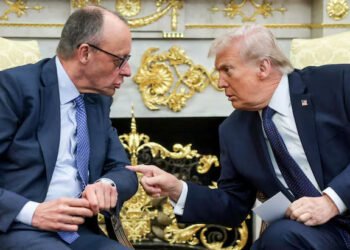 Trump orders US troop pullout from Germany
 Japan Protests Erupt Over Plans to Revise Constitution
 Global Conflict Hits Home As Bullock Warns Of Economic Pain
 RFU Backs Borthwick Despite England’s Poor Six Nations
 FIFA Confirms Global Ban for Benfica Star Prestianni
 US Awaits Iran Reply on New Ceasefire Proposal
 US and Mexico Face Heatwave as Floods Batter South Africa
 Putin Signals War End as Russian Momentum Stalls
 Australia Welcomes the Iconic Michelin Guide
 Scepticism and tight security as Beijing braces for Trump
 Philippine Senator Flees After Days Under Senate Siege
 Tensions Flare as Israeli Nationalists March in Jerusalem
 High Street Crisis: Fears Grow Over Post Office Closures
 Xi Hosts Putin for Talks Right After Trump Visit
 Fragile Truce Shattered as Violence Escapes Diplomatic Control
 Oil Markets Face ‘Red Zone’ Threat Amid Iran Crisis
 Pope Meets Families in Italy Toxic Waste Zone
 Discontent grows around Putin amid war strain
 US Strikes Iranian Sites Amid Shaky Ceasefire Talks
 Starmer Leadership Under Pressure After Setbacks
 Papal Visit Offers Political Lifeline to Spanish Premier
 Aukus Deal Facing Fierce Backing and Historic Criticism
 Thai Princess Bajrakitiyabha Passes Away at 47
 Le Pen to Run for President Despite Embezzlement Conviction
 Ukraine Creates Long-Range Strike Command
 Houthis Strike Saudi Arabia as Middle East Tensions Rise