Published: 11 May 2026. The English Chronicle Desk. The English Chronicle Online.
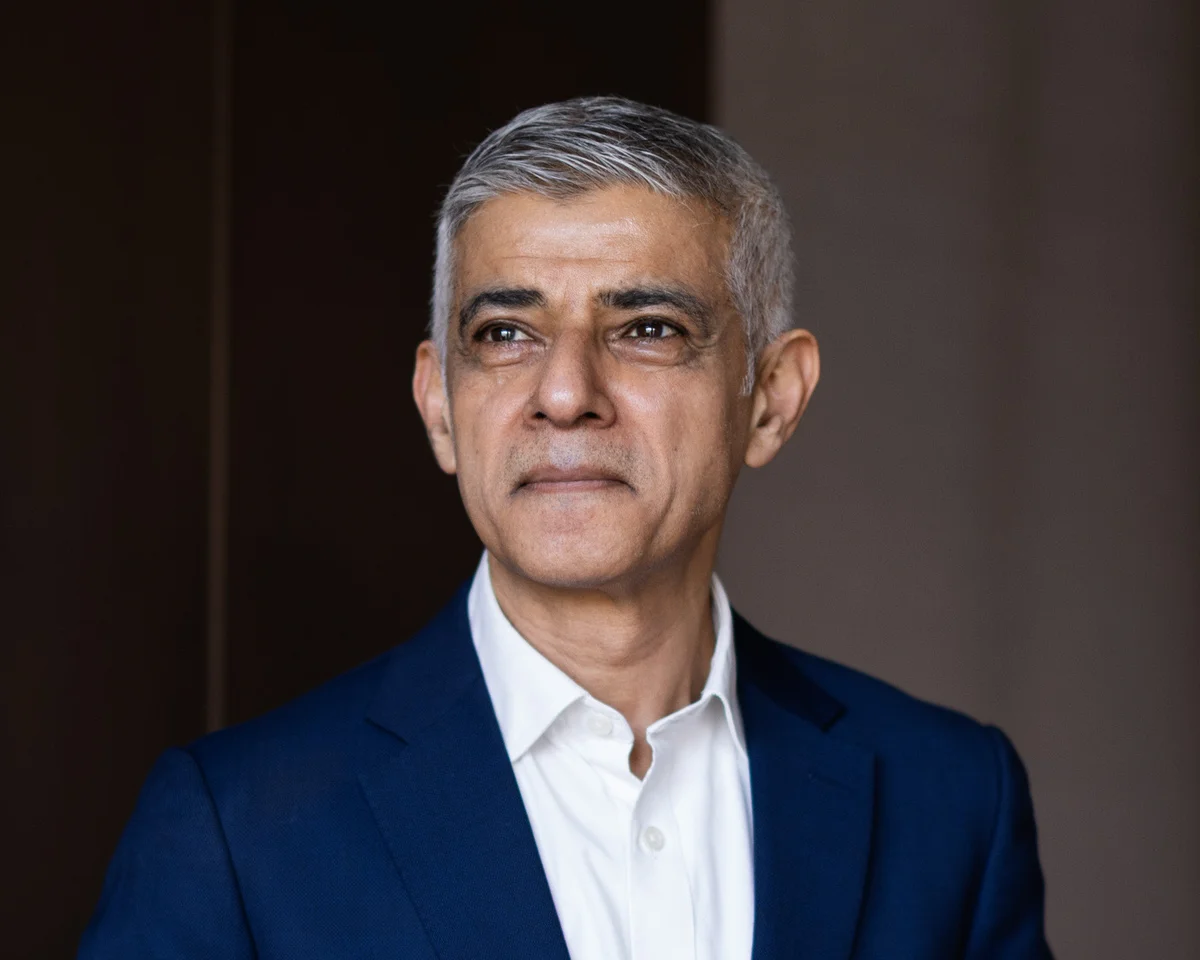
Sadiq Khan has completed a full decade as the Mayor of London. This milestone marks a significant era for the United Kingdom’s capital city. When he first took office, the global political landscape looked very different. Barack Obama was still the president in the United States of America. Britain was also a member of the European Union at that time. Much has shifted across the globe and within our local London streets. Khan has remained a constant figure throughout these many turbulent years. He followed two very high-profile mayors, Ken Livingstone and Boris Johnson. Khan has now served longer than both of these famous political predecessors. His leadership style has been defined by his personal focus on coalitions. He describes himself as a naturally pugnacious and quite adversarial former lawyer. However, he admits that City Hall has changed his overall personal approach. Working together with others achieves much more than constant political fighting does. He believes his success comes from a very wide group of voters. This group includes Greens, Liberal Democrats, and even some pro-European Union Conservatives.
His identity as the first Muslim mayor of London is very significant. This fact has unfortunately drawn a large amount of targeted online abuse. President Donald Trump has been a very frequent vocal critic. Trump once claimed that London was moving toward a sharia law system. Khan dismissed these comments as being both ignorant and deeply Islamophobic. He argues that London represents the perfect antidote to narrow nativist views. The city is diverse, pluralistic, liberal, and objectively very successful today. However, he acknowledges that these attacks take a heavy personal toll. His family and staff also feel the weight of this hostility. Despite the pressure, Khan remains committed to his original progressive urban vision. He often looks to other global cities for new innovative policy ideas. He mentions working with mayors from Paris and New York quite often. Khan believes in “stealing well” rather than inventing a bad local policy. This collaborative spirit has defined his approach to major urban challenges recently.
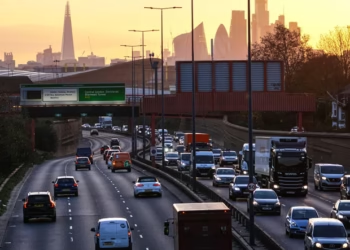
Environmental policy has been the central pillar of his long mayoral tenure. He promised to make London a much greener city back in 2015. His scorecard on these green promises is considered to be quite impressive. The Ultra-Low Emission Zone now covers the entire area of Greater London. This policy has successfully removed many dirty vehicles from our busy streets. Over 640,000 new trees have been planted across the capital’s many boroughs. These trees help the city cope with rising heat and flash flooding. The cycle lane network has more than quadrupled under his steady watch. More Londoners are choosing to cycle to work than ever before today. Electric buses are now a very common sight on most London roads. The city’s pension fund has also stopped investing in fossil fuel firms. Oxford Street will be fully pedestrianized by the end of this summer. Nature is also making a surprising comeback within the urban landscape here. Beavers and otters have been spotted in several local London waterways lately. There is even hope that white storks will return very soon too.
The Mayor is particularly proud of the new 20mph speed limit zones. These limits have significantly reduced dangerous emissions and saved many lives daily. Experts estimate that over 250 road fatalities have been prevented so far. Khan argues that London has been transformed into a much safer city. Air pollution levels have dropped significantly over the last ten years now. Nitrogen dioxide levels fell within legal limits for the first time recently. This is a major achievement since regulations were introduced in 2010. However, the expansion of the Ulez zone was not without controversy. Khan faced strong opposition from both the Conservatives and his own party. Keir Starmer and the national Labour party were initially quite hesitant. Khan pushed forward despite having very little support from national political leaders. He relied on a coalition of health experts and local climate activists. This bold move highlights his willingness to take risks for public health. He remains convinced that clean air is a basic human right.
The Mayor is now expressing concern about the national Labour party’s direction. He worries that attacking the Green Party is a strategic political mistake. Progressive voters may feel alienated by this aggressive stance from Labour leaders. Khan believes that building broad coalitions is essential for future electoral success. He points to his own work with the Greens in London. They have collaborated on air pollution and funding for local youth clubs. Khan argues that the left must unite to defeat the right. He views the rise of Reform UK as a significant political threat. Respecting all progressive voters is key to winning a general election soon. The national Labour landslide in 2024 relied on a wide voter base. Khan warns against taking these diverse voters for granted in the future. He believes in treating every single vote with a high level of respect. This philosophy has kept him in power for ten years straight.
Despite his many successes, several difficult environmental challenges still remain ahead. London’s climate is changing rapidly, leading to more frequent extreme weather. Deprived communities often suffer the most during heatwaves and major floods. The controversial Silvertown Tunnel project remains a point of significant local tension. Climate experts argue that new tunnels encourage more car use in London. Particulate pollution from wood-burning stoves is also a growing health concern. New and tougher air pollution limits are being set by Europe. London must decide if it will keep pace with these standards. The rise of heavy SUVs on city streets is another problem. Khan says he is looking at ways to reduce these vehicles. He also wants to make London a global leader in finance. Transforming the capital into a green finance hub is a priority. There is still a lot of work to be done on housing. Making homes resilient to heat is vital for the coming years.
Khan shows no signs of slowing down as he begins 2027. He still maintains a strict morning running routine of five miles. He remains very ambitious for the future of this great city. His focus is now shifting toward cleaning up London’s historic waterways. He wants riverside walks to be as clean as the air. London has survived many trials during his first decade as mayor. The city endured the pandemic, terror attacks, and the Grenfell tragedy. Khan describes London as a “case study in hope” for everyone. He believes the city always bounces back stronger after every crisis. His leadership has provided a sense of stability during very uncertain times. Londoners seem to appreciate his consistent and visible presence in City Hall. The next few years will test his coalition-building skills even further. However, Sadiq Khan appears ready to meet these new urban challenges. He remains a central figure in the story of modern British life.
Demographic Trends in London (2016–2026)
The following data reflects the shifting demographics of the capital during Sadiq Khan’s tenure.
London Infrastructure Milestones
-
Tree Canopy Cover: Increased from 18% in 2016 to 21% in 2026.
-
Cycling Trips: Daily stages rose from 0.7 million to 1.2 million.
-
Electric Bus Fleet: Grew from under 100 vehicles to over 4,500.
Related News:
 Reeves Faces Setback as Labour May Miss Homes Target
 Kate Winslet to Narrate Film Highlighting King’s Environmental Mission
 Trump’s UK Ambassador Urges North Sea Drilling to Strengthen US Ties
 UK Bans Fake Numbers: Scammers Lose Their Trick
 M&S Profits More Than Halve After Cyber-Attack
 Patients to Test Health at Home to Ease NHS Winter Pressure
 Millionaires group urge Reeves to introduce wealth tax to ‘lift kids out of poverty’
 Reeves rejects £1bn plea for NHS redundancy payouts
 Northern Lights may illuminate UK skies this week
 PM Condemns Leaks, Vows Loyalty to Ministers and Stability
 Major Rent Reform Ends No-Fault Evictions in England
 Stroke Patient Mistaken for Drunk, Care Delayed
 Inside the Helpline Protecting Missing Children in the UK
 Boots Showstopper Beauty Bundle Outshines Many Advent Calendars This Holiday Season
 PlayStation PS5 Deals Hit Lowest Prices Ahead of Black Friday
 Five-Year-Old Dies After Rare Tonsil Surgery Complication
 Starmer Says Labour’s Economic Plan Needs Years to Deliver
 UK unemployment rises to four-year high of 5.1% before budget
 Wiltshire Police Use Lasso to Catch Rampaging Village Goat
 Coasting Drinks: The Trend Redefining Alcohol Enjoyment This New Year
 Rising Hate Crimes Threaten Safety on UK Public Transport
 Starmer Faces Parliamentary Battles Over UK-EU ‘Reset’ Plan
 Met Police Vetting Failures Let Serial Rapists Remain
 Google Employee Claims Redundancy After Harassment Report
 Fatal Bolton Taxi Crash Claims Three Teens and Driver
 ScottishPower Tops List of Worst UK Energy Suppliers
 Judi Dench Champions Fight to Save London’s Green Spaces
 Crowborough Camp Welcomes First Asylum Seekers
 BBC Funding Crisis: Tim Davie Warns of Jeopardy Ahead
 Artificial intelligence will cost jobs, admits Liz Kendall
 Older Women Vanish from BBC Screens, Review Confirms Bias
 Streeting moves on doctor pay to end strike dispute
 Send spending gap leaves deprived areas behind
 Hidden Crisis: Domestic Abuse Suicide Toll in UK
 UK Unemployment Rate Climbs to 5.2% Peak
 BBC World Cup Presenting Duties Shared Among Trio
 Wales Approves Assisted Dying Bill Consent
 CPS Updates Guidance on Honour-Based and Dowry Abuse
 Asylum Seekers to Work After Year-Long Wait
 Inquiry into HMRC child benefit errors launched by NAO
 Rising Costs Force Families to Rethink Days Out
 Scott Mills Sacked by BBC Over Personal Conduct Claims
 Palantir Boss Defends NHS Deal Amid Government Break Clause
 Relationship with Trump may be beyond repair, Starmer warned
 UK Government Poised to Revive Stalled Hillsborough Law
 UK Staycations Rise as Travel Fears Grow
 Home Office Faces Legal Risks Over Asylum Hotel Living
 Official Admits Debate Over Mandelson Vetting Records
 Crisis in NHS Surgery Scheduling Hits Patients Hard
 Welsh Labour Faces Potential Historic Election Defeat
 Blue Badge Abuse: The Rising Tide of Public Hostility
 UK Faces Future Where Deaths Outnumber Births Yearly
 Scott Parker Leaves Burnley After Premier League Drop
 Silent Tracks: Rail Line Without Passengers
 RFU Backs Borthwick Despite England’s Poor Six Nations
 Major test for Labour as polls open in Great Britain
 Reform UK Faces Crisis as Newly Elected Councillors Resign
 Starmer Strikes Back as 100 MPs Sign Support Pledge
 UK Firms Freeze Spending as Iran Conflict Bites
 Rugby Legend Scott Hastings Dies Aged 61
 Reeves to Fast-Track Clean Energy Amid Iran Crisis
 The Battle for Wembley Sparking Unprecedented Legal Warfare
 Record Spending Highlights Growing Crisis In National Health Service
 Secret Role of UK Security Services in Troubles Amnesty Law
 Tube Strike Brings Capital to a Standstill Over Shift Disputes
 BP Stands Firm on Amanda Blanc Amid Boardroom Storm
 Teaching Machines Right From Wrong in the Digital Age
 UK House Prices Drop For Third Month Due To War Fears
 The Hidden Crisis Eroding Trust in British Communities
 Deepfake Abuse on X Sparks Safety Concerns for Dissidents
 Stolen Mobiles Could Soon Become Useless Bricks
 Clean Air Initiatives Spark Major Fall in London Hospital Admissions
 United Kingdom Politics Worse Now Than Before Brexit, Warns MP
 Russian Tanker Captain Remanded in UK Court After Channel Seizure
 Shocking Zoo Incident Sparks Attempted Murder Probe
 UK Care Crisis: Row Explodes Over New Visa Settlement Rules
 Sainsbury’s Boss Optimistic As Grocery Inflation Eases
 US Airman Avoids British Court in Indecent Exposure Case
 Ann Widdecombe, Formidable Political Figure, Dies at 78
 UK Schools Struggle as Classrooms Top 40C