Published: 12 May 2026. The English Chronicle Desk. The English Chronicle Online.
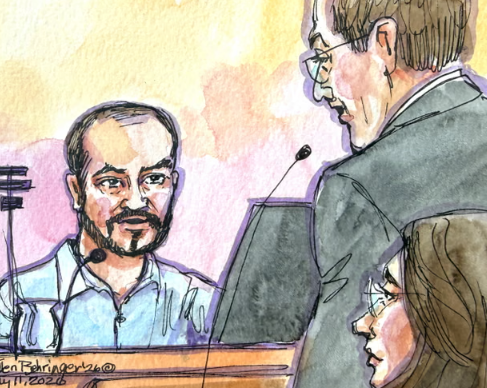
The high-stakes legal battle between Elon Musk and OpenAI has entered its most revealing phase. This trial currently takes place within the walls of a courtroom in the United States. It captures the attention of the entire global technology sector and the wider public audience. For many years, OpenAI maintained a public image of quiet competence and high moral purpose. It presented itself as a laboratory dedicated to the safety and benefit of all humanity. That carefully polished veneer is now being systematically stripped away by a series of revelations. The trial has become a window into the messy and often ruthless world of startups. It shows how the pursuit of artificial intelligence can lead to deep and bitter personal conflicts.
Musk’s lawsuit focuses on the shifting corporate structure of the company he helped to found. He argues that the firm abandoned its original nonprofit mission for a commercial profit model. This change, according to Musk, represents a fundamental betrayal of the founding principles of the group. However, the actual proceedings have frequently veered into a public trial of Sam Altman’s character. Attorneys for Musk are painting a picture of a leader who operates through constant deception. They use internal messages and sworn testimonies to suggest a deep pattern of dishonest behavior. This narrative aims to show that Altman cannot be trusted with such powerful future technology. OpenAI has responded by framing the entire lawsuit as a simple case of personal jealousy. They claim Musk is merely angry that he is no longer part of their success.
The third week of the trial brought forward some of the most influential figures in tech. Mira Murati, the former chief technical officer, provided some of the most damaging video testimony. She was once seen as one of the closest and most loyal allies to Altman. Now, she describes a workplace environment defined by constant chaos and confusing internal power games. Murati testified that Altman frequently gave contradictory instructions to different members of the leadership team. This tactic, she suggested, was designed to keep executives off balance and under his control. Such allegations strike at the heart of the trust required to run a major company. They portray a culture where transparency was sacrificed for the personal influence of the leader.
The court examined specific text messages sent during the brief period when Altman was first ousted. These messages from 2023 reveal the frantic atmosphere behind the scenes of the sudden board firing. Altman had asked Murati for a direct indication of whether his career prospects were safe. Her response was blunt and indicated that the situation looked directionally very bad for him. This exchange highlights the sheer volatility of the relationship between the board and the executive. It confirms that the decision to remove him was not a sudden or random event. Instead, it was the culmination of long-standing concerns about his personal honesty and professional conduct. Other board members have since come forward to support this view during their legal depositions.
Helen Toner, a former board member, spoke extensively about the lack of candor from the top. She told the court that a consistent pattern of behavior led to the board’s action. This sentiment was echoed by Natasha McCauley, who described a series of repeated crisis events. These events were reportedly sparked by Altman’s leadership style and his management of key relationships. Such testimonies under oath carry a significant weight that casual industry rumors simply do not. They transform vague criticisms into a formal record of corporate dysfunction and internal executive strife. The trial is effectively documenting the civil war that almost destroyed the world’s leading AI firm. It forces the public to consider if a secretive culture is healthy for global safety.
On Monday, the courtroom felt a sense of gravity when Ilya Sutskever took the stand. As a co-founder and former chief scientist, his words carry immense technical and moral authority. Sutskever was part of the original board that voted to remove Altman from his position. He admitted to holding deep concerns regarding the truthfulness of the chief executive officer’s statements. When asked if Altman undermined and pitted his own executives against each other, Sutskever agreed. This confirmation from a founding member of the team is a heavy blow to the defense. It suggests that the rot within the leadership was recognized by those closest to it. The testimony paints a picture of a company divided against itself at the highest level.
The trial also featured the perspective of Microsoft, which is the primary financial backer of OpenAI. Satya Nadella, the chief executive of Microsoft, gave his own account of the 2023 leadership crisis. He described the actions of the original board as being remarkably amateur and poorly managed. Nadella expressed his frustration at never receiving a clear reason for why Altman was initially fired. He was deeply worried that the instability would lead to a mass exodus of talented staff. This testimony highlights the tension between the nonprofit board and the massive corporate interests involved. It shows how billions of dollars in investment were put at risk by internal politics. Microsoft clearly prioritized stability and the return of Altman over the board’s concerns about transparency.
OpenAI’s legal team has worked hard to shift the focus back onto Elon Musk himself. They argue that his behavior is erratic and driven by a desire for personal revenge. Greg Brockman, the president of OpenAI, testified about a heated meeting involving the billionaire in 2018. He claimed Musk became angry and stormed around the table during a tense policy discussion. This is intended to show that Musk is not a stable or reliable witness himself. The defense portrays him as a man who wants to destroy what he cannot own. They suggest his legal challenge is a tool for harassment rather than a quest for justice. This strategy aims to discredit the motives of the person bringing the serious lawsuit forward. The financial stakes of this trial are truly staggering by any modern legal or corporate standard. Musk is seeking to have $134bn redistributed to the original nonprofit side of the organization. He also wants to see the current for-profit structure completely undone by the court’s ruling. Such a result would be an earthquake for the entire artificial intelligence industry across the globe. It would force a massive restructuring of one of the most valuable companies in history. The legal arguments over corporate governance are complex and will require careful judicial consideration this week. However, the social impact of these revelations may prove to be even more significant. The public now sees the intense friction behind the creation of world-changing software tools.
As the trial nears its conclusion, the testimony of Sam Altman remains the most anticipated event. He will soon have the opportunity to defend his reputation and his leadership of the firm. He must address the specific claims of lying and manipulation made by his former colleagues. The jury will have to decide who is telling the truth in this complicated saga. This case is about more than just a contract or a corporate filing structure alone. it is about the ethics of the people who are building the future of intelligence. The world is watching to see if the promise of AI can survive this scandal. Whatever the verdict, the reputation of OpenAI has been changed forever by this public trial.
The closing arguments are scheduled for Thursday, marking the end of this dramatic legal chapter. Both sides have presented a vision of the company that is fundamentally at odds with the other. One side sees a visionary leader being attacked by a bitter and jealous former partner. The other side sees a deceptive executive who has hijacked a noble mission for profit. The English Chronicle will continue to provide updates as the jury begins its final deliberations. This story reminds us that even the most advanced technology is still managed by humans. These humans are subject to the same flaws, egos, and conflicts as anyone else in business. The final outcome will shape the trajectory of artificial intelligence for many years to come
Related News:
 Britain deploys RAF specialists to assist Belgium with drone threats
 Night after night, Belgium is on high alert.
 Hitler’s DNA Confirms He Truly Had Only One Testicle
 Ukraine to Get 100 French Rafale Jets in Historic Deal
 Poll Reveals China Leads World in Trusting AI Technology
 US Clears Nvidia AI Chip Sales to China in Policy Shift
 UK New Car Discounts Near £6,000 as Prices Are Slashed
 Anthropic AI Refuses Pentagon’s Safety Demand
 Social Media Trial: Woman Says Addiction Began at Six
 Brady Tkachuk Denies AI Video Claims After Olympic Gold
 Musk’s xAI Permit Sparks Fury Over Power Plant Expansion
 The Kill Line: A Shifting Vision of the American Dream
 Iran Social Media Strategy Shifts to Information War
 ABC Staff Strike Over Pay and AI Concerns
 Cluster Strikes Test Israel’s Missile Defences
 Artemis II: Humanity Returns to the Moon After Decades
 ‘The frontline is like Terminator’: Ukraine’s fighting robots
 Artemis II astronauts capture Earth en route to the Moon
 Apple at 50: Three Products That Changed How We Live
 Artemis II Returns After Historic Moon Flyby
 Canadian astronaut French words ease language row
 Chornobyl Still at Risk 40 Years After Disaster
 RAF Typhoons scrambled amid Russian drone threat near Nato
 Germany to Return Rare Irritator Dinosaur Skull to Brazil
 Canadian Fiddler Sues Google Over AI Defamation Claim
 Doomsday Clock Nears Midnight Amid Global Crises
 China mine blast death toll rises to 90
 Ebola outbreak in DRC overwhelms health system as cases surge
 UN Issues Urgent Warning: Imminent Return of El Niño
 UK Bans Fake Numbers: Scammers Lose Their Trick
 Vibe coding’ named Collins dictionary’s word of the year
 Patients to Test Health at Home to Ease NHS Winter Pressure
 BBC to Apologise Over Edited Trump Speech Amid Backlash
 Northern Lights may illuminate UK skies this week
 Greene Pushes Epstein Files Amid Trump Fallout
 December Run-Off in Chile as Election Produces No Winner
 Zelenskyy Signs Fighter Jet Deal Amid Russian Drone Attacks
 Sundar Pichai Cautions on AI Hype and Market Risks
 Shadow Fleet at Sea: Europe’s Battle Against Illicit Oil Shipping
 Tiny Curacao Makes History as Smallest Nation to Reach World Cup
 US Suspends Afghan Immigration After White House Shooting
 Georgians Defy Government Crackdown After Year of Protests
 ‘Extinct’ Antelope Returns to Sahara, Bringing Hope
 Irish Beach Tragedy: Irish Drown at Whitehaven Beach in Australia
 Sanctioned oil tankers sail Channel amid Russia scrutiny
 Pentagon Signals Reduced Role in Deterring North Korea
 ABC Facebook Page Briefly Hacked, Adult Photos Posted
 Meta trial over child exploitation claims begins
 UK and US Drop in Global Corruption Index Rankings
 Canberra Poster Seizure Sparks Free Speech Row
 Stewart Brand on Musk, Bezos and a Life of Long Thinking
 Jacinda Ardern Move Sparks Kiwi Reflection
 Middle East Airspace Crisis Strands Thousands
 Kelly Wilkinson Inquest Reveals Bail Failure
 Injured Mojtaba Khamenei Elevated as Iran Leader
 Air Canada CEO Faces Outcry Over Recent Language Misstep
 Extreme Weather: Europe Shivers as Cyclone Narelle Hits
 Asia Turns Back to Coal Amid Middle East Energy Crisis
 Relationship with Trump may be beyond repair, Starmer warned
 Trump’s Six-Week Iranian War: The High Cost of Ignorance
 Trump Brokers Landmark Lebanon Ceasefire Amid Regional Hopes
 Ben Roberts-Smith Denies War Crime Allegations in First Statement
 UK Watchdogs Warn Over AI Facial Recognition Oversight
 DeepMind Staff Vote to Unionize Over US Military Contract
 RFU Backs Borthwick Despite England’s Poor Six Nations
 Infantino Defends Soaring World Cup 2026 Ticket Costs
 Trump Announces 3-Day Russia–Ukraine Ceasefire Deal
 Trump Rejects Tehran Peace Plan as Regional Truce Crumbles
 Putin Signals War End as Russian Momentum Stalls
 Scepticism and tight security as Beijing braces for Trump
 Philippine Senator Flees After Days Under Senate Siege
 Tensions Flare as Israeli Nationalists March in Jerusalem
 High Street Crisis: Fears Grow Over Post Office Closures
 Oil Markets Face ‘Red Zone’ Threat Amid Iran Crisis
 Pope Meets Families in Italy Toxic Waste Zone
 Discontent grows around Putin amid war strain
 Stolen Mobiles Could Soon Become Useless Bricks
 Aukus Deal Facing Fierce Backing and Historic Criticism
 Sydney Records Hottest June Since 1859 as Expert Warns New High a ‘Signature’ of Global Warming
 Houthis Strike Saudi Arabia as Middle East Tensions Rise