Published: 18 May 2026. The English Chronicle Desk. The English Chronicle Online.
A major political controversy has erupted in the United Kingdom over healthcare policy. Campaigners are now threatening the government with legal action regarding a drug pricing deal. This contentious agreement was struck between British ministers and the current administration of Donald Trump. Activists want the government to scrap a key element of this international economic plan. They claim that recent changes to NHS drug approvals amount to an unlawful power grab. The new mechanism could force the health service to pay much higher medicine prices.
The strategy allows the health secretary to override independent decisions made by health experts. Specifically, ministers could bypass the National Institute for Health and Care Excellence, known as Nice. This body determines how much the NHS should pay for specific medical treatments. It evaluates whether new pharmaceuticals offer good value for money to British taxpayers. Now, prominent campaign groups are actively preparing a significant challenge in the High Court. Global Justice Now and Just Treatment have officially warned the Department of Health and Social Care.
These organisations may seek a formal judicial review regarding the legality of the move. They demand that the government revoke a controversial piece of secondary legislation immediately. This specific statutory instrument came into effect across the country just last month. It explicitly gives government ministers the legal power to overrule independent Nice decisions. For decades, the institute has been respected worldwide for its strict independence from politicians. Critics fear that this prized autonomy is being sacrificed for a transatlantic trade deal.
The loss of independence was part of an agreement announced last December. That far-reaching deal was negotiated behind closed doors with the current White House administration. Activists argue that the government is gambling with vulnerable patients for geopolitical reasons. They believe ministers risk sabotaging a carefully constructed system designed to control costs. This mechanism has successfully kept a lid on overinflated big pharma prices for years. Furthermore, campaigners are furious that this fundamental shift occurred without any parliamentary debate.
Legal experts from the firm Leigh Day have already taken the first step. They sent the health department a detailed nine-page letter before claim this week. This document outlines the legal arguments on behalf of both major campaign groups. Interestingly, the legal challenge has found support from unexpected places within political circles. The Conservative former health secretary, Andrew Lansley, has publicly criticized the new statutory instrument. He argues the secondary legislation is unlawful because it clashes with primary medical law.
Specifically, the peer believes it contradicts the established Health and Social Care Act. Members of Parliament from several different political parties have also voiced deep concerns. They are particularly worried about the intense secrecy surrounding this decade-long pharmaceutical agreement. The government has repeatedly refused to release its official impact assessment on long-term costs. It has also declined to give detailed replies to formal parliamentary questions. Furthermore, ministers have consistently blocked requests for a proper debate in the House of Commons.
Diarmaid McDonald, the director of Just Treatment, expressed his deep frustration over this secrecy. He stated that the government has refused to publish assessments of NHS damage. He also accused ministers of using obscure processes to avoid proper parliamentary scrutiny. However, his group believes the method followed by the government is entirely unlawful. They are fully prepared to take the matter to court to defend patients. They view this legal battle as a necessary step to protect British democracy.
Last month, national media reported that dozens of politicians shared these serious worries. Cross-party MPs are alarmed by the potential end of the independent advisory system. Lansley reiterated his view that the government is actively breaking the law here. The situation has created a tense stand-off between grassroots activists and Downing Street. The outcome of this looming court battle could have massive implications for healthcare. It represents a fundamental clash over how public money is spent on medicine.
In response to the growing criticism, government ministers have strongly defended their actions. They insist the deal will mean more patients get access to innovative medicines. The agreement also ensures that British drug exports to America remain entirely tariff-free. This economic protection for UK pharmaceutical companies will last for at least three years. A spokesperson for the health department denied that the change overrides Nice. They stated that the independent nature of the institute will always be protected.
According to officials, the body will continue to set guidance free from interference. It will still balance clinical effectiveness with ensuring value for the British taxpayer. The department claims that a massive revolution is currently taking place in medical science. Ministers say they are determined for British patients to benefit from these advances. They want to make it much easier to bring innovative treatments to hospitals. Officials note that thousands of people will gain access to life-changing new therapies.
To support this claim, they highlighted the recent approval of a new drug. This particular medicine treats brain cancer in patients as young as twelve years old. A departmental source added that the legal framework prevents direct ministerial interference with recommendations. Nice remains legally responsible for deciding whether medicines are cost-effective for public use. Therefore, the government maintains that the core mission of the institute is safe. They believe the legal challenge is based on a misunderstanding of the text.
Despite these official reassurances, campaigners remain highly skeptical of the government’s true motives. They believe the wording of the statutory instrument creates a dangerous legal loophole. This loophole could allow political pressure to influence clinical decisions in the future. The fear is that American pharmaceutical companies will demand higher prices for access. The UK market could become vulnerable to the expensive medical models seen abroad. This could strain the already stretched financial resources of the entire health service.
The debate highlights the complex intersection of global trade and national healthcare provision. As trade negotiations become more complex, public services face new and unexpected pressures. The High Court will now likely have to decide on this matter soon. Judges must determine whether ministers exceeded their powers when altering the evaluation system. Legal scholars are watching the case closely due to its constitutional importance. It tests the limits of executive power regarding long-established independent public institutions.
Meanwhile, patient advocacy groups are urging the government to transparency above all else. They believe the publication of the impact assessment would settle the debate. If the deal is truly beneficial, ministers should not hide the data. The lack of clarity only fuels suspicion among the public and politicians. For now, the statutory instrument remains active despite the threat of litigation. The government shows no signs of backing down from its transatlantic trade strategy.
This leaves campaigners with no choice but to proceed with their lawsuit. The upcoming legal filings will mark the next phase of this intense conflict. Patients across the country will be watching the results with great anticipation. The future affordability of vital prescription medicines hangs in the balance this year. Both sides seem completely locked in their positions as the deadline approaches. It remains to be seen how the court will interpret the health act.
Related News:
 Celebrities and Charities Demand UK Government Act on Child Poverty
 Lancashire council plans to close care homes and day centres
 Reeves rejects £1bn plea for NHS redundancy payouts
 Boris Johnson Oversaw Toxic No 10 Culture, Covid Inquiry Finds
 Welsh Government Christmas 2020 Lockdown Criticised
 Reform UK Health Plan ‘Would Cost £1.7bn’, Streeting Says
 NHS Negligence Ruling Raises Payout Costs
 NHS Maternity Units Cover Up Harmful Childbirth Errors
 NHS Plans to Cut Overseas Workers Labeled Overambitious
 NHS Staff Shortages Stifling Recovery for Stroke Survivors
 Unions Raise Concerns Over Doctors’ Pay Dispute
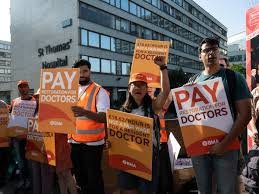 Wes Streeting Accuses Doctors of Torpedoing Pay Deal
 NHS Safety Fears as Nurses Cover Doctor Gaps
 The Race for Radical Change in Westminster
 Labour MP Revives Blocked Assisted Dying Bill in Commons
 Green Party Surges Past Labour in Latest UK Poll
 Trump’s UK Ambassador Urges North Sea Drilling to Strengthen US Ties
 French Taxi Driver Cleared in David Lammy Theft Case After Fare Dispute
 Patients to Test Health at Home to Ease NHS Winter Pressure
 Millionaires group urge Reeves to introduce wealth tax to ‘lift kids out of poverty’
 Starmer Faces Growing Dissent as Labour MPs Weigh Leadership Challenge
 Shouting Works Best to Deter Gulls, UK Study Finds
 PM Condemns Leaks, Vows Loyalty to Ministers and Stability
 Major Rent Reform Ends No-Fault Evictions in England
 Senator John Fetterman Hospitalized After Fall from Heart Flare-Up, Keeps Sense of Humor
 Stroke Patient Mistaken for Drunk, Care Delayed
 ‘Traumatic Wait’: Northern Ireland Women Face Breast Cancer Delays
 Most Tories Expect to Support a Farage-Led Government
 Five-Year-Old Dies After Rare Tonsil Surgery Complication
 Starmer Says Labour’s Economic Plan Needs Years to Deliver
 More Patients Now Contacting GPs Online, Data Shows
 UK Enforces Junk Food Ad Ban Before 9pm
 Labour Blocks Burnham as Party Rift Deepens Ahead of Polls
 Artificial intelligence will cost jobs, admits Liz Kendall
 Mandelson Faces Police Inquiry Over Epstein Leak
 Streeting moves on doctor pay to end strike dispute
 UK reports baby formula toxin poisoning cases across the country
 Morgan McSweeney downfall shocks Labour leadership
 Farage Unveils Reform UK Frontbench Team
 Placenta Accreta Warning as Hunt Urges Action
 Wales Approves Assisted Dying Bill Consent
 UK EU Trade Reset Gains Public Backing
 Corbyn Leads Your Party in Coordinated Left-Flank Strategy
 Asylum Seekers to Work After Year-Long Wait
 Starmer Row as Greens Demand Apology
 Proposed Law Leaves Gap for Children of Convicted Paedophiles
 New Zealand Covid Response Praised Despite Lingering Scars
 Gordon Brown urges court for crimes against children
 Inquiry into HMRC child benefit errors launched by NAO
 Farage Faces Backlash Over Crypto Cameo Endorsements
 Palantir Boss Defends NHS Deal Amid Government Break Clause
 Relationship with Trump may be beyond repair, Starmer warned
 UK Government Poised to Revive Stalled Hillsborough Law
 Crisis in NHS Surgery Scheduling Hits Patients Hard
 UK Stands Firm on Falklands Amid US Rift
 Welsh Labour Faces Potential Historic Election Defeat
 New AI Tool To Target Obesity Risk And Transform NHS Care
 Silent Tracks: Rail Line Without Passengers
 Major test for Labour as polls open in Great Britain
 Barrister Criticises Trial After Suicide Case Verdict
 Wes Streeting faces narrow road to Labour members’ favour
 Reform UK Faces Crisis as Newly Elected Councillors Resign
 Keir Starmer Struggles to Secure His Grip on Downing Street
 Farage Faces Standards Probe Over Cash Property Purchase
 Green Party Makerfield Candidate Resigns Over Posts
 Record Spending Highlights Growing Crisis In National Health Service
 Secret Role of UK Security Services in Troubles Amnesty Law
 Starmer Leadership Under Pressure After Setbacks
 The Hidden Crisis Eroding Trust in British Communities
 Deepfake Abuse on X Sparks Safety Concerns for Dissidents
 Clean Air Initiatives Spark Major Fall in London Hospital Admissions
 UK Ministers Lobby Trump Over Under-16s Social Media Ban
 Starmer Resolves to Fight Burnham in Leadership Battle
 NHS Urges Investigation For Irregular Periods
 Hollie Ridley to Step Down as Labour General Secretary
 Jarvis Urges Burnham to Secure 3.5% Defence Spending
 Farage Warns Sky News Following Financial Inquiry
 Reform UK Finances Face Deep NCA Probe
 Ann Widdecombe, Formidable Political Figure, Dies at 78
 UK Schools Struggle as Classrooms Top 40C