Published: 19 May 2026. The English Chronicle Desk. The English Chronicle Online
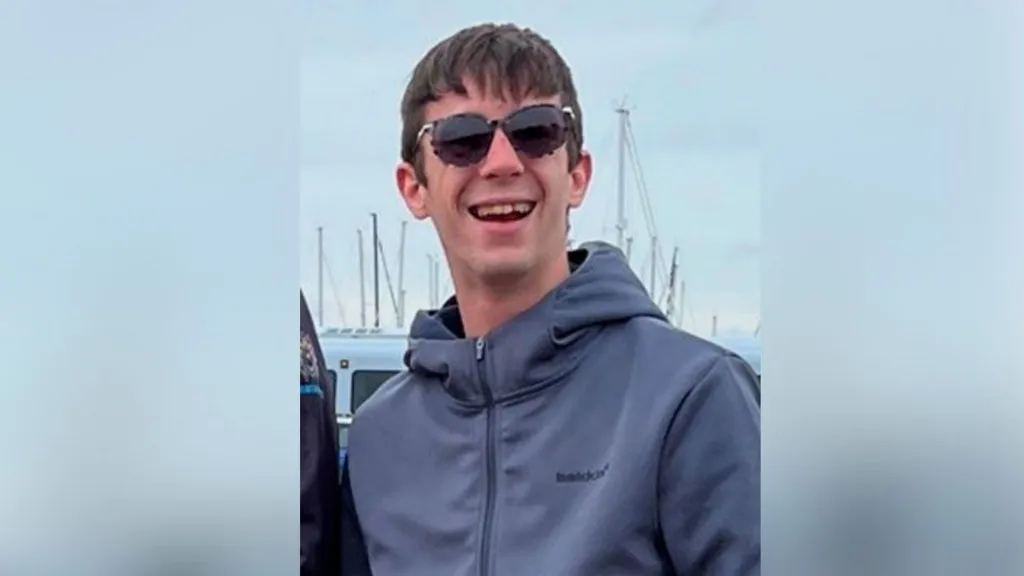
In a harrowing “asymmetric” dispatch that has sparked intense diplomatic friction between London and Kyiv, a former British Army soldier who survived brutal Russian captivity has broken his “clinical silence” to declare he feels utterly abandoned by his own government. James “Jay” Moore, 31, an infantry veteran who traveled to Ukraine in 2022 to fight with the International Legion, is currently living under a state of de facto house arrest in the Russian-occupied city of Donetsk. Despite his official release from a severe penal colony in early 2025 as part of a high-profile prisoner exchange, Moore claims a catastrophic bureaucratic “bottleneck” and an apparent “accountability rot” within the British Foreign, Commonwealth & Development Office (FCDO) have left him trapped behind enemy lines without a valid passport, funds, or any legal mechanism to escape back to the United Kingdom.

Speaking via an encrypted, heavily compromised satellite connection from an undisclosed apartment in the Donbas, Moore described his ongoing existence as an absolute psychological nightmare, highlighting a deep “resilience deficit” in how the UK protects its citizens abroad. “I bled for the defense of Europe, survived starvation and mock executions in a Russian hole, and now my own government treats me like a radioactive inconvenience,” Moore stated with visible, “speechless determination.” He alleges that despite sending dozens of frantic distress signals to the British Embassy in Kyiv and the FCDO helpline, he has been met with a wall of “clinical silence,” leaving him vulnerable to immediate re-arrest by Russian occupation authorities or local proxy militias who view him as a high-value mercenary.
The “nasty” reality of Moore’s predicament traces back to his capture during the brutal, block-by-block siege of Sievierodonetsk in the summer of 2022. Convicted by a kangaroo court in the self-proclaimed Donetsk People’s Republic (DPR) as an illegal mercenary, Moore was initially sentenced to death before being transferred to a maximum-security prison inside the Russian Federation. For nearly three years, his family in Liverpool campaigned relentlessly, marking a major “milestone” when his name was included in an April 2025 cross-border prisoner swap mediated by Saudi Arabia. However, instead of being safely repatriated to Western Europe alongside his Ukrainian comrades, Moore was “clinically” released into a legal gray zone—dumped at a checkpoint in occupied Donetsk with nothing but his discharge papers, as Russian forces had permanently confiscated his British passport and personal military identification during his initial interrogation.
Since that moment, Moore’s life has moved at a “160 MPH clip” toward complete isolation, as he lacks the basic identification documents required to clear the heavily fortified Russian military checkpoints blocking the path to government-controlled Ukrainian territory. Independent human rights monitors note that attempting to cross the active frontline in Zaporizhzhia or Kharkiv without official state clearance is a suicide mission, yet the British government’s refusal to issue an emergency travel document or coordinate a safe diplomatic corridor has effectively sealed his fate. “They told me to walk to a neutral consulate in Georgia or Kazakhstan,” Moore revealed, lambasting the advice as a “nasty,” out-of-touch insult given that traveling to a border would require him to cross thousands of miles of hostile Russian territory where his face is actively flagged on federal database networks.
The FCDO has consistently maintained a strict “national security” protocol regarding British nationals who voluntarily traveled to fight in Ukraine, a stance that critics argue has created a punitive double standard for veterans like Moore. Official travel advice to Ukraine remains an absolute, red-level “Do Not Travel,” and ministers have repeatedly warned that British citizens who engage in foreign conflicts do so entirely at their own physical and legal risk. In an official correspondence reviewed by investigative journalists, an FCDO representative stated that while they are technically providing “indirect consular guidance” through third-party humanitarian groups, the lack of a physical British diplomatic presence inside Russian-occupied territories creates an insurmountable “bottleneck” that prevents active extraction operations. This bureaucratic shield has drawn fierce condemnation from Moore’s former commanders, who argue that the UK is setting a dangerous precedent by abandoning its veteran community to hostile foreign powers.

This perceived betrayal arrives at a deeply sensitive time for the British military establishment, which is already grappling with systemic recruitment issues and a broader conversation regarding its duty of care to former service personnel. Human rights lawyers representing Moore’s family argue that “justice has no expiry date” and that the government’s current stance violates its “sacred” consular obligations to citizens facing immediate threat to life. As public spaces like the Southbank Centre celebrate 75 years of postwar British cultural identity built on the rule of law, Moore’s ongoing captivity serves as a stark, “asymmetric” reminder of the geopolitical debris left behind by the war in Eastern Europe. For the former soldier waiting in the dark corners of Donetsk, every passing day under Russian surveillance reduces his chances of survival, transforming his once-proud sacrifice into a forgotten footnote of a brutal, unyielding conflict.
Related News:
 ‘Anyone who runs is shot’: Russian soldiers describe killings of troops who refuse orders
 Middle East crisis live: Supreme leader ‘safe’, Iran and Israel escalate conflict
 Anti-Regime Iranians Turn Anger Toward Trump
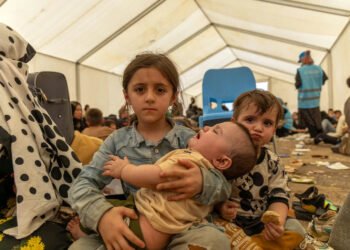 Death, displacement and military duties: children plunged into crisis
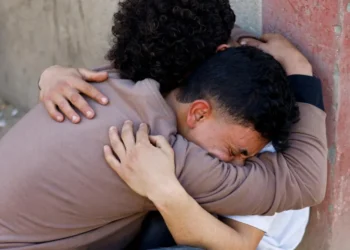 Ten Dead as Israeli Strikes and Internal Clashes Rock Gaza
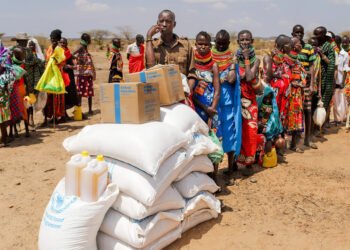 Aid Crisis Grows as Hormuz War Disrupts Supply
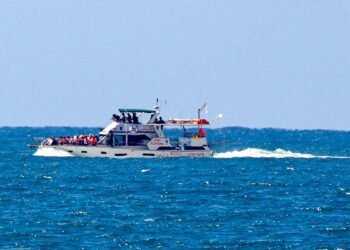 Activists allege abuse after Gaza flotilla seizure
 “A Ten-Minute Eternity”: The Morning Lebanon’s Horizon Turned to Ash
 Trump Announces 3-Day Russia–Ukraine Ceasefire Deal
 “Double Trauma”: Iranian Activist Tells BBC How Fear of War Intensifies the ‘National Security’ Weight of Repression
 Sexually Explicit Letters Target Hong Kong Exiles in UK, Australia
 Britain Demands Israel Reverse Ban on Aid Groups
 Grief, Fear and Fury: Mothers Unite to End Israeli-Palestinian Violence
 Iran Leader Blames Protesters, Says They Serve Trump
 Emails Show Epstein Funded Mandelson’s Husband After Jail
 ‘I Would Scream in My Sleep’: Alawite Women from Syria Tell of Kidnap and Rape
 Ukraine Negotiator Reveals What It Feels Like Facing Russia
 Mandelson Arrested Amid Political Turmoil as Ukraine Marks Four Years of Conflict
 Russian Troops Executed by Commanders, Soldiers Tell BBC
 Ukraine war briefing: Why Ukraine remains defiant and does not feel close to defeat
 Ukraine remembers its dead as war enters a fifth year
 ‘Fear Is Everywhere’: Reports From Mexican City Turned Into War Zone by Drug Cartel Feud
 Orbán Accuses Ukraine of Disrupting Oil Supplies to Hungary
 Iran’s Regime Still Intact — Coming Days Will Test Its Survival
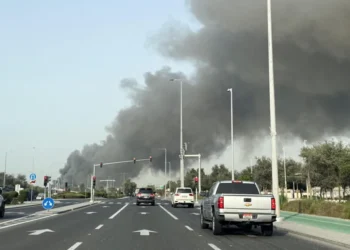 Allies of US in the Gulf Bear Brunt of Iran Attacks
 Hopes and Fears as US Iranians Take to Streets After Toppling of Supreme Leader
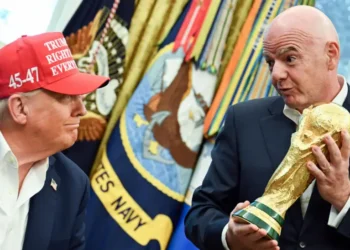 Iran, the US, and a World Cup That Starts in Three Months
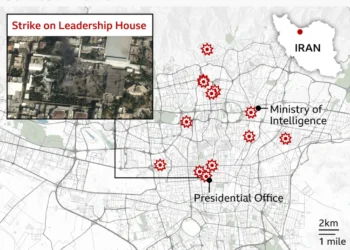 In Maps: Strikes Across Iran and the Middle East
 Months of Planning Behind US‑Israeli Mission to Target Iran’s Supreme Leader
 UK Will Allow US to Use Bases to Strike Iranian Missile Sites, PM Says
 Cooper: Joining US Strikes on Iran ‘Not in Britain’s Interest’
 What Khamenei’s Death Means for Russia and China
 Tehran Makes New Threat to Gulf Shipping as US Says ‘Hardest Hits’ on Iran ‘Yet to Come’
 Did Trump Declare War and Did Congress Approve Iran Attacks? What to Know
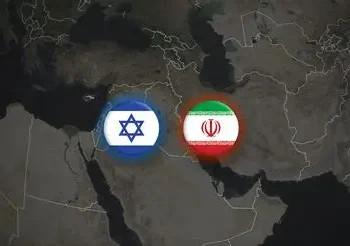 The Third Day of the US‑Israeli War With Iran
 Why the US and Israel attacked Iran
 Israel Launches Fresh Strikes on Tehran & Beirut; US Warns “Hardest Hits” Ahead
 Three Days In, This War’s End Is Still Unclear
 US Has ‘Enough Weapons for Forever War,’ Trump Says
 At Least 169 Killed in South Sudan ‘Surprise’ Attack
 Israel’s New Airstrikes on Tehran & Beirut After US Embassy in Riyadh Is Hit
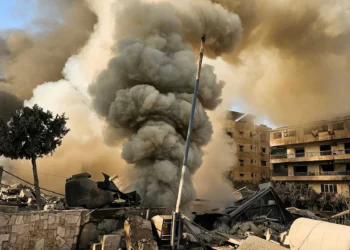 Israel Launches Ground Invasion of Lebanon Amid Widening Middle East War
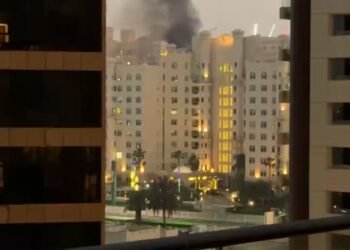 Iranian Rockets Are Testing the Resolve of Dubai’s Instagram Stars
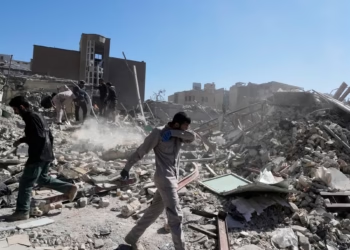 US Embassy in Riyadh Hit by Iranian Drones as Israeli Troops Enter Southern Lebanon
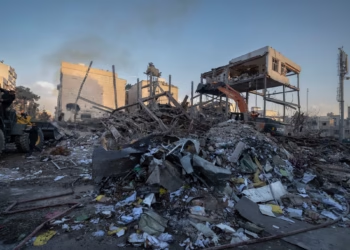 Civilian Deaths in Iran Pass 700 Amid Fear of Bombs and Regime Clampdown
 US Senate Backs Trump War Powers Amid Iran Missile Barrage
 Russia Blames Ukrainian Naval Drones as Tanker Sinks
 US Submarine Sinks Iranian Warship in Indian Ocean, Hegseth Says
 Dirty Laundry and Chocolate Bars: How Venezuelan Prisoners Smuggled Messages Out of Jail
 ‘Every Day Feels Like a Month’: Iranians Describe Life Under ‘Constant’ US‑Israeli Strikes
 How Depleted Weapons Stockpiles Could Affect the Iran Conflict
 Azerbaijan Promises Retaliation After Iranian Drone Hits Airport
 UK Prepares Aircraft Carrier for Middle East Crisis
 Australia Urged to Shield Iranian Team After Anthem Protest
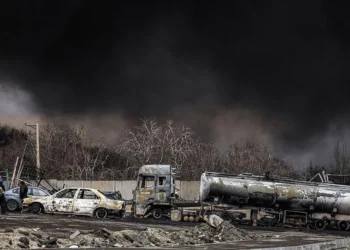 Nine Days of Strikes Reshape the Middle East
 China Moves to Enshrine ‘Ethnic Unity’ Law
 Istanbul Mayor Faces Corruption Trial Amid Political Storm
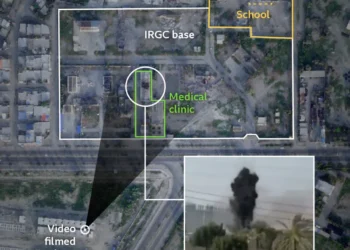 Video Analysis Suggests US Missile Hit Base Near Iran School
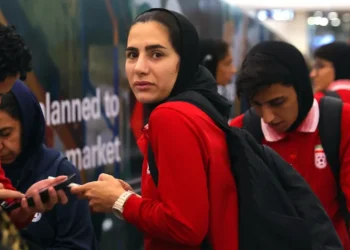 Iranian Footballers Escape Team Hotel to Seek Asylum
 Iran Women Footballers Seek Asylum After Anthem Protest
 Ukraine War Becomes Flashpoint in Hungarian Election
 Trump’s Call for an Iran Uprising Draws Historical Warning Over Iraq 1991
 China Approves ‘Ethnic Unity’ Law Requiring Minorities to Learn Mandarin
 Trump’s Confidence Undimmed — But Every Iran Option Carries Risk
 Dozens Killed After Afghanistan Rehab Centre Struck
 “I Haven’t Slept for Days”: Iranians Describe Mounting Desperation After a Month of War
 ICE Detains Soldier’s Bride Days After Louisiana Wedding
 Freedom for a Fallen Hero? Roberts-Smith Granted Bail in War Crimes Case
 The 10-Day Window: Israel-Lebanon Ceasefire Holds as Trump Teases Iran ‘Mega-Deal’
 Ukraine Urges UK to Seize Russian Oil Tankers
 “An Endurance Test for the Mind”: British Couple Sentenced to 10 Years in Tehran
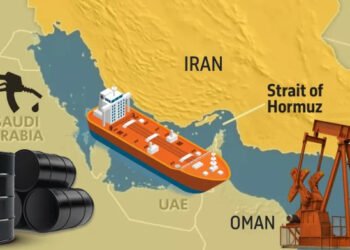 Middle East Crisis Escalates as Oil Routes Shake Markets
 Three Australian Women Detained Over Islamic State Links
 “The Trading Bonanza”: Shell Profits Soar to $6.9 Billion Amid Iran War ‘Volatility’
 “The Peace Dividend”: Oil Prices Plunge and Global Stocks Surge on Reports of Iran Ceasefire Deal
 “Blood and Granite”: Pyongyang Unveils ‘Milestone’ Memorial as Death Toll for North Korean Troops in Russia is Revealed
 “The Desecrated Grave”: West Bank Settlers Force Palestinian Family to Exhume Father’s Body
 “Hold Off”: Trump Pauses ‘Scheduled’ Strike After 11th-Hour Appeal From Gulf Allies
 “The Reality Reckoning”: Government Demands Accountability as Channel 4 Pulls Married at First Sight UK Over Grave Sexual Assault Allegations
 “I’ve Been Cheated”: Andrew Malkinson Lambasts the ‘Accountability Rot’ of the British Justice System Following True Perpetrator’s Conviction