Published: 21 May 2026. The English Chronicle Desk. The English Chronicle Online.
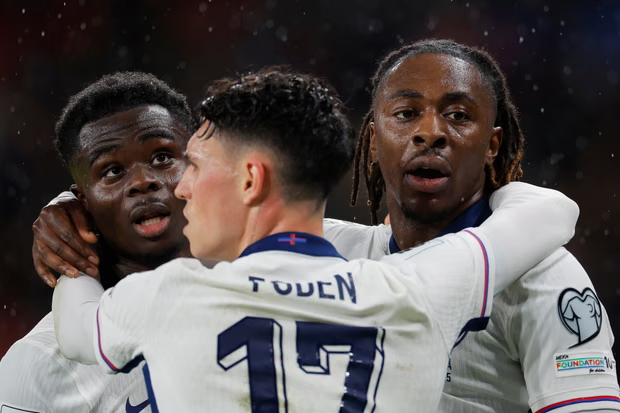
The landscape of international football is preparing for a massive structural revolution. European football’s governing body has officially approved a dramatic overhaul of tournament qualifying. This sweeping change will completely transform how nations reach major men’s international competitions. The traditional group stages that fans have known for decades will soon disappear. This ambitious reform aims to eliminate predictably one-sided matches against smaller footballing nations. Supporters will no longer witness elite teams easily defeating micro-states in qualifying. Football enthusiasts frequently complained about the predictable nature of modern international break schedules. The exciting new system promises to deliver highly competitive fixtures across the continent. This decision marks a significant shift in Uefa’s long-term sporting strategy.
The groundbreaking format was approved by the executive committee during their Istanbul summit. This vital meeting addressed growing concerns about the stagnation of international football windows. The new structure will officially take effect following the conclusion of Euro 2028. The entire qualification hierarchy will be determined by recent Nations League rankings. This sophisticated ranking approach ensures that teams face opponents of highly similar abilities. The system also integrates innovative elements from the modern club football Swiss model. Teams will effectively compete within much larger, more dynamic collective group structures. This architectural shift mirrors recent updates implemented across prestigious European club competitions. The revamped framework represents a bold step toward modernising the international game.

Under the new regulations, League 1 will comprise three groups of twelve teams. This premier tier will feature Europe’s thirty-six strongest and highest-ranked national teams. The lower eighteen nations will be placed into the secondary League 2 tier. This lower tier could expand to nineteen teams if Russia is reinstated. League 2 will feature three groups of six or a diverse variation. These smaller groups will consist of either six or seven competing nations. Every single country will play exactly six matches during the group phase. This schedule guarantees three highly anticipated home fixtures and three away fixtures. The fixtures will be drawn from three carefully balanced pots based on rankings. This precise distribution ensures a fair and balanced schedule for every participant.
The direct qualification process for major tournaments will change under this system. A specific number of top teams from League 1 will qualify directly. The exact number of automatic qualifiers will depend on the specific tournament. A comprehensive playoff competition will then accommodate teams that fell just short. This secondary playoff system will also include a designated number from League 2. These complex tournament allocations will fluctuate based on the specific finals event. European Championships historically feature twenty-four teams competing for the ultimate continental trophy. Meanwhile, European nations currently vie for sixteen coveted spots at World Cups. Host nations of European tournaments will continue to receive automatic entry slots. However, these host nations are still expected to participate in qualifying.
This qualification revamp heavily mimics a concurrently modernised version of the Nations League. The Nations League will soon consolidate into three comprehensive tiers of eighteen teams. These tiers will be designated as League A, League B, and League C. This represents a significant streamline from the previous four-league tournament format. These restructured leagues will be divided into competitive groups of six teams. Each country will play six intense matches against five different group opponents. One of those opponents will be played on a home and away basis. A League C group would expand to seven teams if Russia returns. Crucially, the subsequent knockout stages of the competition will remain completely unaltered.
The connection between the two revamped competitions is designed to be seamless. The thirty-six teams in League A and League B form League 1. These elite nations will comprise the primary tier for World Cup qualifying. Consequently, League 2 of the qualifiers will directly mirror League C. This alignment creates a cohesive narrative across the entire international football calendar. Uefa president Aleksander Ceferin strongly defended these sweeping changes after the meeting. He stated that the new formats will significantly improve overall competitive balance. The president emphasized that the changes will greatly reduce meaningless dead matches. He believes the new system offers an appealing, dynamic competition to fans. Ceferin also guaranteed a fair qualification chance for every participating country. Crucially, this transformation will not add extra dates to the calendar.
The pressure to modernise the current system came from several powerful areas. Leading football countries and major television broadcasters heavily pushed for these sweeping updates. The previous system was widely regarded by experts as having gone stale. Heavyweight nations like England routinely cantered through their qualification groups without difficulty. These predictable campaigns often struggled to capture the imagination of modern football fans. Television companies welcome more high-stakes matches between Europe’s traditional footballing superpowers. The continent’s football associations discussed various proposals before settling on this plan. They spent last month debating several alternative structures for the international calendar. This final agreement represents a compromise that satisfies the most powerful stakeholders.

However, the dramatic changes may not receive universal praise across the continent. Some smaller footballing nations are likely to feel aggrieved by this decision. The near guarantee of hosting lucrative, big-ticket fixtures has been effectively removed. Minnow nations frequently relied on hosting massive countries to generate vital revenue. Fixtures against teams like Germany or Italy provided essential funding for grassroots development. These historic matches also provided unforgettable memories for local fans and players. Under the new system, these romantic David versus Goliath matchups will disappear. Smaller nations will now primary play against countries of a similar standard. While this creates closer matches, it reduces the glamour of international breaks.
The highly anticipated, new-look Nations League will officially commence in the 2028-29 season. This tournament will act as the grand testing ground for the format. Football fans worldwide will watch the implementation of these rules with fascination. Final approval for the entire framework is expected at the next meeting. The Uefa executive committee will gather next in the city of Thessaloniki. This crucial confirmation meeting is scheduled to take place on 15 September. Officials expect the final vote to be a formality after this agreement. The era of predictable international qualification matches is officially drawing to a close. Supporters can look forward to a future filled with high-stakes European football.
Related News:
 British skier killed in La Plagne avalanche tragedy
 China embassy London approval expected this week
 UK Presses On With Chagos Handover Despite Trump Criticism
 Shinzo Abe’s killer receives life sentence in Japan
 Sydney Protest Pepper Spray Clash During Herzog Visit
 UK Experts Raise Alarm Over Machinery Export to Armenian Firm
 UK suspends study visas for four nations to curb asylum
 DHS Probe Into Border Official Sparks National Debate
 Jordanian Arrested in Philippines Over Bondi Beach Terror Links
 Caffè Nero Warns Coffee Prices May Rise Again
 Ukraine war briefing: Zelenskyy offers help to Saudi Crown prince on combatting Iranian drones
 HMS Dragon to Head to Cyprus Amid Rising Tensions
 Starmer Praised for Stance on Trump and Iran Conflict
 Yvette Cooper: UK Must Follow Principles, Not US Pressure
 Inside the Deceptive Machine: A Former Producer Speaks Out
 Trump Facing Backlash Over Firing of Cabinet Women
 Trump Mocks Starmer and UK Carriers in White House Speech
 Gaza Child Arrives in UK for Life-Changing Care
 Melania Trump Denies Ties to Epstein and Ghislaine Maxwell
 Middle East Conflict Risks UK Food Supply Chains This Summer
 Arrests Made After Wembley Firebombing Attempt
 Trump Starts $166bn Tariff Refund Process
 Prominent Voices Challenge Palestine Action Ban
 UK Urged to Adopt ‘Trade Bazooka’ Against Tariff Threats
 BP Profits Surge Amidst Middle East Conflict Crisis
 Aukus Submarine Plan Faces Critical Failures
 World Cup Ticket Price Surge Leaves Many National Teams Stunned
 Fear and Betrayal: The Chilling Case of Kouri Richins
 Tragedy in the Maldives: Inside the Deep Sea Rescue
 US Ebola Case Sparks Urgent Global Screening Measures
 Washington Embassy Shake-Up as Senior Diplomat Departs
 UK Urged to Build EU Rejoin Consensus, Says Miliband
 Teaching Machines Right From Wrong in the Digital Age
 Steel Tensions Rise Between United Kingdom and European Union
 US Condemns ‘Two-Tier’ UK Policing After Student Murder
 US Slams ‘Two-Tier’ UK Policing After Nowak Murder
 Millions in British Charity Funds Linked to Illegal Settlements
 Captain in the Spotlight: The Future of England Cricket
 One Year On: Air India Crash Survivor Demands Answers
 Tragedy in Pakistan Sparks Fury
 Russian Tanker Captain Remanded in UK Court After Channel Seizure
 Controversial London Property Show Sparks Legal Fury
 Kremlin-Backed Saboteurs Target UK Capital and State Democracy
 What Burnham in Number 10 Means for the Future of Britain
 AI Lawyer Triumphs in Landmark English Court Victory
 Scouts Introduce Badges For AI And Digital Skills
 Morocco Beat Dutch in Wild World Cup Penalty Drama
 EU Slashes Steel Quotas But Grants UK Favourable Rates
 Jamaica Demands Slavery Reparations From King Charles
 The Last Stand of English Cricket’s Greatest Partners
 UK Charity Funds Illegal Hebron Settlement Expansion
 Heartbreak After Surrogacy Sperm Mix-Up
 Fatal Bolton Taxi Crash Claims Three Teens and Driver
 Friedman Uninvited From 2024 Adelaide Writers’ Week
 ScottishPower Tops List of Worst UK Energy Suppliers
 Judi Dench Champions Fight to Save London’s Green Spaces
 Crowborough Camp Welcomes First Asylum Seekers
 BBC Funding Crisis: Tim Davie Warns of Jeopardy Ahead
 Artificial intelligence will cost jobs, admits Liz Kendall
 Older Women Vanish from BBC Screens, Review Confirms Bias
 Streeting moves on doctor pay to end strike dispute
 Send spending gap leaves deprived areas behind
 Hidden Crisis: Domestic Abuse Suicide Toll in UK
 UK Unemployment Rate Climbs to 5.2% Peak
 BBC World Cup Presenting Duties Shared Among Trio
 Wales Approves Assisted Dying Bill Consent
 CPS Updates Guidance on Honour-Based and Dowry Abuse
 Asylum Seekers to Work After Year-Long Wait
 New Zealand Covid Response Praised Despite Lingering Scars
 Inquiry into HMRC child benefit errors launched by NAO
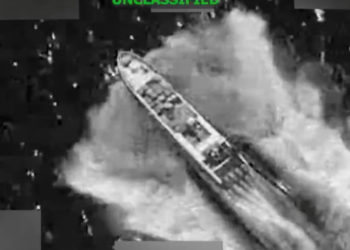 US Military Pacific Boat Strike Kills Three People
 UK Care Crisis: Row Explodes Over New Visa Settlement Rules
 Sainsbury’s Boss Optimistic As Grocery Inflation Eases
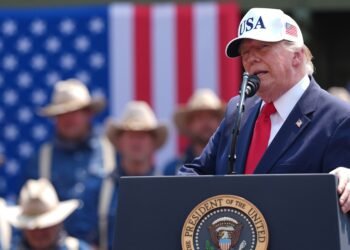 Trump’s Mount Rushmore Speech: A Divisive Anniversary
 US Airman Avoids British Court in Indecent Exposure Case
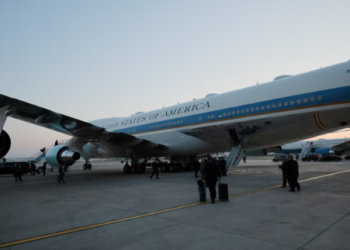 Trump Swaps Planes Amid Iran Tensions
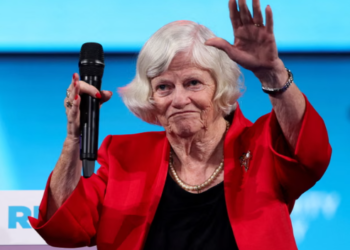 Ann Widdecombe, Formidable Political Figure, Dies at 78
 UK Schools Struggle as Classrooms Top 40C
 Yemen Accuses Iran of Violating National Sovereignty
 Houthis Strike Saudi Arabia as Middle East Tensions Rise