Published: 03 June 2026. The English Chronicle Desk. The English Chronicle Online.
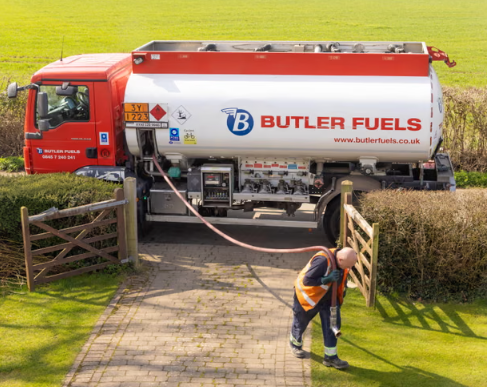
The intricate connection between global geopolitics and local British infrastructure has never felt more direct or immediate. A recent and thorough evaluation from the Organisation for Economic Co-operation and Development has introduced significant caution. British rural communities now face a distinct and looming threat concerning their regional transport fuel security. If the intense conflict in Iran continues to expand, localized diesel shortages will likely emerge. These supply disruptions threaten to restrict essential daily movement across the British countryside quite severely. Farmers, local logistics firms, and distant residents remain uniquely vulnerable to these developing distribution challenges. The modern rural economy relies almost entirely on the consistent and affordable availability of diesel fuel. Without it, standard agricultural production and regional supply chains could quickly grind to a stressful halt.
Meanwhile, national macroeconomic data presents a slightly more nuanced and complex picture for the country. The international organization recently modified its short-term economic growth forecast for the United Kingdom upward. Analysts now project a modest gross domestic product expansion of nearly one percent this year. This latest figure represents a mild improvement from the gloomier spring projections published in March. Increased government spending has successfully offered essential stability to the domestic market during recent months. This state funding continues to insulate the broader economy from immediate global market shocks. However, this temporary shield may not endure if international energy markets remain deeply unstable. Long-term economic resilience requires more than short-term public capital injections to sustain real growth.
Looking further ahead into next year, the broader British economic outlook appears noticeably weaker. The organization revised its subsequent annual growth forecast downward to just over one percent today. This new projection replaces an earlier and far more optimistic estimate of over one percent. Ongoing international friction continues to suppress productive output and consumer confidence on a global scale. The prolonged conflict in the Middle East behaves as a regressive tax on international productivity. High energy costs inevitably drain vital resources away from domestic innovation and consumer spending power. Businesses are understandably hesitating to commit to large capital investments during such volatile times. This collective caution naturally slows the broader pace of national economic recovery across Britain.
The latest economic outlook document explicitly details the specific dangers threatening the British market. Beyond the immediate threat to rural motorists, other critical fuel sectors face identical pressure. Aviation fuel reserves have dropped significantly lower, creating operational hazards for vital trading sectors. The high-value pharmaceutical industry depends heavily on rapid air freight to transport delicate medical supplies. Furthermore, the British tourism sector could suffer if international flights face sudden fuel restrictions. A lack of specialized aviation fuel threatens both export commerce and domestic holiday hospitality. These supply chain vulnerabilities highlight how deeply dependent modern British industries remain on foreign energy. Any prolonged blockage in primary trade routes creates immediate ripples across domestic high-tech manufacturing.
In response to these mounting pressures, the British government has attempted to intervene strategically. Chancellor Rachel Reeves recently implemented targeted support mechanisms for vulnerable households across rural regions. These specific families rely heavily on domestic heating oil to warm their homes each winter. The price of specialized heating fuel escalated rapidly following the initial outbreak of regional violence. While this targeted financial assistance offers temporary relief, structural energy vulnerabilities still remain unaddressed. Observers note that subsidizing high costs does not solve the underlying issue of resource scarcity. Government intervention can only alleviate financial pain for a limited period before funds deplete. True energy security will require much deeper infrastructural adjustments and diversified supply routes.
Public scrutiny regarding official energy policy has intensified significantly over the past few weeks. Government ministers face substantial criticism for failing to enforce planned sanctions against specific fuel products. These controversial imports involve aviation fuel refined directly from various disputed Russian crude oil sources. Critics argue that bureaucratic hesitation undermines the moral authority of British foreign policy objectives. However, officials must constantly balance international geopolitical consistency against immediate domestic energy requirements. Implementing strict bans during an active fuel crisis could trigger severe national shortages. This delicate policy dilemma demonstrates the immense difficulty of managing national security during warfare. Every diplomatic decision carries an immediate and measurable cost for regular British consumers.
Furthermore, British agricultural sectors are navigating another severe challenge stemming directly from this conflict. The ongoing hostilities have driven global fertilizer manufacturing costs up to historic record highs. These inflated production expenses will inevitably translate into noticeably higher shelf prices for everyday groceries. British households already struggling with general living costs must prepare for further food inflation. Agriculture requires immense chemical inputs, which remain tied directly to natural gas market prices. When energy markets spike, the cost of cultivating essential food crops rises symmetrically. This dangerous dynamic threatens to worsen food insecurity for the most vulnerable domestic demographics. The entire food supply network looks increasingly fragile under these compounding international pressures.
Despite these varied inflationary pressures, experts offer a glimmer of hope regarding monetary policy. The international agency predicts that national inflation will average nearly four percent throughout this year. Price pressures should peak during the third quarter before declining gradually toward next year. Crucially, analysts do not expect the Bank of England to raise interest rates further. The domestic labor market has cooled sufficiently, which effectively limits aggressive wage growth demands. Because workers possess less leverage to demand higher pay, an inflationary spiral remains unlikely. This cooling trend should allow policymakers to maintain a more stable monetary stance. The absence of further rate hikes will provide immense relief to millions of homeowners.
Central bankers appear prepared to tolerate this temporary surge in imported energy cost inflation. Policymakers view these current price increases as a transitory shock rather than a permanent shift. The growing slack within the domestic jobs market should naturally suppress internal inflationary pressures over time. Consequently, the institution might actually implement a minor interest rate reduction in the near future. Financial markets currently anticipate higher borrowing costs, but official guidance suggests a different path. Bank of England Governor Andrew Bailey recently emphasized the wisdom of patience during economic uncertainty. He indicated that supporting the real economy outweighs the immediate need for aggressive inflation targets. Tolerating short-term price rises helps shield businesses from sudden and destructive monetary tightening.
Responding directly to the comprehensive report, Chancellor Rachel Reeves acknowledged the immense global difficulties. She emphasized that the Middle Eastern conflict represents a profound challenge to international economic stability. Nevertheless, she highlighted the improved growth and lower inflation figures as evidence of structural resilience. The Chancellor insisted that the current administration possesses the correct long-term economic strategy. She firmly argued that changing the national policy direction now would jeopardize hard-won progress. Abandoning current fiscal plans would ultimately force British families and businesses to pay the price. The coming months will undoubtedly test this political resolve as energy supplies tighten.
Related News:
 Reeves Faces Setback as Labour May Miss Homes Target
 Trump’s UK Ambassador Urges North Sea Drilling to Strengthen US Ties
 ABF May Split Primark from Food Division Amid Tough Market
 UPS Cargo Plane Crash in Kentucky Kills Seven
 M&S Profits More Than Halve After Cyber-Attack
 Tony Blair think tank warns Rachel Reeves must cut taxes if manifesto broken
 Oprah enjoys Meghan’s jam on English muffins
 Millionaires group urge Reeves to introduce wealth tax to ‘lift kids out of poverty’
 UK toy market enjoys bumper year as ‘kidults’ fuel demand
 Global markets drop amid tech sell-off and China slowdown
 PM Highlights UK Business at G20 in South Africa
 Mossmorran Plant Closure Hits Cowdenbeath Hard
 UK Taskforce Unveils Plan to Streamline Nuclear Reactor Rules
 Steel billionaire Lakshmi Mittal reportedly leaves UK
 Starmer Says Labour’s Economic Plan Needs Years to Deliver
 Virgin Media Fined £23.8m Over Telecare Safety Failures
 Rising Water Bills Lift Troubled Thames Back to Profit
 Sainsbury’s CEO leads business honours in New Year list
 Starmer Faces Parliamentary Battles Over UK-EU ‘Reset’ Plan
 Phoenixism Costs UK Taxpayers Millions in Recruitment Sector
 ScottishPower Tops List of Worst UK Energy Suppliers
 City & Guilds pay surge sparks backlash amid £22m cuts
 UK Government Borrowing Drops to £11.6bn in December
 AI job losses UK: Britain faces sharper employment shock
 Most young adults in UK fear uncertain jobs and economic future
 Royal Mail delivery delays affect 16 million during Christmas
 UK Housing Market Shows Early Recovery Signs
 UK economy struggles as growth stalls at 0.1% in late 2025
 Bank of England Urged to Cut Rates to Spur Growth
 UK Unemployment Rate Climbs to 5.2% Peak
 UK shelves £110m border project amid trade strain
 UK Inflation Surprise Sparks Early Rate Cut Hopes
 Progress on gender equality at top UK firms ‘achingly slow’
 Reeves Must Back Defence Plan or Face Dismissal, Says Unite Chief
 Switching Energy Deal Can Save £200 as Price Cap Falls
 OBR Reform Row Deepens Before Spring Forecast
 UK Hotel Data Sharing Probe Shakes Global Chains
 Rachel Reeves Faces Middle East Conflict Test
 Grocery Inflation Rises Amid War Fears
 Peak Greggs fears as profits tumble sharply
 BrewDog sold Highland estate for knockdown price after abandoning reforestation plans
 Yorkshire Water Funding Sparks Debate Amid Fines and Pay Row
 New £10bn rescue plan offered for Thames Water
 UK Energy Reform Could Cut Bills by £200
 Rising Costs Force Families to Rethink Days Out
 Hospitality Sector Teeters on Brink as Costs Surge
 Iceland Boss Offers Role to Sacked Waitrose Employee
 Student Loan Interest May Rise Despite 6% Cap
 Aegon Sells Historic UK Arm to Standard Life for £2bn
 Major Housebuilder Cuts Land Buying Amid Global Unrest
 UK Staycations Rise as Travel Fears Grow
 City & Guilds Sale Sparks Fees and Pay Uproar
 Silent Tracks: Rail Line Without Passengers
 Heathrow Chair Seeks Peace to Save Third Runway
Carillion Executives Banned After Reckless Misconduct
Heathrow Chair Seeks Peace to Save Third Runway
Carillion Executives Banned After Reckless Misconduct
 Lotus Boss Pledges Future to Norfolk and Seeks State Support
 Millionaires Back Higher Taxes to Save UK Public Services
 UK Firms Freeze Spending as Iran Conflict Bites
 Summer Shock: British Energy Bills Set for Grim July Hike
 Reeves to Fast-Track Clean Energy Amid Iran Crisis
 M&S Boss Slates Food Price Caps as ‘Preposterous’
 Tube Strike Brings Capital to a Standstill Over Shift Disputes
 Tube Strike Brings Capital to a Standstill Over Shift Disputes
 BP Stands Firm on Amanda Blanc Amid Boardroom Storm
 Steel Tensions Rise Between United Kingdom and European Union
 UK House Prices Drop For Third Month Due To War Fears
 Top Chefs Back Andy Burnham to Save UK Hospitality Sector
 UK Steel Crisis: Jingye Demands Payout After Takeover
 Flutter to Cancel London Stock Exchange Share Listing
 AI Scams Push UK Investment Fraud Past £220m
 Whitehall Steps In: The Battle Over Thames Water Deepens
 Thames Water Nationalisation Pushes Closer After Rescue Objected
 John Lewis Invests £20m in Glasgow Store Upgrade
 Andy Burnham Enlists Economic Heavyweights for Leadership Bid
 Tories Clinch Shock Victory in Aberdeen South Byelection
 Rethinking the Blueprint for Youth Employment in Britain
 Sainsbury’s Boss Optimistic As Grocery Inflation Eases
 UK Households Suffer Squeeze As Disposable Incomes Drop
 Bank of England Eases Rules Despite Rising AI Risks
 BBC Faces Real Jeopardy as Licence Fee Income Declines