Published: 19th August 2025 . The English Chronicle Desk
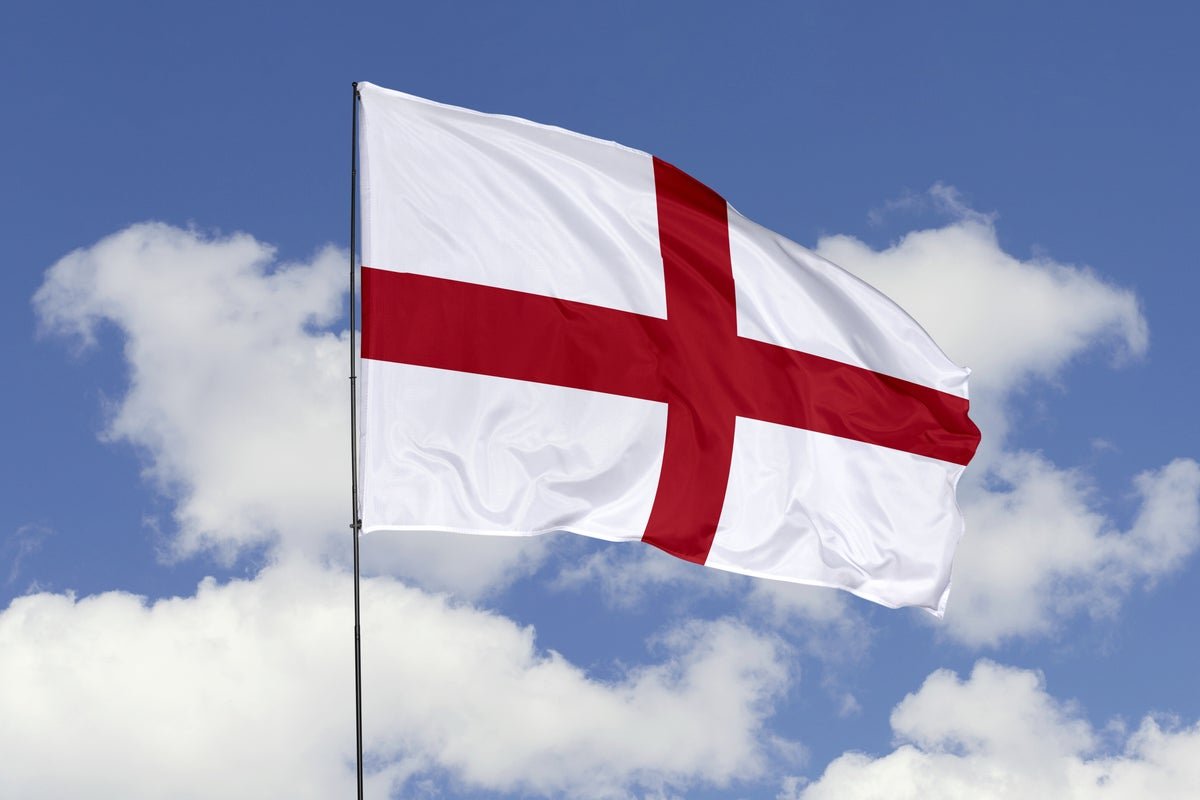
Birmingham has become the latest flashpoint in a growing national debate over the display of English symbols, as images shared online reveal local authorities painting over St George’s Cross markings on mini-roundabouts, sparking anger among residents who had placed them there. The episode follows the recent removal of flags from lampposts in Britain’s second-largest city, actions the council attributed to health and safety concerns.

Over the weekend, residents in the Kings Heath and Yardley Wood neighborhoods took matters into their own hands, painting red St George crosses on local roundabouts in an apparent display of patriotism. The markings, coordinated through online networks as part of the “Operation Raise the Colours” movement, quickly drew attention, prompting the council to dispatch workers to remove the paint. Footage shared by conservative activist group Turning Point UK showed staff cleaning a mini-roundabout, accompanied by claims criticizing the council for prioritizing the removal of national symbols over essential municipal duties.
Birmingham City Council has faced intense scrutiny in recent weeks, with a prolonged bin strike pitting refuse workers against the Labour-led authority over pay disputes. Social media commentary highlighted the perceived irony, noting that while everyday services like waste collection remain disrupted, the council can mobilize quickly to erase a flag painted on a public traffic island.
Reactions among locals have been sharply divided. Some residents praised the initiative as a proud assertion of English identity, while others condemned it as a potentially xenophobic gesture. One man living near a painted traffic island in Kings Heath told the BBC that the act “felt less patriotic and more like an excuse for xenophobia.” Conversely, another resident posted on Facebook that every town and city should participate, asserting, “the more the better,” reflecting the deep-seated emotions stirred by national symbols.

The controversy extends beyond mini-roundabouts, with flags previously spotted on lampposts across Birmingham and as far afield as the A1206 on the Isle of Dogs in east London. These displays form part of the wider online campaign, demonstrating how social media can mobilize communities and simultaneously ignite public debate. In response to the uproar, a council spokesperson emphasized that Birmingham proudly flies the Union Jack outside its headquarters daily and recognises the significance of both the Union flag and the St George flag as emblems of national pride. The spokesperson clarified that removing items from street furniture is routine council procedure to comply with health and safety regulations, while residents remain free to display flags on their private property. “Brummies are proud to be British and proud that this is a welcoming city celebrating many different cultures,” the statement added, highlighting the council’s attempt to balance civic safety with recognition of local sentiment.

The unfolding events in Birmingham illustrate the ongoing tensions across the UK regarding public expressions of patriotism, the role of municipal authorities, and community engagement in civic spaces. Flags, which might appear simple at first glance, have become highly symbolic, representing both national pride and, for some, points of political and social contention. As local authorities navigate these disputes, the Birmingham episode underscores the challenge of reconciling individual and collective expressions of identity with the responsibilities of governance and public safety.
The story has captured national attention, raising questions about the intersection of civic duty, local governance, and the emotive power of national symbols in contemporary British society.
Related News:
 UK Must Act with Courage and Clarity on Israel-Palestine Conflict, Says Foreign Affairs Committee Report
 The Ketamine Crisis in the UK is a Silent Epidemic Leaving Users with Lifelong Pain
 London Set to Honour Euro 2025 Champions as Lionesses Take Victory Parade Through the Capital
 Targeted Attack in Bury Sparks Murder Investigation as Community Awaits Justice
 Princess of Wales Launches Animated Video Series to Support Early Childhood Development
 Heartbreak in the New Forest as Shetland Ponies Vanish, Community on Edge
 Radioactive Leak at UK’s Nuclear Warhead Base Sparks Outcry Over Safety and Secrecy
 Fire Contained at Edinburgh’s Arthur’s Seat After Overnight Battle by Firefighters
 Premier League Supercomputer Predicts Tough Season for Man Utd Amid Three-Team Title Battle
 Mystery Wallaby Spotted on Norfolk-Suffolk Border Sparks Police Appeal
 UK Weather: Heat Alerts Extended as Temperatures Set to Reach 30°C This Weekend
 Terence Stamp, ’60s British Film Legend and Star of Superman, Dies at 87
 Chancellor Rachel Reeves Pushes for Sweeping Changes to Environmental Protections to Accelerate Development
 Why Where You Live Can Affect Your School Grades – And the Gap Between Areas Is Only Widening
 Palestine Action Ban Protesters Plan Tactic to Overwhelm Police at Next London Demonstration
 High Court Rules Against Noel Clarke in Libel Case Against Guardian Publisher
 Human Remains Discovered in Lancashire May Be Those of Children, Police Say
 Desperate Plea to ‘End This Tide of Misery’ as Children Struggle in the English Channel
 Grimsby Stun Manchester United in Dramatic Penalty Shootout
 Rachel Reeves’s Budget Advisor Proposes Sweeping Tax Hikes: What Could Hit Households Next
 Guardiola Admits City ‘Forgot to Play’ After Shock Defeat to Brighton
 Why E-Bikes and E-Scooters Are Making Streets a ‘Nightmare’ for Blind People
 Retail Sales See Uptick Amid Errors and Delays as ONS Faces Scrutiny
 British Couple Among 16 Killed in Lisbon Funicular Tragedy
 Millions in the UK at Higher Risk of Heart Failure and Stroke Due to Air Pollution, Study Warns
 UK Retail Sales Rise in August, but Tax Concerns Loom Over Festive Period
 UK Launches Major Crackdown on Networks Profiting from Online Child Sexual Abuse
 UK Rejoining EU ‘Unlikely in My Lifetime,’ Says Starmer’s Europe Reset Negotiator
 UK Graduates in Healthcare Report Highest Satisfaction with Degree Choices
 Prime Suspect in Madeleine McCann Case Declines Metropolitan Police Interview Ahead of German Prison Release
 ‘Unite the Kingdom’ Rally Sparks Fears of Far-Right Normalisation Among Minority Britons
 UK Labour Market Shows Signs of Cooling as Wage Growth Slows and Redundancies Rise
 Growing Crisis in UK Schools: One in Three Parents Seek Special Needs Assessments
 Thousands Gather in London to Protest Donald Trump’s Second UK State Visit
 Zarah Sultana Seeks Legal Action After Bitter Clash with Jeremy Corbyn Over Party Membership Funds
 Watchdog, Cornflakes and Courage: Remembering John Stapleton, a Broadcaster Who Did It All
 Top Andy Burnham Ally Launches Fierce Critique of Starmer Ahead of Labour Conference
 Mahmood Pledges Reform of Modern Slavery Laws After Court Blocks Deportation Appeal
 UK Government Backs Return of International Rail Travel to Kent Stations
 Arsenal VS Newcastle Hearts with Dramatic Late Turnaround at St James’ Park
 Ed Miliband Urges Labour to Confront Billionaire-Backed Opposition to Net Zero Goals
 A Third of EU Citizens in UK Report Discrimination by Public Bodies Post-Brexit
 Wetherspoon vows to keep prices low amid soaring energy and tax costs
 Teacher Permanently Banned After Slapping Pupil Over Classroom Incident
 Digital ID Plans Ignite Debate Over £600m Treasury Tax Boost and Privacy Concerns
 Millions in the UK at Risk of Cyber-Attacks as Microsoft Ends Windows 10 Updates, Warns Which?
 Public Trust in SNP Hits Historic Low Amid NHS Concerns
 Yvette Cooper Backs Digital ID Plan for UK Teens
 Strictly Celebs Starstruck as Cynthia Erivo Shines
 Ian Watkins Killed in Prison; Ex-Girlfriend Speaks Out
 Johnson Suggests Mandelson Linked to China Spy Controversy
 Ministry of Justice fails to file £11bn in spending receipts
 Rachel Reeves signals welfare reform ahead of key budget
 Reform UK candidate fined £19,000 after using AI-generated cases to challenge election
 Harry and Meghan join global AI leaders urging superintelligence ban
 William Steps Up Over Prince Andrew Palace Response
 Hospice Cuts Raise Alarm Across England Amid Funding Crisis
 Green Party Surges Past Labour in Latest UK Poll
 Zarah Sultana Launches Party to Change Politics
 Children to Learn Local History in Major Curriculum Overhaul
 Granit Xhaka Rescue Earns Everton Draw at Sunderland
 Prince William Plants Trees with Brazil’s Nature Heroes
 Just Stop Oil Protesters Convicted Amid Climate Defence Row
 King Charles to Lead Nation in Remembrance Sunday Service
 How to get help when a child goes missing – call 999 urgently
 Starmer Faces Growing Dissent as Labour MPs Weigh Leadership Challenge
 Son Reveals UK Couple in Iran Resort to Hunger Strike for Help
 Valve Opens the Door for Android Games on Steam
 Peers Flood Assisted Dying Bill with 942 Amendments
 Former Lion Heskey Warns of Shortage of England Strikers
 Mother Watches in Horror as Teen Daughter Dies on Tracks
 ‘Traumatic Wait’: Northern Ireland Women Face Breast Cancer Delays
 Serial Rapist and Former Cop Found Guilty Again
 Most Tories Expect to Support a Farage-Led Government
 Bill Murray Terrified Wes Anderson but Became His Closest Collaborator
 Karen Carney Stuns on Blackpool Week, Deserves Strictly Final
 Fibromyalgia Patients Struggle as NHS Fails to Provide Care
 Virgin Media Fined £23.8m Over Telecare Safety Failures
 Christmas Code-Crackers: GCHQ Unveils Annual Festive Puzzle Card
 Online Child Sexual Abuse Soars 26% as Police Demand Tech Action