Published: 10 June 2026. The English Chronicle Desk. The English Chronicle Online.
Football fans across the globe are facing unprecedented costs as they prepare for the highly anticipated tournament. The latest market data reveals that supporters of teams sponsored by Nike face the highest financial burden. This sharp price surge comes right before the premier global football competition kicks off this week.
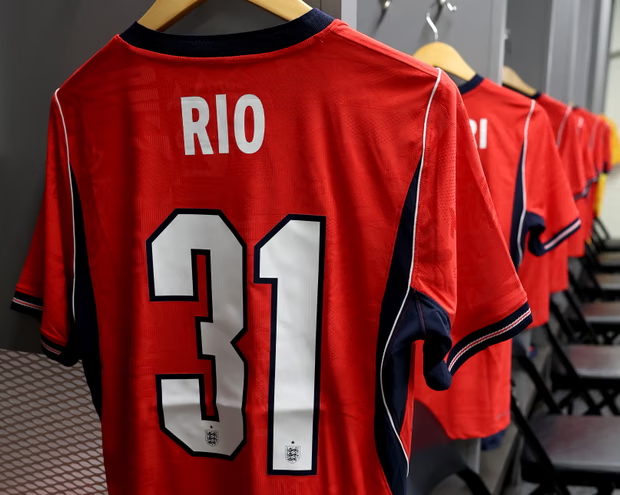
Manufacturers typically produce two distinct versions of national jerseys to cater to different consumer markets. They offer the premium match versions alongside the standard stadium replica shirts aimed at regular supporters. The official match jerseys worn by elite players are currently retailing for as much as €160.
Meanwhile, the standard replica options have also seen a very significant rise in their retail prices. Supporters of major football powerhouses like England, France, and Brazil face the steepest financial demands. An adult Nike replica shirt now costs these dedicated fans an average of €110 (£95).
The tournament in the United States is officially beginning under a cloud of consumer pricing complaints. Rival sportswear giants have positioned their pricing slightly below the premium levels set by their American competitor. Adidas and Puma have managed to tie for second place regarding their adult kit pricing structures.
Adidas dresses top-tier European nations including Spain, Germany, and the proud qualifying squad from Scotland. Puma serves as the official kit home to international stars like Cristiano Ronaldo and Portugal. Both brands have set their adult replica shirt prices at a standard €100 this summer.
These comparative figures come directly from extensive market research conducted by industry expert Dr Peter Rohlmann. Dr Rohlmann is a respected independent analyst who specialises deeply in the global football merchandise market. His latest findings highlight a growing disparity in what families must pay for youth merchandise too.
Nike remains the most expensive brand in the market for children’s national team kit tops. The American sportswear giant charges parents an average of €85 for a youth stadium shirt. Puma follows relatively closely behind by charging €80 for its selection of junior international jerseys.
Adidas represents the cheapest option among the big three brands by pricing youth kits at €75. These final statistics represent the true average cost calculated for a standard national team jersey. The data was gathered directly from official European websites hosted by sports brands and football associations.
The resulting price differences feel particularly stark and writ large for consumers living within the UK. English fans supporting Thomas Tuchel’s national team are being hit hardest by these uneven pricing structures. A standard adult Three Lions shirt costs £15 more than the Scottish Adidas equivalent kit.
In the United Kingdom, an adult England stadium shirt officially retails for £90 as a replica. Supporters who desire the authentic match shirt worn by international players must pay a hefty £135. The equivalent prices for the newest Scotland kit stand much lower at £75 and £120.
Young English fans face a similar premium with children’s shirts costing an expensive £65 this year. That youth price tag is exactly £10 more than a comparable Scottish junior football shirt. Despite these high costs, international replica kits remain incredibly big business for the major sportswear brands.
Dr Rohlmann estimates that global fans will buy between 18 million and 23 million tournament shirts. Adidas, Nike, and Puma will collectively bank close to 80% of these massive retail sales. Even the lowest sales estimate would easily eclipse the total volume achieved during the Qatar tournament.
The previous tournament in Qatar recorded a final total of 14.4 million official shirt sales worldwide. This projected growth proves that the global popularity of football continues to expand at high speed. However, the steady increase in prices for fans buying national jerseys remains incredibly striking.
Historical data shows the average price for an adult stadium shirt is up 53% since 2010. That significant baseline was established when South Africa proudly hosted the historic African World Cup tournament. Back in 2010, a standard adult stadium shirt cost consumers a modest average of €65.
That average price has risen steadily to reach the current €100 mark for modern stadium replicas. For the winter tournament in Qatar in 2022, the average price stood at €90 overall. Dr Rohlmann notes that English football shirt prices have risen much faster than general inflation.
The prices have jumped proportionally more sharply than the general day-to-day cost of living index. The analyst suggests that fans’ deep love for their favourite teams is being ruthlessly exploited today. An England shirt cost just £45 in 2010 before Nike replaced Umbro in 2013.
The same English stadium jersey cost supporters £75 at the last major tournament in 2022. Four years after that tournament, the standard price has jumped quickly to its current £90 level. The total cost can become even higher if shoppers choose to personalise their new kits.
Adding an official name and number to the back adds an extra fee for consumers. Some children’s kits also vary significantly in final price according to the specific size required. The corporate manufacturers have defended their pricing strategies by citing various rising global economic pressures.
Nike released an official statement acknowledging that kit price increases always matter greatly to fans. The company insisted that they never take the decision to raise prices lightly at all. They regularly review product costs to ensure delivery of the best possible performance and innovation.
The brand claimed they must balance rising material costs alongside increased manufacturing and logistics expenses. Adidas also defended its pricing by stating their jerseys reflect highly advanced design and technology. The German company explained that development and premium materials influence the final retail price significantly.
They offer authentic and replica jerseys at different price points to accommodate various fan budgets. Adidas claims it continues to minimise the impact of rising costs across the sporting industry. These challenges include the ever-increasing sponsorship fees paid directly to international clubs and football federations.
Prominent competitor Puma did not respond to a formal request for comment regarding its pricing. Faced with these historically high prices, some desperate fans are turning toward the black market. Many supporters knowingly opt to buy cheap fakes to save money during this tournament.
Other consumers are being actively duped by seemingly genuine discounts displayed on rogue online websites. Dr Rohlmann warned that buying a fake shirt can quickly lead to major consumer disappointments. Many international packages fail to turn up at all after payment has been processed online.
Arriving shirts are often of incredibly poor quality or feature incorrect national team design details. Some unlucky buyers face subsequent customs demands or unexpected import tax payments at their door. Data from verification specialists suggests that counterfeit kits represent a huge portion of the market.
KitLegit is an innovative mobile application that uses artificial intelligence to verify authentic football merchandise. Their internal data indicates that 30% to 40% of all shirts in circulation are counterfeit. KitLegit co-founder Ben Houston explained that high official prices are directly driving demand for fakes.
The ongoing cost of living crisis forces many fans to actively seek out counterfeit products. Some consumers are making a conscious choice to buy fakes to support their favourite teams. However, many innocent shoppers are being completely duped by sophisticated online scams and clone websites.
Mr Houston pointed to major counterfeiting issues currently plaguing popular secondhand sales platforms and websites. Consumers genuinely think they are purchasing official product at a slightly reduced promotional cost. In actual fact, they are being sold a fake item at an inflated price.
Related News:
 Saka Playing Through Pain As England World Cup Campaign Looms
 England Cruise Past Costa Rica as World Cup Warm-Up Sharpens Tuchel’s Vision
 ‘We all love him’: Henderson backs Bellingham for England success
 Can France Escape the Ghosts of their 2002 World Cup Nightmare?
 Deschamps Shields Mbappé From Fierce Political Storm
 Messi Equals World Cup Record In Masterclass Victory
 Erling Haaland Double Fires Norway To Victory On Debut
 Iran Files Official Fifa Complaint Over World Cup Travel
 Historic Victory for Canada as They Defeat Nine-Man Qatar
 Heartbreak for Canada as Koné Suffers Horrific Injury
 Declan Rice Facing Burnout as Tuchel Confronts Midfield Crisis
 Rodrygo Reflects On World Cup Pressure And Social Media
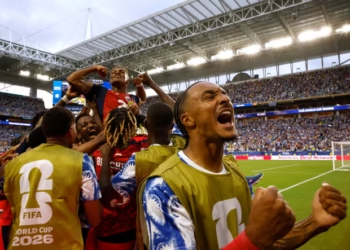 Cape Verde Hold Uruguay in Dramatic World Cup Clash
 World Cup 2026: Reclaiming the American Dream
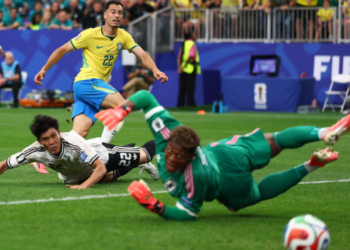 Martinelli Strikes Late as Brazil Edge Past Brave Japan
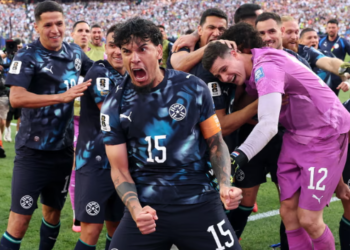 Paraguay Shock Germany in Historic Penalty Shootout
 Morocco Beat Dutch in Wild World Cup Penalty Drama
 France Dominate Sweden as Deschamps’ New Era Takes Shape
 Haaland Heroics Send Norway Into Historic Last 16 Knockout
 Kane Saves Tuchel as England Survive Dramatic Exit
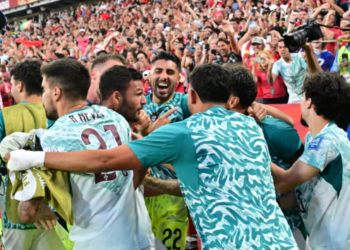 Ramos Sends Portugal into the Last 16
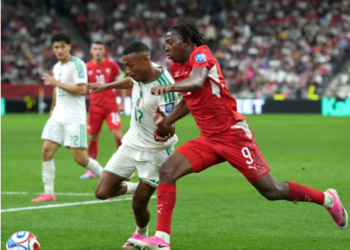 Swiss Star Manzambi Shines in World Cup Victory
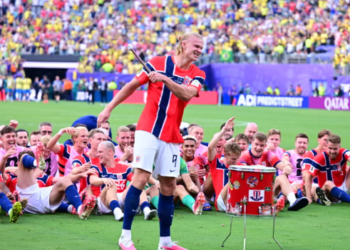 Norway’s Stunning World Cup Victory Over Brazil
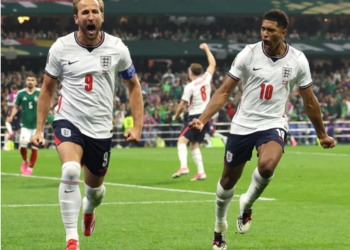 England Triumph in Azteca World Cup Thriller
 Trump’s Red-Card Intervention Hurts the US World Cup
 Trump Intervenes in Fifa World Cup Balogun Ban
 England’s 10 Men Hold Firm in World Cup Thriller
 USA World Cup Heartbreak: Belgium Ends Their Dream
 Spanish Late Winner Sends Ronaldo Into Final Sunset
 Belgium Thrashes USA After Red Card Controversy
 Messi’s Tears and Triumph in Epic World Cup Escape
 Switzerland Advance in Penalty Thriller
 Egyptian Fury After Argentina World Cup Heartbreak
 World Cup 2026 Power Rankings: England on the Rise
 Mbappé Brilliance Leads France Into Semi-Finals
 Belgium Draws Global Support Before Spain Showdown
 Haaland and Bellingham: A Dortmund Bond Tested
 Rice Poised for England Semi-Final Clash Against Argentina
 Tuchel Backs England Stars to Overcome Messi’s Argentina
 Safeguarding Probe Limits West Ham Owner’s Role
 Football Hopes to Outshine World Cup Drama in Mexico
 Tension Grips Mexico City Ahead of World Cup Opener
 Inside the Three Lions: Bellingham Reveals Euro 2024 Flaws
 Chaos and Celebration at the Historic Azteca Stadium
 Real Madrid Sign Marc Cucurella From Chelsea
 Why Bringing Back Jordan Henderson Is Thomas Tuchel’s Masterstroke
 World Cup Fury as Iran Coach Slams Fifa and US
 Tuchel’s England Mission Goes Beyond Football Success
 New Premier League Fixtures Set Stage for Thrilling Season
 US Advance Past Bosnia in World Cup Thriller
 Spain Dominates Austria to Reach Quarter-Finals
 VAR Drama: Portugal Win in Thriller
 Taylor Swift and Travis Kelce Marry at Madison Square Garden
 Paul Seixas: French Cycling’s Teenage Hope at the Tour
 Ronaldo Says Farewell to the World Cup Stage
 Kylian Mbappé Slams Paraguayan Senator Over Racist Attack
 World Cup Racism Reflects Growing Abuse Patterns
 Bryne Backs Haaland Before England World Cup Clash
 World Cup Fever Set to Boost UK Economy by £500m
 England and Norway Fans Turn Miami Into World Cup Carnival
 Spain’s Superstar Fan: Keyne Yamal Steals the Spotlight
 Lamine Yamal’s Birthday: Football, Fame, and France
 Spain Clinch Final Spot in Masterclass Victory Over France
 Tuchel: England Ready for Historic Argentina Clash
 Saka Solidifies Role as Tuchel’s Key England Lieutenant
 Tiny Curacao Makes History as Smallest Nation to Reach World Cup
 Australia Face Big Changes as Cummins and Lyon Ruled Out of Ashes
 Aston Villa Remain Arsenal’s Key Obstacle in Title Pursuit
 Ben Stokes injury joke after brutal ball strike
 BBC World Cup Presenting Duties Shared Among Trio
 English Cricket Faces Moral Crisis Over Indian Investment
 Teenage Titan: Sooryavanshi Smashes IPL Records
 Scott Parker Leaves Burnley After Premier League Drop
 Arteta urges Arsenal to step up in Atlético semi-final
 RFU Backs Borthwick Despite England’s Poor Six Nations
 Infantino Defends Soaring World Cup 2026 Ticket Costs
 England Call Up Janse van Rensburg for Nations Campaign
 Guardiola to Exit Man City; Maresca Lineup Nears
 Alice Capsey Sparks England Win With Brilliant Fifty
 Man City Threaten Legal Action Over Haaland Real Madrid Shirt