Published: 25 June 2026. The English Chronicle Desk. The English Chronicle Online.
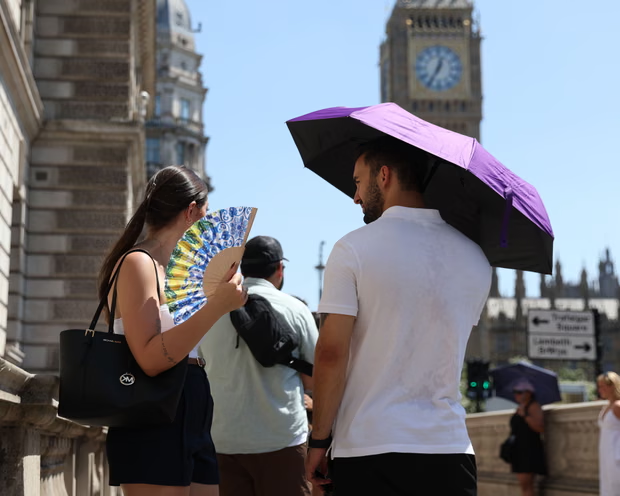
The British summer has taken an extraordinary turn this week as temperatures soar across the country. Citizens are finding themselves trapped in a stifling atmosphere that feels remarkably difficult to endure. This discomfort is not merely a collective imagination running wild during another intense summer spell. Official statistics indicate that the previous June temperature records have been shattered by wide margins. However, the true culprit behind the widespread public misery is a sudden surge in relative humidity. A standard thermometer reading of thirty-five degrees now feels like a blistering forty-one degrees. This stark difference is altering how people experience the current weather conditions nationwide. Millions of individuals are struggling to find respite from the oppressive blanket of heavy air.
Meteorologists have been closely monitoring the situation as it develops across the United Kingdom. Experts from the Met Office note that moisture levels are currently hovering at unprecedented heights. The critical measure to watch during this period is the regional dew point temperature. This metric essentially quantifies the precise amount of water vapour held within the atmosphere. Forecasters report that dew points are sitting comfortably within the low twenties this week. This represents a staggering departure from previous major heatwaves experienced in recent British history. During the historic heatwave of July 2022, dew point numbers remained strictly in single digits. That specific difference explains why the current environment feels vastly more suffocating to citizens. The Royal Meteorological Society has also provided crucial context regarding this ongoing summer phenomenon. Representatives recall that the historic forty-degree barrier was first broken during July late last year. Back then, the air mass moving over the British Isles was exceptionally dry and crisp. In stark contrast, the current June weather system carries an immense volume of tropical moisture. This means that even if thermometer readings look lower, the physical impact is worse. The true danger of this moisture becomes particularly evident when the sun goes down. High nighttime humidity prevents the ambient air from cooling down to manageable, safe levels. This lack of nocturnal relief significantly increases the immediate risk of severe heat-related illnesses.
Medical professional bodies are deeply concerned about the rising emergence of frequent tropical nights. This term describes evening periods where the thermometer stubbornly refuses to drop below twenty degrees. Such elevated nighttime temperatures prevent the human body from recovering from daytime heat stress. This environmental pattern poses a severe threat to vulnerable demographics across the United Kingdom. The elderly and the very young face the highest risks under these circumstances. Dehydration can set in rapidly when the air remains thick and warm overnight. Cases of heatstroke are expected to rise if these oppressive conditions persist much longer. Hospitals are already preparing for an influx of patients suffering from environmental exposure.
The biological reason for this bodily strain is tied directly to human cooling mechanisms. Humans rely primarily on the evaporation of sweat from their skin to lower temperature. When the surrounding air is already saturated with moisture, sweat cannot evaporate efficiently. This failure of evaporation means the body cannot dump its excess internal heat load. Consequently, the human core temperature begins to rise to dangerous and unpredictable levels. This biological reality places immense stress on the cardiovascular systems of affected individuals. The same physical challenge is currently being observed on a global stage as well. Athletes competing at the World Cup are facing massive stamina issues in humid venues. Cities like Miami are proving far more exhausting for players than drier inland locations.
Understanding the mechanics of this weather requires looking at how relative humidity operates. This measurement tracks the water vapour present against the maximum amount the air can hold. When the air is near saturation, every activity requires significantly more physical effort. The traditional focus on shade temperature fails to convey the reality of human experience. Standard thermometers are housed in ventilated shields away from direct, burning sunlight anyway. Therefore, the official reading rarely matches what a person feels on the street. Experts suggest looking at the heat stress index to grasp the true situation. This index combines both temperature and moisture to reflect the genuine burden on citizens.
This unpleasant shift in British weather patterns is directly linked to global climate breakdown. The ongoing combustion of fossil fuels continues to warm the planet at alarming rates. Scientific data proves that a warmer atmosphere naturally holds vastly more water vapour. For every single degree of warming, the air retains seven percent more moisture. This basic physical law explains why modern heatwaves feel increasingly heavy and dangerous. The societal impact of this atmospheric change varies considerably from region to region. However, northern Europe and the United Kingdom are experiencing some of the worst effects. The region is simply not built to withstand prolonged periods of tropical stickiness.
The current heatwave is driven by a massive, slow-moving high-pressure weather system. This specific air mass originated in the humid subtropics before migrating north over Europe. It gained significant heat while passing over France, where temperatures exceeded forty degrees. The system has now become completely stationary directly over the British Isles this week. This stagnant positioning has created a dangerous phenomenon known widely as a heat dome. The high pressure acts like a lid, trapping and cooking the air below. As the ground bakes, moisture is pumped repeatedly back into the lower atmosphere. This cycle ensures that the muggy feeling intensifies with each passing afternoon.
Surviving this dangerous combination of heat and humidity requires taking practical, deliberate steps. Experts in human physiology from the University of Portsmouth have offered timely survival guidance. They recommend that citizens strictly limit their outdoor exposure during peak daylight hours. People should remain indoors between late morning and early evening whenever it is possible. Seeking out air-conditioned public spaces can provide vital relief for the cardiovascular system. Homeowners can keep indoor spaces cooler by closing their blinds during the day. Opening windows should only be done at night when exterior temperatures finally drop.
Personal habits can also be adjusted to minimize the risk of overheating this week. Wearing loose, light-coloured clothing helps the body shed excess heat through radiation processes. Breathable fabrics like natural cotton are vastly superior to synthetic alternatives right now. Taking cool showers or applying damp cloths to the skin provides immediate relief. Sitting directly in front of an electric fan can also assist the evaporation process. Submerging hands or feet in basins of cold water lowers core temperatures rapidly. Finally, maintaining a steady intake of fresh fluids remains absolutely essential for survival. People must drink water continuously even if they do not feel actively thirsty. Sweating drains bodily fluids rapidly in these conditions without individuals realizing the total loss.
Related News:
 Hospice Cuts Raise Alarm Across England Amid Funding Crisis
 The diet that can significantly ease symptoms of IBS
 Celebrities and Charities Demand UK Government Act on Child Poverty
 Experts Warn on Home Birth Risks, Call for Skilled Midwives
 Experts Urge Legal Right to Timely Cancer Care
 Patients to Test Health at Home to Ease NHS Winter Pressure
 London’s Childlessness Crisis: Schools Closing as Families Shrink
 North Sea oil workers must lose weight or face job loss
 Crisis charity to become landlord amid UK housing emergency
 No link found between paracetamol in pregnancy and autism
 Shouting Works Best to Deter Gulls, UK Study Finds
 Reeves rejects £1bn plea for NHS redundancy payouts
 Leading doctors issue warning amid ‘bad’ flu season
 Stroke Patient Mistaken for Drunk, Care Delayed
 ‘Traumatic Wait’: Northern Ireland Women Face Breast Cancer Delays
 Welsh Government Christmas 2020 Lockdown Criticised
 Coffins Now Too Large to Cremate Amid Rising Obesity Crisis
 NHS paediatric leave parents waiting months for answers
 Catherine urges end to stigma around addiction
 Five-Year-Old Dies After Rare Tonsil Surgery Complication
 Fibromyalgia Patients Struggle as NHS Fails to Provide Care
 More Patients Now Contacting GPs Online, Data Shows
 Streeting launches review into mental health and ADHD diagnoses
 People in England’s Poorest Areas Face Higher Lung Health Emergencies
 Minor A&E Visits Surge Across England as Hospitals Face Pressure
 Children to Receive Home Vaccines as England Acts
 UK Enforces Junk Food Ad Ban Before 9pm
 Patients Collapsing in NHS Corridors, Watchdog Warns
 Offenders to Receive Health Support During Probation Appointments
 NHS Violence Crisis: Staff Face Daily Assaults
 NHS corridor care crisis sparks fears over patient safety
 Jess’s Rule Urges GPs to Rethink Persistent Symptoms
 UK Glaucoma Rise Signals Looming Eye Health Crisis by 2060
 Small risk warning raised over weight-loss jabs in UK review
 Pneumonia Surge Pushes England Emergency Cases Higher
 Streeting moves on doctor pay to end strike dispute
 UK reports baby formula toxin poisoning cases across the country
 Children of Close-Relative Parents Face Higher Mortality Risk in England
 Campaign Demands NHS Action on Placenta Accreta Diagnosis
 NHS Bone Cement Shortage Threatens Surgeries
 Placenta Accreta Warning as Hunt Urges Action
 Half of Britons Avoid GP When Ill, Survey Reveals Growing Concern
 NHS Maternity Units Cover Up Harmful Childbirth Errors
 Drop in Overseas Workers Sparks ‘Car Crash’ for UK Hospitals
 Weight-loss drugs may transform heart attack recovery
 Cancer Death Rate in Britain Falls by Nearly a Third
 Palantir NHS Contract Sparks Fears Over Data Power
 UK Patients Face Long Journeys as Pharmacies Cut Hours
 UK Biobank Health Data Leaks Raise Privacy Concerns
 NHS Plans to Cut Overseas Workers Labeled Overambitious
 Kent Meningitis Outbreak Claims Two Young Lives as Cases Rise
 Meningitis Cases in Kent Outbreak Rise to 27
 Palantir Boss Defends NHS Deal Amid Government Break Clause
 NHS Staff Shortages Stifling Recovery for Stroke Survivors
 Unions Raise Concerns Over Doctors’ Pay Dispute
 Wes Streeting Accuses Doctors of Torpedoing Pay Deal
 Private Profits From NHS Contracts Spark Urgent National Debate
 Crisis in NHS Surgery Scheduling Hits Patients Hard
 NHS Safety Fears as Nurses Cover Doctor Gaps
 New Scan Offers Hope for Faster Endometriosis Diagnosis
 New AI Tool To Target Obesity Risk And Transform NHS Care
 Barrister Criticises Trial After Suicide Case Verdict
 NHS Drug Deal Faces Legal Threat Over US Trade Agreement
 NHS Staffing Crisis Reaches Dangerous Levels
 Crisis in Care: Children Stuck in A&E for Days
 Empowering the Elderly or Shifting the Blame to Individuals?
 England Faces Rising Lyme Disease Cases Amid New Vaccine Hopes
 Record Spending Highlights Growing Crisis In National Health Service
 The Race for Radical Change in Westminster
 Clean Air Initiatives Spark Major Fall in London Hospital Admissions
 Swimming Champion Demands Urgent Action on Brain Cancer
 Labour MP Revives Blocked Assisted Dying Bill in Commons
 Mortuary Crisis Exposed at Scandal-Hit NHS Trust
 The Hidden Revival of a Fatal Infection on British Soil
 NHS Urges Investigation For Irregular Periods
 BMA Faces Unprecedented Staff Cuts Amidst Severe Financial Turmoil
 Trump Immigration Cuts Threaten US Caregiver Stability
 Stricter Rules Proposed to Shield Children from Vaping
 UK Schools Struggle as Classrooms Top 40C
 London Tube Heat Reaches Dangerous Levels