Published: 20 May 2026. The English Chronicle Desk. The English Chronicle Online.
A profound and deeply concerning crisis is currently unfolding within the heart of England’s healthcare system. Vulnerable children and young people experiencing severe mental health emergencies are facing unprecedented delays in emergency departments. Recent data reveals that these distressed youths frequently wait up to three days for specialist care. They endure these long delays inside busy accident and emergency departments across the entire nation. This distressing situation highlights a severe shortage of appropriate psychiatric beds for underage patients today.
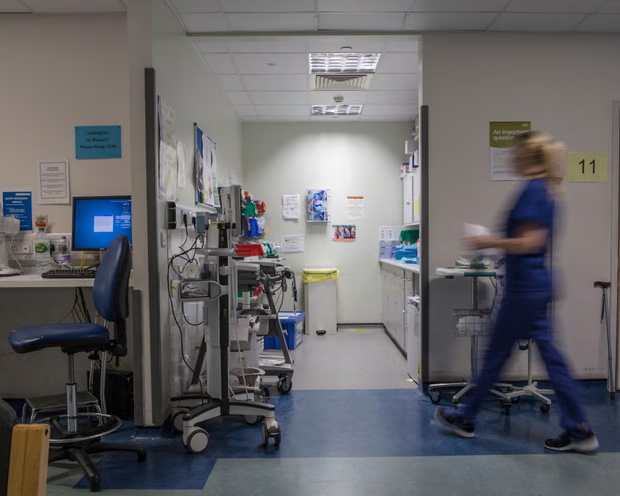
Emergency rooms are designed for physical trauma rather than complex psychological support and recovery. The bright lights and constant noise of an emergency unit can worsen severe distress. Many young patients arrive at the hospital already feeling completely overwhelmed by their circumstances. Sitting in a chaotic waiting area for days only multiplies their existing emotional trauma. Medical professionals across the country are expressing deep worry over this growing systemic issue. They warn that the current setup is failing the most vulnerable members of society.
One experienced pediatric nurse described these extended waiting times as being completely and utterly barbaric. She noted that such lengthy delays are quickly becoming the standard operational norm now. This shift indicates a worrying normalization of subpar care for youth in extreme distress. Hospital staff are routinely forced to manage complex behavioral issues without proper psychiatric resources. The lack of specialized environments makes managing these delicate situations incredibly difficult for everyone.
Some young people become so severely agitated that staff must utilize pharmaceutical interventions. Nurses increasingly rely on strong sedative medications to keep these young patients entirely safe. Using chemical restraints on children highlights the sheer desperation currently felt on the frontline. Medical staff must balance immediate physical safety against the long-term psychological impact on youth. This practice reflects a system pushed far beyond its intended operational and ethical limits.
The Royal College of Nursing has recently issued a very stark and sobering assessment. They stated that these persistent delays represent a catastrophic and widespread failure of governance. The organization believes that early intervention services are failing to catch these vulnerable children. Consequently, school-age youngsters are left to deteriorate until they reach a total breaking point. Seeking urgent help at an emergency room often becomes their final and only option.
The nursing union obtained these alarming figures through a series of official information requests. They requested detailed data from various National Health Service trusts located throughout England’s regions. The findings show that twelve-hour waits for under-eighteens have more than trebled since late 2019. This massive statistical increase illustrates a rapidly escalating problem within the wider healthcare network. Thousands of families are left waiting in limbo during their darkest and most terrifying hours.
Three specific hospital trusts admitted that children had waited over seventy-two hours for placement. These providers include Barts Health trust and Lewisham and Greenwich trust based in London. The Morecambe Bay trust in Cumbria also reported similarly lengthy waits for young people. This geographical spread proves that the crisis affects both major cities and rural communities. No region appears entirely immune to the severe shortage of specialized young person beds.
Frontline staff find these prolonged delays to be exceptionally draining and emotionally exhausting to witness. They must watch young minds suffer while powerless to expedite their transfer to care. Another emergency nurse explained that the department is treated as a universal dumping ground. The unit is viewed as a convenient receptacle for every dysregulated child in crisis. However, an emergency room cannot provide the peaceful respite these fragile individuals desperately need.
Medical experts note that the children arriving today are significantly more unwell than before. They present with deeply complex psychological needs that require immediate and highly specialized attention. Rates of severe self-harm and dangerous eating disorders have risen sharply among young demographics. The complexity of these conditions demands expert psychiatric nursing that standard emergency rooms lack. This shift in patient needs places an immense burden on an already stretched workforce.
Data suggests that nearly half a million children have sought emergency psychiatric help since 2019. This incredible number represents a generation of young people struggling with their mental well-being. Around two-thirds of the surveyed health trusts provided their complete internal data for analysis. The responding hospitals alone treated over three hundred thousand young emergency patients during that time. When calculated across all trusts, the total figure rises to nearly five hundred thousand.
Professor Nicola Ranger described this massive number of attendances as clear evidence of failure. The nursing union chief is demanding immediate and decisive action from senior government ministers. She argues that the current trajectory is completely unsustainable for both patients and staff. The union wants to see the urgent creation of dedicated mental health emergency units. These specialized hubs would provide a calm environment away from standard accident and emergency rooms.
The NHS Alliance has also added its voice to calls for urgent structural reform. They emphasized that placing mentally ill children in chaotic emergency rooms causes direct harm. The current practice is deeply detrimental to the welfare of both patients and clinicians. Staff are forced to operate in conditions that do not support healing or recovery. Finding an appropriate alternative pathway has become a matter of absolute and undeniable urgency.
An official spokesperson for the National Health Service defended their ongoing efforts to improve. They stated that busy emergency rooms are admittedly not the correct environment for crisis. Consequently, the health service has launched a round-the-clock support helpline via the eleven-one service. This telephone system combines immediate crisis assessment with rapid response teams deployed to homes. The initiative aims to intercept families before they feel compelled to visit a hospital.
Furthermore, authorities claim that seventy percent more children are accessing support than before. They are also actively rolling out mental health support teams directly into local schools. These school-based teams focus heavily on early intervention and preventing crises before they start. The government hopes these preventative measures will eventually reduce the pressure on emergency departments. However, the benefits of these long-term strategies are not yet felt on the frontline.
For now, many families must continue to navigate a fractured and frightening system. Parents are forced to watch their distressed children wait on uncomfortable hospital plastic chairs. They must advocate for their vulnerable offspring while surrounded by standard emergency room chaos. The dedication of individual nurses remains high despite these incredibly trying and difficult circumstances. Yet dedication alone cannot replace the urgent need for structural investment and specialized beds.
The situation across England serves as a powerful reminder of a growing societal challenge. Mental health must be afforded the same priority and resources as physical medical emergencies. Until significant changes are realized, the emergency room remains an imperfect sanctuary for youth. The collective hope is that political leaders will finally address this ongoing systemic crisis. Only then can the country ensure that its youngest citizens receive truly compassionate care.
Related News:
 Hospice Cuts Raise Alarm Across England Amid Funding Crisis
 The diet that can significantly ease symptoms of IBS
 Celebrities and Charities Demand UK Government Act on Child Poverty
 Experts Warn on Home Birth Risks, Call for Skilled Midwives
 Experts Urge Legal Right to Timely Cancer Care
 Patients to Test Health at Home to Ease NHS Winter Pressure
 London’s Childlessness Crisis: Schools Closing as Families Shrink
 North Sea oil workers must lose weight or face job loss
 Crisis charity to become landlord amid UK housing emergency
 No link found between paracetamol in pregnancy and autism
 Shouting Works Best to Deter Gulls, UK Study Finds
 Reeves rejects £1bn plea for NHS redundancy payouts
 Leading doctors issue warning amid ‘bad’ flu season
 Stroke Patient Mistaken for Drunk, Care Delayed
 ‘Traumatic Wait’: Northern Ireland Women Face Breast Cancer Delays
 Welsh Government Christmas 2020 Lockdown Criticised
 Coffins Now Too Large to Cremate Amid Rising Obesity Crisis
 NHS paediatric leave parents waiting months for answers
 Catherine urges end to stigma around addiction
 Five-Year-Old Dies After Rare Tonsil Surgery Complication
 Fibromyalgia Patients Struggle as NHS Fails to Provide Care
 More Patients Now Contacting GPs Online, Data Shows
 Streeting launches review into mental health and ADHD diagnoses
 People in England’s Poorest Areas Face Higher Lung Health Emergencies
 Minor A&E Visits Surge Across England as Hospitals Face Pressure
 Children to Receive Home Vaccines as England Acts
 UK Enforces Junk Food Ad Ban Before 9pm
 Patients Collapsing in NHS Corridors, Watchdog Warns
 Offenders to Receive Health Support During Probation Appointments
 NHS Violence Crisis: Staff Face Daily Assaults
 NHS corridor care crisis sparks fears over patient safety
 Jess’s Rule Urges GPs to Rethink Persistent Symptoms
 UK Glaucoma Rise Signals Looming Eye Health Crisis by 2060
 Small risk warning raised over weight-loss jabs in UK review
 Pneumonia Surge Pushes England Emergency Cases Higher
 Streeting moves on doctor pay to end strike dispute
 UK reports baby formula toxin poisoning cases across the country
 Children of Close-Relative Parents Face Higher Mortality Risk in England
 Campaign Demands NHS Action on Placenta Accreta Diagnosis
 NHS Bone Cement Shortage Threatens Surgeries
 Placenta Accreta Warning as Hunt Urges Action
 Half of Britons Avoid GP When Ill, Survey Reveals Growing Concern
 NHS Maternity Units Cover Up Harmful Childbirth Errors
 Drop in Overseas Workers Sparks ‘Car Crash’ for UK Hospitals
 Weight-loss drugs may transform heart attack recovery
 Cancer Death Rate in Britain Falls by Nearly a Third
 Palantir NHS Contract Sparks Fears Over Data Power
 UK Patients Face Long Journeys as Pharmacies Cut Hours
 UK Biobank Health Data Leaks Raise Privacy Concerns
 NHS Plans to Cut Overseas Workers Labeled Overambitious
 Kent Meningitis Outbreak Claims Two Young Lives as Cases Rise
 Meningitis Cases in Kent Outbreak Rise to 27
 Palantir Boss Defends NHS Deal Amid Government Break Clause
 NHS Staff Shortages Stifling Recovery for Stroke Survivors
 Unions Raise Concerns Over Doctors’ Pay Dispute
 Wes Streeting Accuses Doctors of Torpedoing Pay Deal
 Private Profits From NHS Contracts Spark Urgent National Debate
 Crisis in NHS Surgery Scheduling Hits Patients Hard
 NHS Safety Fears as Nurses Cover Doctor Gaps
 New Scan Offers Hope for Faster Endometriosis Diagnosis
 New AI Tool To Target Obesity Risk And Transform NHS Care
 Barrister Criticises Trial After Suicide Case Verdict
 NHS Drug Deal Faces Legal Threat Over US Trade Agreement
 NHS Staffing Crisis Reaches Dangerous Levels
 Empowering the Elderly or Shifting the Blame to Individuals?
 England Faces Rising Lyme Disease Cases Amid New Vaccine Hopes
 Record Spending Highlights Growing Crisis In National Health Service
 The Race for Radical Change in Westminster
 Clean Air Initiatives Spark Major Fall in London Hospital Admissions
 Swimming Champion Demands Urgent Action on Brain Cancer
 Nursing Workforce Crisis Leaves Disabled Patients at Risk
 UK Heatwave: Why Extreme Humidity is Making June Feel Unbearable
 Mortuary Crisis Exposed at Scandal-Hit NHS Trust
 The Hidden Revival of a Fatal Infection on British Soil
 NHS Urges Investigation For Irregular Periods
 BMA Faces Unprecedented Staff Cuts Amidst Severe Financial Turmoil
 Trump Immigration Cuts Threaten US Caregiver Stability
 Stricter Rules Proposed to Shield Children from Vaping
 UK Schools Struggle as Classrooms Top 40C
 London Tube Heat Reaches Dangerous Levels